How to Stop Curly Hair from Frizzing: An Evidence-Based Guide
11 min read ·
Discover how to stop curly hair from frizzing with evidence-based strategies focusing on hydration, gentle handling, and effective product use.
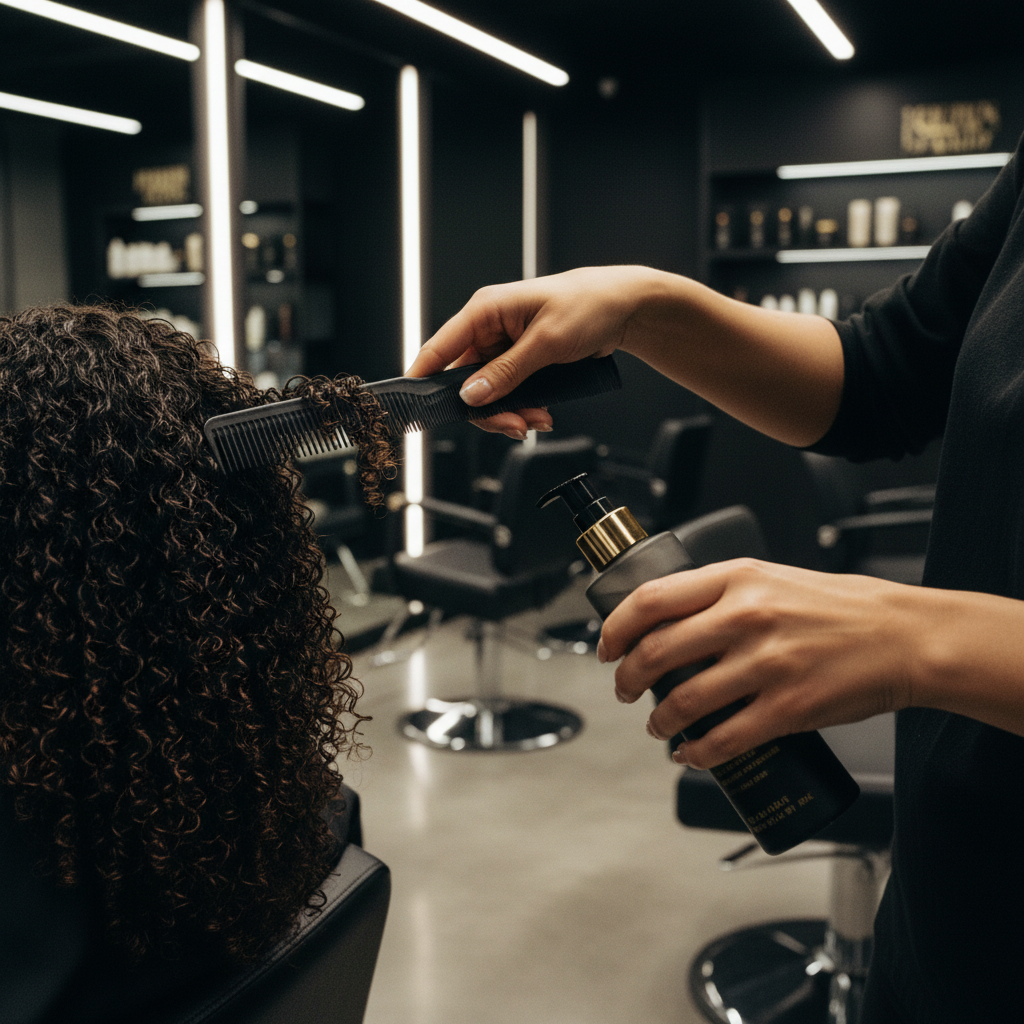
Quick answer: To effectively stop curly hair from frizzing, focus on ensuring adequate hydration, using gentle cleansing and styling techniques, and selecting products that seal the hair's cuticle and protect against humidity. While these methods can significantly reduce frizz, individual results may vary based on hair porosity, environmental humidity, and underlying hair health. This guide will show you how to stop curly hair from frizzing by understanding its causes and applying proven techniques.
Key takeaways
- Frizz is primarily caused by a raised hair cuticle seeking moisture from humid air, a common characteristic in curly hair due to its structure.
- Hydration is paramount: Properly moisturised hair is less likely to absorb external humidity and swell, which is a key step in how to stop curly hair from frizzing.
- Gentle handling is crucial: Aggressive drying, brushing, or manipulation can lift the cuticle, exacerbating frizz.
- Product selection matters: Using sulfate-free cleansers, rich conditioners, leave-in products, and stylers that form a protective cast can help seal the cuticle.
- Environmental factors like humidity play a significant role, requiring specific strategies like anti-humectant products or protective styling.
- Understanding your hair's porosity can help tailor your routine for more effective frizz control.
How to stop curly hair from frizzing: what the evidence shows
Frizz in curly hair is a common challenge, but understanding its scientific basis offers clear pathways to control it. The primary mechanism behind frizz involves the hair's outermost layer, the cuticle. When the cuticle is lifted or damaged, it allows moisture from the surrounding air (humidity) to penetrate the hair shaft. This influx of water causes the hair fibre to swell unevenly, leading to a rough, undefined, and "frizzy" appearance. Curly hair is particularly susceptible to frizz because its natural bends and coils make it more difficult for the scalp's natural oils (sebum) to travel down the entire length of the hair shaft, often resulting in drier hair overall. This dryness, coupled with the inherent structure, means the cuticle is more prone to being raised, making how to stop curly hair from frizzing a critical aspect of curly hair care.
The mechanism of frizz: why curls frizz
Curly hair fibres have an elliptical or oval cross-section, unlike the more circular shape of straight hair. This unique structure contributes to the natural twists and turns. However, it also means the cuticle scales, which ideally lie flat like shingles on a roof, are less uniformly arranged and more prone to lifting. When the hair fibre is dry, or the surrounding air has a high moisture content (high humidity), the hair seeks to achieve equilibrium by absorbing water. This absorption is more pronounced in areas where the cuticle is raised, leading to uneven swelling and the characteristic frizzy texture. Damage from chemical treatments, heat styling, or mechanical friction (like harsh towel drying) can further lift and disrupt the cuticle, worsening the problem.
Key factors contributing to frizz:
- Humidity: High environmental moisture causes dry hair to absorb water and swell, leading to frizz. The hair attempts to balance its internal moisture with external humidity.
- Dryness: Hair that lacks sufficient internal moisture will aggressively draw in water from the atmosphere, swelling and becoming frizzy. Dryness can be due to insufficient conditioning, harsh cleansing, or natural hair porosity.
- Damage: The outer layer of the hair, the cuticle, can become rough or lifted due to heat, chemical processes (like colouring or perms), and physical abrasion. A compromised cuticle cannot effectively seal the hair shaft, making it vulnerable to humidity.
- Friction: Rubbing hair vigorously with a towel, aggressive brushing, or even constant manipulation can physically lift the cuticle scales, creating frizz. Sleeping on cotton pillowcases can also cause friction.
- Hair Porosity: Hair with high porosity has a more open cuticle, allowing water to enter and exit easily. This makes it more prone to frizz in humid conditions, as it readily absorbs atmospheric moisture.
What the evidence does not definitively show
While personal anecdotes abound, controlled research has not found that specific water temperatures (e.g., cold water rinses) directly "close" the cuticle in a permanent or significant way that drastically impacts frizz long-term beyond the immediate styling process. The benefit of cool rinses is often attributed to helping flatten the cuticle temporarily and improving shine by reflecting light more evenly. Similarly, while certain ingredients are marketed as "anti-frizz," the effectiveness largely depends on their ability to form a protective film or condition the hair, rather than any unique "frizz-fighting" molecular action beyond these known cosmetic effects. There is also insufficient evidence to suggest that specific dietary changes directly impact the physical structure of the hair fibre in a way that prevents frizz, though overall nutrition is important for healthy hair growth.
How to stop curly hair from frizzing: practical steps
Addressing frizz requires a multi-pronged approach focused on hydration, gentle handling, and strategic product use. These steps are crucial to learning how to stop curly hair from frizzing effectively.
1. Gentle cleansing and conditioning
Start with a sulfate-free shampoo. Sulfates, common cleansing agents, can be effective but may strip natural oils, leading to hair dryness. A sulfate-free alternative cleanses without excessively removing the hair's natural moisture barrier, which is vital for frizz control. Follow with a rich, hydrating conditioner. Conditioners contain cationic surfactants and humectants that smooth the cuticle, add moisture, and reduce static electricity. Apply generously, focusing on mid-lengths and ends. Detangle hair gently with your fingers or a wide-tooth comb while the conditioner is in, working from ends upwards. This prevents mechanical damage. Rinsing with lukewarm water, rather than very hot, helps prevent excessive cuticle opening. For more information, see Choosing the Right Shampoo and The Science of Conditioners.
2. Proper drying techniques
After washing, gently squeeze excess water from your hair. Avoid rubbing vigorously with a terrycloth towel, which creates friction and roughs up the cuticle. Instead, use a microfibre towel or an old cotton T-shirt to gently blot and scrunch water out. These materials are softer and absorb water without disrupting the curl pattern or lifting the cuticle. For those with afro-textured hair, consider techniques detailed in How to Detangle Afro Hair Without Breakage.
3. Layering leave-in products for hydration and protection
While hair is still damp, apply a leave-in conditioner. This provides a foundational layer of moisture and helps to smooth the cuticle. Distribute evenly by scrunching or raking through. Follow with a curl cream or lotion. These products often contain emollients and humectants to further hydrate, define curls, and provide a light hold. They are designed to lock in moisture before frizz has a chance to set in. For insights into how these ingredients work, explore Hair Hydration and Hair Moisturizers.
4. Sealing with stylers
Next, apply a hair gel or mousse. This step is critical for forming a "cast" around your curls. The cast helps to hold the curl shape, reduces movement that can lead to frizz, and forms a barrier against humidity. Apply by scrunching upwards towards the scalp. The amount needed varies by hair thickness and curl type. Once completely dry, you can "scrunch out the crunch" (SOTC) to reveal soft, defined curls. This breaking of the cast releases the curl while maintaining definition and frizz protection.
5. Drying with a diffuser or air drying
Air drying is often the gentlest option, minimising heat exposure and mechanical manipulation. If using a blow-dryer, always use a diffuser attachment on a low heat and low speed setting. Diffusers disperse the airflow, preventing harsh, direct heat and preserving the curl pattern. Gently cup sections of hair in the diffuser bowl, lifting towards the scalp. Avoid disturbing the curls until they are fully dry to prevent frizz. For best practices, refer to Heat Styling Safety Best Practices.
6. Night-time protection
To maintain frizz-free curls overnight, consider sleeping on a silk or satin pillowcase or wearing a silk bonnet. These materials create less friction than cotton, reducing cuticle disturbance and moisture loss. "Pineappling" your hair (gathering curls loosely on top of your head) can also help preserve curl definition and minimise flattening and frizz.
When the cause may be something else or when to get professional advice
If, despite consistent application of frizz-control techniques, your hair remains persistently frizzy, it might indicate underlying issues beyond simple humidity response. Severe or sudden changes in frizziness, particularly when accompanied by increased hair shedding or breakage, could signal problems such as significant hair damage from chemical treatments (Hair Damage: Causes, Signs, and Solutions), underlying scalp conditions (Understanding Scalp Health), or even nutritional deficiencies. If you suspect your frizz is linked to breakage, a change in hair texture, or persistent scalp irritation, it's advisable to consult a trichologist or dermatologist. They can assess your hair and scalp health, identify any medical conditions, and provide tailored advice.
Watermans and frizz control
Watermans haircare products are formulated with ingredients designed to support hair health and manage common concerns like frizz. For example, Watermans shampoo and conditioner contain ingredients that help hydrate the hair, smooth the cuticle, and improve overall hair condition, which are fundamental steps in managing frizz. Their leave-in treatments are designed to provide additional moisture and protection, creating a barrier against environmental humidity. By incorporating Watermans products into a comprehensive frizz-control routine that prioritises gentle handling and consistent hydration, you can support your hair's health and achieve smoother, more defined curls.
Frequently asked questions about How to stop curly hair from frizzing
What are humectants, and do they help stop curly hair from frizzing?
Humectants are ingredients that attract and hold onto moisture from the air, like glycerin and hyaluronic acid. In moderate humidity, they can draw moisture into the hair, enhancing hydration and reducing frizz. However, in very high humidity, some humectants can draw too much moisture into the hair shaft, potentially causing it to swell and frizz further. In very low humidity, they can draw moisture out of the hair. It's about balance and understanding your environment; for more detail, see Humectants.
Can hair porosity affect how to stop curly hair from frizzing?
Absolutely. Hair porosity refers to how easily your hair cuticle absorbs and retains moisture. High porosity hair has a more open cuticle, making it absorb moisture quickly but also lose it quickly. This makes it more prone to frizz in humid conditions. Low porosity hair has a tightly closed cuticle, resisting moisture absorption but retaining it well once penetrated. Understanding your porosity helps you choose the right products and techniques to effectively manage frizz, as detailed in Understanding Hair Porosity.
Is "scrunching out the crunch" necessary for frizz control?
"Scrunching out the crunch" (SOTC) refers to gently breaking the hard cast formed by gel or mousse once hair is completely dry. This step isn't strictly necessary for frizz control itself, as the cast provides the protection. However, SOTC reveals softer, more flexible, and natural-feeling curls without compromising the frizz barrier. It's a preference for aesthetic and tactile reasons rather than a functional frizz-fighting step.
Does hard water contribute to frizz, and how can I stop curly hair from frizzing then?
Yes, hard water can contribute to frizz. Hard water contains high levels of dissolved minerals, primarily calcium and magnesium. These minerals can build up on the hair shaft, leaving a residue that prevents moisture from penetrating and can also make the hair feel rough, leading to a lifted cuticle and increased frizz. Using a chelating or clarifying shampoo periodically can help remove this mineral buildup. For more information, see Hard Water and Hair Damage.
Why does my hair still frizz after applying products?
Several factors could explain why your hair still frizzes. You might not be using enough product, or the products aren't suited to your hair's needs (e.g., not enough hold for your curl type or environment). Application technique is also key; ensuring even distribution while hair is wet is crucial. Furthermore, environmental humidity might be exceptionally high, or your hair might be experiencing damage that makes it harder to seal the cuticle. Re-evaluating your routine and product choices might be necessary.
Can diet impact how to stop curly hair from frizzing?
While a balanced diet is essential for overall hair health and growth, there is no direct scientific evidence to suggest that specific dietary changes can directly impact the physical structure of the hair fibre in a way that prevents or stops frizz. Frizz is primarily a physical and environmental phenomenon related to hair structure and moisture balance. However, good nutrition supports strong hair, which is less prone to breakage and damage, indirectly helping maintain a smoother cuticle.
Conclusion
Learning how to stop curly hair from frizzing is a journey that involves understanding the unique needs of your hair, embracing gentle care practices, and selecting the right products. By focusing on maintaining optimal hydration, protecting the hair's cuticle from damage and friction, and shielding it from excessive humidity, you can significantly reduce frizz and enhance the definition and smoothness of your curls. Consistency in your routine and a willingness to adapt to your hair's responses and environmental conditions are key to achieving lasting frizz control. This comprehensive approach empowers you to manage frizz effectively and showcase your beautiful, healthy curls.
Sources and references
- American Academy of Dermatology Association. (n.d.). Hair care: How to shampoo and condition. AAD.org.
- Gavazzoni Dias, M. F. R. (2015). Hair Cosmetics: An Overview. International Journal of Trichology, 7(1), 2-15. DOI: 10.4103/0974-7753.153987
- Robbins, C. R. (2012). Chemical and Physical Behavior of Human Hair (5th ed.). Springer. ISBN: 978-3642256111
- National Center for Biotechnology Information (NCBI) / PubMed. (Ongoing research and reviews on hair structure and cosmetics).
- British Association of Dermatologists. (n.d.). Hair problems.
- NHS. (n.d.). Hair loss (information on general hair health and when to seek advice for concerns related to hair).
- ScienceDirect. (Various scientific articles and reviews on hair science, cuticle structure, and cosmetic ingredient efficacy).