Hair Damage Prevention: An Evidence-Based Guide to Protecting Your Hair
13 min read ·
Hair Damage Prevention involves understanding the causes of damage and adopting evidence-backed strategies to protect the hair fibre, maintain its structural integrity, and promote overall health.
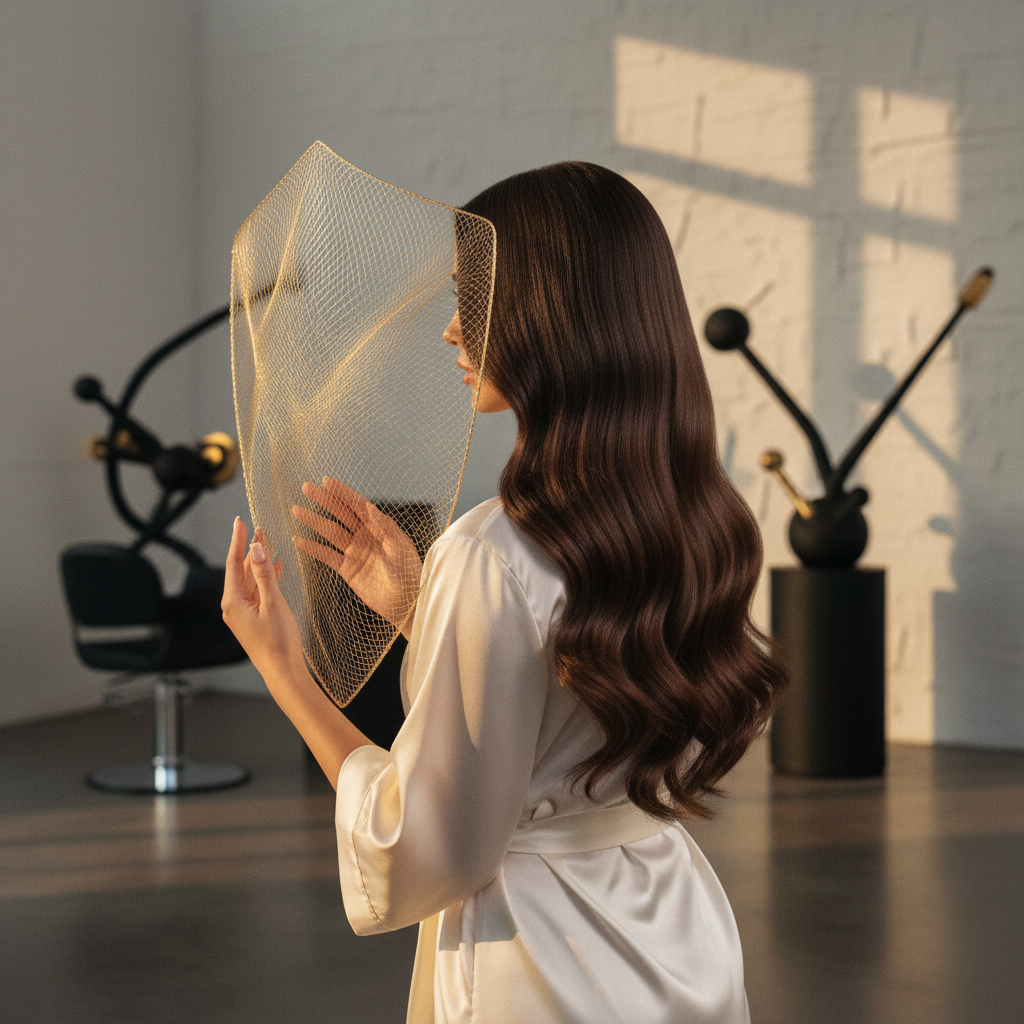
Quick answer: Hair Damage Prevention involves understanding the primary causes of mechanical, chemical, and thermal stress on the hair fibre and implementing evidence-backed strategies to minimise these stressors. This approach focuses on maintaining the hair's structural integrity and cuticle health, though it cannot reverse existing damage to the hair shaft or prevent genetically determined hair loss conditions. Effective strategies aim to reduce breakage, improve condition, and promote a healthier appearance.
Key takeaways
- Hair damage often starts with the cuticle, the hair's outermost protective layer, becoming lifted or compromised, leading to moisture loss and protein degradation.
- Damage can stem from mechanical stress (rough handling), chemical processes (colouring, perming), and thermal exposure (heat styling, UV radiation).
- Effective Hair Damage Prevention involves gentle handling, appropriate chemical treatment practices, regular use of heat protection, and a supportive hair care routine.
- A balanced diet rich in proteins, vitamins, and minerals supports the underlying health of hair, contributing to its resilience.
- While prevention can significantly reduce breakage and improve hair's appearance, it does not treat follicular hair loss or alter genetic predispositions.
Hair Damage Prevention: what the evidence shows
Hair Damage Prevention focuses on maintaining the integrity of the hair shaft, which is primarily composed of keratin proteins. The hair's outermost layer, the cuticle, acts as a protective shield. When this shield is compromised by physical, chemical, or thermal aggressors, the internal cortex is exposed, leading to moisture loss, protein degradation, and a weakened hair fibre prone to breakage. Understanding these mechanisms is fundamental to effective prevention.
The mechanism of hair damage
Each hair strand has three layers: the cuticle, cortex, and sometimes the medulla. The cuticle, formed by overlapping scale-like cells, protects the inner cortex. A healthy cuticle lies flat, reflecting light and making hair appear smooth and shiny. The cortex, the thickest layer, contains keratin proteins that provide strength and elasticity, and melanin, which gives hair its colour. The innermost medulla is not always present and its role in hair health is less clear.
Damage occurs when the cuticle scales are lifted, chipped, or eroded. This can expose the cortex, allowing essential moisture to escape and leading to the degradation of keratin proteins. The result is hair that feels rough, appears dull, is more porous, and is highly susceptible to snapping or splitting along the shaft. This is hair breakage, distinct from hair shedding (hair leaving the follicle) or hair loss (follicular conditions like alopecia).
Common causes of hair damage
Hair damage is typically classified into three main categories: mechanical, chemical, and thermal.
Mechanical damage
This type of damage results from physical stress or friction applied to the hair fibre.
- Aggressive Brushing and Combing: Forceful detangling, especially on wet hair, can stretch and break strands. Wet hair is more vulnerable because water temporarily weakens the hydrogen bonds within the keratin structure, making it more elastic and fragile. Studies indicate that wet hair can stretch up to 30% of its length before breaking, compared to dry hair which is less extensible but still vulnerable to friction (Robbins, 2012).
- Tight Hairstyles: Constant pulling from hairstyles like tight braids, ponytails, or buns can place sustained tension on the hair shaft. While this primarily causes hair breakage, prolonged tension near the scalp can contribute to traction alopecia, a form of hair loss where the follicle itself is damaged (Springer et al., 2003).
- Rough Towel Drying: Vigorously rubbing hair with a towel creates friction that can lift and abrade the cuticle, leading to frizz and increased potential for breakage. The use of traditional cotton towels can be particularly harsh due to their fibre structure.
Chemical damage
Chemical treatments alter the hair's internal structure to change its shape or colour. If not managed carefully, these processes can significantly compromise hair integrity.
- Colouring and Bleaching: These processes use alkaline agents to open the cuticle and oxidative chemicals (like hydrogen peroxide) to penetrate the cortex. Bleaching is particularly aggressive, oxidising melanin and breaking disulfide bonds within the keratin, often leaving hair more porous, brittle, and prone to breakage (Gavazzoni Dias, 2015). Even semi-permanent colours can cause some degree of cuticle lift.
- Perming and Relaxing: These treatments permanently restructure the hair by breaking and then reforming disulfide bonds. Improper application, excessive processing time, or frequent repetition can severely weaken the hair fibre, leading to significant dryness and breakage (Gavazzoni Dias, 2015).
- Chemical Straighteners: Products containing ingredients like formaldehyde or glyoxylic acid can create new bonds or modify existing ones to straighten hair. While effective, they can lead to fibre damage if not applied correctly or if the hair is already weakened.
Thermal damage
Heat styling tools and environmental heat sources can cause significant damage by rapidly dehydrating the hair and altering protein structures.
- Blow Dryers, Straighteners, and Curling Irons: Direct heat from these tools can quickly evaporate moisture from the hair, leading to dehydration. Temperatures exceeding 175°C (347°F) can cause denaturation of keratin proteins, leading to structural changes and increased fragility. Repeated exposure above 200°C (392°F) can lead to significant protein degradation and fibre damage (Lee et al., 2011).
- Excessive Sun Exposure (UV Radiation): Ultraviolet (UV) radiation breaks down proteins and lipids within the hair fibre and can fade hair colour, especially in colour-treated hair. Prolonged exposure causes dryness, loss of elasticity, and increased surface damage (Miyamoto et al., 2007).
Signs of hair damage
Recognising the signs of hair damage is crucial for implementing timely Hair Damage Prevention strategies. Look for:
- Breakage: Hair strands snapping off, often seen as short pieces on clothes or brushes. This is distinct from hair shedding from the root.
- Split Ends: The hair fibre splitting into two or more sections at the tip.
- Dryness and Roughness: Hair that feels coarse, lacks moisture, and is difficult to comb.
- Dullness: A lack of shine, indicating a lifted or uneven cuticle surface.
- Increased Porosity: Hair that absorbs water quickly but also dries very fast, due to gaps in the cuticle layer.
- Frizz: Hairs standing out from the main body of hair, often a sign of cuticle damage and moisture imbalance (see Dealing with Frizzy Hair and How to Reduce Frizz in Hair).
Effective Hair Damage Prevention strategies
Preventing hair damage requires a consistent, multi-faceted approach. These strategies aim to protect the hair fibre from daily stressors.
Gentle hair handling and styling
- Detangle Carefully: Always detangle hair gently, starting from the ends and working your way up to the roots. Use a wide-toothed comb or a brush designed for detangling. For very tangled or curly hair, consider detangling when wet and coated with conditioner to reduce friction, as outlined in How to Detangle Afro Hair Without Breakage. The friction generated during combing can be significant; a study on hair friction noted the importance of lubrication (Schwartz et al., 1999).
- Air Dry or Blot Gently: Whenever possible, allow hair to air dry partially or completely. If using a towel, gently blot or squeeze excess water with a soft microfibre towel instead of rubbing vigorously. Microfibre towels can reduce friction and minimise cuticle disruption compared to standard cotton towels.
- Loose Hairstyles: Opt for loose hairstyles that minimise tension on the hair follicles and hair shaft. Avoid tight elastic bands; use scrunchies or hair ties made of silk or satin to reduce friction and potential for breakage.
Chemical treatment best practices
For any chemical process, responsible application is key to Hair Damage Prevention.
- Professional Application: Always seek professional stylists for chemical treatments like colouring, bleaching, perming, or relaxing. Experienced professionals have the knowledge and tools to minimise damage by assessing hair condition, choosing appropriate formulations, and applying products correctly. They can also advise on necessary pre- and post-treatment care.
- Follow Aftercare Instructions: Adhere strictly to professional aftercare advice. This often includes using specific shampoos (e.g., sulfate-free to preserve colour, see Sulfate-Free Shampoo Benefits) and conditioners to restore moisture and protein balance.
- Conditioning and Repair: Regular deep conditioning treatments are vital after chemical services to replenish moisture and strengthen the hair fibre. Look for products containing hydrolysed proteins (like Hydrolysed Wheat Protein) and humectants (see Humectants: Understanding How They Hydrate and Protect Your Hair) to help repair and protect the hair.
Heat protection and styling
Minimising heat exposure is a critical aspect of Hair Damage Prevention.
- Use Heat Protectants: Always apply a heat protectant spray or serum before using heat styling tools. These products typically contain polymers, silicones, and often hydrolysed proteins that form a protective barrier on the hair surface, slowing heat conduction and reducing direct thermal damage. They can also contain humectants to prevent excessive moisture loss (Gavazzoni Dias, 2015).
- Temperature Control: Use heat styling tools on the lowest effective temperature setting. Modern tools often have adjustable temperature controls. Higher settings are rarely necessary for good results and significantly increase the risk of protein denaturation and fibre damage. Refer to Heat Styling Safety Best Practices for detailed guidance.
- Limit Frequency: Reduce the frequency of heat styling. Explore heat-free styling methods or allow hair to air dry more often to give hair a break from thermal stress.
- UV Protection: Protect hair from prolonged sun exposure, particularly in strong UV conditions. Use hair products with UV filters or wear a hat. UV damage can be as detrimental as heat styling over time.
Product choices and routine
The products you use and how you use them play a significant role in Hair Damage Prevention.
- Gentle Cleansing: Choose shampoos that cleanse effectively without stripping natural oils. Sulfate-free shampoos are often recommended for colour-treated or dry hair (see The Benefits of Sulfate-Free Hair Products). The frequency of washing should be tailored to your hair type and lifestyle; overwashing can lead to dryness.
- Conditioning is Key: Always follow shampooing with a conditioner to smooth the cuticle, replenish moisture, and reduce friction during detangling. Leave-in conditioners provide continuous hydration and protection. For more information, see The Science of Conditioners and Choosing the Right Hair Conditioner.
- Moisturising Ingredients: Look for products containing ingredients known for their hydrating properties, such as hyaluronic acid, glycerin, argan oil, shea butter, and panthenol. These ingredients help attract and retain moisture within the hair fibre (see Hair Hydration and Hair Moisturizers).
- Protein Treatments: Incorporate occasional protein treatments if your hair feels weak, brittle, or lacks elasticity. These can temporarily strengthen the hair fibre by filling in gaps in the cuticle. However, excessive protein can lead to stiffness and increased breakage, so use them in moderation and balance with moisturising treatments.
- Manage Scalp Health: A healthy scalp provides the optimal environment for healthy hair growth (see Understanding Scalp Health). Address issues like dandruff, excessive oiliness (see Oily Scalp Care), or dryness, as these can indirectly impact hair quality.
When the cause may be something else
While this article focuses on Hair Damage Prevention to the hair fibre, it's important to distinguish this from hair loss or excessive hair shedding, which originate from the hair follicle.
- Hair Loss (Alopecia): Conditions like androgenetic alopecia, alopecia areata, or cicatricial alopecia are complex medical conditions affecting the hair follicles themselves, leading to reduced hair growth or permanent loss. Hair Damage Prevention strategies will not treat these conditions.
- Hair Shedding (Telogen Effluvium): An increase in hair shedding from the scalp can be triggered by stress, illness, hormonal changes (e.g., postpartum), certain medications, or nutritional deficiencies. This is a temporary increase in the number of hairs entering the resting (telogen) phase and falling out. While good hair care supports overall hair health, it doesn't address the underlying trigger for telogen effluvium.
- Medical Conditions: Underlying medical conditions such as thyroid disorders, autoimmune diseases, or iron deficiency can impact hair health, leading to thinning, dryness, or excessive shedding. If you experience sudden or significant changes in your hair that don't seem related to external damage, consult a healthcare professional.
When to get professional advice
If you are experiencing significant hair breakage that doesn't improve with consistent Hair Damage Prevention methods, or if you notice unusual hair thinning, excessive shedding from the root, or scalp concerns like persistent itching, redness, or scaling, it's advisable to seek professional help.
A dermatologist or trichologist can diagnose the underlying cause of your hair or scalp concerns. They can differentiate between hair shaft damage, follicular hair loss, and other medical conditions, providing tailored advice and treatment options.
Frequently asked questions about Hair Damage Prevention
How often should I wash my hair for Hair Damage Prevention?
The ideal washing frequency depends on your hair type, scalp oiliness, and activity level. Overwashing can strip natural oils, leading to dryness, while under-washing can lead to product build-up and scalp issues. Most people benefit from washing every 2 to 3 days. Adjust based on how quickly your hair gets oily or feels dirty, focusing on gentle cleansing.
Can hair products truly repair damaged hair?
Hair products cannot truly "repair" existing damage in the same way skin heals. Hair fibre is non-living. However, many products, especially conditioners and treatments, can temporarily improve the appearance and feel of damaged hair by smoothing the cuticle, filling in gaps with proteins, and providing moisture. This makes hair more manageable and less prone to further breakage.
Is hard water a significant factor in hair damage?
Yes, hard water can contribute to hair damage. The high mineral content, particularly calcium and magnesium ions, can build up on the hair, making it feel rough, dull, and brittle. These mineral deposits can also interfere with colour treatments and hinder effective cleansing, potentially increasing friction and breakage (see Hard Water and Hair Damage).
What role does diet play in Hair Damage Prevention?
A balanced diet is crucial for healthy hair growth from the follicle. Hair is primarily made of protein, so adequate protein intake is essential. Key vitamins and minerals like biotin, iron, zinc, and vitamins A, C, D, and E support hair strength and resilience. Deficiencies in these nutrients can lead to weaker, more fragile hair and impact the Hair Damage Prevention efforts.
Are natural oils better for Hair Damage Prevention than silicones?
Both natural oils and silicones can play a role in Hair Damage Prevention. Natural oils (e.g., coconut, argan, jojoba) penetrate the hair shaft or sit on the surface, providing moisture and lubrication. Silicones form a protective film, smoothing the cuticle, reducing friction, and offering shine. The "better" choice depends on hair type and desired outcome; a combination can often be beneficial.
Optimising your Hair Damage Prevention routine
Implementing consistent Hair Damage Prevention strategies is crucial for maintaining strong, healthy, and vibrant hair. By understanding the causes of mechanical, chemical, and thermal damage, and adopting gentle handling, appropriate product choices, and protective measures, you can significantly reduce breakage and improve the overall condition of your hair. Remember that true hair health starts with careful, informed choices.
Watermans solutions for Hair Damage Prevention
Watermans products are formulated to support healthy hair and minimise potential for damage, particularly focusing on strengthening the hair and optimising scalp health, which contributes to Hair Damage Prevention.
- Watermans Grow Me® Shampoo and Conditioner: These products contain hydrolysed lupin protein, which can help fortify hair strands, reducing breakage and improving elasticity. Regular use helps to maintain the hair's structural integrity against daily stressors. The formulations are designed to cleanse gently while delivering beneficial ingredients to both the hair and scalp.
- Watermans Elixir Hair Growth Serum: This serum provides targeted nourishment to the scalp, promoting a healthy environment for hair growth. A healthy scalp is foundational for strong hair that is less prone to damage from the root. Ingredients like rosemary extract are included for their potential to stimulate the scalp.
- Watermans Hair Vitamins: These supplements provide essential nutrients like biotin, zinc, and selenium, which are vital for healthy hair growth and strength. By ensuring adequate internal nourishment, they support the hair's natural resilience, complementing external Hair Damage Prevention efforts.
Sources and references
- Gavazzoni Dias, M. F. R. (2015). Hair Cosmetics: An Overview. International Journal of Trichology, 7(1), 2-15. DOI: 10.4103/0974-7753.153927
- Lee, Y., Kim, Y. D., Pi, L. Q., Lee, W. S., & Chung, H. J. (2011). Hair shaft damage from heat and drying time of hair dryer. Annals of Dermatology, 23(4), 455 to 463. DOI: 10.5021/ad.2011.23.4.455
- Miyamoto, M., Morita, S., Kosaka, T., Tsuboi, H., & Nishiyama, T. (2007). Damage of human hair by sun exposure. Journal of Cosmetic Science, 58(1), 11-19.
- Robbins, C. R. (2012). Chemical and Physical Behavior of Human Hair (5th ed.). Springer. ISBN: 978-3-642-25611-1.
- Schwartz, J. R., et al. (1999). The effect of combing on hair friction. Journal of the Society of Cosmetic Chemists, 50(2), 79-91.
- Springer, K., Brown, M., Stulberg, D. L., & Khachemoune, A. (2003). Traction alopecia. Journal of the American Academy of Dermatology, 48(4), 629 to 631. DOI: 10.1067/mjd.2003.111
Find these ingredients in Watermans products
- Shea Butter: you will find this ingredient in our Curly Hair Conditioner.