Chemical Hair Treatments: What They Are and How They Affect Hair
13 min read ·
Chemical Hair Treatments use specific chemical solutions to alter hair structure for colouring, straightening, waving, or conditioning, with effects depending on the chemicals, hair condition, and technique.
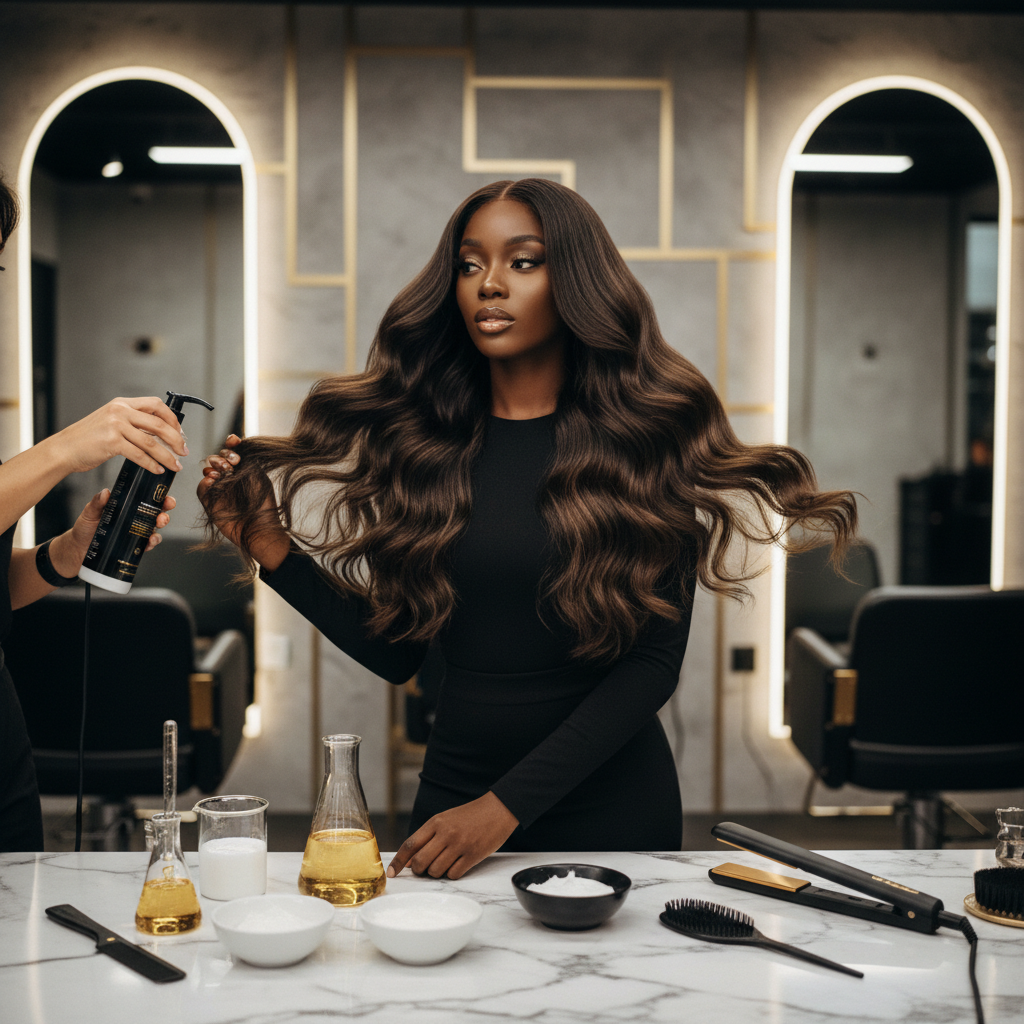
Quick answer: Chemical Hair Treatments involve using specific chemical solutions to deliberately alter the internal structure of your hair, leading to changes in its colour, texture (straightening or waving), or condition. While these treatments can achieve significant cosmetic transformations, they inherently involve chemical processes that can impact hair health, making proper understanding and aftercare crucial for maintaining hair integrity and appearance.
Key takeaways
- Chemical Hair Treatments deliberately modify the hair's internal structure through chemical reactions to change colour, straighten, or curl.
- They primarily work by breaking and reforming the strong disulfide bonds within the hair fibre, often alongside temporary changes to weaker hydrogen and salt bonds.
- Common types include colouring (permanent, demi-permanent, bleaching), straightening (relaxers, thermal straightening, keratin treatments), and permanent waving (perms).
- Because these treatments alter the hair's natural chemistry, they can increase porosity and susceptibility to damage, making diligent aftercare essential.
- Choosing the right treatment for your hair type and condition, and having it performed by a trained professional, is vital for managing risks.
- Hair treated with chemicals often requires a dedicated care routine to restore moisture, reinforce protein structure, and protect against further environmental stressors.
Chemical Hair Treatments: what the evidence shows
Chemical Hair Treatments are salon-based processes that use specific chemical formulations to alter the hair's natural state. This can involve changing the hair's colour, permanently restructuring its texture to make it straighter or curlier, or deeply infusing it with conditioning agents. The effectiveness and impact of these treatments are heavily influenced by the specific chemicals used, the hair's existing condition, and the skill of the person applying the treatment.
How Chemical Hair Treatments work: altering hair structure
Your hair is primarily made of a protein called keratin. Within each hair fibre, these keratin proteins are held together by different types of bonds, each contributing to the hair's strength and shape:
- Disulfide Bonds: These are the strongest and most resilient bonds in your hair. They are covalent bonds between sulphur atoms in the amino acid cysteine. Disulfide bonds are crucial for the hair's overall strength and permanent shape. Chemical treatments like permanent waving (perms) and chemical straightening (relaxers, Japanese thermal straightening) specifically target and break these bonds, then reform them in a new configuration to permanently alter the hair's texture.
- Hydrogen Bonds: Weaker than disulfide bonds, hydrogen bonds are easily broken by water and heat. This is why a wet set or a heat style, like curling with tongs, is temporary; the hydrogen bonds reform once the hair cools or dries. Some chemical treatments temporarily influence hydrogen bonds during the process to help reshape the hair, but the permanent change comes from disulfide bond manipulation.
- Salt Bonds: Also relatively weak, salt bonds are sensitive to changes in pH. Many chemical treatments operate at either very high (alkaline) or very low (acidic) pH levels to help open the hair's cuticle and facilitate the chemical reactions needed to alter its structure. Adjusting the pH can temporarily disrupt salt bonds.
The core mechanism of many Chemical Hair Treatments involves using reducing agents to break the disulfide bonds and then oxidising agents (neutralisers) to reform them in a new, desired shape. This process changes the hair's primary structure, leading to a lasting alteration that grows out with new hair.
Types of Chemical Hair Treatments and their impact
Chemical Hair Treatments can be broadly grouped by their primary function, each with a distinct chemical approach and potential impact on hair health.
1. Hair Colouring Treatments
Hair colouring involves introducing artificial pigment into the hair shaft, which can lighten, darken, or significantly change the hair's hue. The mechanisms vary:
- Permanent Hair Colour: These treatments typically use an alkalising agent (like ammonia or monoethanolamine, MEA) to swell and open the hair's cuticle, allowing hydrogen peroxide (the developer or oxidiser) to penetrate and remove some natural melanin. At the same time, dye precursors enter the cortex and react with the developer to form larger, permanent colour molecules that cannot easily wash out. Permanent colours provide full grey coverage and allow for significant lightening. The pH is highly alkaline, often between 9 and 10, which can increase hair porosity and dryness over time. Maintaining colour-treated hair is essential for its longevity and health.
- Demi-Permanent Hair Colour: These use milder alkalising agents (often ethanolamine) and a lower volume of hydrogen peroxide. They deposit colour without significantly lifting the natural pigment and fade gradually over 24 to 28 shampoos. They offer less grey coverage and don't lighten hair effectively. Their pH is mildly alkaline, around 7 to 8, making them generally less damaging than permanent colours.
- Semi-Permanent Hair Colour: These treatments contain no ammonia or peroxide. They deposit colour molecules primarily onto the outside of the hair shaft and partially inside the cuticle. They cannot lighten hair and wash out within 4 to 12 shampoos. They are the gentlest form of colouring but offer no permanent change.
- Bleaching/Lightening: This is one of the most aggressive Chemical Hair Treatments. Bleach uses an alkaline agent (often ammonia or MEA) and a strong oxidiser (hydrogen peroxide) to strip the natural pigment (melanin) from the hair shaft. This process significantly swells the hair, forcefully opens the cuticle, and can degrade the internal protein structure if not managed carefully. Repeated or aggressive bleaching can lead to significant heat damaged hair, increased porosity, and breakage.
2. Hair Straightening and Smoothing Treatments
These treatments aim to reduce curl and frizz, resulting in straighter, smoother hair, with varying degrees of permanence and chemical intensity.
- Relaxers (Permanent Straightening): Predominantly used for tightly curled or coily hair, relaxers utilise strong alkaline chemicals, typically sodium hydroxide (lye relaxers) or guanidine hydroxide (no-lye relaxers), to permanently break and rearrange the disulfide bonds. Sodium hydroxide relaxers operate at a very high pH, often 12 to 14, making them extremely potent. This process results in permanently straight hair for the treated sections and is irreversible. Due to their potency, relaxers carry a significant risk of chemical burns to the scalp and severe hair damage or breakage if not applied expertly or if overlapping previously relaxed hair occurs.
- Japanese Thermal Straightening (Thermal Reconditioning/Rebonding): This permanent straightening method involves applying a chemical solution (often ammonium thioglycolate or similar reducing agents) to break disulfide bonds. After processing, the hair is thoroughly rinsed and then meticulously flat-ironed with high heat to physically reshape the softened bonds into a straight configuration. Finally, a neutraliser is applied to reform the bonds in their new, straight state. This treatment provides permanently straight hair on the treated sections, but new growth will retain its natural texture.
- Keratin Treatments (Brazilian Blowouts, Keratin Smoothings): These treatments typically involve applying a liquid keratin solution, often containing formaldehyde-releasing agents (e.g., methylene glycol) or alternative aldehyde compounds, to the hair. The solution is then sealed into the hair using high heat from a flat iron. While not true straighteners in the same way relaxers are, they significantly reduce frizz and loosen curl patterns for 3 to 6 months. The aldehydes create temporary cross-links within the hair's keratin structure, reinforcing it in a straighter, smoother form. Health concerns have been raised regarding formaldehyde exposure, leading to the development of aldehyde-free or low-aldehyde formulations. These treatments do not permanently break disulfide bonds but rather temporarily modify the hair's outer layer and some internal structure to achieve a smoother appearance.
3. Permanent Waving (Perms)
Perms use chemicals to create lasting waves or curls in hair that is naturally straight or has a looser curl pattern.
- Alkaline Perms (Cold Waves): These use ammonium thioglycolate with an alkaline pH (9.0 to 9.6). The alkaline solution swells the hair and enables the chemical to penetrate and break disulfide bonds. The hair is then wrapped around rods to create the desired curl pattern. A neutraliser (typically hydrogen peroxide) is then applied to oxidise and reform the disulfide bonds in the new shape. Alkaline perms produce strong, firm, and long-lasting curls.
- Acid Perms (Endothermic Perms): Acid perms utilise glyceryl monothioglycolate with an acidic pH (4.5 to 7.0) and require external heat (often from a hooded dryer) for processing. They are considered gentler than alkaline perms and produce softer, more natural-looking waves. They are often recommended for fine, delicate, or previously damaged hair.
4. Deep Conditioning Treatments (Professional Grade)
While many deep conditioners are cosmetic, professional-grade deep conditioning treatments can involve chemical interactions to repair or reinforce hair structure. These typically contain high concentrations of proteins, amino acids, lipids, or chelating agents. They penetrate the hair shaft to temporarily improve strength, elasticity, and shine by replenishing lost components or removing mineral build-up, especially useful after other Chemical Hair Treatments or for heat damaged hair. They do not permanently alter the hair's texture or colour.
Hair damage from Chemical Hair Treatments: signs and mechanisms
Chemical Hair Treatments, by their very nature, involve altering the hair's chemical composition, which can lead to various forms of damage if not performed correctly or if aftercare is neglected. This is not hair loss or hair shedding, but rather structural damage to the hair fibre itself.
- Increased Porosity: Most chemical treatments, especially those involving alkaline agents (like permanent colour, bleach, relaxers, and alkaline perms), lift the hair cuticle. This makes the hair more porous, meaning it can absorb and lose moisture more easily. Highly porous hair often feels rough, tangles easily, and can appear dull.
- Protein Degradation: Strong chemicals can break down the keratin proteins within the hair cortex, weakening the hair's internal structure. This can lead to a loss of elasticity, making the hair brittle and prone to breakage.
- Lipid Layer Depletion: The hair's natural lipid layer, which provides a protective barrier and contributes to shine, can be stripped away or damaged by harsh chemicals, leading to dryness and a rougher texture.
- Breakage: When hair is severely weakened by chemical processing, it can snap along the shaft. This is different from hair shedding (where the hair root detaches from the scalp) or hair loss (follicular issues like androgenetic alopecia).
- Dryness and Dullness: Damaged cuticles and depleted internal moisture result in hair that struggles to retain hydration, appearing dry, rough, and lacking shine.
What you can do: protecting and caring for chemically treated hair
Managing hair that has undergone Chemical Hair Treatments requires a focused approach to minimise damage and maintain its health and appearance.
- Prioritise Moisture and Protein Balance: Chemically treated hair often needs more moisture and can benefit from protein treatments to reinforce its weakened structure. Look for shampoos and conditioners specifically designed for treated or damaged hair. Hair masks used weekly can provide intensive conditioning.
- Gentle Cleansing: Use a sulfate-free shampoo to avoid stripping natural oils and colour. Consider a chelating shampoo periodically if you have hard water, as mineral build-up can affect colour and texture.
- Low Heat Styling: Minimise the use of heat styling tools and always apply a heat protection spray when you do. High heat can exacerbate chemical damage.
- Regular Trims: Trim split ends regularly to prevent them from travelling further up the hair shaft and causing more breakage.
- Professional Application: Always seek a qualified and experienced stylist for Chemical Hair Treatments. Incorrect application is a leading cause of damage.
- Avoid Over-Processing: Be transparent with your stylist about previous chemical treatments. Overlapping chemicals on already treated hair is a major cause of severe damage.
- pH-Balanced Products: Using products with an acidic pH (typically between 3.5 to 5.5) can help to seal the cuticle after chemical treatments, locking in moisture and colour and improving shine. Refer to The pH Scale and Hair for more information.
When to seek professional advice
If you experience significant hair breakage, unusual texture changes, persistent dryness, scalp irritation, or poor results after Chemical Hair Treatments, it is advisable to consult a professional stylist or a dermatologist. They can assess the extent of the damage, recommend appropriate in-salon treatments, or advise on scalp health issues.
Comparison of Common Chemical Hair Treatments
| Treatment Type | Primary Chemical Action | Result | Typical Duration | Potential Hair Impact |
|---|---|---|---|---|
| Permanent Hair Colour | Oxidative dyes, ammonia/MEA, hydrogen peroxide | Lasting colour change, grey coverage | Permanent on treated hair | Can increase porosity, dryness; cuticle lifting; protein degradation if over-processed. Requires Maintaining Colour-Treated Hair care. |
| Bleaching/Lightening | Ammonia/MEA, hydrogen peroxide | Removes natural pigment (lightens hair) | Permanent on treated hair | Significant cuticle damage, protein and lipid loss, high porosity, extreme dryness, major breakage risk. Often results in heat damaged hair. |
| Relaxers | Sodium hydroxide, guanidine hydroxide (strong alkalis) | Permanently straightens tightly curled/coily hair | Permanent on treated hair | High risk of chemical burns, severe protein degradation, significant breakage, irreversible damage if misused. |
| Japanese Thermal Straightening | Ammonium thioglycolate (reducing agent), heat, neutraliser | Permanently straightens hair | Permanent on treated hair | Significant protein bond alteration, potential for dryness and breakage, especially if heat is too high or overlapping occurs. |
| Keratin Treatments | Formaldehyde-releasing agents/aldehydes, heat | Reduces frizz, loosens curl, smooths hair | 3 to 6 months | Can temporarily coat hair, reduce frizz; concerns about chemical exposure (formaldehyde); potential for dryness if not maintained. |
| Permanent Waving (Perms) | Ammonium thioglycolate (alkaline) or glyceryl monothioglycolate (acid), neutraliser | Creates lasting waves or curls | Permanent on treated hair | Can increase porosity and dryness, alter hair texture; risk of damage if over-processed or applied to already weakened hair. |
Frequently asked questions about Chemical Hair Treatments
Do Chemical Hair Treatments cause hair loss?
No, properly performed Chemical Hair Treatments do not typically cause hair loss in the sense of affecting the hair follicle or leading to conditions like androgenetic alopecia. However, aggressive or improperly applied treatments can cause significant hair breakage, where the hair fibre snaps along the shaft. This can appear as thinning hair due to a reduction in hair density, but it is distinct from hair shedding or follicular hair loss.
How often can I get Chemical Hair Treatments?
The frequency depends on the specific treatment and your hair's condition. Permanent colour or relaxers are typically applied only to new growth, usually every 6 to 12 weeks, to avoid over-processing previously treated hair. Keratin treatments might be every 3 to 6 months. Frequent bleaching or permanent waving on already compromised hair is strongly discouraged due to the cumulative damage it can inflict. Always consult with a professional stylist.
Can I do Chemical Hair Treatments at home?
While some home kits are available, professional Chemical Hair Treatments are best left to trained stylists. The potent chemicals and precise application techniques involved mean a high risk of uneven results, scalp burns, or severe hair damage if done incorrectly. A professional can assess your hair's unique needs and tailor the treatment to minimise risks.
How can I protect my hair before a Chemical Hair Treatment?
Before a Chemical Hair Treatment, ensure your hair is in the best possible condition. Avoid harsh styling, excessive heat, and other chemical processes for a few weeks prior. Using nourishing hair masks and conditioners can help improve hair elasticity and moisture. Be honest with your stylist about your hair's history to ensure they choose the most appropriate and least damaging treatment for your hair type.
Are "natural" or "organic" chemical treatments safer?
Some products market themselves as "natural" or "organic," but it's crucial to remember that any product capable of permanently altering hair structure uses chemicals. These terms do not inherently mean a product is gentler or safer, especially if it still contains ingredients like ammonia, peroxide, or aldehyde compounds. Always check the ingredient list and rely on scientific evidence rather than marketing claims. The pH Scale and Hair helps understand ingredient impact.
Caring for your chemically treated hair with Watermans
After undergoing Chemical Hair Treatments, your hair's structure is altered, making it more vulnerable to dryness and breakage. Watermans haircare products are formulated to support hair strength and health, providing a gentle yet effective routine. Our sulphate-free shampoos and conditioners are designed to cleanse without stripping, helping to maintain your hair's natural oils and preserving colour longevity. For an extra boost of hydration and repair, the Watermans Masque Me Hair Mask offers intensive conditioning, working to smooth the cuticle and replenish moisture. If you frequently use heat styling post-treatment, Watermans Protect Me Heat Protection Spray creates a barrier against thermal damage, safeguarding your hair from additional stress. These products form part of a comprehensive aftercare strategy, focusing on hydration, protection, and gentle care to help your chemically treated hair look and feel its best.
Sources and references
- British Association of Dermatologists, Hair and Scalp Conditions. https://www.bad.org.uk/pils/hair-and-scalp-conditions/
- Journal of Cosmetic Science, various articles on hair structure and chemical treatments. (Year varies by specific article)
- L'Oréal Research and Innovation, internal research on hair chemistry and product development. (Various publications and patents)
- National Institute for Occupational Safety and Health (NIOSH), information on chemical exposures in salons. https://www.cdc.gov/niosh/
- The Cosmetic, Toiletry & Perfumery Association (CTPA), safety assessments of cosmetic ingredients. https://www.ctpa.org.uk/
- University Dermatology Departments, research and patient information on hair health. (E.g., University of Manchester, University of Pennsylvania) (Year varies by specific research)