How to Reduce Frizz in Wavy Hair: An Evidence-Based Guide
10 min read ·
Frizz in wavy hair occurs when the hair cuticle is raised, often due to a lack of moisture, allowing humidity to penetrate the hair shaft, and this guide explains how to reduce frizz in wavy hair using evidence-backed methods.
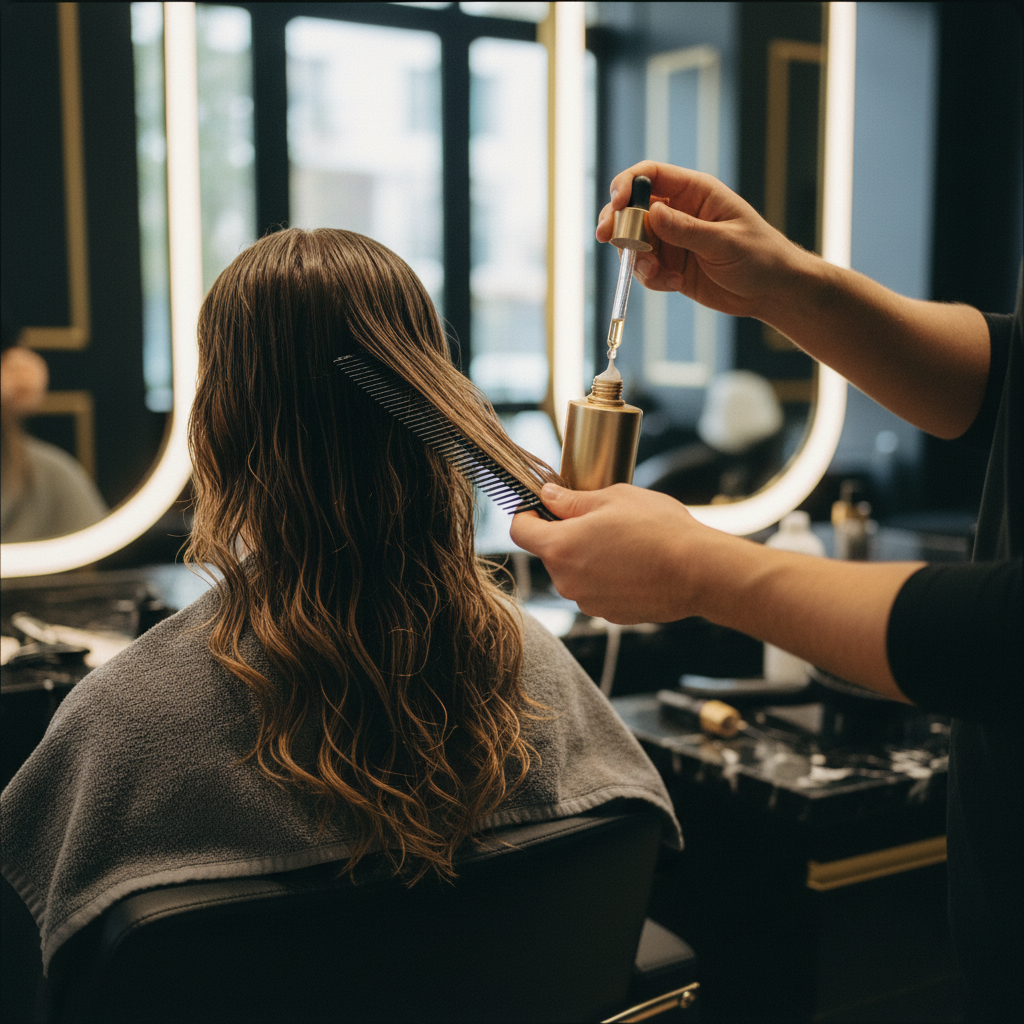
Quick answer: How to reduce frizz in wavy hair involves a multi-faceted approach focusing on moisture retention, gentle handling, and suitable product selection. Wavy hair is prone to frizz because its cuticle can be naturally more lifted than straight hair, making it susceptible to humidity. By understanding the hair's structure and its interaction with the environment, you can significantly reduce frizz. However, consistent care is essential, as frizz can resurface with changes in weather or hair health. Effective strategies include using hydrating products, avoiding harsh friction, and protecting hair from excessive heat and humidity.
Key takeaways
- Hydration is paramount: Frizz often signals a lack of moisture within the hair fibre. Regular use of hydrating shampoos, conditioners, and leave-in products is crucial.
- Gentle handling protects the cuticle: Aggressive towel drying, brushing dry hair, or harsh styling can lift the hair's outer layer (cuticle), leading to frizz. Opt for soft towels and wide-tooth combs on wet, conditioned hair.
- Product choice matters: Sulfate-free cleansers prevent stripping natural oils, while emollients and humectants in conditioners and stylers help seal the cuticle and draw moisture into the hair.
- Humidity management: In humid conditions, hair with a raised cuticle will absorb moisture from the air, causing swelling and frizz. Products that create a barrier or seal the cuticle can help.
- Minimise heat damage: Excessive heat styling can damage the hair's protein structure, making it porous and more prone to frizz. Air drying or using a diffuser on low heat is recommended.
How to reduce frizz in wavy hair: what the evidence shows
Frizz in wavy hair is primarily a structural and environmental issue. The outer layer of each hair strand, called the cuticle, consists of overlapping scales. When these scales lie flat, the hair appears smooth and shiny. However, when the cuticle scales lift, moisture from the atmosphere can penetrate the inner hair cortex, causing the hair fibre to swell unevenly, leading to a rough, tangled, or frizzy appearance. Wavy hair, by its nature, often has a more open cuticle structure compared to straight hair, making it inherently more susceptible to frizz, especially in humid conditions.
The primary mechanism behind frizz is a lack of moisture within the hair shaft, which causes the cuticle to seek hydration from the surrounding environment. This means that dry hair will actively absorb water from the air when humidity is high. Maintaining the hair's internal moisture balance and creating a smooth, sealed outer surface are key strategies to reduce frizz in wavy hair.
The role of humidity and hair porosity
Hair porosity refers to how easily your hair can absorb and retain moisture. High porosity hair has a very open cuticle, absorbing moisture quickly but also losing it quickly. Low porosity hair has a tightly closed cuticle, making it difficult for moisture to penetrate but also for it to escape. Wavy hair can exhibit varying degrees of porosity. In high humidity, hair with an open or damaged cuticle (often high porosity) will absorb water vapour from the air, causing the hair shaft to swell and become frizzy. This swelling can also disrupt the natural wave pattern, leading to a less defined look.
Understanding your hair's porosity can help you choose products that effectively hydrate and seal the cuticle. For instance, high porosity hair benefits from heavier butters and oils to seal the cuticle, while low porosity hair might prefer lighter products and heat to help absorption.
What you can do to reduce frizz in wavy hair
1. Gentle cleansing and conditioning
The foundation of frizz control for wavy hair begins in the shower. Using a sulfate-free shampoo is crucial. Sulfates are strong detergents that can strip the hair's natural oils, leaving it dry and with a raised cuticle. A gentle, sulfate-free cleanser, such as Watermans Grow Me Shampoo, helps to cleanse without removing essential moisture. Follow with a rich, hydrating conditioner, focusing on the mid-lengths and ends, such as Watermans Grow Me Conditioner. Conditioners work by smoothing down the cuticle and depositing moisturising agents and emollients that improve the hair's elasticity and shine. For an in-depth look, see our guide on The Science of Conditioners: How Hair Care Formulations Work.
2. Detangling with care
Wavy hair is fragile when wet. Always detangle after applying conditioner, using a wide-tooth comb or your fingers. Starting from the ends and working your way up prevents breakage and minimises cuticle disruption. Never brush wavy hair when it's dry, as this can separate the wave clumps and lead to a "frizzy halo".
3. Careful drying techniques
How you dry your hair significantly impacts frizz. Traditional terrycloth towels can create friction and rough up the cuticle. Instead, gently squeeze excess water from your hair and then blot it with a microfibre towel or a soft cotton T-shirt. This technique absorbs water without disturbing the cuticle or creating static. When using heat, a diffuser attachment on a hairdryer helps to disperse airflow, reducing direct heat impact and encouraging natural wave formation without frizz. Use the lowest heat setting possible to avoid thermal damage.
4. Product selection for frizz control
Appropriate styling products create a barrier against humidity and provide internal hydration. A leave-in conditioner applied to damp hair helps to seal the cuticle and provides ongoing moisture. Products containing humectants (like glycerin or hyaluronic acid) can draw moisture from the air into the hair in moderate humidity, but in very high humidity, they can cause hair to absorb too much moisture and frizz. Therefore, in very humid climates, opt for products that provide a strong seal. Sealants, such as light hair oils or serums, applied to the mid-lengths and ends, lock in moisture and add shine. Consider our articles on Humectants: Understanding How They Hydrate and Protect Your Hair and Hair Hydration: The Science Behind Keeping Hair Moist for more detailed information.
5. Protective styling and maintenance
Protecting wavy hair overnight can prevent friction and preserve wave patterns. Sleeping on a silk or satin pillowcase significantly reduces friction compared to cotton, minimising frizz and mechanical damage. You can also loosely "pineapple" your hair (gathering it in a high, loose ponytail on top of your head) to keep waves intact. Regular trims every 8 to 12 weeks help remove split ends, which can make hair look and feel rougher, contributing to a frizzy appearance.
When the cause may be something else
While most frizz in wavy hair is related to moisture balance and cuticle health, sometimes other factors can contribute:
- Damage: Chemical treatments (colouring, perming) or excessive heat styling can permanently raise the cuticle and damage the hair protein, making it highly porous and prone to frizz. See Hair Damage: Causes, Signs, and Solutions.
- Hard Water: Water with high mineral content can leave deposits on the hair, creating a rough surface and preventing proper hydration. If you live in a hard water area, a chelating shampoo or filter may help. See Hard Water and Hair Damage: Understanding the Impact on Your Hair.
- Underlying Scalp Conditions: A compromised scalp microbiome or certain skin conditions can affect hair health and growth, potentially impacting the hair shaft's integrity. This is less common for general frizz but worth noting if frizz is accompanied by scalp irritation or excessive shedding.
When to get professional advice
If you have tried various methods to reduce frizz in wavy hair and are still struggling, or if your frizz is accompanied by excessive hair shedding, breakage, or scalp issues, it may be beneficial to consult a dermatologist or a trichologist. They can diagnose underlying conditions or provide personalised advice tailored to your specific hair and scalp health.
Common mistakes in managing wavy hair frizz
| Mistake | Why It Causes Frizz | Solution |
|---|---|---|
| Over-washing with harsh shampoos | Strips natural oils, leading to dryness and cuticle lift | Use sulfate-free shampoo 2 to 3 times/week to maintain moisture |
| Rough towel drying | Disrupts the cuticle, causing friction | Use a microfibre towel or cotton T-shirt, blot gently to absorb water |
| Brushing dry wavy hair | Separates wave clumps, creating a frizzy halo and disrupting cuticle | Detangle only when wet with a wide-tooth comb or fingers after conditioning |
| Using too much heat during styling | Damages the hair shaft, making it porous and prone to frizz | Use low heat settings, air dry when possible, or use a diffuser |
| Skipping leave-in products or sealants | Leaves hair vulnerable to humidity and dryness | Always apply a leave-in conditioner or light oil/serum to damp hair |
| Not protecting hair overnight | Friction from cotton pillowcases causes frizz and breakage | Sleep on a silk or satin pillowcase, or pineapple hair loosely |
Frequently asked questions about How to reduce frizz in wavy hair
Can diet affect frizz in wavy hair?
While direct scientific links between specific foods and hair frizz are limited, a balanced diet rich in proteins, vitamins (especially A, C, E, and B-complex), and minerals (like zinc and iron) supports overall hair health. Healthy hair is better equipped to maintain its structure and moisture balance, potentially reducing frizz. Adequate hydration through water intake is also beneficial for general bodily functions, including hair health.
How often should I wash my wavy hair to prevent frizz?
For most wavy hair types prone to frizz, washing 2 to 3 times per week is often ideal. This frequency allows natural oils (sebum) to nourish the hair without building up excessively, which can weigh down waves. Over-washing, especially with harsh shampoos, can strip these beneficial oils, leading to dryness and increased frizz. Adjust frequency based on your scalp oiliness and lifestyle, as detailed in our Sebum Regulation: Understanding and Managing Scalp Oiliness guide.
Does hard water contribute to frizz in wavy hair?
Yes, hard water can significantly contribute to frizz. The high mineral content, primarily calcium and magnesium, can deposit on the hair shaft, leaving it feeling rough and making it difficult for moisturisers to penetrate effectively. This can lead to dry, brittle hair with a raised cuticle, making it more susceptible to frizz. Installing a shower filter or using a chelating shampoo periodically can help mitigate these effects.
Is it better to air dry or diffuse wavy hair to reduce frizz?
Both air drying and diffusing can be effective methods to reduce frizz in wavy hair, depending on technique and hair type. Air drying minimises heat exposure, which is always beneficial for hair health. However, in high humidity, air drying can allow hair to absorb more atmospheric moisture, potentially leading to frizz. Diffusing on a low heat setting with a slow airflow can help define waves and dry the hair without disturbing the cuticle, offering more frizz control in humid environments. The key is to avoid high heat and strong airflow.
Can cutting my hair a certain way reduce frizz?
A good haircut can indeed help manage frizz in wavy hair. Layers that are too blunt or heavy can create a "triangle" shape and exacerbate frizz, especially at the ends. A stylist skilled in cutting wavy or curly hair can create layers that allow the waves to clump together more effectively and distribute weight, promoting better definition and reducing overall frizz. Removing split ends through regular trims also improves hair texture and reduces frizz.
Watermans solutions for wavy hair frizz
Watermans Grow Me Shampoo and Conditioner are formulated to gently cleanse and deeply moisturise the hair without stripping natural oils, making them suitable for wavy hair types looking to reduce frizz. The sulfate-free formulation helps to maintain the hair's natural moisture balance, promoting a smoother cuticle and reducing the hair's tendency to absorb excessive humidity. For an extra boost of hydration, Watermans Masque Me Hair Mask can be used weekly to replenish moisture, further sealing the cuticle and enhancing shine, which contributes to a more defined and less frizzy appearance. Using these products as part of a consistent hair care routine, combined with gentle handling and appropriate drying methods, can significantly improve the manageability and appearance of wavy hair.
Sources and references
- American Academy of Dermatology Association, "Hair care: How to wash your hair", https://www.aad.org/public/everyday-care/hair-care-basics/wash/how-to-wash-hair
- Gavazzoni Dias, M. F. R. (2015). Hair Cosmetics: An Overview. International Journal of Trichology, 7(1), 2-15. PubMed: 25729158
- National Center for Biotechnology Information (NCBI), PubMed Central, "The Biology of Hair Colour, Follicle Stem Cells, and Aging", 2017, https://www.ncbi.nlm.nih.gov/pmc/articles/PMC5414275/ (General hair biology reference)
- Popescu, C., & Hillebrand, A. (2010). Human Hair: A Unique Physicochemical Composite. Springer Berlin Heidelberg. (General hair structure and properties reference)
- Robbins, C. R. (2012). Chemical and Physical Behavior of Human Hair (5th ed.). Springer Science & Business Media. (General hair science reference)
- The Trichological Society, "Humidity and Hair", https://www.trichological.org.uk/trichology/humidity-and-hair/
- U.S. Environmental Protection Agency (EPA), "Hard Water", 2023, https://www.epa.gov/sdwa/drinking-water-contaminants#Hardness
Find these ingredients in Watermans products
- Zinc: you will find this ingredient in our Hair Vitamins.