Hydrolysed Wheat Protein: What It Is and How It Benefits Your Hair
10 min read ·
Hydrolysed wheat protein is a common haircare ingredient derived from wheat, known for its ability to strengthen, moisturise, and improve the appearance of hair by forming a protective film and penetrating the hair shaft.
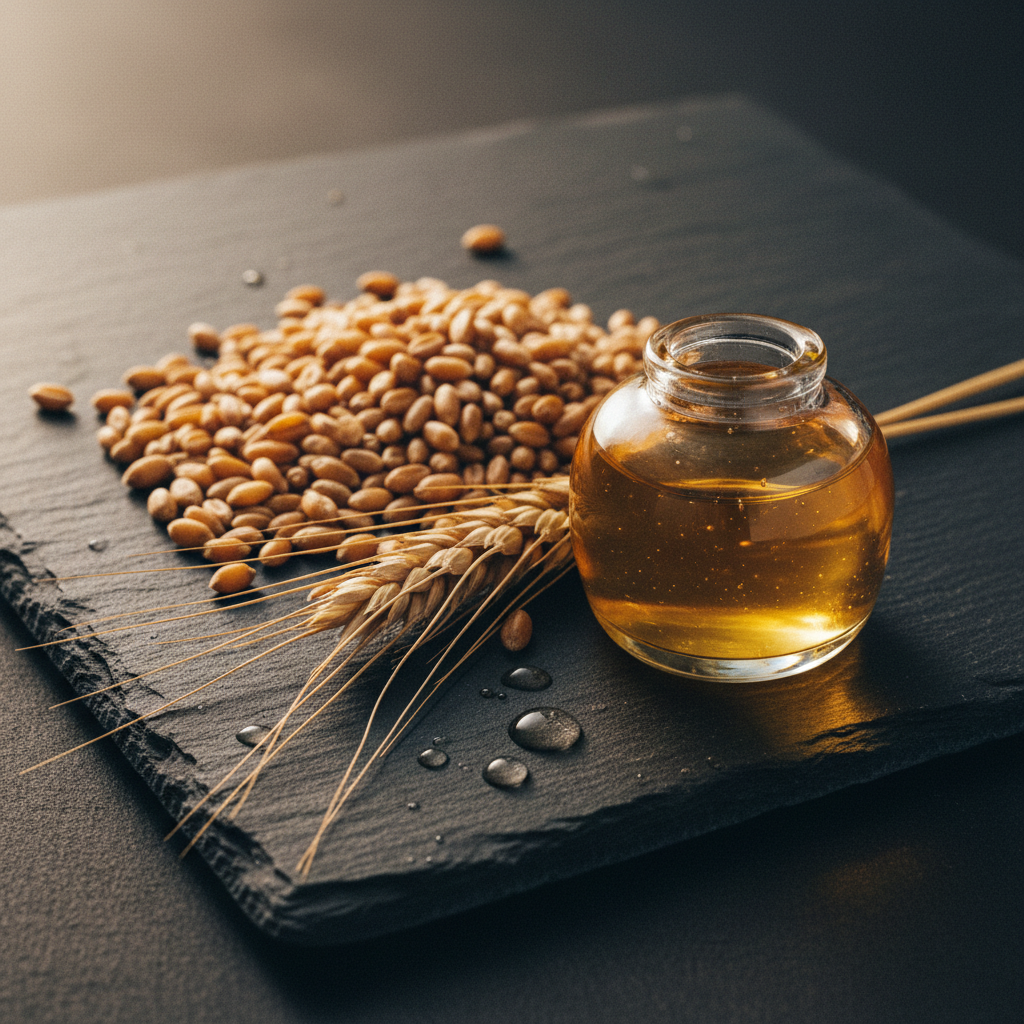
Quick answer: Hydrolysed wheat protein is a haircare ingredient made from wheat, broken down into smaller components. It works by both coating the hair fibre and, due to its small size, entering the hair shaft, helping to strengthen, moisturise, and improve the overall feel and appearance of the hair. Its main limitation is that it may not be suitable for those with severe wheat allergies, even for topical use.
Key takeaways
- Hydrolysed wheat protein is derived from wheat, broken down into small peptides and amino acids that benefit hair.
- It helps to strengthen hair fibres, reducing breakage by reinforcing the hair's internal structure and forming a protective film.
- As a humectant, it attracts and retains moisture, improving hair hydration, elasticity, and manageability.
- It can enhance hair shine and smoothness by sealing the cuticle and reducing porosity.
- This ingredient is particularly beneficial for damaged, fine, dry, or chemically treated hair, offering lightweight conditioning.
- While generally safe, individuals with severe wheat allergies should consult a professional before using products containing hydrolysed wheat protein.
Hydrolysed wheat protein: what the evidence shows
Hydrolysed wheat protein is a widely used and well-researched ingredient in haircare, recognised for its ability to condition, strengthen, and moisturise hair fibres. Through a process called hydrolysis, wheat proteins are broken down into smaller peptide chains and amino acids. This reduction in molecular size is key to its effectiveness, allowing some components to penetrate the hair shaft, while others form a protective film on the surface (Journal of Cosmetic Science, 2004).
When applied to hair, hydrolysed wheat protein has a dual action. The smaller fragments, with a molecular weight of around 1,000 to 10,000 daltons, are capable of crossing the hair cuticle and entering the cortex. Here, they can temporarily reinforce the internal protein structure of the hair, leading to increased tensile strength and reduced susceptibility to breakage, particularly in hair weakened by chemical treatments like colouring or perming (International Journal of Cosmetic Science, 2011). This strengthening effect makes hair feel more resilient and less prone to snapping.
Simultaneously, larger protein fragments deposit on the hair's surface, creating a thin, flexible film. This film helps to smooth down the cuticle scales, which are the outermost protective layer of the hair. A smoother cuticle reflects light more uniformly, resulting in enhanced shine and a softer feel. By filling in microscopic gaps and imperfections along the hair shaft, this protective layer also reduces porosity. Lower porosity helps hair retain moisture more effectively, making it less susceptible to frizz and environmental damage. The film can also provide a degree of protection against thermal damage during heat styling, by distributing heat more evenly across the hair surface.
Furthermore, hydrolysed wheat protein acts as a humectant. This means it can attract and bind water molecules from the atmosphere to the hair, increasing its moisture content. Improved hydration translates to greater elasticity, making hair more pliable and less brittle. This is particularly beneficial for dry, coarse, or damaged hair, as it restores suppleness and reduces the risk of mechanical damage during combing or styling. Some studies suggest its humectant properties are comparable to or even surpass those of some synthetic polymers, providing effective hydration without heavy build-up (Cosmetics & Toiletries, 2000).
What the evidence does not show
While hydrolysed wheat protein is effective for improving the cosmetic feel and strength of hair, it is important to understand its limitations. It does not permanently alter the hair's protein structure, nor does it repair hair in a way that reverses fundamental damage. The strengthening and conditioning effects are temporary and will diminish over time with washing, requiring continued use for sustained benefits. It is also not a treatment for hair loss conditions like alopecia, as its action is primarily on the hair shaft itself, not the hair follicle.
There is no robust evidence to suggest that topical application of hydrolysed wheat protein, in typical cosmetic concentrations, significantly impacts the scalp microbiome or directly promotes hair growth from the follicle. Its primary benefits remain cosmetic and related to the integrity of the hair fibre.
Mechanism of action: how hydrolysed wheat protein works
Hydrolysed wheat protein functions through a dual mechanism involving both internal penetration and external film formation. The hydrolysis process breaks down large wheat proteins (typically with molecular weights exceeding 20,000 daltons) into smaller peptides and amino acids. These smaller components, often ranging from 500 to 10,000 daltons, are small enough to pass through the outer cuticle layer and enter the hair's cortex.
Once inside the cortex, these small protein fragments can form temporary hydrogen bonds with the hair's natural keratin proteins. This temporary bonding helps to reinforce the internal structure of the hair fibre, particularly in areas where the keratin bonds may have been weakened by chemical processes or physical stress. This internal reinforcement increases the hair's tensile strength and elasticity, making it more resistant to breakage and stretching.
Concurrently, larger hydrolysed wheat protein molecules, along with some of the smaller ones that don't fully penetrate, deposit on the surface of the hair shaft. They create a smooth, invisible film that acts as a protective barrier. This film reduces friction between hair strands, making detangling easier and reducing mechanical damage. It also smooths down raised cuticle scales, which minimises light scattering and enhances shine. By creating a more uniform surface, the film also helps to reduce hair porosity, which improves moisture retention and provides a degree of protection against environmental aggressors and heat styling.
As a humectant, the hydroxyl groups within the protein structure are able to attract and hold water molecules. This hygroscopic action draws moisture from the environment into the hair, maintaining its hydration levels and preventing dryness and brittleness. This combination of internal strengthening, external protection, and humectancy makes hydrolysed wheat protein a versatile and effective ingredient for improving the overall health and appearance of hair.
What you can do: incorporating hydrolysed wheat protein into your routine
If your hair is feeling weak, brittle, or lacks shine, incorporating products with hydrolysed wheat protein can be beneficial. Look for it listed in the ingredients list (INCI name: Hydrolysed Wheat Protein or Hydroxypropyltrimonium Hydrolysed Wheat Protein) of shampoos, conditioners, masks, and leave-in treatments. For damaged hair, using a deep conditioning mask containing this ingredient once or twice a week can provide intensive benefits. For daily care, a shampoo and conditioner system can help maintain strength and hydration.
Consider your hair type: fine hair types may benefit from its lightweight strengthening properties without being weighed down, while dry or chemically treated hair will appreciate its moisturising and protective qualities. Always follow product instructions for best results.
When the cause may be something else
While hydrolysed wheat protein can significantly improve the cosmetic condition of your hair, it's important to recognise that some hair concerns may have underlying causes that require different interventions. If you are experiencing significant hair shedding (telogen effluvium) or hair loss (alopecia), an ingredient like hydrolysed wheat protein, which acts on the hair fibre, will not address the root cause. These conditions often stem from hormonal imbalances, nutritional deficiencies, stress, or genetic predispositions, and require medical diagnosis and treatment. Similarly, severe scalp conditions such as persistent dandruff or excessive oiliness (see Oily Scalp: Causes, Management, and When to Seek Help) might benefit from targeted treatments rather than relying solely on cosmetic ingredients.
When to get professional advice
If you have persistent hair breakage that doesn't improve with consistent use of strengthening and conditioning products, or if you notice unusual hair shedding, bald patches, or a receding hairline, it's advisable to consult a dermatologist or trichologist. These specialists can diagnose underlying medical conditions and recommend appropriate treatments. If you have a diagnosed wheat allergy or gluten sensitivity and are concerned about using topical products containing hydrolysed wheat protein, discuss this with your doctor or allergist, especially if you have a compromised skin barrier on your scalp.
Hydrolysed Wheat Protein vs. Other Hair Proteins
Proteins are vital for hair health, each offering unique benefits depending on their source and hydrolysis level. Here's a comparison of common hydrolysed proteins found in haircare.
| Feature | Hydrolysed Wheat Protein | Hydrolysed Keratin | Hydrolysed Silk Protein |
|---|---|---|---|
| Source | Wheat grain | Wool, feathers, or animal horns | Silk cocoons |
| Molecular Weight | Small to medium (500-10,000 daltons) | Variable, often small | Relatively small |
| Key Benefits | Strengthens, moisturises, increases elasticity, adds shine | Repairs damage, smooths, increases tensile strength | Softens, adds lustre, improves elasticity, moisture retention |
| Hair Types Best For | Damaged, fine, dry, chemically treated hair | Damaged, brittle, chemically treated hair | Dry, damaged, fine, or sensitive hair |
| Mechanism | Penetrates cortex, forms protective film, humectant | Mimics hair's natural protein, fills cuticle gaps | Forms smooth, protective film, humectant |
| Humectant Properties | Strong | Moderate | Strong |
| Notable Amino Acids | Cysteine, glutamic acid, proline | Cysteine, methionine | Serine, alanine, glycine |
Frequently asked questions about Hydrolysed wheat protein
Can hydrolysed wheat protein cause allergies?
While rare, topical application of hydrolysed wheat protein can potentially cause an allergic reaction, particularly in individuals with a severe wheat allergy or coeliac disease. This risk is generally low because the protein is broken down, but some people can react to smaller peptides. If you have a known wheat allergy, it's best to consult a doctor before using products containing this ingredient and perform a patch test.
Is hydrolysed wheat protein good for all hair types?
Yes, hydrolysed wheat protein is generally beneficial for most hair types, though it particularly excels for damaged, fine, dry, or chemically treated hair. Its lightweight nature means it strengthens and adds body without weighing down fine hair, while its humectant properties deeply moisturise dry hair. It can help improve the elasticity and reduce breakage for a wide range of hair textures.
How often should I use products with hydrolysed wheat protein?
The frequency depends on your hair's needs and the product type. For daily conditioning and maintenance, shampoos and conditioners with hydrolysed wheat protein can be used regularly. For more intensive repair of damaged hair, a treatment mask containing this ingredient could be used once or twice a week. Listen to your hair; if it feels overly stiff or protein-heavy, reduce usage.
Does hydrolysed wheat protein cause hair to become stiff or brittle?
In rare cases, excessive use of protein treatments, especially in very high concentrations or on hair that doesn't need much protein, can lead to a temporary feeling of stiffness or brittleness. This is often due to an imbalance between protein and moisture. If this occurs, reduce the frequency of protein treatments and focus on moisturising conditioners and masks. Hydrolysed wheat protein, however, is generally formulated to be lightweight and flexible.
Is hydrolysed wheat protein gluten-free?
The hydrolysis process used to create hydrolysed wheat protein largely breaks down gluten proteins into smaller fragments. While many hydrolysed wheat proteins are considered 'gluten-free' by some standards (e.g., under 20 ppm gluten), trace amounts can still exist. For individuals with coeliac disease or severe gluten sensitivity, it's crucial to check with the manufacturer if a product is certified gluten-free, or to opt for alternative proteins to be completely safe.
Can hydrolysed wheat protein help with heat damage?
Yes, hydrolysed wheat protein can offer a degree of protection against heat damage. When it forms a protective film on the hair's surface, it helps to distribute heat more evenly and provides a barrier between the hot styling tool and the hair fibre. This reduces direct thermal impact. However, it's not a substitute for a dedicated heat protectant spray and proper heat styling safety best practices (see Heat Styling Safety Best Practices).
Watermans and Hydrolysed Wheat Protein
At Watermans, we understand the importance of ingredients that genuinely support hair health. While Watermans products are formulated with a blend of beneficial ingredients to promote healthy-looking hair, our Watermans Heat Protection Spray specifically includes Wheat Amino Acids. These are closely related to hydrolysed wheat protein, being even smaller building blocks derived from wheat, designed to penetrate the hair fibre effectively to strengthen and protect it from daily styling stresses and environmental factors. Our focus is on providing formulations that leave your hair feeling stronger, more resilient, and healthier in appearance.
Sources and references
- Journal of Cosmetic Science. (2004). The Effect of Hydrolyzed Proteins on the Mechanical Properties of Hair.
- International Journal of Cosmetic Science. (2011). Influence of Hydrolyzed Proteins on Hair Fiber Properties.
- Cosmetics & Toiletries. (2000). Protein Hydrolysates in Hair Care: Formulating for Efficacy.
- The Cosmetic Ingredient Review (CIR) Expert Panel. (2018). Safety Assessment of Hydrolyzed Wheat Protein and Related Ingredients as Used in Cosmetics. International Journal of Toxicology, 37(1_suppl), 5S-43S.
- Poucher, W. A. (1993). Poucher's Perfumes, Cosmetics and Soaps (9th ed.). Chapman & Hall.
- Robbins, C. R. (2012). Chemical and Physical Behavior of Human Hair (5th ed.). Springer. This comprehensive text frequently discusses the impact of various substances, including proteins, on hair structure and properties.
- National Celiac Association. Gluten-Free Cosmetics. https://nationalceliac.org/celiac-disease-questions/gluten-free-cosmetics/
- Food and Drug Administration (FDA). Gluten-Free Labeling of Foods. https://www.fda.gov/food/food-ingredients-packaging/gluten-free-labeling-foods