Aloe vera: Benefits and Uses in Haircare
8 min read ·
Aloe vera is a succulent plant whose gel is used in haircare for its soothing, hydrating, and mild cleansing properties, though robust clinical evidence for direct hair growth stimulation is limited.
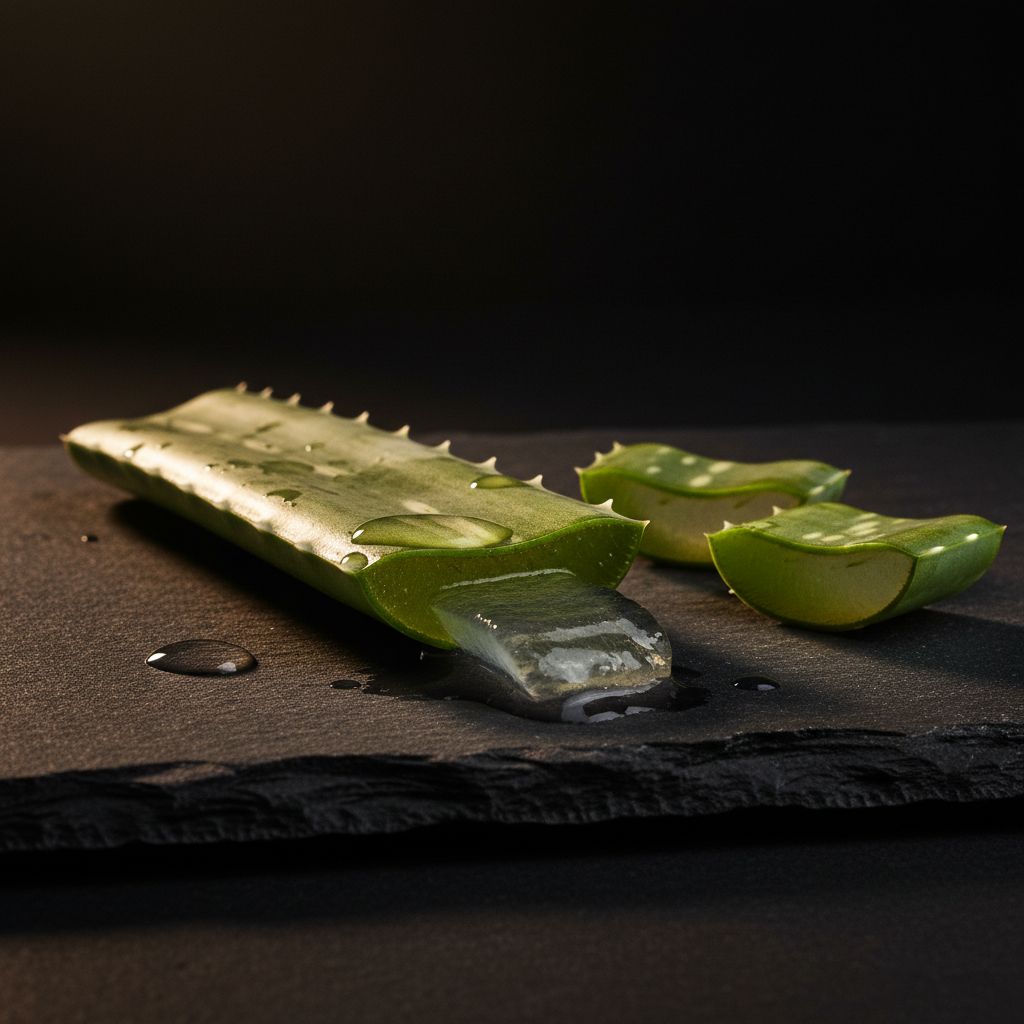
Quick answer: Aloe vera gel, derived from the succulent Aloe barbadensis miller plant, is widely used in haircare for its rich blend of water, polysaccharides, vitamins, and minerals. It's valued for its ability to hydrate the scalp and hair, soothe irritation, and provide gentle cleansing, creating a healthier environment for hair. However, scientific evidence directly linking Aloe vera to increased hair growth or prevention of hair loss remains largely anecdotal or preliminary; its primary benefits are cosmetic and supportive of scalp health.
Key takeaways
- Aloe vera is known for its hydrating properties, helping to moisturise dry hair and soothe an irritated scalp.
- Its natural compounds can provide anti-inflammatory and mild cleansing effects, helping to manage scalp itchiness and remove product build-up.
- Aloe vera helps maintain the scalp's natural pH balance, which is important for protecting the hair's outer layer and supporting a healthy scalp environment.
- While it creates optimal conditions for a healthy scalp, there is currently limited robust scientific evidence to support claims of direct hair growth stimulation or prevention of hair loss from topical Aloe vera use.
- It's generally considered safe for topical application, but patch testing is advisable for those with plant allergies.
- Aloe vera is commonly found in shampoos, conditioners, and scalp treatments at various concentrations.
Aloe vera: what the evidence shows
Aloe vera, specifically from the Aloe barbadensis miller plant, has a long history of use in traditional medicine, particularly for skin and scalp conditions. Its clear gel contains a complex mix of compounds, including polysaccharides (like acemannan), vitamins (A, C, E, B12), minerals (calcium, magnesium, zinc), enzymes, amino acids, and fatty acids. These constituents are thought to contribute to its observed cosmetic effects on hair and scalp.
Hydrating and Moisturising Effects
The high water content and presence of polysaccharides in Aloe vera gel contribute to its ability to attract and hold moisture, acting as a humectant. When applied to hair, this can help to increase hair hydration, making the hair feel softer and more pliable, and potentially reducing hair breakage by improving elasticity. On the scalp, its moisturising properties can alleviate dryness and flakiness, supporting the scalp's natural barrier function. This effect is similar to other humectants found in haircare, helping to draw moisture from the air into the hair fibre.
Soothing and Anti-inflammatory Properties
Some compounds within Aloe vera, such as bradykinase and C-glucosyl chromone, have been studied for their potential anti-inflammatory properties. For the scalp, this can translate to a reduction in irritation, redness, and itchiness. This soothing action is particularly beneficial for individuals experiencing discomfort from conditions such as seborrhoeic dermatitis or general scalp sensitivity, helping to calm an inflamed scalp. Controlled research, however, on the direct anti-inflammatory impact of topical Aloe vera on specific human scalp conditions is mixed and ongoing.
Gentle Cleansing and pH Balance
Aloe vera contains saponins, natural cleansing agents that can gently remove excess sebum, dirt, and product build-up from the hair and scalp without stripping away essential moisture. This makes it a suitable ingredient for mild shampoos or as a pre-shampoo treatment. Additionally, Aloe vera gel typically has a slightly acidic pH, similar to that of a healthy scalp (around 4.5 to 5.5). Using products with a balanced pH helps to maintain the integrity of the hair cuticle, reducing frizz and protecting the scalp's acid mantle, which is vital for defence against microbial growth.
Potential for an Optimised Scalp Environment
By helping to keep the scalp clean, moisturised, and soothed, Aloe vera creates an environment that is conducive to healthy hair. A healthy scalp is foundational for strong hair follicles and can indirectly support the appearance of fuller, healthier hair. Some proponents suggest it may also improve blood circulation to the scalp, potentially aiding nutrient delivery to hair follicles. However, robust scientific evidence directly linking topical Aloe vera to increased hair density or a reduction in hair shedding is not consistently demonstrated in large-scale clinical trials.
What the evidence does not clearly show
While popular belief often credits Aloe vera with direct hair growth stimulating properties or the ability to prevent hair loss (alopecia), controlled research has not definitively concluded this. Most claims are anecdotal or based on preliminary studies, often involving mixtures of ingredients or animal models. It's important to distinguish between creating a healthy scalp environment, which Aloe vera can support, and directly influencing the hair growth cycle or preventing follicular hair loss. The primary benefits of Aloe vera in haircare are related to scalp conditioning, hydration, and cosmetic improvement of the hair fibre, rather than treating underlying physiological causes of hair loss.
Signs that Aloe vera might be beneficial for your hair and scalp
Consider incorporating products with Aloe vera if you experience:
- Dry or brittle hair: Its hydrating properties can help improve moisture levels and elasticity.
- An itchy or irritated scalp: Its soothing compounds may reduce discomfort and redness.
- Mild product build-up or oily scalp: Saponins offer a gentle cleansing action.
- Dull-looking hair: Improved hydration and cuticle smoothness can enhance shine.
- Frizz: By providing moisture, it can help manage frizzy hair, particularly for those with dry hair types.
When the cause may be something else
If you are experiencing significant hair shedding, hair breakage, or true hair loss (alopecia), Aloe vera alone is unlikely to be a primary solution. These issues often stem from various causes, including:
- Nutritional deficiencies: A lack of certain vitamins or minerals can impact hair health.
- Hormonal imbalances: Conditions like thyroid disorders or polycystic ovary syndrome (PCOS) can affect hair cycles.
- Stress: Prolonged or severe stress can trigger telogen effluvium, a form of temporary hair shedding.
- Genetic predisposition: Androgenetic alopecia (male or female pattern baldness) is genetically determined.
- Medical conditions: Certain autoimmune diseases or scalp infections can cause hair loss.
- Harsh chemical treatments or styling practices: Damage from excessive heat styling or chemical processing can lead to hair breakage.
For persistent or severe hair and scalp concerns, particularly if you observe significant hair loss or unusual scalp conditions, it's crucial to seek professional medical advice.
Watermans and Aloe vera
At Watermans, we understand the value of incorporating effective ingredients that support overall hair and scalp health. Our commitment to high-quality formulations means we select ingredients known for their beneficial properties. For those seeking the hydrating and soothing benefits of Aloe vera, you'll find it as a carefully selected component in some of our products, designed to complement our primary active ingredients and support a healthy environment for your hair to thrive. We include it for its ability to moisturise, calm, and contribute to the gentle cleansing action of our formulas, helping to create the optimal conditions that hair needs to look its best.
Frequently asked questions about Aloe vera
Can Aloe vera help with dandruff?
Aloe vera's hydrating and soothing properties can help alleviate scalp dryness and irritation, which are sometimes associated with dandruff. Its mild antimicrobial effects may also contribute. However, for true fungal-related dandruff (seborrhoeic dermatitis), medicated shampoos containing active ingredients like zinc pyrithione or ketoconazole are generally more effective in directly addressing the underlying cause. Aloe vera can be a complementary ingredient for scalp comfort.
Is pure Aloe vera gel better than products containing it?
Pure Aloe vera gel, if properly prepared and stabilised, can be highly effective for direct application. However, commercial haircare products often combine Aloe vera with other beneficial ingredients, preservatives, and formulation technologies to ensure stability, efficacy, and ease of use. The "best" choice depends on your specific needs and preferences. Ensure any pure gel you use is free from irritating additives and consider a patch test.
How often can I use Aloe vera on my hair?
Aloe vera can generally be used as often as you wash your hair, whether daily or a few times a week, as part of a shampoo, conditioner, or treatment. If using pure gel, start with once or twice a week to see how your scalp and hair respond. Its gentle nature makes it suitable for regular application, provided you don't experience any irritation or allergic reaction.
Will Aloe vera make my hair grow faster?
While Aloe vera promotes a healthy scalp environment through hydration, soothing, and gentle cleansing, there is no strong scientific evidence to confirm it directly makes hair grow faster. A healthy scalp is certainly a good foundation for healthy hair, but individual hair growth rate is primarily determined by genetics, nutrition, and overall health. Aloe vera is not a direct growth stimulant for hair follicles.
Can Aloe vera cause hair shedding?
No, Aloe vera is not known to cause hair shedding. If you experience increased hair shedding after using a product containing Aloe vera, it is more likely due to an allergic reaction to the product (including other ingredients), a pre-existing scalp condition, or an unrelated factor affecting your hair cycle. Always perform a patch test if you have sensitivities, and discontinue use if irritation occurs.
Sources and references
- Dermatology Times. "Aloe vera: A Potent Ally for Skin and Hair Health." 2017.
- National Center for Complementary and Integrative Health (NCCIH). "Aloe Vera." U.S. Department of Health & Human Services.
- Planta Medica. "Review on pharmacological properties and chemical constituents of Aloe barbadensis miller." 2014.
- Journal of Cosmetic Science. "The Role of Botanical Extracts in Hair Care." 2019.
- British Journal of Dermatology. "Topical and systemic use of Aloe vera in dermatology: A review." 2008.
Watermans products containing Aloe vera
At Watermans, we believe in crafting products that deliver genuine benefits. You'll find carefully selected Aloe vera in some of our formulations, contributing to the gentle care and conditioning of your hair and scalp.
- Our Curly Hair Conditioner incorporates Aloe vera to provide enhanced moisture and manageability, supporting the unique needs of curly and afro-textured hair.
", seo_title=
Find these ingredients in Watermans products
- Zinc: you will find this ingredient in our Hair Vitamins.
- Aloe Vera: you will find this ingredient in our Curly Hair Conditioner.