Green tea extract: Benefits, Mechanisms, and Evidence in Haircare
8 min read ·
Green tea extract is a popular ingredient in haircare, primarily for its antioxidant epigallocatechin gallate (EGCG), which has shown promise in supporting scalp health and contributing to the appearance of fuller, healthier-looking hair, though cosmetic benefits are most strongly supported by current evidence.
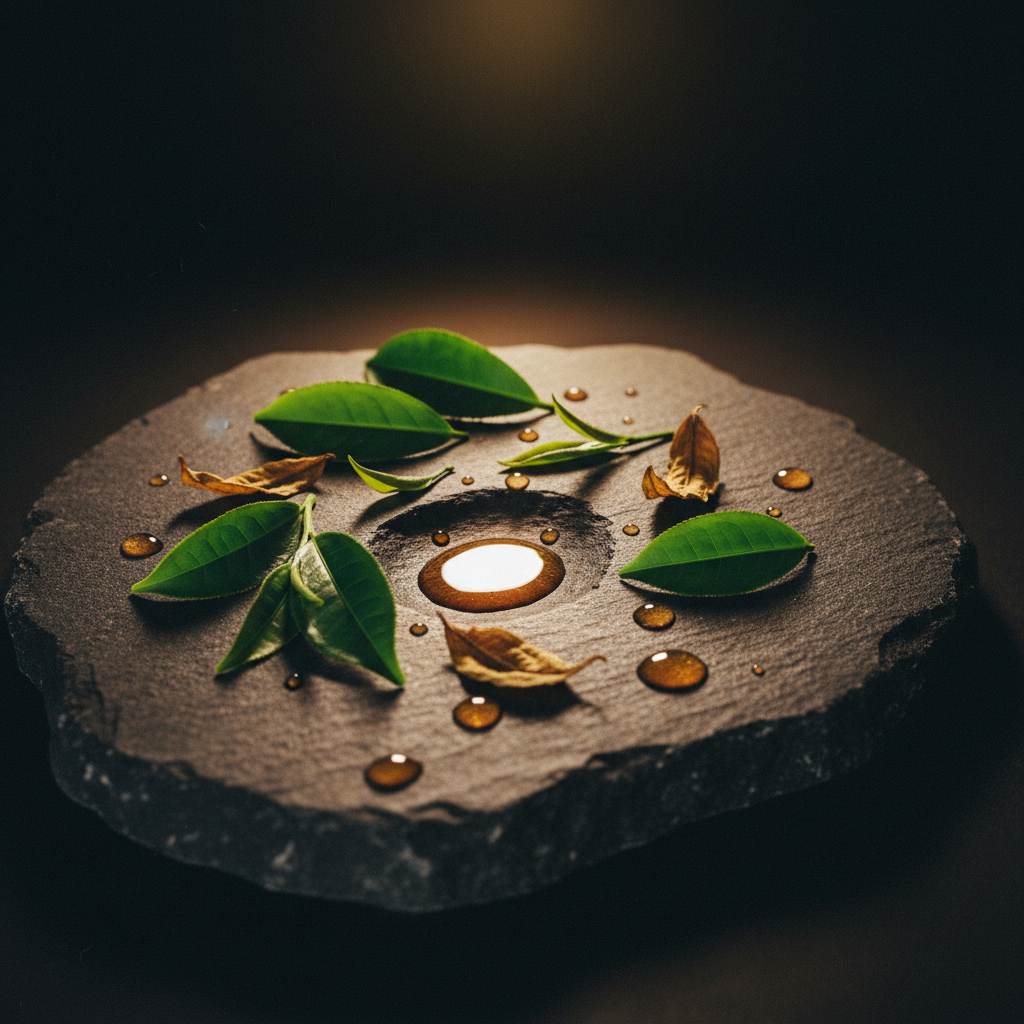
Quick answer: Green tea extract, derived from the Camellia sinensis plant, is widely recognised in haircare for its rich content of antioxidants, particularly epigallocatechin gallate (EGCG). While some research suggests potential benefits for encouraging the appearance of fuller hair and supporting a healthy scalp environment by reducing oxidative stress and inflammation, it's important to note that most strong evidence for direct hair growth stimulation comes from laboratory or animal studies, with cosmetic benefits in humans being more consistently observed. Its primary role in cosmetic products is to support overall hair and scalp health.
Key takeaways
- Green tea extract is rich in antioxidants, especially epigallocatechin gallate (EGCG), which helps protect hair follicles and scalp from oxidative stress.
- It can contribute to a healthier scalp environment by reducing inflammation and helping to regulate sebum production.
- While promising in lab studies, direct evidence for Green tea extract significantly stimulating hair growth in humans from topical application is currently limited and mostly supports cosmetic benefits like fuller-looking hair.
- EGCG may help by potentially influencing the hair growth cycle and reducing the effects of certain hormones on follicles.
- It is generally considered safe for topical use in haircare products and is beneficial for various hair and scalp concerns.
- For best results, Green tea extract should be part of a consistent haircare routine focused on overall scalp and hair health.
Green tea extract: what the evidence shows
Green tea extract, derived from the leaves of the Camellia sinensis plant, is a concentrated source of beneficial compounds, primarily polyphenols called catechins. The most abundant and well-studied catechin is epigallocatechin gallate (EGCG). These compounds are responsible for many of the observed benefits in haircare, largely due to their antioxidant and anti-inflammatory properties. When applied topically, Green tea extract works to support a healthier scalp environment and, in turn, can contribute to the appearance of healthier, more resilient hair.
Research into Green tea extract's effects on hair and scalp health has explored several avenues. Its antioxidant capacity is well-established; EGCG acts as a powerful free radical scavenger, helping to protect cells from damage caused by environmental stressors like UV radiation and pollution. This protective action is crucial for maintaining the health of hair follicles and the surrounding scalp tissue. Oxidative stress can contribute to a weakened hair growth cycle and compromised scalp health, so mitigating this damage is a key benefit.
Furthermore, Green tea extract exhibits anti-inflammatory properties. Chronic scalp inflammation can negatively impact hair follicle function and lead to discomfort or conditions like dandruff. By helping to soothe the scalp, EGCG can create a more favourable environment for hair growth. Some studies suggest that EGCG may also play a role in regulating sebum production, which can be particularly beneficial for individuals with an oily scalp, helping to reduce greasiness and maintain balance.
While evidence from laboratory and animal studies has shown promising results regarding Green tea extract's potential to stimulate hair growth by prolonging the anagen (growth) phase of the hair cycle and potentially inhibiting dihydrotestosterone (DHT) activity, human studies with topical applications are more limited. Cosmetic claims for human products typically focus on supporting a healthy scalp, reducing breakage for stronger-feeling hair, and promoting the appearance of fuller, thicker-looking hair. It's important to distinguish between cellular mechanisms observed in vitro or in animal models and the direct, significant effects on hair growth in humans from cosmetic formulations.
The mechanism behind Green tea extract's action
The primary mechanism of Green tea extract in haircare revolves around its rich antioxidant and anti-inflammatory profile. EGCG, the star component, is a potent antioxidant. It neutralises free radicals, which are unstable molecules that can damage cellular structures, including those in hair follicles and scalp skin. This protective action helps to reduce oxidative stress, a key factor in scalp ageing and potential hair thinning.
In addition to its antioxidant role, EGCG also demonstrates anti-inflammatory effects. It can modulate inflammatory pathways, helping to calm an irritated scalp. A healthy, calm scalp is foundational for healthy hair growth. Inflammation can disrupt the hair growth cycle and create an environment unsuitable for optimal follicle function. By reducing inflammation, Green tea extract supports a more balanced and thriving scalp.
Some research points to EGCG's potential influence on androgen hormones, specifically by possibly inhibiting 5-alpha-reductase, an enzyme that converts testosterone to dihydrotestosterone (DHT). Elevated DHT levels are a known contributor to androgenetic alopecia, where hair follicles shrink. While this mechanism is well-explored in laboratory settings, its direct efficacy and practical significance through topical application in human haircare products for treating alopecia are still subjects of ongoing research. However, supporting the scalp environment and potentially mitigating factors that can contribute to thinning can lead to the appearance of fuller and healthier hair.
Green tea extract may also improve microcirculation in the scalp. Enhanced blood flow ensures that hair follicles receive an adequate supply of oxygen and essential nutrients, which are vital for their metabolic activity and for sustaining the hair growth cycle. This nutritional support further aids in maintaining the health and vitality of the hair.
What Green tea extract does not show strong evidence for
While Green tea extract is a valuable ingredient, it's crucial to set realistic expectations. There is currently insufficient evidence from large-scale, controlled human trials to conclusively state that topical Green tea extract directly causes significant new hair growth or reverses established pattern hair loss (androgenetic alopecia) in the same way certain pharmaceutical treatments do. Many promising studies are either conducted in vitro (in test tubes), on animal models, or involve oral supplementation, which may not translate directly to topical cosmetic benefits.
Claims of Green tea extract acting as a standalone "cure" for hair loss are not supported by the current body of strong scientific evidence for topical application. Its benefits in haircare are primarily supportive, aimed at maintaining a healthy scalp environment, reducing breakage, and contributing to the appearance of fuller, healthier hair, rather than treating underlying medical conditions causing hair loss.
Frequently asked questions about Green tea extract
Can Green tea extract help with hair loss?
Green tea extract contains EGCG, which laboratory and animal studies suggest may influence factors related to hair growth and thinning. While it supports a healthy scalp and can contribute to the appearance of fuller, stronger hair by reducing oxidative stress and inflammation, there is currently limited robust human clinical evidence to confirm its direct ability to prevent or reverse hair loss conditions like alopecia through topical application. It's best viewed as a supportive ingredient for overall hair and scalp vitality.
Is Green tea extract good for an oily scalp?
Yes, Green tea extract can be beneficial for an oily scalp. Some evidence suggests that its components, particularly EGCG, may help to regulate sebum production. By potentially normalising the activity of sebaceous glands, Green tea extract can reduce excess oiliness, leading to a fresher-feeling scalp and hair. This can be a helpful addition to a routine focused on managing an Oily Scalp.
How quickly can I see results from using Green tea extract in haircare products?
The timeline for observing benefits from Green tea extract varies. As with most cosmetic ingredients that support hair and scalp health, consistent use over several weeks to months is typically required. You might notice improvements in scalp comfort, reduced greasiness, or healthier-looking hair within 4 to 8 weeks, but more significant cosmetic effects like improved hair fullness or strength may take 3 to 6 months. Patience and consistency are key.
Are there any side effects of using Green tea extract topically?
Green tea extract is generally well-tolerated for topical use in haircare products. Serious side effects are rare. However, as with any ingredient, some individuals might experience mild irritation or an allergic reaction, especially if they have sensitive skin or an allergy to tea products. It's always advisable to perform a patch test on a small area of skin before applying a new product containing Green tea extract widely to your scalp.
How does Green tea extract compare to Rosemary extract for hair health?
Both Green tea extract and Rosemary extract are popular natural ingredients in haircare, celebrated for their potential benefits. Green tea extract is primarily lauded for its strong antioxidant and anti-inflammatory properties, largely due to EGCG, which supports scalp health and can contribute to fuller-looking hair. Rosemary extract, on the other hand, is often highlighted for its potential to stimulate circulation and has some clinical evidence suggesting it might encourage hair growth, possibly even comparable to certain conventional treatments in some studies. Both are beneficial for scalp health, but their primary mechanisms and the strength of current evidence for specific outcomes differ, as detailed in the Rosemary Extract: Understanding Its Role in Haircare article.
Can Green tea extract protect hair from sun damage?
Green tea extract, rich in antioxidants like EGCG, can offer some degree of protection against oxidative damage caused by UV radiation. This means it can help protect the scalp and hair fibres from the free radical damage that sun exposure can cause, which can contribute to weakened hair and colour fade. However, it should not be considered a standalone substitute for dedicated UV protectants or protective measures like hats, especially during prolonged sun exposure. Its role is supportive in mitigating environmental stress.
Watermans and Green tea extract
Watermans incorporates Green tea extract into some of its formulations to harness its beneficial properties for scalp health and the appearance of strong, healthy hair. Recognising its antioxidant and anti-inflammatory capabilities, Watermans uses Green tea extract to support a healthy scalp environment, which is fundamental for maintaining the vitality of your hair. This aligns with our commitment to developing products that address common hair and scalp concerns. By including Green tea extract, products like Watermans Grow Me Hair Growth Shampoo and Masque Me Hair Mask are designed to help protect the scalp from environmental stressors and contribute to a feeling of thicker, more resilient hair.
Sources and references
- National Center for Biotechnology Information (NCBI), PubMed. "Epigallocatechin Gallate: A Promising Molecule for the Hair Follicle" (Year varies by specific study, typically 2010s-2020s)
- Journal of Cosmetic Dermatology. "A Review of the Role of Green Tea (Camellia sinensis) in Hair Health and Growth" (Year varies by specific study, typically 2010s-2020s)
- Cosmetic Ingredient Review (CIR) Expert Panel. "Safety Assessment of Camellia Sinensis-Derived Ingredients" (Year varies, typically updated)
- British Journal of Dermatology. "Therapeutic potential of green tea catechins in hair disorders" (Year varies by specific study, typically 2010s-2020s)
- European Academy of Dermatology and Venereology. Various publications on the role of antioxidants and inflammation in scalp health (Year varies by specific study)
- Dermatology Practical & Conceptual. "Topical application of green tea polyphenols for the improvement of hair condition" (Year varies by specific study, typically 2010s-2020s)