Natural Ingredients in Haircare: Benefits, Mechanisms, and Evidence
9 min read ·
Natural Ingredients in haircare are derived from plants, minerals, or animal sources, offering various benefits but often lacking a clear legal definition.
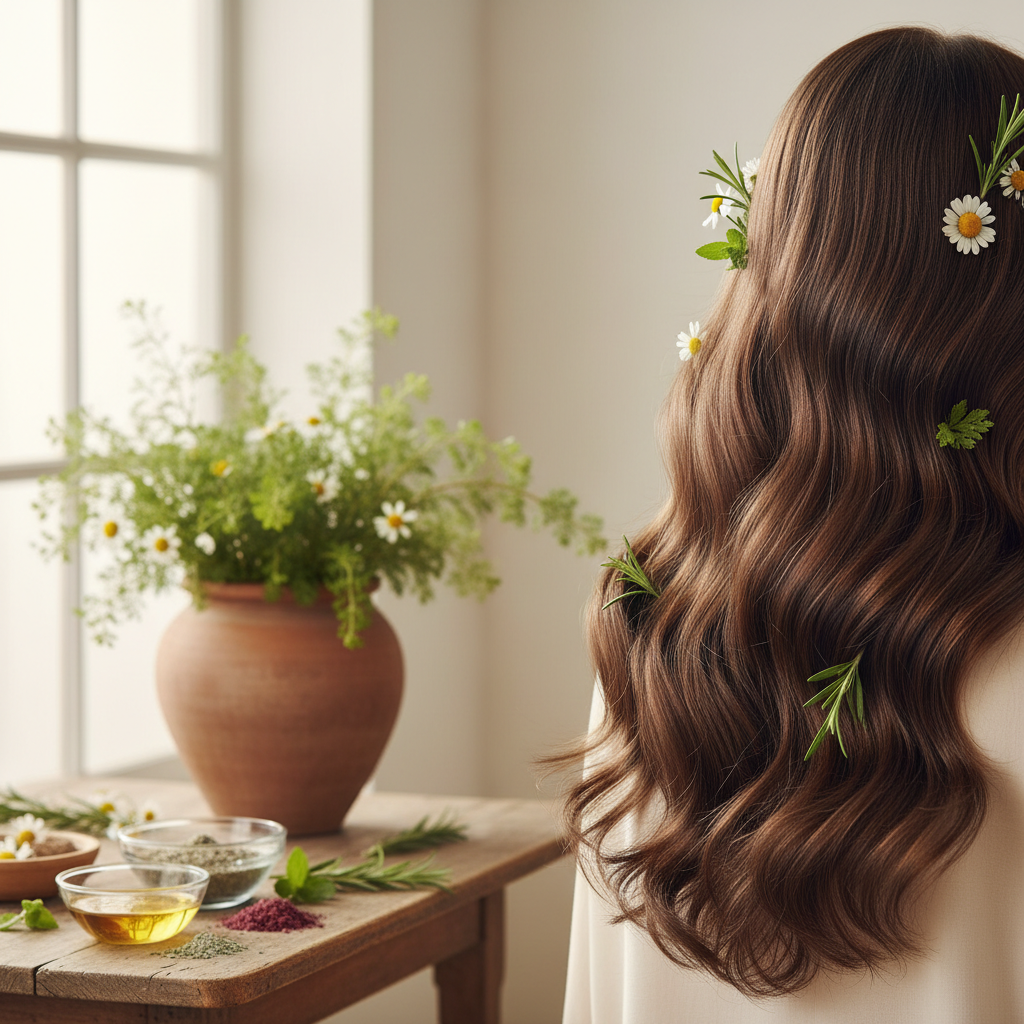
Quick answer: Natural Ingredients in haircare are substances derived from plants, minerals, or animal sources, valued for their perceived benefits such as moisturising, conditioning, or soothing properties. While many have a long history of use and some exhibit scientifically-proven effects, the term "natural" itself is not legally defined in cosmetics, meaning products labelled as such can vary widely in their composition and processing. Consumers should look for specific ingredient names and understand their mechanisms rather than relying solely on broad "natural" claims.
Key takeaways
- Natural Ingredients are derived from botanicals, minerals, or animal sources, often with minimal processing.
- Many natural compounds possess documented benefits, including hydrating, strengthening, or anti-inflammatory properties for hair and scalp.
- The term "natural" lacks a legal definition in haircare, leading to varied interpretations and product formulations.
- Some Natural Ingredients, like certain plant oils, can penetrate the hair shaft to reduce protein loss or provide deep conditioning.
- While generally well-tolerated, Natural Ingredients can still cause allergic reactions or scalp sensitivities in some individuals.
- Sustainable sourcing and consistent potency are important considerations for Natural Ingredients in cosmetic manufacturing.
Natural Ingredients: what the evidence shows
Natural Ingredients encompass a broad category of substances used in haircare, originating from plants, minerals, or animals. These ingredients are often sought after for their perceived gentleness, traditional uses, and the array of beneficial compounds they contain. Many have been used for centuries in traditional remedies, and modern science is increasingly exploring and validating their efficacy.
For example, botanical extracts, oils, and butters are rich in fatty acids, vitamins, antioxidants, and phytochemicals. These can contribute to improved hair condition, scalp health, and reduced breakage. Mineral-derived ingredients may offer clarifying or volumising effects, while some animal-derived components can act as humectants or conditioning agents.
However, it's crucial to understand that the term "natural" in haircare is not universally defined or regulated. This means that a product claiming to be "natural" may still contain synthetic ingredients or undergo significant processing. The perceived benefit often depends on the specific ingredient, its concentration, the formulation, and its interaction with other components.
How Natural Ingredients interact with hair and scalp
The mechanisms by which Natural Ingredients benefit hair and scalp vary widely depending on their chemical composition. Here are some common ways:
- Moisturising and Conditioning: Many plant oils (e.g., coconut oil, argan oil) and butters (e.g., shea butter) are rich in lipids that can form a protective layer on the hair shaft, helping to seal in moisture and smooth the cuticle. This reduces water loss, improves elasticity, and makes hair feel softer and appear shinier. Some, like coconut oil, with its high lauric acid content, have a molecular structure small enough to penetrate the hair fibre, reducing protein loss when applied as a pre-wash treatment. This is explained further in "Hair Hydration: The Science Behind Keeping Hair Moist" and "The Science of Conditioners: How Hair Care Formulations Work".
- Anti-inflammatory and Soothing: Ingredients like aloe vera and rosemary extract contain compounds that can help calm scalp irritation and reduce inflammation. This can contribute to a healthier scalp environment, which is fundamental for hair health, as explored in "Anti-inflammatory Ingredients: Soothing Your Scalp for Healthier Hair" and "Understanding Scalp Health: A Foundation for Thriving Hair".
- Antioxidant Protection: Many botanical extracts, such as those from green tea or rosemary, are rich in antioxidants. These compounds help to neutralise free radicals, which can cause oxidative damage to hair and scalp cells, contributing to hair ageing and damage. This protective action is particularly relevant in mitigating environmental stressors.
- Scalp Stimulation: Certain Natural Ingredients, like peppermint oil and rosemary extract, are anecdotally used for their potential to increase circulation to the scalp. While direct evidence for hair growth is still emerging, improved blood flow is theorised to deliver more nutrients to hair follicles, supporting their function. More details are available in "Peppermint oil: Understanding its Potential for Hair and Scalp Health" and "Rosemary Extract: Understanding Its Role in Haircare".
- Strengthening and Repair: Hydrolysed proteins, often derived from plants (e.g., hydrolysed wheat protein), can temporarily strengthen the hair fibre by attaching to damaged areas, reducing breakage and improving elasticity. This can make hair feel fuller and more resilient. See "Hydrolysed Wheat Protein: What It Is and How It Benefits Your Hair" for more information.
The unregulated "Natural" claim
The lack of a strict legal definition for "natural" in cosmetic labelling is a significant point of confusion for consumers. Unlike food products, where terms like "organic" are heavily regulated, haircare and other cosmetics do not have a uniform standard for "natural". This means:
- Varying Interpretations: One brand's "natural" may mean 95% plant-derived, while another's might mean only a few natural extracts alongside many synthetic ingredients.
- Processing: Even ingredients derived from nature often undergo chemical processing to extract beneficial compounds, stabilise them, or make them safe for cosmetic use. The extent of this processing can vary greatly.
- "Greenwashing": Some companies may use "natural" claims as a marketing tactic without truly offering products that align with consumer expectations of what "natural" implies.
Consumers looking for specific attributes, such as biodegradability, cruelty-free status, or a high percentage of organic ingredients, should look for independent certifications (e.g., Ecocert, COSMOS, Soil Association) rather than relying solely on the word "natural" on packaging. Always check the ingredient list (INCI list) to understand what a product truly contains.
When Natural Ingredients may not be enough
While beneficial, Natural Ingredients alone may not always address complex hair and scalp issues. For example:
- Alopecia (hair loss): Conditions like androgenetic alopecia or alopecia areata are complex medical conditions requiring diagnosis and treatment by a healthcare professional. While some natural ingredients might support scalp health, they are not a proven cure for alopecia. True hair loss involves changes at the follicular level and should not be confused with hair shedding or breakage.
- Severe Hair Damage: Extremely damaged hair (e.g., from extensive chemical treatments or heat styling) may require sophisticated formulations that combine natural and synthetic components to effectively repair and protect the hair fibre. See "Hair Damage: Causes, Signs, and Solutions" for more context.
- Persistent Scalp Conditions: Chronic dandruff, severe seborrheic dermatitis, or other inflammatory scalp conditions often require targeted medical treatments or specialist advice. While soothing natural ingredients can offer relief, they may not resolve the underlying cause. "Dandruff: Causes and Treatments Explained" offers more insight.
If you are experiencing persistent hair loss, significant scalp discomfort, or severe hair damage, it's always best to consult a dermatologist or trichologist for accurate diagnosis and tailored advice.
Natural Ingredients: Benefits and Considerations
| Aspect | Benefit | Consideration |
|---|---|---|
| Efficacy | Many have demonstrated benefits for hair/scalp health. | Scientific evidence varies; not all traditional uses are clinically proven. |
| Gentleness | Often perceived as gentler, potentially reducing irritation. | Can still cause allergies or sensitivities in susceptible individuals. |
| Safety | Generally considered safe with a long history of use. | Purity, concentration, and potential for contamination are vital. |
| Sourcing | Can support ethical and sustainable practices. | Environmental impact and ethical sourcing practices vary widely by ingredient and supplier. |
| Biodegradability | Many are biodegradable, potentially reducing environmental burden. | Processing may alter biodegradability; not all natural components are equally eco-friendly. |
| Potency/Consistency | Rich in beneficial compounds (vitamins, antioxidants). | Potency can vary due to harvest, climate, and extraction methods, impacting consistent product performance. |
Frequently asked questions about Natural Ingredients
Are Natural Ingredients better for all hair types?
Not necessarily. While many natural ingredients offer universal benefits like moisturisation or soothing properties, the best choice depends on individual hair needs and concerns. For instance, heavy butters might be excellent for coily or dry hair but could weigh down fine or oily hair. Tailoring ingredients to your specific hair type and concerns, rather than just choosing "natural", is key for optimal results.
Can Natural Ingredients cause allergic reactions?
Yes, absolutely. Just because an ingredient is natural doesn't mean it's hypoallergenic. Many plants produce compounds that can trigger allergic contact dermatitis or other sensitivities in susceptible individuals. Essential oils, in particular, are potent and can cause reactions if used undiluted or in high concentrations. Always patch-test new products, especially if you have sensitive skin or known allergies.
How can I tell if a product truly contains Natural Ingredients?
To genuinely assess a product's natural content, look beyond marketing claims and examine the ingredient list (INCI list). Ingredients are listed in descending order of concentration. Seek out specific plant names, oils, and extracts. Be aware that some synthetic ingredients are necessary for product stability, preservation, or texture, even in products with a high percentage of natural components. Certifications from independent bodies can also provide assurance.
Do Natural Ingredients expire faster?
Natural Ingredients can sometimes be more susceptible to degradation, rancidity, or microbial growth compared to their synthetic counterparts. This is why many natural formulations still include preservatives (which may or may not be naturally derived) to ensure product safety and shelf life. Always check the expiry date and PAO (period after opening) symbol on product packaging. Proper storage, away from heat and direct sunlight, also helps maintain product integrity.
Are Natural Ingredients more sustainable?
The sustainability of Natural Ingredients is complex. While they originate from renewable sources, their environmental footprint depends on cultivation practices, harvesting methods, processing, and transportation. Over-harvesting, monoculture, deforestation, and high energy consumption during extraction can all impact sustainability. Ethical sourcing and certifications are important indicators of responsible practices, as discussed in the sustainability section of "Understanding Scalp Health: A Foundation for Thriving Hair".
Do Natural Ingredients help with hair loss?
For genuine hair loss (alopecia), Natural Ingredients alone are generally not a primary treatment. Hair loss often stems from underlying medical conditions, genetics, or hormonal imbalances that require professional medical diagnosis and intervention. While some natural extracts, like rosemary or peppermint oil, are studied for their potential to support scalp health or stimulate circulation, they should be considered complementary rather than standalone solutions for diagnosed hair loss. Always consult a healthcare professional for hair loss concerns.
Embracing Natural Ingredients for Hair Health
Natural Ingredients offer a compelling pathway to healthier-looking hair and scalp, rooted in both tradition and emerging scientific understanding. While the allure of "natural" is strong, a discerning approach focuses on specific ingredients, their proven benefits, and the overall formulation. By understanding the mechanisms behind how particular Natural Ingredients interact with your hair and scalp, you can make informed choices that contribute to better hair condition and vitality.
Watermans Haircare formulates its products by blending scientifically-backed natural extracts and essential vitamins with other effective ingredients. This approach aims to harness the benefits of components such as rosemary, caffeine, and niacinamide to support healthy hair growth and scalp vitality. The brand focuses on combining these carefully selected natural elements with modern haircare science to deliver targeted results for various hair concerns. You can find caffeine in Watermans Hair Growth Shampoo, Vitamin E in Watermans Hair Vitamins, niacinamide in Watermans Masque Me Luxurious Hair Mask, wheat amino acids in Watermans Heat Protection Spray, and aloe vera in Watermans Grow Me Conditioner.
Sources and references
- American Academy of Dermatology Association, "Allergic contact dermatitis: Diagnosis and treatment", aad.org, 2023.
- British Association of Dermatologists, "Contact Dermatitis", bad.org.uk, 2023.
- European Commission, "Cosmetic Products Regulation (EC) No 1223/2009", eur-lex.europa.eu, 2009.
- Gavazzoni Dias, M. F. R. "Hair cosmetics: an overview." International Journal of Trichology, vol. 7, no. 1, 2015, pp. 2 to 15.
- National Eczema Society, "Allergy and Eczema", eczema.org, 2023.
- Pazyar, N., et al. "Rosemary oil vs. minoxidil 2% for the treatment of androgenetic alopecia: a randomized comparative trial." Skinmed, vol. 13, no. 1, 2015, pp. 15-21.
- Rele, A. S., & Mohile, R. B. "Effect of mineral oil, sunflower oil, and coconut oil on prevention of hair damage." Journal of Cosmetic Science, vol. 54, no. 2, 2003, pp. 175-192.
- US Food & Drug Administration (FDA), "Cosmetics Labeling Guide", fda.gov, 2022.
Find these ingredients in Watermans products
- Aloe Vera: you will find this ingredient in our Curly Hair Conditioner.