How to Hydrate Dry Hair: An Evidence-Based Guide
11 min read ·
Discover how to hydrate dry hair effectively with evidence-based strategies to restore moisture, improve texture, and enhance hair health.
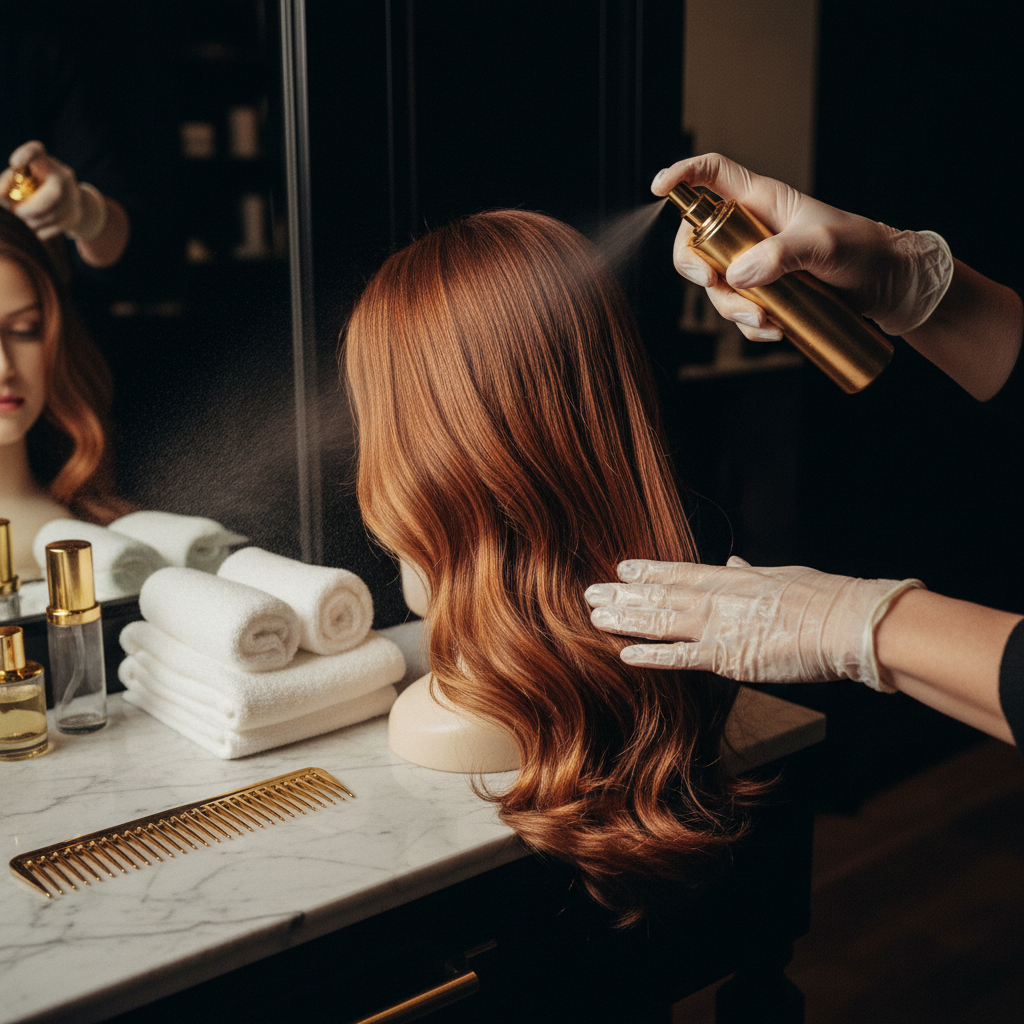
Quick answer: Knowing how to hydrate dry hair involves a multi-step approach focused on restoring and retaining moisture within the hair shaft and scalp. It typically includes using gentle, hydrating products, deep conditioning treatments, and practices that minimise moisture loss and physical damage. This comprehensive strategy helps to improve hair's elasticity, smoothness, and shine. However, severe dryness could indicate underlying health issues requiring professional medical advice.
Key takeaways
- Understand Hair Porosity: Knowing your hair's porosity helps you choose products that effectively penetrate and seal moisture, preventing dryness.
- Gentle Cleansing is Crucial: Use sulfate-free, moisturising shampoos to cleanse without stripping natural oils, which are vital for hair hydration.
- Deep Conditioning Regularly: Incorporate weekly or bi-weekly deep conditioning treatments or hair masks to provide intense moisture and repair the hair cuticle.
- Seal in Moisture: Employ leave-in conditioners and natural oils to create a barrier that locks moisture into the hair shaft, especially after washing.
- Minimise Heat and Friction: Air dry when possible, use heat protectants, and avoid aggressive towel drying or tight hairstyles to prevent damage and moisture loss.
- Consider Internal Factors: Hydration isn't just external; a balanced diet and adequate water intake support overall hair health from within.
How to hydrate dry hair: what the evidence shows
Hydrating dry hair centres on two main principles: introducing moisture to the hair shaft and preventing that moisture from escaping. Hair becomes dry when its outermost layer, the cuticle, is lifted or damaged, making it difficult for the hair to retain water. This can lead to a rough texture, frizz, reduced elasticity, and increased susceptibility to breakage. The scientific approach to addressing this involves using humectants, emollients, and occlusives, often found in conditioners, masks, and leave-in products, to attract, soften, and seal moisture into the hair.
The mechanism of hair hydration
The hair shaft, primarily composed of keratin protein, contains a natural moisture content. When this moisture level drops below optimal, hair becomes dry. The cuticle, made of overlapping scales, normally lies flat, protecting the inner cortex and maintaining moisture. Damage or environmental factors can lift these scales, allowing water to evaporate more easily.
Products designed to hydrate dry hair work in several ways:
- Humectants (e.g., glycerin, hyaluronic acid, panthenol) attract water from the atmosphere or from within the product itself and bind it to the hair, helping to draw moisture into the hair shaft. They are particularly effective in humid conditions. You can read more about them in Humectants: Understanding How They Hydrate and Protect Your Hair.
- Emollients (e.g., fatty alcohols, natural oils, silicones) smooth the cuticle, filling in gaps and making the hair feel softer and more pliable. They reduce friction and improve light reflection, enhancing shine.
- Occlusives (e.g., heavier oils like jojoba, argan, or shea butter, and certain silicones) form a protective barrier on the hair surface. This barrier helps to seal in the moisture provided by humectants and emollients, preventing its evaporation.
Combined, these ingredients work synergistically to restore the hair's natural moisture balance, improve its texture, and protect it from further environmental damage. The overall goal is to close and smooth the cuticle, allowing hair to retain its natural hydration and appear healthier.
What causes dry hair?
Dry hair can stem from various factors, both internal and external. Understanding these causes is the first step in learning how to hydrate dry hair effectively.
Environmental Factors:
- Low humidity: Dry air, especially in colder climates or arid regions, can draw moisture out of the hair.
- Sun exposure: Prolonged exposure to UV radiation can degrade the hair's protein structure and cuticle, leading to dryness.
- Wind: Constant wind exposure can strip hair of its natural oils and moisture.
- Chlorine and saltwater: Swimming in chlorinated pools or the ocean can strip hair of its natural protective oils, leaving it dry and brittle.
Hair Care Practices:
- Harsh shampoos: Shampoos containing strong sulfates can aggressively strip away natural oils (sebum) from the scalp and hair, leading to dryness. See Sulfate-Free Shampoo Benefits for more information.
- Excessive washing: Washing hair too frequently can remove the beneficial natural oils before they have a chance to moisturise the hair shaft.
- Heat styling: Frequent use of high-temperature styling tools like flat irons, curling irons, and blow dryers can evaporate internal moisture and damage the cuticle. Refer to Heat Styling Safety Best Practices.
- Chemical treatments: Colouring, perming, relaxing, or bleaching processes significantly alter the hair structure, making it more porous and prone to dryness. Chemical Hair Treatments: What They Are and How They Affect Hair provides further insight.
- Inadequate conditioning: Not using a conditioner or using one that isn't rich enough for your hair type can leave hair unprotected and dry. Choosing the Right Hair Conditioner offers guidance.
- Aggressive towel drying: Rubbing hair vigorously with a rough towel can lift the cuticle, creating friction that leads to frizz and damage. Hair Drying Techniques discusses gentler methods.
Internal Factors and Health Conditions:
- Age: As people age, the scalp's sebaceous glands may produce less oil, leading to naturally drier hair.
- Nutritional deficiencies: A diet lacking essential fatty acids, vitamins (especially A, C, E), and minerals can impact hair health and moisture levels.
- Hormonal imbalances: Conditions affecting thyroid hormones or other hormonal shifts can influence sebum production and hair hydration.
- Underlying health conditions: Certain medical conditions can affect the body's ability to hydrate or nourish hair effectively. If you suspect a health issue, always consult a healthcare professional.
Signs of dry hair
Recognising the signs of dry hair is crucial for effective intervention. Dry hair typically exhibits several noticeable characteristics that indicate a lack of moisture. These signs become more pronounced as dryness increases.
- Rough texture: Healthy hair feels smooth due to a flat cuticle. Dry hair often feels coarse or straw-like, a direct result of raised cuticle scales.
- Lack of shine: Hair with a smooth, intact cuticle reflects light effectively, appearing shiny. Dry hair, with its uneven surface, scatters light, making it look dull and lifeless.
- Frizz: When the cuticle is open or damaged, it allows moisture from the air to penetrate the cortex unevenly, causing the hair shaft to swell and lead to frizz. Dealing with Frizzy Hair explores this further.
- Reduced elasticity: Healthy, well-hydrated hair is flexible and can stretch slightly before returning to its original state. Dry hair lacks this elasticity, making it stiff and prone to snapping rather than stretching.
- Increased breakage: Due to reduced elasticity, dry hair is more fragile and breaks easily, especially when combed or brushed. This is different from hair shedding (telogen effluvium) or hair loss (alopecia), where the hair detaches from the follicle. Hair Damage: Causes, Signs, and Solutions offers more on breakage.
- Split ends: The ends of dry hair are particularly vulnerable to damage. Lack of moisture weakens the hair shaft, causing the ends to split or fray.
- Difficulty styling: Dry hair often resists styling, struggles to hold shape, and can feel unmanageable because it lacks the pliability of hydrated hair.
- Itchy or flaky scalp (sometimes): While not always directly linked, a dry scalp can sometimes accompany dry hair, especially if environmental factors or harsh products are stripping natural oils from both the skin and hair.
What you can do: an action plan to hydrate dry hair
Learning how to hydrate dry hair involves adopting a comprehensive routine that introduces moisture and minimises its loss. Here's an action plan based on evidence-backed practices:
-
Choose hydrating shampoos and conditioners: Opt for sulfate-free, moisturising formulas that cleanse gently without stripping natural oils. Look for ingredients like glycerin, panthenol, shea butter, and various plant oils. These products help maintain the hair's natural moisture barrier. See Choosing the Right Shampoo: A Comprehensive Guide to Hair Cleansing.
-
Deep condition regularly: Integrate a deep conditioning treatment or hair mask into your routine once a week or every two weeks. These products typically contain a higher concentration of conditioning agents, humectants, and emollients to penetrate deeply and provide intense hydration. Apply to clean, damp hair, focus on mid-lengths and ends, and leave on for the recommended time (typically 10 to 20 minutes) before rinsing thoroughly. For enhanced penetration, some people use a warm towel or shower cap.
-
Use leave-in products: After washing, apply a leave-in conditioner or hair milk to damp hair. These products provide ongoing hydration, detangle, and form a protective layer that seals in moisture and protects against environmental damage. This is particularly beneficial for curly or afro-textured hair types, which are naturally more prone to dryness. See How to Moisturise Afro Hair: A Guide to Hydration and Retention and Moisturizing Afro-Textured Hair.
-
Incorporate hair oils: Natural oils like argan, jojoba, coconut, or olive oil can act as occlusives, sealing in moisture and adding shine. Apply a small amount to the ends of damp or dry hair. For an intensive treatment, some individuals use a pre-shampoo oil treatment, applying oil to dry hair for 30 minutes to an hour before shampooing to protect strands from potential stripping during cleansing.
-
Minimise heat styling: Reduce the frequency of heat styling. When you do use heat tools, always apply a heat protectant spray beforehand to create a barrier and reduce thermal damage. Opt for the lowest effective temperature setting and ensure hair is mostly dry before applying direct heat. Heat Styling: Understanding Its Effects and How to Protect Your Hair provides further details.
-
Gentle drying techniques: Instead of rubbing vigorously with a terrycloth towel, gently blot excess water from your hair using a microfiber towel or a soft cotton T-shirt. This reduces friction and prevents cuticle damage, minimising frizz and breakage.
-
Protect hair from environmental stressors: Wear hats when exposed to prolonged sun or strong winds. Before swimming in chlorinated or saltwater, wet your hair and apply a leave-in conditioner to create a barrier, reducing the amount of harsh chemicals or salt absorbed.
-
Regular trims: While trims don't directly hydrate hair, they remove split ends and damaged sections that can travel up the hair shaft, making hair appear drier and more brittle. Regular trims promote healthier-looking hair.
-
Hydrate from within: Ensure you maintain a balanced diet rich in essential fatty acids (omega-3s), vitamins (A, C, E, biotin), and minerals (zinc, iron). These nutrients support overall hair health and the production of natural oils. Adequate water intake is also fundamental for systemic hydration, which indirectly benefits hair.
What the evidence does not show about how to hydrate dry hair
While many products and practices claim to hydrate dry hair, it's important to distinguish between evidence-backed methods and those lacking scientific support.
- Water alone cannot 'hydrate' hair internally: While rinsing with water is essential for cleansing, simply dousing hair in water won't provide lasting hydration. The hair shaft needs emollients and occlusives to retain that moisture. Tap water quality, particularly hard water, can even deposit minerals that lead to dryness and dullness. Hard Water and Hair Damage: Understanding the Impact on Your Hair explains this phenomenon.
- Specific foods as 'miracle cures': While a balanced diet supports overall health, including hair health, no single food or supplement has been scientifically proven to instantly or dramatically 'hydrate' dry hair on its own. Claims about specific "superfoods" often lack rigorous clinical evidence for direct hair hydration benefits.
- Over-the-counter products treating underlying medical conditions: If dry hair is a symptom of an underlying medical condition (e.g., thyroid issues, nutritional deficiencies), cosmetic products will only address the symptom, not the root cause. No cosmetic product can cure such medical conditions.
- Rapid results without consistent care: Claims of overnight or instant, permanent hydration are often overstated. Hydrating dry hair is a continuous process that requires consistent effort and a tailored routine. The effects of products typically diminish with washing or over time.
When to get professional advice
Most cases of dry hair can be managed effectively with a consistent, hydrating hair care routine. However, there are instances when seeking advice from a professional, such as a trichologist or dermatologist, is advisable.
- Persistent dryness despite care: If your hair remains severely dry, brittle, or prone to breakage even after diligently following a comprehensive hydrating routine for several weeks, it might indicate an underlying issue.
- Scalp concerns: If dry hair is accompanied by severe scalp itching, redness, flaking, or pain that doesn't improve with standard treatments, a professional can diagnose conditions like dermatitis or other scalp disorders.
- Sudden or unexplained changes: A sudden onset of extreme dryness, especially if accompanied by changes in hair texture, thinning, or unusual hair loss (distinct from breakage), warrants medical evaluation. This could signal hormonal imbalances, nutritional deficiencies, or other health conditions.
- Suspected product reaction: If you suspect an allergic reaction or irritation from hair products is contributing to dryness or scalp issues, a dermatologist can help identify the culprit and recommend alternatives.
- Chemical damage: If your hair has been severely damaged by chemical treatments (e.g., over-processing with bleach), a professional stylist or trichologist can assess the extent of the damage and recommend reparative treatments and a recovery plan.
Frequently asked questions about How to hydrate dry hair
Can diet affect how to hydrate dry hair?
Yes, diet plays a role in overall hair health. While no food directly injects moisture into your hair strands, a balanced diet rich in essential fatty acids (like omega-3s from fish or flaxseed), vitamins (A, C, E, B vitamins), and minerals (zinc, iron) supports the body's natural production of sebum and keratin. This internal nourishment helps maintain the integrity of the hair shaft and scalp health, indirectly contributing to your hair's ability to stay moisturised.
Is showering in hot water bad for dry hair?
Showering with excessively hot water can be detrimental to dry hair. Hot water can strip the hair of its natural protective oils (sebum) and cause the hair cuticle to lift excessively. An open cuticle makes it harder for hair to retain moisture, leading to increased dryness, frizz, and vulnerability to damage. It
Find these ingredients in Watermans products
- Biotin: you will find this ingredient in our Hair Growth Shampoo.
- Zinc: you will find this ingredient in our Hair Vitamins.
- Shea Butter: you will find this ingredient in our Curly Hair Conditioner.