How to Use Hair Oil
5 min read ·
Using hair oil effectively depends on understanding its purpose, selecting the right type for your hair, and applying it correctly for optimal benefits.
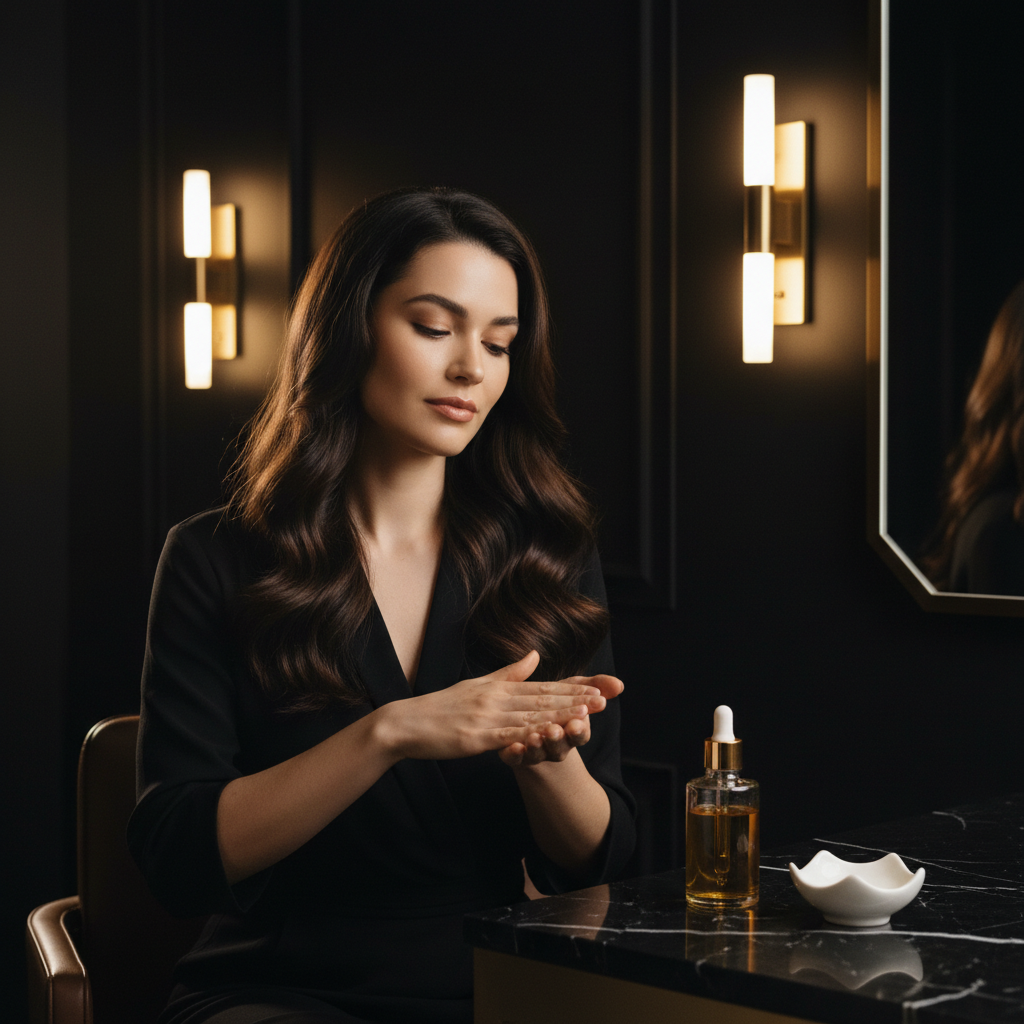
Hair oil treatments have been a cornerstone of hair care routines across various cultures for centuries, valued for their ability to nourish, protect, and enhance the hair's appearance. The fundamental principle behind hair oil application is to supplement the hair's natural lipids, which can be depleted by environmental factors, heat styling, and chemical treatments. Understanding the diverse types of hair oils and their specific benefits is crucial for integrating them effectively into a hair care regimen.
Understanding Hair Oils
Hair oils are typically composed of fatty acids, vitamins, and minerals that can penetrate the hair shaft or form a protective layer around it. Their primary functions include:
- Moisturization: Oils help to seal in moisture, preventing dehydration and dryness.
- Strengthening: Some oils provide nutrients that can fortify the hair, reducing breakage.
- Shine Enhancement: They smooth the hair cuticle, leading to increased light reflection and a glossy appearance.
- Scalp Health: Certain oils possess antimicrobial or anti-inflammatory properties that can soothe the scalp and address issues like flakiness or irritation.
- Heat Protection: A light coating of oil can offer a degree of protection against the damaging effects of heat styling tools.
Types of Hair Oils
Hair oils can broadly be categorized into two groups based on their molecular structure and how they interact with the hair:
- Penetrating Oils: These oils have smaller molecules that can enter the hair shaft, providing internal nourishment and reducing protein loss. Examples include coconut oil, olive oil, and avocado oil.
- Sealing Oils: These oils have larger molecules that sit on the hair's surface, forming a protective barrier that locks in moisture and adds shine. Examples include jojoba oil, argan oil, and grapeseed oil.
The choice of oil should align with your hair type and the specific concerns you aim to address.
Selecting the Right Hair Oil
Choosing the appropriate hair oil is paramount for achieving desired results. The table below outlines common oil types and their suitability for different hair and scalp conditions.
| Hair/Scalp Concern | Suitable Oil(s) | Key Benefits |
|---|---|---|
| Dry, damaged hair | Coconut, Olive, Avocado, Argan, Sweet Almond | Deep conditioning, moisture retention, reduced breakage |
| Fine, oily hair | Jojoba, Grapeseed, Argan | Lightweight moisturization, scalp balancing, non-greasy finish |
| Frizzy hair | Argan, Olive, Coconut, Sweet Almond | Smoothes cuticle, reduces frizz, adds shine |
| Dull hair | Argan, Coconut, Olive, Jojoba | Enhances shine, improves texture |
| Itchy, flaky scalp | Tea Tree (diluted), Jojoba, Peppermint (diluted) | Soothes irritation, antimicrobial properties (for Tea Tree) |
| Slow hair growth | Rosemary (diluted), Castor, Peppermint (diluted) | Stimulates circulation, fortifies follicles (anecdotal evidence) |
Note: Essential oils like Tea Tree, Rosemary, and Peppermint should always be diluted with a carrier oil (e.g., Jojoba, Argan) before direct application to the scalp or hair due to their potency.
Methods of Application
Hair oil can be integrated into your routine in several ways, each offering distinct benefits:
1. Pre-Shampoo Treatment (Hot Oil Treatment)
This method is particularly beneficial for dry, damaged, or brittle hair. It helps to protect the hair from the stripping effects of shampoo and provides deep conditioning.
Procedure:
- Warm a small amount of oil (1-3 tablespoons, depending on hair length and thickness) by placing the bottle in a bowl of hot water or gently heating it in a microwave for 15-30 seconds. Ensure the oil is warm, not hot, to prevent scalp burns.
- Apply the warm oil evenly to dry hair, focusing on the mid-lengths and ends. For scalp issues, gently massage the oil into the scalp.
- Leave the oil on for at least 30 minutes, or overnight for intensive conditioning. Cover your hair with a shower cap to enhance penetration and protect bedding.
- Shampoo and condition as usual. You may need to shampoo twice to thoroughly remove the oil.
2. Leave-In Treatment
As a leave-in, oil helps to tame frizz, add shine, and provide ongoing protection throughout the day. This method is best for those with dry or coarse hair.
Procedure:
- After washing and conditioning, towel-dry your hair until it is damp.
- Dispense a few drops of lightweight oil (e.g., argan, jojoba) into your palms and rub them together.
- Distribute the oil evenly through your hair, starting from the mid-lengths to the ends. Avoid the roots if your hair tends to get oily quickly.
- Style as desired. Start with a very small amount and add more if needed, as too much oil can weigh down the hair.
3. Scalp Massage
Regular scalp massages with oil can improve blood circulation, nourish hair follicles, and address scalp dryness or irritation.
Procedure:
- Apply a small amount of oil directly to your fingertips.
- Using circular motions, gently massage the oil into your scalp for 5-10 minutes. You can do this on dry hair before shampooing or as an overnight treatment.
- If using as an overnight treatment, wash your hair the following morning.
4. For Finishing and Shine
A touch of oil can be used on dry hair to add gloss, smooth flyaways, and provide a polished finish.
Procedure:
- Take 1-2 drops of a lightweight oil and rub it between your palms.
- Lightly smooth your palms over the surface of your dry hair, focusing on the mid-lengths and ends. Focus on areas prone to frizz or dullness.
Important Considerations
- Less is More: Always start with a small amount of oil. It is easier to add more than to remove excess.
- Hair Type: Those with fine or oily hair should opt for lighter oils and apply them sparingly, avoiding the roots. Thicker, drier, or coarser hair types can generally tolerate richer oils and more generous application.
- Frequency: The ideal frequency depends on your hair's needs. Daily application might suit very dry hair, while weekly treatments may suffice for others.
- Patch Test: Before applying a new oil extensively, perform a patch test on a small area of skin to check for any allergic reactions or sensitivities.
- Washing: Always ensure thorough washing after oil treatments, especially if you have an oily scalp concern, to prevent product buildup.
Watermans Hair products are designed to support and enhance healthy hair growth and scalp conditions, and can be integrated into a routine that includes mindful oil usage.
Find these ingredients in Watermans products
- Rosemary Extract, you will find this ingredient in our Hair Growth Shampoo.