Hair Detangling: Techniques, Tools, and Preventing Breakage
7 min read ·
Hair Detangling involves carefully separating tangled hair strands to prevent damage and breakage, a crucial practice for maintaining hair health.
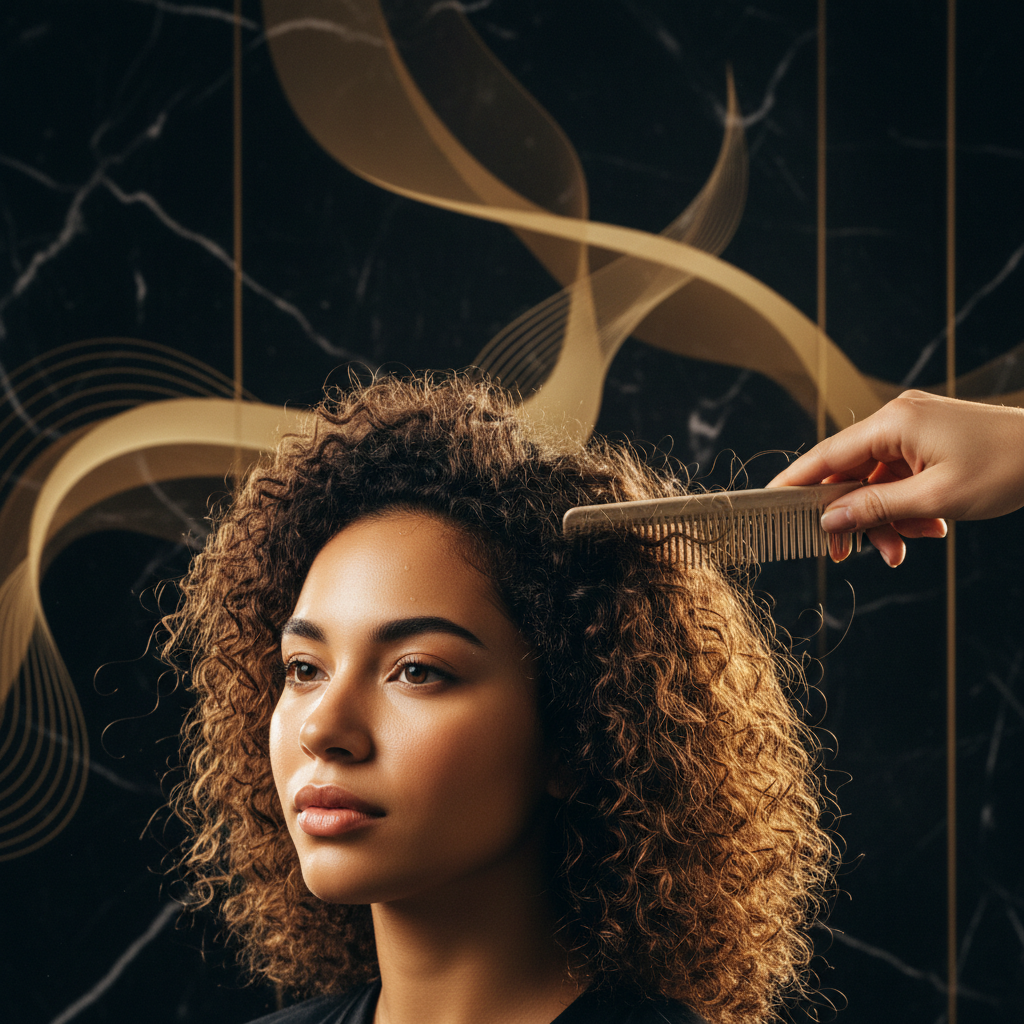
Quick answer: Hair Detangling is the careful process of separating intertwined hair strands to prevent breakage, pain, and damage to the hair fibre. It typically involves using specific tools and techniques, often with the aid of conditioning products, to gently release knots. Its main limitation is that improper technique or unsuitable tools can exacerbate damage rather than prevent it.
Key takeaways
- Hair tangles form when the hair's outer cuticle layers interlock, often due to dryness, friction, or damage.
- Effective Hair Detangling is essential to prevent mechanical damage, such as breakage and split ends, which can compromise hair health.
- Always detangle hair gently, starting from the ends and working your way up to the roots, using a wide-tooth comb or a detangling brush.
- Using a conditioner, detangling spray, or leave-in treatment provides lubrication, making the hair strands more pliable and reducing friction during detangling.
- Wet hair is more fragile and elastic than dry hair, making it prone to breakage if detangled incorrectly.
- Preventative measures like protective styling, moisturising, and using satin pillowcases can significantly reduce tangle formation.
Hair Detangling: what the evidence shows
Hair Detangling refers to the process of carefully separating individual hair strands that have become intertwined, forming knots or tangles. These tangles occur when the hair's cuticle, the outermost layer made of overlapping scales, becomes raised or roughened, causing adjacent strands to snag and interlock. When hair is healthy and smooth, these scales lie flat, allowing strands to glide past each other easily. Factors like dryness, chemical treatments, heat styling, friction, and environmental exposure can lift or damage the cuticle, making hair more prone to tangling.
Evidence shows that proper Hair Detangling is not merely a cosmetic concern but a vital practice for maintaining the structural integrity of the hair fibre and scalp health. Untangling hair incorrectly, especially by pulling forcefully, can lead to significant mechanical damage. This damage includes fracture of the hair shaft (breakage), split ends (trichoptilosis), and cuticle abrasion, all of which weaken the hair, make it appear dull, and increase its susceptibility to further damage. Regular, gentle detangling helps to distribute natural oils from the scalp down the hair shaft, contributing to overall hair health and shine, while also removing shed hairs that can contribute to tangle formation.
Conversely, insufficient or improper detangling can create a cycle of damage. If tangles are left untreated, they can become larger and tighter, making them even more challenging to remove without causing breakage. This can lead to a perceived reduction in hair density or length over time, even though it is not true hair loss from the follicle, but rather breakage along the shaft.
The mechanism of tangle formation
Hair tangles arise from the complex interaction of hair structure, surface properties, and external forces. Each hair strand has an outer cuticle layer, consisting of several layers of dead, flattened cells overlapping like shingles on a roof. These scales typically point towards the hair tip. When the hair is healthy and well-conditioned, these scales lie flat, creating a smooth surface with a low coefficient of friction, allowing strands to move freely against each other.
However, various factors can disrupt this smooth surface:
- Cuticle Damage: Chemical processes (like colouring, perming, or relaxing), excessive heat styling, and even harsh washing can lift or abrade the cuticle scales. When these scales are raised, they act like tiny hooks, catching onto adjacent hair fibres.
- Dryness and Lack of Sebum: Dry hair is more rigid and less pliable than moisturised hair. It also tends to have a rougher surface. Sebum, the natural oil produced by the scalp, helps to lubricate the hair shaft, reducing friction. When hair lacks sufficient moisture or natural oils, strands are more likely to snag.
- Friction: Mechanical forces, such as rubbing hair against clothing, towels, pillowcases (especially cotton), or aggressive brushing, can cause strands to intertwine and knot. Long hair, with more surface area for friction, is particularly susceptible.
- Electrostatic Charge: Dry hair can develop an electrostatic charge, causing individual strands to repel each other and float apart, increasing the likelihood of intertwining and knotting.
- Shed Hairs: Hair naturally sheds around 50 to 100 strands per day. These shed hairs, still caught within the hair mass, can easily become entangled with attached strands, forming knots.
Once caught, the natural movement of the head and body, combined with the forces described above, can tighten these interlocked strands into larger, more stubborn tangles. The longer a tangle remains, the tighter and more difficult it generally becomes to remove without causing damage.
Tools and products for effective Hair Detangling
Choosing the right tools and products is crucial for minimising damage during Hair Detangling. The goal is to reduce friction and gently separate strands without excessive pulling or snapping.
Essential Detangling Tools
| Tool Type | Description and Use |
|---|---|
| Wide-Tooth Comb | Ideal for detangling wet or damp hair. Its broad, widely spaced teeth allow it to glide through knots without snagging, distributing product evenly. Start from the ends and work up gradually. |
| Detangling Brush | Features flexible bristles (often nylon or silicone) that bend and move with the hair, designed to minimise pulling and breakage. Many are suitable for both wet and dry hair, and some have a curved shape to contour to the scalp. |
| Fingers | The first line of defence. Use your fingers to gently separate larger knots or matted sections before introducing a comb or brush. This helps to feel for tension and prevent forceful pulling, especially important for curly or coily textures. |
Detangling Products
Detangling products work by lubricating the hair shaft, reducing friction between strands, and often smoothing the cuticle. This allows combs and brushes to glide through more easily.
- Conditioners: Applied after shampooing, conditioners contain cationic surfactants and emollients that temporarily smooth the cuticle and provide slip. They are essential for wet Hair Detangling, particularly for those with dry or tangled hair. (See: The Science of Conditioners: How Hair Care Formulations Work and Choosing the Right Hair Conditioner).
- Leave-in Conditioners/Detangling Sprays: These lightweight products are applied to damp or dry hair and are designed to provide extra lubrication and moisture, making daily detangling easier and offering ongoing protection against tangles. They often contain humectants for hydration (See: Humectants: Understanding How They Hydrate and Protect Your Hair).
- Hair Oils: For very dry, thick, or curly hair types, a small amount of lightweight hair oil can be applied to aid in detangling, providing slip and shine. (See: Moisturizing Afro-Textured Hair).
When using any product for Hair Detangling, ensure even distribution, focusing on the mid-lengths and ends where tangles are most common.
Effective Hair Detangling techniques
Regardless of hair type, the fundamental principle of Hair Detangling is gentleness and patience. Forceful pulling will lead to breakage and damage.
For Wet Hair
Wet hair is significantly more fragile and elastic than dry hair because the keratin bonds are temporarily weakened by water absorption. This means it can stretch further before breaking but is also more susceptible to damage.
- Apply Product: After shampooing, gently squeeze excess water from your hair. Apply a generous amount of conditioner or a dedicated detangling product, focusing on the mid-lengths and ends. Ensure even distribution.
- Finger Detangle First: Use your fingers to gently work through larger sections, separating obvious knots. This helps to minimise resistance for your comb or brush.
- Section Hair (Optional but Recommended): For long, thick, or curly hair, divide your hair into 2 to 4 manageable sections. This allows for more focused and gentle detangling.
- Start from the Ends: Using a wide-tooth comb or detangling brush, start combing about 1 to 2 inches from the ends of a section. Once that small section is free of tangles, move up another inch or two, combining the detangled section with the new section, and continue working your way towards the roots. Never start combing from the roots downwards through tangled ends.
- Be Gentle: When you encounter a knot, do not pull. Instead, hold the hair above the knot firmly with one hand to minimise tension on the scalp and roots, and gently work the comb or brush through the tangle with the other hand. You can also use your fingers to loosen the knot further.
- Rinse (if using conditioner): Once fully detangled, you can rinse out the conditioner.
For Dry or Damp Hair
While generally recommended for wet hair, sometimes detangling dry or damp hair is necessary. This requires even more caution.
- Apply Leave-in or Detangling Spray: Mist hair with a leave-in conditioner or detangling spray to provide slip and moisture. This is especially important for dry hair, as combing dry hair can cause friction and static.
- Finger Detangle First: As with wet hair, use your fingers to loosen larger tangles.
- Section and Start from Ends: Follow the same sectioning and