Hair Conditioners
4 min read ·
Hair conditioners are essential haircare products designed to improve the feel, appearance, and manageability of hair, primarily by reducing friction.
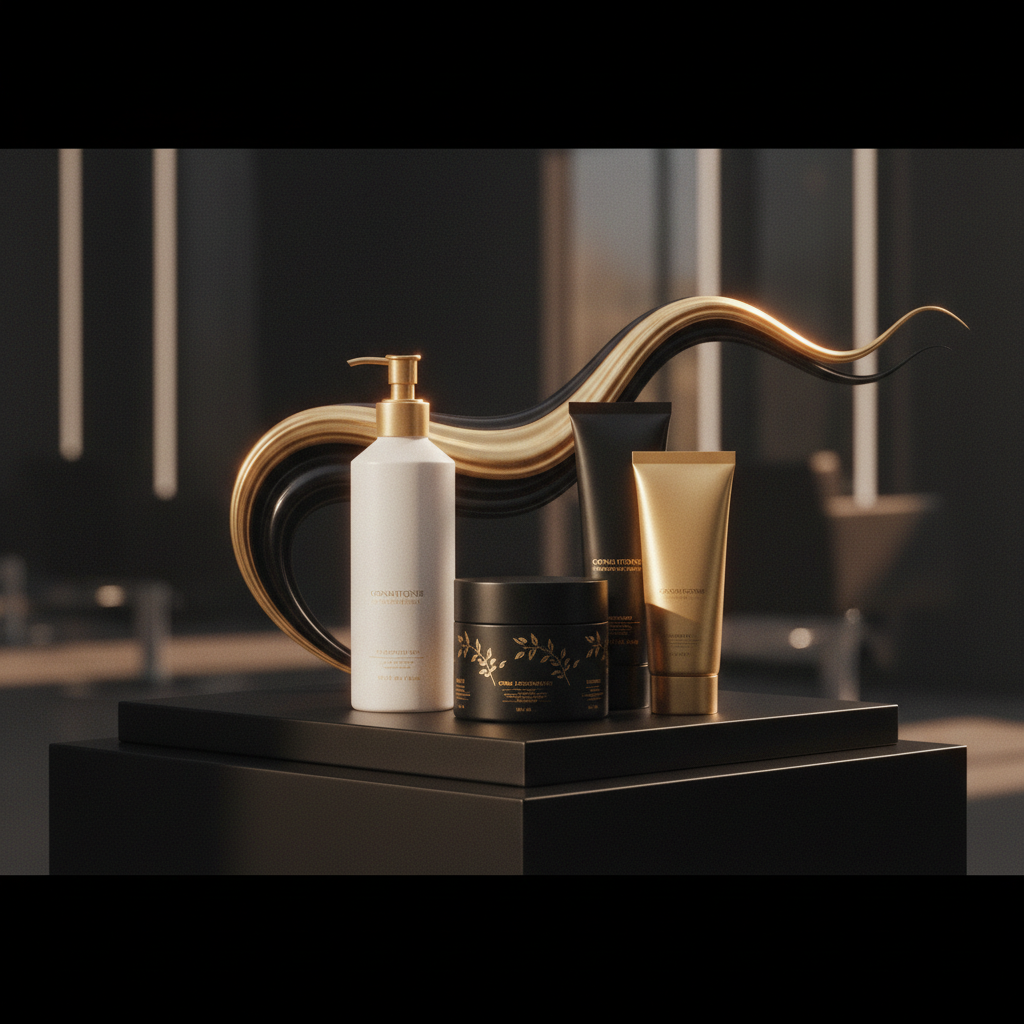
What Are Hair Conditioners?
Hair conditioners are cosmetic preparations that alter the texture and appearance of hair. Their primary function is to reduce friction between hair strands, which helps prevent damage and makes hair easier to comb and style. They achieve this through a combination of ingredients that coat the hair shaft, re-seal the cuticle, and replenish moisture.
How Conditioners Work: The Science of Hair Improvement
The hair shaft, particularly the outermost layer called the cuticle, can become rough, lifted, or damaged due to various factors such as chemical treatments, heat styling, environmental exposure, and even aggressive brushing. A healthy cuticle lies flat, reflecting light and providing a smooth surface.
Conditioners typically contain several key types of ingredients that work in concert:
- Cationic Surfactants: These are positively charged molecules that are attracted to the negatively charged areas of damaged hair. They deposit a thin film on the hair surface, which smooths the cuticle, reduces static electricity (frizz), and imparts a slippery feel. Common examples include cetrimonium chloride and behentrimonium methosulfate.
- Fatty Alcohols: Ingredients like cetyl alcohol and stearyl alcohol provide a emollient and moisturising effect without leaving a greasy residue. They contribute to the creamy texture of conditioners.
- Humectants: These ingredients attract and retain moisture from the atmosphere into the hair. Glycerin and panthenol are frequently used humectants.
- Proteins: Hydrolyzed proteins (e.g., wheat protein, keratin) can temporarily fill in gaps and strengthen the hair shaft, offering a temporary repair effect.
- Silicones: These polymers form a protective layer on the hair, enhancing shine, smoothness, and detangling. They also reduce water loss. Examples include dimethicone and cyclomethicone. The type and amount of silicone can vary, with some being water-soluble and others more rinse-resistant.
- Acidifiers: Conditioners are often formulated with a slightly acidic pH (typically 3.5-5.0). This helps to flatten and close the hair cuticle, reinforcing the smoothing effect and enhancing shine. An acidic rinse after shampooing can have a similar, albeit temporary, effect.
Types of Hair Conditioners
There is a conditioner designed for nearly every hair type and concern. They can be broadly categorized by their application method and intended use:
Rinse-Out Conditioners
These are the most common type, applied after shampooing and then rinsed out. They provide daily detangling, smoothing, and light moisturising.
Leave-In Conditioners
Formulated to remain in the hair, leave-in conditioners offer continuous moisture, protection, and often provide styling benefits such as frizz control or heat protection. They are typically lighter in consistency than rinse-out conditioners.
Deep Conditioners / Hair Masks
These are richer, more intensive treatments designed to provide deep hydration, repair, and nourishment. They have a longer processing time (5-30 minutes) and are used less frequently than daily conditioners.
Cleansing Conditioners (Co-Wash)
These products combine mild cleansing agents with conditioning ingredients. They are designed to gently cleanse the hair and scalp while imparting significant moisture, often used by individuals with dry, coily, or delicate hair types to avoid the stripping effect of some traditional shampoos.
Choosing the Right Conditioner
Selecting the appropriate conditioner depends on your hair type, concerns, and desired results. Consider the following:
- Fine Hair: Look for lightweight or volumizing conditioners. These formulations often contain fewer heavy oils and silicones that can weigh hair down.
- Thick/Coarse Hair: Richer, emollient conditioners with ingredients like shea butter or heavier oils can provide necessary moisture and control.
- Dry/Damaged Hair: Deep conditioners, leave-ins, and products rich in humectants, proteins, and reparative ingredients are beneficial.
- Oily Scalp with Dry Ends: Focus conditioner application primarily on the mid-lengths and ends of the hair, avoiding direct application to the scalp.
- Colour-Treated Hair: Colour-safe conditioners are formulated to be gentle and help preserve colour vibrancy, often containing UV filters and ingredients that seal the cuticle tightly.
- Curly/Coily Hair: Creamy, moisturising conditioners, leave-ins, and co-washes are often preferred to manage dryness and enhance curl definition.
Application Techniques
For optimal results, apply conditioner to damp, not soaking wet, hair. Excess water dilutes the product and hinders its absorption. Squeeze out excess water gently after shampooing. Distribute the conditioner evenly, focusing on the mid-lengths and ends where hair is typically driest and most prone to damage. For most rinse-out conditioners, a contact time of 1-3 minutes is sufficient. For deep conditioners, follow the product's instructions, which may range from 5 to 30 minutes.
Conditioners and Scalp Health
While conditioners primarily target the hair shaft, some formulations are designed to address scalp concerns, such as dryness or oiliness. However, generally, conditioners are not intended for direct application to the scalp, as they can sometimes lead to product buildup or weigh down roots, especially for those with finer hair or oilier scalps. If you have a specific scalp concern, consider targeted scalp treatments or consult with a dermatologist or trichologist.
Find these ingredients in Watermans products
- Panthenol (Provitamin B5), you will find this ingredient in our Heat Protection Spray.
- Shea Butter, you will find this ingredient in our Curly Hair Conditioner.