Frizz Control Strategies: Evidence-Based Approaches for Smoother Hair
10 min read ·
Discover effective frizz control strategies backed by scientific understanding, focusing on managing hair hydration and cuticle health to achieve smoother, more manageable hair.
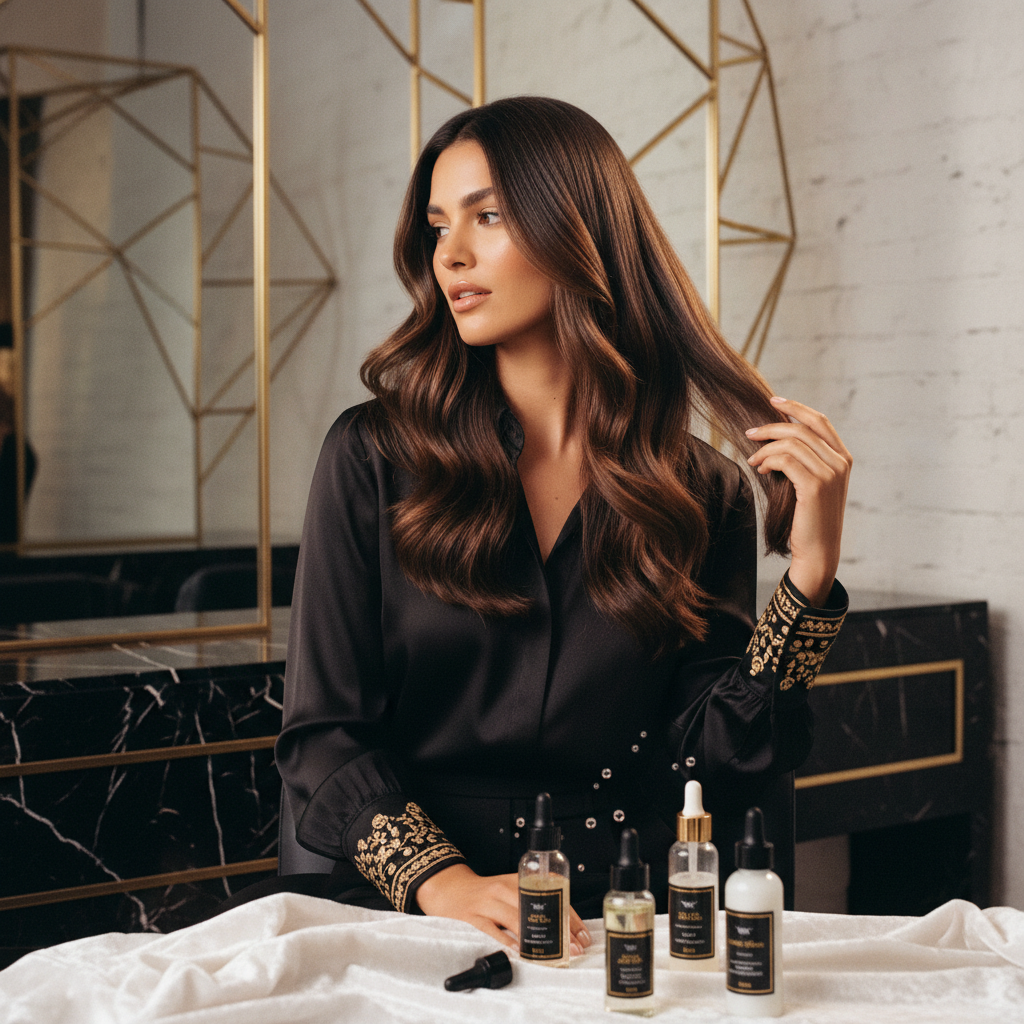
Quick answer: Frizz Control Strategies involve a combination of practices aimed at managing hair hydration, sealing the cuticle, and protecting the hair from environmental stressors like humidity. These strategies address the underlying causes of frizz, which include cuticle damage and a lack of moisture, helping to create smoother, more defined hair. The effectiveness of specific approaches can vary depending on hair type, porosity, and environmental conditions.
Key takeaways
- Frizz is primarily caused by a raised hair cuticle, allowing external moisture to penetrate and swell the hair fibre unevenly.
- Humidity, hair damage, and improper hair care routines are significant contributors to frizz.
- Effective frizz control strategies focus on maintaining hair hydration, smoothing the cuticle, and creating a barrier against humidity.
- Gentle washing, conditioning, and drying techniques are crucial for minimising cuticle disturbance.
- Using specific products that manage moisture levels and protect the hair can significantly reduce frizz.
- Understanding your hair's porosity helps in choosing the most effective frizz control strategies.
Frizz Control Strategies: what the evidence shows
Frizz refers to hair that appears unruly, undefined, and often stands away from the main body of hair. It occurs when the hair's outermost layer, the cuticle, is lifted or roughened. When the cuticle is not smooth and flat, it allows moisture from the surrounding air to enter the hair's inner structure (the cortex). This influx of water causes the hair fibres to swell unevenly, leading to the characteristic frizzy appearance.
The mechanism of frizz: why hair misbehaves
At a microscopic level, hair health is largely dictated by the condition of its cuticle. The cuticle is made up of overlapping, scale-like cells, much like shingles on a roof. In healthy, smooth hair, these scales lie flat, reflecting light and creating a smooth surface. This smooth surface also prevents excessive moisture from entering or leaving the hair shaft, maintaining its internal hydration balance.
When the cuticle is raised, two main problems arise:
- Moisture imbalance: A raised cuticle allows water molecules from humid air to easily penetrate the hair shaft. This causes the internal structure of the hair to expand unevenly. As some parts of the hair absorb more water than others, the hair swells disproportionately, leading to a wavy, unorganised, and frizzy texture. Conversely, in dry conditions, an open cuticle allows essential moisture to escape, leading to dry, brittle hair that can also appear frizzy due to a lack of flexibility and increased friction between strands.
- Increased friction: A rough, lifted cuticle creates more friction between individual hair strands. This friction can lead to tangles, breakage, and further mechanical damage, exacerbating the appearance of frizz. It also disrupts the hair's ability to form smooth, defined clumps, particularly in wavy, curly, and coily hair types.
Factors contributing to frizz
Several factors can lead to a raised cuticle and, consequently, frizz:
- Humidity: This is a primary driver of frizz. When the air has a high moisture content, water molecules are readily absorbed by hair with a compromised cuticle. Research indicates that hair can absorb up to 30% of its weight in water from the atmosphere, causing significant swelling (Robbins, 2012).
- Hair Damage: Chemical treatments (like colouring, perming, or relaxing), excessive heat styling, and even harsh brushing can lift and damage the cuticle. Damaged hair is more porous, meaning it has more gaps and openings, making it highly susceptible to absorbing atmospheric moisture and becoming frizzy. You can learn more in "Hair Damage: Causes, Signs, and Solutions".
- Lack of Moisture: Dry hair tends to have a more open cuticle as it seeks moisture from the environment. When hair is chronically dry, its cuticle is less pliable and more prone to lifting, making it easily affected by humidity.
- Hair Type and Porosity: Naturally curly, coily, or wavy hair types often have an inherently more open cuticle structure compared to straight hair, making them more prone to frizz. High porosity hair, regardless of curl pattern, absorbs and releases moisture rapidly, making it particularly susceptible to frizz in fluctuating humidity. Understanding your hair's porosity, discussed in "Understanding Hair Porosity: How Your Hair Absorbs and Retains Moisture", is key to tailored care.
- Mechanical Stress: Aggressive towel drying with a conventional terry cloth towel, vigorous brushing, or friction from cotton pillowcases can physically rough up the cuticle, leading to frizz. A study by the International Journal of Cosmetic Science showed that mechanical manipulation significantly impacts cuticle integrity (Gamage et al., 2011).
Effective Frizz Control Strategies for smoother hair
Implementing successful frizz control strategies involves a holistic approach focused on hydration, cuticle health, and environmental protection. Here's what you can do:
1. Gentle cleansing and deep conditioning
- Sulfate-free shampoos: Harsh sulfates can strip the hair's natural oils, leading to dryness and a raised cuticle. Opting for a sulfate-free shampoo helps preserve the hair's moisture barrier, keeping the cuticle smoother. Look for products with gentle cleansing agents. See "The Benefits of Sulfate-Free Hair Products" for more information.
- Hydrating conditioners: Always follow shampooing with a rich, hydrating conditioner. Conditioners contain ingredients that smooth the cuticle, detangle, and replenish moisture. Leave-in conditioners provide continuous hydration and an extra layer of protection against environmental factors throughout the day. "The Science of Conditioners: How Hair Care Formulations Work" explains this in detail.
- Deep conditioning treatments: Incorporate weekly or bi-weekly deep conditioning masks or treatments. These provide an intensive dose of moisture and nutrients, helping to repair and seal the damaged cuticle. Ingredients like proteins, ceramides, and humectants (such as hyaluronic acid or glycerine) are beneficial.
- Clarifying washes: While regular deep conditioning is vital, product build-up can also lead to dullness and frizz. An occasional clarifying wash, as detailed in "How to Do a Clarifying Wash: A Guide to Deep Hair Cleansing", can remove residues without stripping essential moisture if followed by a good conditioner.
2. Mindful drying techniques
- Gentle towel drying: Avoid rough towel drying with standard cotton towels, which can ruffle the cuticle. Instead, gently blot excess water with a microfibre towel or an old cotton t-shirt. These materials are smoother and less abrasive, helping to keep the cuticle flat.
- Air drying: Whenever possible, allow hair to air dry. This minimises heat exposure, which can be damaging. If you must use heat, always apply a heat protectant. "Hair Drying Techniques" offers further guidance.
- Diffuser use: If blow-drying curly or wavy hair, use a diffuser attachment on a low heat and low speed setting. This disperses the airflow, reducing direct heat and friction, and helps maintain the natural curl pattern without causing frizz.
3. Product selection and application
- Anti-frizz serums and creams: These products are formulated to create a barrier against humidity and smooth the hair shaft. Many contain silicones, which form a protective film, or humectants that draw moisture into the hair, keeping it pliable. Apply them to damp hair for best results.
- Hair oils: Lightweight oils like argan, jojoba, or grapeseed oil can add shine, seal the cuticle, and provide a protective layer without weighing the hair down. Apply a small amount to the mid-lengths and ends.
- pH-balanced products: Hair is naturally acidic, with a typical pH of 4.5 to 5.5. Products with a similar pH help to flatten and seal the hair cuticle. Shampoos and conditioners that are too alkaline (pH above 7) can cause the cuticle to swell and open, exacerbating frizz. Ensuring your products are pH-balanced supports cuticle health.
4. Protective practices
- Heat protection: Always use a heat protectant spray or serum before any heat styling. These products create a thermal barrier that minimises damage to the cuticle from high temperatures, thus preventing increased porosity and frizz. Refer to "Heat Styling Safety Best Practices" for more.
- Protective hairstyles: For longer or textured hair, protective styles like braids, twists, or buns can shield hair from environmental factors and reduce mechanical manipulation, which can lead to frizz, especially in humid conditions. This is particularly relevant for afro and curly hair, as discussed in "How to Care for Afro Hair: An Evidence-Based Guide".
- Silk or satin pillowcases: Switching from cotton to silk or satin pillowcases reduces friction against the hair shaft while you sleep. This minimises cuticle damage, tangling, and breakage, contributing to smoother hair and fewer flyaways.
5. When the cause may be something else and when to get professional advice
If you consistently experience severe frizz despite implementing these frizz control strategies, it might indicate an underlying issue. Extreme hair damage, certain medical conditions affecting hair structure, or chronic dryness from hard water can contribute to persistent frizz. For instance, hard water, with its high mineral content, can leave a film on hair that disrupts the cuticle and prevents proper hydration. See "Hard Water and Hair Damage: Understanding the Impact on Your Hair" for more details.
If frizz is accompanied by excessive breakage, unusual hair shedding, or scalp issues, it's advisable to consult a trichologist or dermatologist. They can diagnose specific hair and scalp conditions and recommend targeted treatments.
Comparison of Frizz Control Strategies and Their Actions
| Strategy Category | Primary Action | Key Examples |
|---|---|---|
| Moisture Management | Hydrates hair, balances internal water content | Hydrating conditioners, leave-in creams, deep conditioning |
| Cuticle Smoothing | Flattens and seals the hair's outer layer | pH-balanced products, serums, oils, gentle drying methods |
| Environmental Shield | Protects hair from humidity and pollutants | Anti-frizz products, heat protectants, protective styling |
| Damage Prevention | Minimises physical and chemical stress | Sulfate-free shampoos, silk pillowcases, gentle detangling |
Frequently asked questions about Frizz Control Strategies
How does humidity specifically cause frizz?
Humidity causes frizz because the water molecules in the air are attracted to the chemical bonds within your hair. When the hair's outer cuticle layer is raised (due to damage or dryness), these water molecules can easily penetrate the hair shaft, causing the internal structure to swell unevenly. This leads to the disorganised, puffy appearance known as frizz.
Can hair type affect the effectiveness of Frizz Control Strategies?
Yes, hair type significantly impacts frizz control. Naturally wavy, curly, and coily hair types tend to have a more open cuticle structure, making them more prone to frizz. Their unique curl patterns also mean strands don't lie as flat, increasing susceptibility to environmental moisture. Strategies often need to be more intensive for these hair types, focusing heavily on deep hydration and sealing the cuticle.
Are there any ingredients I should look for in anti-frizz products?
Look for ingredients that offer hydration, film-forming properties, or humectancy. Glycerine, hyaluronic acid, and panthenol are excellent humectants. Silicones (like dimethicone or cyclomethicone) and natural oils (such as argan, jojoba, or coconut oil) can create a protective barrier. Proteins like hydrolysed wheat protein can also temporarily strengthen and smooth the cuticle.
How often should I deep condition my hair to prevent frizz?
For most hair types prone to frizz, deep conditioning once a week is a good starting point. If your hair is very dry, damaged, or highly porous, you might benefit from deep conditioning twice a week. Listen to your hair; if it feels dry or looks frizzy, it's likely asking for more moisture. Consistent deep conditioning is a core component of effective Frizz Control Strategies.
Does hard water contribute to frizz?
Yes, hard water can significantly contribute to frizz. The high mineral content, particularly calcium and magnesium, can accumulate on the hair shaft, leaving a residue. This mineral build-up can prevent moisture from properly penetrating the hair, make the hair feel rough, and disrupt the cuticle, leading to increased dryness and frizz. A chelating shampoo can help remove this build-up.
Continuous care for frizz-free hair
Mastering Frizz Control Strategies is an ongoing journey that involves understanding your hair's unique needs and adapting your routine accordingly. By focusing on gentle care, adequate hydration, cuticle health, and protection from environmental factors, you can significantly reduce frizz and achieve smoother, more manageable hair. Consistency in these practices is key to maintaining long-term results and enhancing the overall health and appearance of your hair.
Sources and references
- Gamage, C. K., P. M. T. L. C. A., E. H., & R. T. (2011). The impact of mechanical manipulation on human hair cuticle integrity. International Journal of Cosmetic Science, 33(3), 209-216.
- Robbins, C. R. (2012). Chemical and Physical Behavior of Human Hair (5th ed.). Springer.","seo_title":"Frizz Control Strategies: Smoother Hair Guide","seo_description":"Explore effective frizz control strategies based on evidence. Learn how to manage hair hydration, seal cuticles, and protect hair for a smoother finish.","tags=[