Heat Damaged Hair
5 min read ·
Heat damage occurs when high temperatures alter the protein structure of hair, leading to dryness, breakage, and dullness.
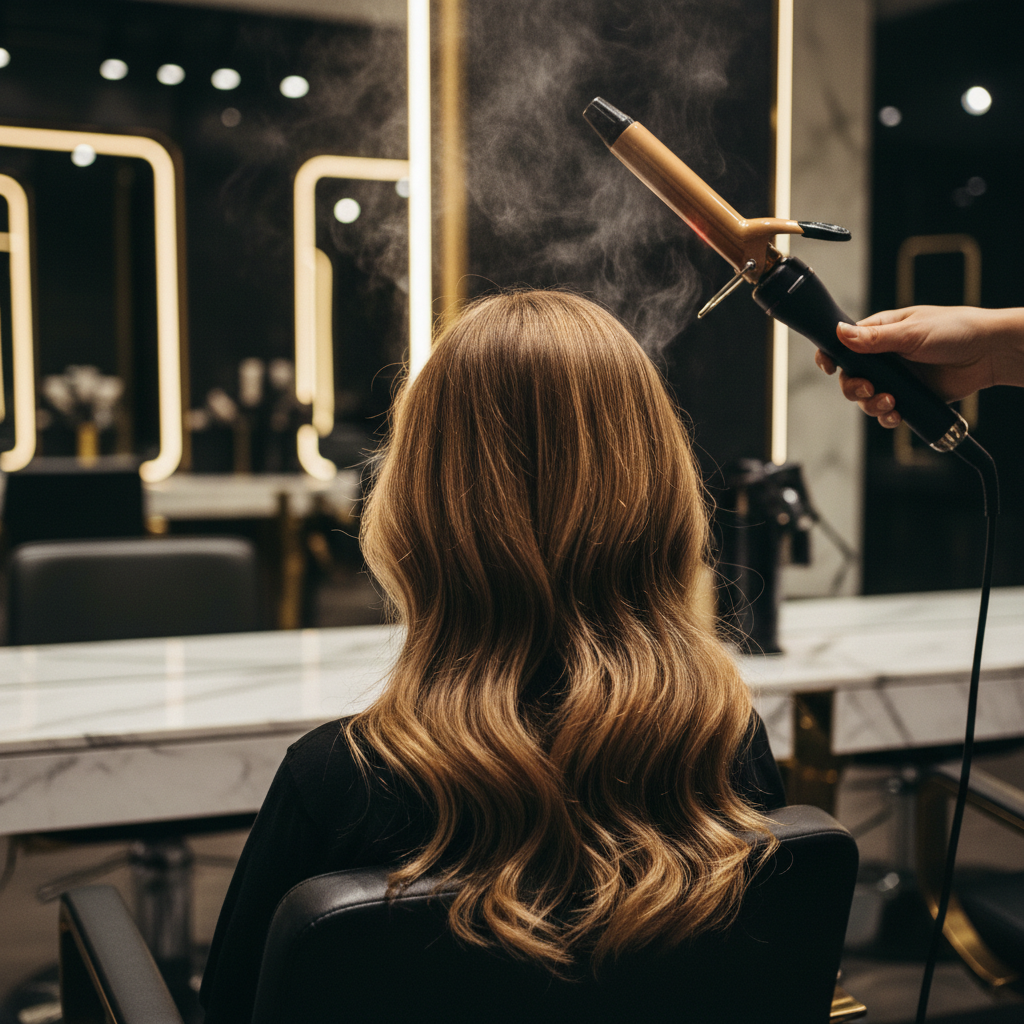
What is Heat Damaged Hair?
Heat damage refers to structural alterations in the hair shaft caused by exposure to excessive temperatures. The primary component of hair, keratin, a fibrous protein, can undergo denaturation and degradation when subjected to heat from styling tools such like hairdryers, flat irons, and curling wands. This process compromises the integrity of the hair's outer layer, the cuticle, and its inner cortex.
How Heat Damages Hair
The hair shaft is composed of three main layers: the cuticle, cortex, and medulla. The cuticle, the outermost layer, consists of overlapping scales that protect the inner structures. When exposed to heat, these scales can lift, crack, or even melt, leaving the cortex vulnerable. The cortex, which makes up the bulk of the hair, contains keratin fibres and melanin, which gives hair its colour. High temperatures can break the disulfide bonds within keratin, leading to a loss of strength and elasticity.
Humidity within the hair also plays a crucial role. Applying heat to wet or damp hair can cause water molecules to rapidly expand and create "steam bubbles" within the hair shaft, a phenomenon known as "bubble hair." This process further weakens the hair structure, making it prone to breakage.
Thermal styling tools often reach temperatures between 150°C and 230°C (300°F and 450°F). Repeated exposure to these temperatures, especially without adequate protection, cumulatively damages the hair.
Identifying Heat Damaged Hair
Recognizing the signs of heat damage is the first step toward intervention. Common indicators include:
- Dryness and Roughness: The hair feels coarse and lacks its natural moisture due to a compromised cuticle.
- Frizz and Flyaways: The lifted cuticle prevents hair strands from lying smoothly, leading to a frizzy appearance.
- Split Ends: The ends of the hair fray and split as the Protective outer layers erode.
- Breakage: Hair snaps easily, often at various points along the shaft, rather than just at the ends.
- Dullness: The hair loses its natural shine because the rough cuticle does not reflect light smoothly.
- Loss of Elasticity: Healthy hair can stretch gently and return to its original length. Damaged hair feels brittle and breaks instead of stretching.
- Difficulty Styling: Hair becomes unmanageable and does not hold styles well.
Preventing Heat Damage
Prevention is paramount in maintaining hair health when using heat tools. Several strategies can significantly reduce the risk of heat damage:
- Use a Heat Protection Spray: These products form a protective barrier on the hair shaft, distributing heat more evenly and reducing its direct impact. Many formulations contain silicones, polymers, or natural oils that encapsulate the hair, slowing down heat transfer.
- Lower Temperature Settings: Whenever possible, use styling tools on the lowest effective heat setting. Finer or chemically treated hair is more susceptible to damage at high temperatures.
- Limit Frequency: Reduce the number of times heat tools are used per week. Allowing hair to air dry or opting for heat-free styling methods on some days can make a substantial difference.
- Address Hair Condition: Ensure hair is adequately moisturized and healthy. Dry, brittle hair is more vulnerable to heat damage than well-conditioned hair. Regular conditioning treatments can improve resilience.
- Section Hair: Divide hair into manageable sections before styling. This ensures that each section receives adequate heat without over-exposure, and allows for thorough drying and styling.
- Keep Tools Moving: Do not hold flat irons or curling wands in one spot for too long. Continuous movement prevents localized overheating.
- Ensure Hair is Dry (for dry styling): When using flat irons or curling irons, ensure hair is completely dry unless the tool is specifically designed for wet-to-dry use. Applying high heat to wet hair can cause "bubble hair" as described above.
Treating Heat Damaged Hair
While damage to the hair's protein structure cannot be fully reversed, its appearance and manageability can be significantly improved with consistent care.
- Trim Regularly: Removing split ends and damaged sections prevents further fraying up the hair shaft.
- Deep Conditioning Treatments: Weekly or bi-weekly deep conditioners, hair masks, or protein treatments help to replenish moisture and strengthen the hair. These treatments often contain ingredients such as hydrolyzed proteins, amino acids, and emollients that temporarily fill gaps in the cuticle and cortex.
- Reduce Heat Styling: Minimize or temporarily cease the use of all heat styling tools to allow the hair to recover.
- Gentle Hair Care Practices: Use a wide-tooth comb to detangle wet hair, avoid aggressive towel drying, and opt for silk pillowcases to reduce friction.
- Use Specific Hair Care Products: Incorporate shampoos and conditioners designed for damaged hair. These products typically contain reparative ingredients that help smooth the cuticle and improve elasticity.
Understanding Heat Protection Products
Heat protection sprays work by creating a barrier that helps distribute heat evenly across the hair shaft, reducing direct thermal stress. They often contain a blend of ingredients:
| Ingredient Type | Function |
|---|---|
| Silicones (e.g., dimethicone) | Form a protective film, reduce friction, add shine, and aid in detangling. |
| Polymers (e.g., PVP) | Create a flexible barrier, help hold style, and protect against heat. |
| Hydrolyzed Proteins | Temporarily strengthen hair, fill gaps in the cuticle, and reduce porosity. |
| Natural Oils (e.g., argan oil) | Provide conditioning, add moisture, and enhance shine. |
| Humectants (e.g., glycerin) | Attract and retain moisture in the hair. |
Applying these products to damp hair before blow-drying and then again lightly to dry hair before using flat irons or curling wands provides optimal protection.
In summary, understanding the mechanisms of heat damage and implementing preventive measures are key to maintaining healthy hair. While completely reversing damage is not possible, diligent care and appropriate products can significantly improve the condition and appearance of heat-stressed hair.
Find these ingredients in Watermans products
- Argan Oil, you will find this ingredient in our Hair Growth Shampoo.