Conditioning: What It Is and How It Benefits Your Hair
11 min read ·
Conditioning is a haircare practice that improves the hair’s feel, appearance, and manageability by smoothing the cuticle and providing moisture.
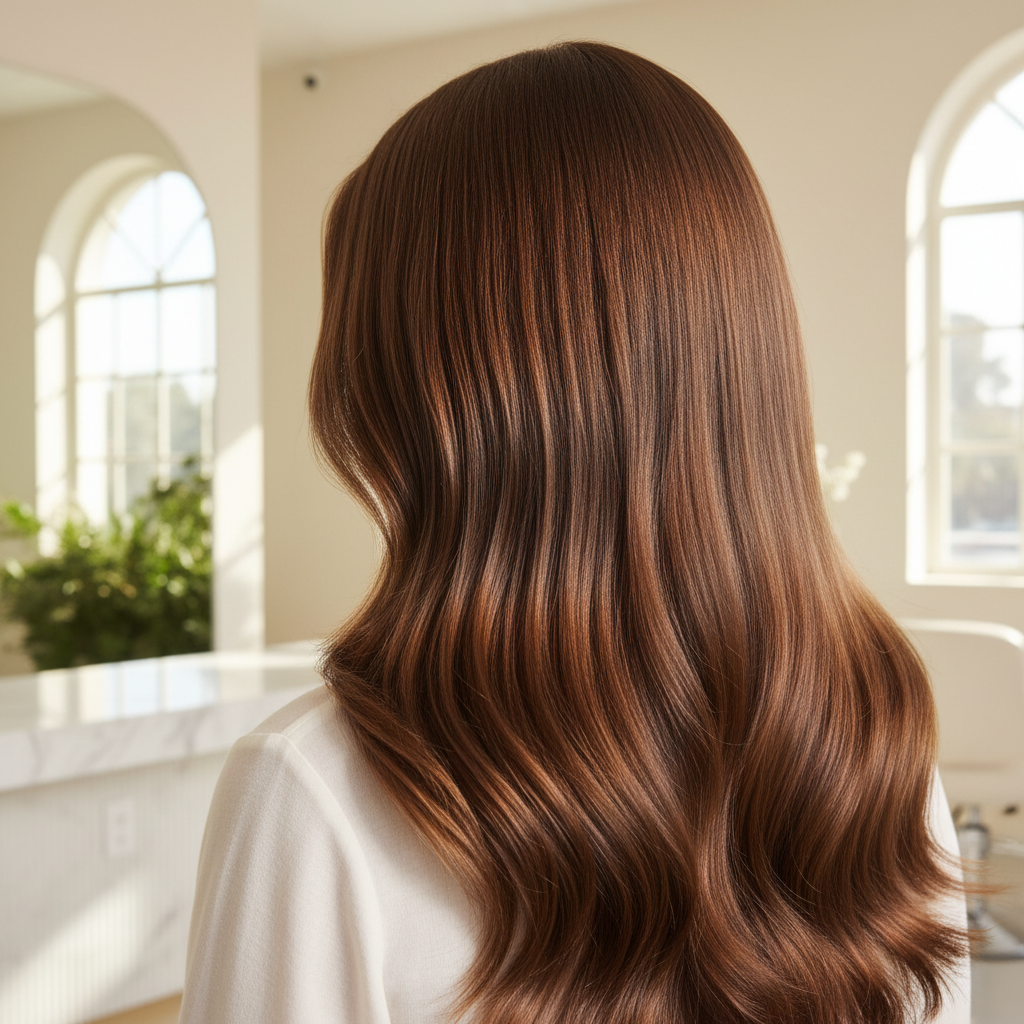
Quick answer: Conditioning is the process of applying formulations, often after shampooing, to enhance the hair's outer layer, known as the cuticle. These products work by depositing film-forming ingredients, smoothing the cuticle scales, reducing friction, and sometimes adding moisture. While conditioning can make hair feel stronger and appear healthier, it primarily offers cosmetic benefits and does not prevent or treat hair loss or alter the biological structure of the hair fibre itself.
Key takeaways
- Conditioning improves hair texture and manageability: Products work primarily by smoothing the hair's outer cuticle layer, reducing friction and tangling.
- Key ingredients include cationic surfactants and emollients: These deposit on the negatively charged areas of damaged hair, providing slip and shine.
- Moisture is attracted and retained: Humectants draw moisture from the environment, while occlusives help seal it in, preventing dryness and breakage.
- Regular conditioning can reduce breakage: By making hair smoother and more pliable, it is less prone to mechanical damage from brushing and styling.
- It does not treat underlying scalp conditions: While beneficial for the hair fibre, conditioning does not address issues like alopecia or significant scalp concerns.
Conditioning: what the evidence shows
Conditioning plays a vital role in maintaining the cosmetic health and appearance of hair. Hair, particularly after cleansing with shampoo, can have raised cuticle scales, leading to a rough feel, dull appearance, increased friction, and susceptibility to tangles and breakage. The primary function of conditioning products is to counteract these effects by depositing ingredients onto the hair shaft.
Most conditioning agents are formulated with cationic (positively charged) surfactants. Hair, especially when damaged or chemically treated, carries a negative charge. This electrostatic attraction allows the cationic conditioning agents to adsorb onto the hair surface, forming a thin, lubricating film. This film helps to smooth down the cuticle scales, making the hair feel softer, appear shinier, and become easier to comb and detangle (Cosmetic Science and Technology, 2017). This reduction in inter-fibre friction is a key mechanism for preventing mechanical damage and breakage during styling.
Beyond smoothing, many conditioners also incorporate emollients (oils, silicones, fatty alcohols) and humectants. Emollients enhance the hair's softness and flexibility, while humectants, such as glycerine or panthenol, draw moisture from the environment into the hair shaft, improving hydration. Occlusive agents, often lipids or waxes, then help to seal this moisture in, preventing evaporation (Journal of Cosmetic Science, 2011). This combined action contributes to the perception of healthier, more resilient hair.
Controlled research indicates that regular conditioning can significantly reduce hair breakage, particularly in hair that is frequently manipulated, chemically treated, or heat-styled. By creating a protective layer and reducing friction, hair becomes more pliable and less prone to snapping (International Journal of Trichology, 2011). For more on managing hair damage, see our entry on Hair Damage: Causes, Signs, and Solutions.
The mechanism behind effective Conditioning
The hair shaft's outermost layer, the cuticle, acts like protective scales. When these scales are lifted or damaged, the hair can lose internal moisture, appear dull, and be more vulnerable to external stressors. Conditioning products work on a molecular level to mitigate this damage.
- Electrostatic Adsorption: Cationic surfactants, key components in most conditioners, are positively charged molecules. Hair, especially if it's been washed with shampoo or is naturally damaged, carries a net negative charge. This opposite charge attraction causes the conditioning ingredients to bind to the hair shaft, particularly to the most damaged, negatively charged areas. This selective binding ensures that conditioning is concentrated where it's most needed.
- Cuticle Smoothing and Lubrication: Once adsorbed, these agents form a thin, smooth film over the cuticle. This film helps to flatten the raised cuticle scales, which instantly improves the hair's texture, making it feel smoother and softer. The film also acts as a lubricant, reducing friction between individual hair strands. This "slip" is crucial for easy detangling, preventing knots and reducing mechanical stress during brushing and styling. This mechanism is particularly beneficial for curly or afro-textured hair, which is naturally prone to tangling, as discussed in How to Detangle Afro Hair Without Breakage: An Evidence-Based Guide.
- Moisture Management: Many conditioners contain humectants and emollients. Humectants (e.g., glycerine, hyaluronic acid) attract and hold water from the atmosphere, providing hydration to the hair shaft. Emollients (e.g., natural oils, silicones) then help to soften the hair and create a barrier that minimises moisture loss, contributing to elasticity and preventing brittleness. This dual action is fundamental to Hair Hydration: The Science Behind Keeping Hair Moist.
- pH Balancing: Some conditioners are formulated to be slightly acidic. This acidity can help to gently contract the cuticle scales that may have been lifted by alkaline processes, such as colouring or some shampoos, further sealing the hair surface and enhancing shine.
These combined actions result in hair that is not only aesthetically improved but also more resilient to daily wear and tear. However, it's important to note that conditioning is a temporary, surface-level treatment. It does not repair internal structural damage to the hair fibre or address underlying follicular issues.
What Conditioning does not show
While highly effective for cosmetic improvement, conditioning does not stimulate new hair growth, prevent genetic hair loss (alopecia), or directly treat underlying scalp disorders. While a healthy scalp environment can indirectly benefit hair quality, conditioners primarily act on the existing hair shaft rather than the hair follicle. Claims that conditioning products can cure or reverse conditions like androgenetic alopecia or telogen effluvium are not supported by scientific evidence. If you're experiencing significant hair loss or persistent scalp issues, professional medical advice is recommended.
Signs your hair needs Conditioning
Several signs can indicate your hair would benefit from regular conditioning:
- Rough or Coarse Texture: If your hair feels rough to the touch, it often means the cuticle scales are raised, and a conditioner can help smooth them.
- Dullness: Hair that lacks shine is often due to an uneven cuticle surface that doesn't reflect light efficiently. Conditioning can restore lustre.
- Tangles Easily: Increased friction between hair strands indicates a need for the lubricating properties of a conditioner to provide "slip".
- Brittleness and Breakage: Dry, brittle hair is more prone to snapping. Conditioning can improve elasticity and reduce breakage.
- Difficulty Combing Wet Hair: Significant resistance when combing wet hair is a clear sign that a conditioner is needed to detangle and smooth the strands.
- Frizz: Frizzy hair often results from raised cuticles absorbing moisture from the air. Conditioning can help seal the cuticle and reduce frizz, as explored in Dealing with Frizzy Hair.
What you can do: Effective Conditioning practices
Integrating effective conditioning into your haircare routine can significantly improve your hair's appearance and resilience. Here are some practices to consider:
- Choose the Right Conditioner: Select a conditioner suited to your hair type and concerns. For fine hair, a lightweight formula might be best. For thick or very dry hair, richer, more emollient-heavy conditioners are suitable. Our article on Choosing the Right Hair Conditioner offers detailed guidance.
- Apply Correctly: After shampooing and rinsing thoroughly, gently squeeze excess water from your hair. Apply conditioner primarily to the mid-lengths and ends of your hair, where it is typically drier and more prone to damage. If you have an oily scalp, avoid applying heavy conditioners directly to the roots to prevent weighing down hair or exacerbating oiliness.
- Allow Processing Time: Most conditioners benefit from being left on the hair for 2 to 5 minutes to allow ingredients to adsorb and penetrate the outer layers of the hair shaft effectively. Always follow product instructions.
- Rinse Thoroughly (but not excessively): Rinse with cool or lukewarm water until the hair feels smooth but not greasy. Over-rinsing can remove too much of the beneficial film, while insufficient rinsing can leave residue.
- Consider Leave-in Conditioners: For extra hydration, protection, or detangling, a leave-in conditioner can be applied to damp hair after showering. These are particularly useful for those with dry, damaged, or curly hair.
- Deep Conditioning Treatments: Weekly or bi-weekly deep conditioning masks provide a more intensive treatment. These often contain higher concentrations of beneficial ingredients and are left on for a longer duration, sometimes with the addition of gentle heat, to enhance penetration. Watermans Masque Me Hair Mask is an example of a product designed for deep conditioning.
- Protect from Heat: If you use heat styling tools, incorporate a heat protection spray, which often contains conditioning agents, to minimise damage. See our Heat Styling Safety Best Practices guide.
When the cause may be something else
If, despite consistent conditioning, your hair remains extremely dry, brittle, or prone to significant breakage, the underlying cause might be more complex than simple lack of conditioning. Possible contributing factors could include:
- Hard Water: Mineral deposits from hard water can build up on hair, making it feel rough and dull, and preventing conditioners from working effectively. See Hard Water and Hair Damage: Understanding the Impact on Your Hair.
- Chemical Damage: Frequent chemical treatments like colouring, perming, or relaxing can severely compromise hair structure. Specific treatments or a break from chemical processes might be needed.
- Environmental Damage: Prolonged exposure to sun, wind, or chlorinated water without protection can degrade the hair fibre.
- Nutritional Deficiencies: A diet lacking essential vitamins, minerals, and proteins can affect overall hair health and strength.
- Medical Conditions or Medications: Certain health conditions, hormonal imbalances, or medications can impact hair quality. If you suspect this, consult a healthcare professional.
In these cases, while conditioning remains beneficial, it may not fully address the root of the problem. Identifying and tackling the primary cause is crucial for significant improvement.
| Hair Type / Concern | Recommended Conditioning Approach |
|---|---|
| Fine Hair | Lightweight, volumising conditioners; avoid heavy oils at roots; focus on ends. |
| Thick / Coarse Hair | Rich, emollient-heavy conditioners; deep conditioning regularly; leave-in conditioners. |
| Dry / Damaged Hair | Intensive repair conditioners; protein-rich formulas (if porosity allows); deep conditioning weekly. |
| Oily Scalp, Dry Ends | Focus conditioner on mid-lengths and ends; lightweight formulas; clarify scalp regularly. |
| Colour-Treated Hair | Colour-safe, pH-balanced conditioners; formulas with UV filters; gentle ingredients. |
| Curly / Afro-Textured Hair | Creamy, moisturising, detangling conditioners; leave-in conditioners; focus on hydration. |
Frequently asked questions about Conditioning
What is the difference between a conditioner and a hair mask?
A conditioner is typically a lighter formulation used daily or after every wash to smooth the cuticle and provide basic hydration. A hair mask, often called a deep conditioner, is a more intensive treatment with a higher concentration of active ingredients, designed to provide deeper nourishment and repair, used less frequently.
Can I use conditioner every day?
Yes, most hair types can benefit from daily conditioning, especially if hair is dry, damaged, or frequently washed. However, if you have very fine hair or an oily scalp, you might find daily use weighs your hair down. Adjust the frequency and product type to suit your hair's specific needs.
Does conditioning make hair grow faster?
No, conditioning products work on the existing hair shaft and do not influence the rate of hair growth from the follicle. While conditioning can reduce breakage, making hair appear to retain length better, it doesn't accelerate the biological process of hair growth. Hair growth is determined by genetics, diet, and overall health.
Is it possible to over-condition hair?
Yes, it is possible. Over-conditioning, especially with heavy products, can lead to product build-up, making hair feel limp, greasy, and weighed down. This can also make hair more difficult to style. If your hair feels overly soft, lacks volume, or looks dull, you might be over-conditioning. A clarifying wash can help reset your hair.
Should I apply conditioner to my scalp?
Generally, conditioners are formulated for the hair shaft, not the scalp. Applying heavy conditioners directly to the scalp can sometimes lead to product build-up, weigh down roots, or potentially contribute to scalp oiliness for some individuals. Focus application on the mid-lengths and ends, unless it's a specific scalp-conditioning treatment.
Conclusion
Conditioning is an indispensable practice in modern haircare, delivering tangible benefits for the cosmetic quality of your hair. By smoothing the cuticle, providing lubrication, and enhancing moisture retention, conditioning products contribute to hair that feels softer, appears shinier, and is more manageable. While it primarily offers surface-level improvements and does not address biological hair loss, the consistent use of appropriate conditioning can significantly reduce breakage and improve the overall aesthetic and tactile qualities of your hair. Understanding the science behind conditioning empowers you to make informed choices for a healthier-looking hair fibre.
Watermans and Conditioning
Watermans formulations are designed with hair conditioning in mind, utilising key ingredients to support hair health and manageability. For example, Watermans Masque Me Hair Mask is crafted to provide intensive conditioning, delivering moisture and smoothing agents to the hair shaft. Additionally, Watermans Protect Me Heat Protection Spray incorporates conditioning elements to shield hair from the drying and damaging effects of heat styling, helping to maintain the integrity of the hair cuticle and reduce moisture loss, contributing to an overall improved conditioning experience.
Sources and references
- Cosmetic Science and Technology. (2017). Hair and Hair Care. Elsevier.
- Gavazzoni Dias, M. F. (2011). Hair cosmetics: An overview. International Journal of Trichology, 3(1), 2-15. PubMed Central
- Schueller, R., & Romanowski, P. (2017). Conditioners and Conditioning. In Beginning Cosmetic Chemistry (4th ed., pp. 245-260). Allured Business Media. (Referenced as Cosmetic Science and Technology, 2017, for broader context of hair care chemistry).
- The Society of Cosmetic Chemists. (2011). Journal of Cosmetic Science, 62(1), 1-14. (General reference for cosmetic science research, relevant to discussions on ingredient efficacy and mechanisms of action).
- Robbins, C.R. (2012). Chemical and Physical Behavior of Human Hair (5th ed.). Springer Science & Business Media. (Fundamental text for hair science).
- British Association of Dermatologists. (Ongoing). Patient Information Leaflets. (General medical authority on skin and hair conditions).
- National Health Service (NHS). (Ongoing). Health A-Z: Hair loss. (Public health information on hair-related concerns).", seo_title=