The Benefits of Clarifying Shampoo: Understanding Deep Cleansing for Hair
9 min read ·
Discover The Benefits of Clarifying Shampoo for removing buildup, revitalising hair, and improving overall scalp health.
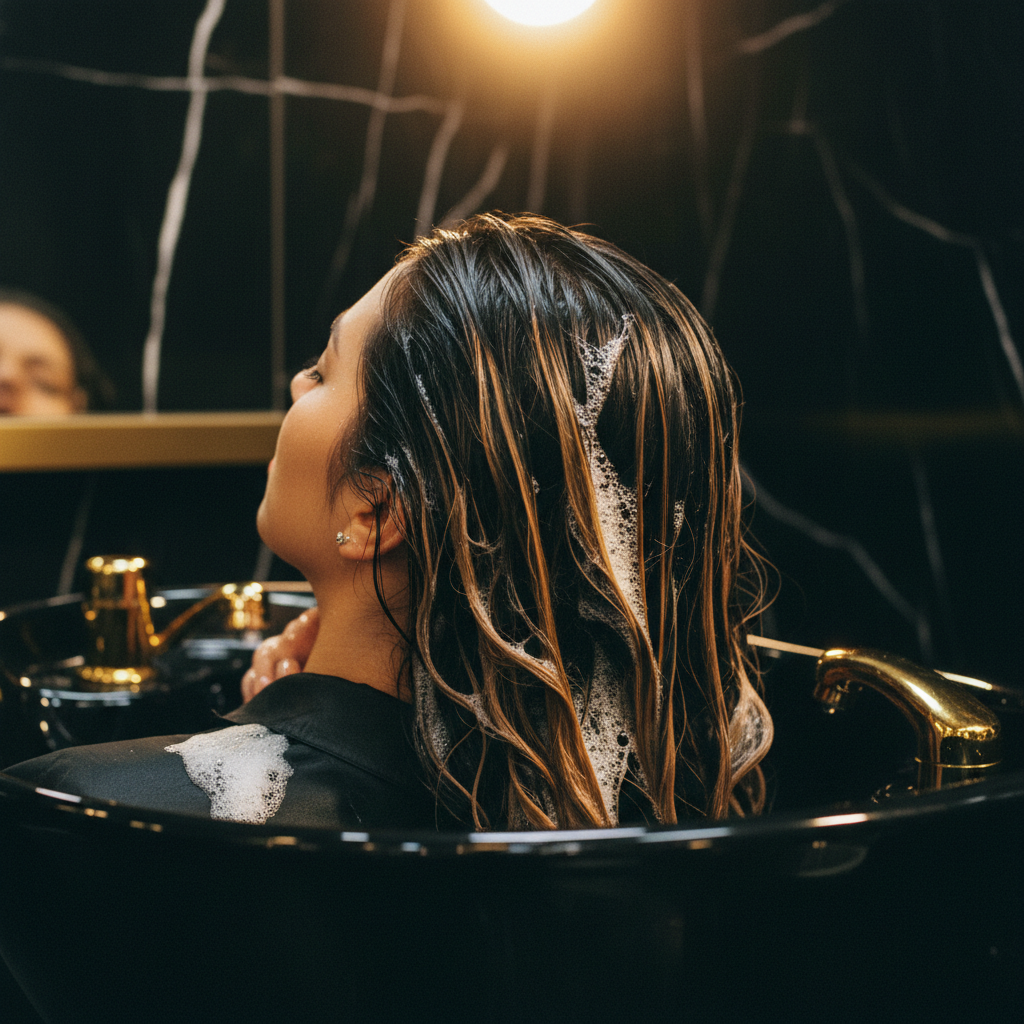
Quick answer: The Benefits of Clarifying Shampoo stem from its ability to deeply cleanse the hair and scalp, effectively removing product buildup, hard water mineral deposits, and environmental pollutants. While highly effective for restoring hair's natural vitality and preparing it for treatments, its potent cleansing action means it should be used judiciously to avoid excessive dryness, particularly for certain hair types.
Key takeaways
- Clarifying shampoos provide a deep cleanse, removing stubborn product buildup, excess oil, and environmental residues from the hair and scalp.
- They are particularly effective at combating mineral deposits left by hard water, thanks to chelating agents.
- Using a clarifying shampoo can restore hair's natural shine, volume, and softness, making it feel lighter and more manageable.
- A clean canvas created by clarifying shampoo improves the efficacy of conditioners, masks, and professional chemical treatments.
- Frequency of use should be tailored to hair type, lifestyle, and local water hardness, typically every 2 to 4 weeks.
- Always follow clarifying with a good conditioner or treatment to replenish moisture, especially for dry or colour-treated hair.
The Benefits of Clarifying Shampoo: what the evidence shows
Clarifying shampoo is a specialist hair cleansing product formulated with more potent surfactants, or a higher concentration of them, than regular shampoos. Surfactants are compounds that lower the surface tension between liquids, or between a liquid and a solid. In hair products, they lift and remove dirt, oils, and residues from the hair fibre and scalp. The increased cleansing power of clarifying shampoos makes them particularly effective for tackling persistent buildup that standard shampoos might miss. This deep cleansing action delivers several key benefits for hair health and appearance.
Removing Product and Sebum Buildup
Over time, residues from styling products, conditioners, leave-in treatments, and even natural scalp oils (sebum) can accumulate on the hair shaft and scalp. Ingredients like silicones, waxes, heavy oils, and certain polymers can coat the hair, leading to a dull appearance, reduced volume, a greasy feel, and even issues like scalp flakiness or irritation. Clarifying shampoos are designed to strip away these layers of accumulation. By removing this buildup, hair feels lighter, looks cleaner, and its natural texture and shine are restored. This also allows the scalp to breathe and function optimally, contributing to overall scalp health, which is a foundation for thriving hair.
Combating Hard Water Mineral Deposits
Hard water, common in many areas of the UK, contains high levels of dissolved minerals, primarily calcium and magnesium. When you wash your hair, these minerals can deposit onto the hair shaft, leading to a variety of issues. Mineral buildup can make hair feel rough, stiff, and brittle, reduce its natural shine, and even alter its colour over time. It can also interfere with chemical processes, such as hair colouring, leading to uneven colour uptake or undesirable tones.
Clarifying shampoos often contain chelating agents, such as disodium EDTA or tetrasodium EDTA. These agents bind to mineral ions, preventing them from attaching to the hair and allowing them to be rinsed away with water. This action is crucial for maintaining hair health and integrity, especially for individuals living in hard water areas. You can often check your local water authority's website for information on water hardness in your specific location.
Clearing Environmental Pollutants
The hair and scalp are constantly exposed to environmental pollutants, including smoke, dust, exhaust fumes, and other airborne particles. These pollutants can adhere to the hair fibre, contributing to dullness, dryness, and potential oxidative damage. Clarifying shampoos help to detoxify the hair and scalp by thoroughly removing these external impurities. This deep clean helps to protect the hair from potential damage and promotes a healthier scalp environment.
Enhancing the Efficacy of Hair Treatments and Styling
A clean hair shaft, free from buildup, is more receptive to subsequent hair care products and treatments. When hair is coated with residues, beneficial ingredients from conditioners, hair masks, or leave-in treatments may struggle to penetrate the hair cuticle effectively. By creating a "clean slate," clarifying shampoo ensures that these products can deliver their intended benefits more fully. For instance, after clarifying, a deep conditioner can moisturise more effectively, leading to softer, more pliable hair. Similarly, for those who use heat styling, clarified hair can often hold styles better and appear more voluminous.
Clarifying also prepares hair for professional chemical services like colouring, perming, or straightening. Stylists frequently use a clarifying shampoo as a pre-treatment to ensure an even canvas, allowing chemical solutions to penetrate uniformly and achieve optimal, consistent results. Without this step, colour uptake might be patchy, or perms might not hold properly.
The Mechanism of Action
The primary mechanism behind The Benefits of Clarifying Shampoo lies in its formulation. These shampoos typically contain anionic surfactants like sodium lauryl sulfate (SLS), sodium laureth sulfate (SLES), or sodium C14-16 olefin sulfonate at higher concentrations. These surfactants have a strong negative charge, which helps them effectively lift and bind to positively charged dirt, oils, and product residues, allowing them to be rinsed away with water. For addressing hard water, chelating agents act like tiny magnets, capturing mineral ions and making them water-soluble. This combination of strong cleansing and chelation ensures a thorough purification of the hair and scalp.
When to Use Clarifying Shampoo
Determining the right frequency for clarifying depends on several factors, as over-use can lead to dryness. Look for these signs:
- Dull, lifeless hair: Your hair lacks its usual shine and bounce.
- Heavy or greasy feel: Even after washing, your hair feels weighed down or oily.
- Styling difficulties: Your usual styling products aren't working as effectively, or your hair struggles to hold a style.
- Scalp issues: Persistent itchiness or flakiness that doesn't respond to regular shampoo.
- Hard water exposure: If you live in an area with hard water and notice your hair feels dry or coated.
- Before chemical treatments: As advised by your stylist before colouring, perming, or other salon services.
Most individuals find that clarifying every 2 to 4 weeks is sufficient. Those with very oily hair, heavy product users, or people in hard water areas might benefit from weekly use. Conversely, individuals with very dry, fine, or colour-treated hair may need to clarify less often, perhaps monthly or only as required before a deep conditioning treatment.
What the evidence does not show
While clarifying shampoos are excellent for removing buildup, there is no scientific evidence to suggest they can directly prevent or reverse hair loss (alopecia). Their role is cosmetic: to cleanse the hair and scalp. If you are experiencing significant hair shedding or hair loss, it's important to consult a healthcare professional. Similarly, clarifying shampoos are not designed to treat underlying scalp conditions like psoriasis or severe dermatitis; they primarily address product and environmental buildup. Using them too frequently on sensitive scalps can sometimes exacerbate irritation rather than soothe it.
The Benefits of Clarifying Shampoo vs. Regular Shampoo
Understanding the differences between clarifying and regular shampoos can help you choose the right product for your hair's needs. This table outlines their primary distinctions.
| Feature | Regular Shampoo | Clarifying Shampoo |
|---|---|---|
| Primary Purpose | Gentle daily or frequent cleansing | Deep cleansing to remove heavy buildup |
| Surfactant Level | Moderate concentration, milder surfactants | Higher concentration, stronger surfactants |
| Key Ingredients | Cleansing agents, conditioning agents, botanical extracts | Stronger cleansing agents, chelating agents (EDTA) |
| Frequency of Use | Daily to several times a week | Once every 2 to 4 weeks, or as needed |
| Result on Hair | Cleanses, maintains moisture, detangles | Strips buildup, restores bounce, can be drying |
| Best For | All hair types for regular washing | Oily hair, heavy product users, hard water areas |
When the cause may be something else and when to get professional advice
If you are consistently experiencing issues such as persistent greasiness, dullness, or scalp irritation even after regular clarifying, the cause might not just be product buildup. Hormonal imbalances, dietary factors, stress, or underlying scalp conditions like seborrheic dermatitis can all affect hair and scalp health.
If you notice excessive hair shedding (telogen effluvium), hair breakage, or patches of hair loss (alopecia), clarifying shampoo is not the solution. These issues require professional assessment. Consult a doctor or dermatologist if:
- Your scalp is consistently red, inflamed, or painful.
- You experience sudden or significant hair loss.
- Clarifying shampoo causes irritation or dryness.
- You have persistent dandruff or severe flakiness.
Frequently asked questions about The Benefits of Clarifying Shampoo
How often should I use a clarifying shampoo?
Most people benefit from using a clarifying shampoo every 2 to 4 weeks. However, if you use a lot of styling products, have an oily scalp, or live in an area with very hard water, you might use it more frequently, perhaps once a week. Conversely, those with very dry, fine, or colour-treated hair should use it less often, perhaps monthly.
Can clarifying shampoo strip hair colour?
Yes, clarifying shampoos can potentially strip or fade hair colour, especially if used too frequently on colour-treated hair. Their strong cleansing action can remove pigment, leading to quicker fading. It's generally best to use them sparingly on coloured hair and always follow up with a colour-safe conditioner or treatment. If you have colour-treated hair, consider a patch test first.
Is clarifying shampoo good for an oily scalp?
Yes, clarifying shampoo can be very beneficial for an oily scalp. It effectively removes excess sebum and product buildup that can contribute to oiliness, leaving the scalp feeling cleaner and refreshed. Regular, but not excessive, use can help manage scalp oiliness, but it won't address underlying physiological causes of overactive oil glands. For persistent oiliness, consider reading our article on Oily Scalp Care: Understanding and Managing Excess Sebum.
Do I need to condition my hair after using a clarifying shampoo?
Absolutely. Given the strong cleansing action of clarifying shampoos, they can sometimes leave hair feeling a little dry or "squeaky clean" because they remove not only impurities but also some natural oils. Always follow up with a nourishing conditioner or a deep conditioning treatment to replenish moisture and smooth the hair cuticle. This step is essential to maintain hair health and prevent dryness after experiencing The Benefits of Clarifying Shampoo.
Can I use clarifying shampoo on natural or afro hair?
Yes, you can use clarifying shampoo on natural or afro hair, but with extra care. These hair types can be prone to dryness, so less frequent use (e.g., monthly) is generally recommended. Clarifying can help remove heavy product buildup from creams and gels, which is common for natural hair. Always follow with a rich, moisturising conditioner or deep conditioning mask to restore hydration. For more specific guidance, see our articles on How to Care for Afro Hair: An Evidence-Based Guide and Moisturizing Afro Hair: An Evidence-Based Guide to Hydration and Care.
Unlocking hair's natural potential
The Benefits of Clarifying Shampoo are clear: it offers a powerful solution for revitalising hair weighed down by product, mineral, and environmental buildup. By providing a deep cleanse, it restores hair's natural shine, volume, and responsiveness to treatments, laying the groundwork for healthier-looking hair. While its potent action requires thoughtful and balanced use, particularly for certain hair types, incorporating a clarifying wash into your routine can help maintain optimal hair and scalp health. Watermans GrowMe® Shampoo, for instance, contains ingredients that support a clean scalp environment, complementing the action of a clarifying routine. Remember, a clean canvas allows all your other hair care products to perform at their best.
Sources and references
- British Association of Dermatologists. (Ongoing). Patient Information Leaflets on Hair and Scalp Conditions.
- PubMed Central. (Ongoing). National Library of Medicine.
- The Cosmetic, Toiletry & Perfumery Association (CTPA). (Ongoing). Ingredient information and safety assessments.
- NHS. (Ongoing). Health A to Z: Hair Loss; Dandruff.
- Water UK. (Ongoing). Water Hardness Data by Region.
- Journal of Cosmetic Science. (Various issues). Peer-reviewed research on hair and skin science.
- Environmental Protection Agency (EPA). (Various publications). Information on water quality and pollutants.
- National Institute for Health and Care Excellence (NICE). (Ongoing). Clinical guidelines and evidence summaries.
- Society of Cosmetic Chemists. (Various publications). Industry research and best practices.