Maintaining Hair Health: An Evidence-Based Guide
11 min read ·
Maintaining Hair Health involves consistent practices that protect hair from damage, support scalp wellness, and nourish the hair fibre from root to tip.
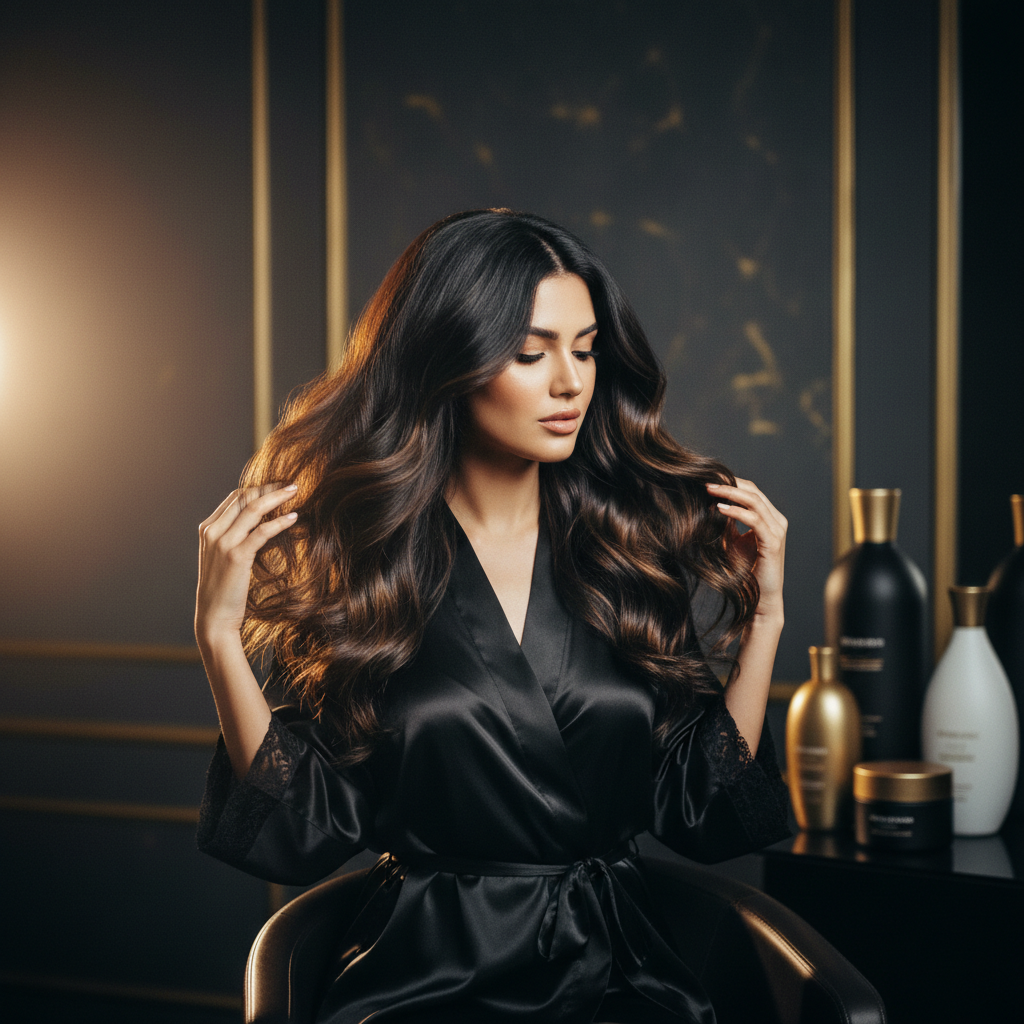
Quick answer: Maintaining Hair Health is a holistic approach focused on safeguarding the hair fibre and scalp from environmental stressors and mechanical damage, promoting strong, resilient hair. It involves gentle cleansing, effective conditioning, protective styling, and addressing specific hair and scalp concerns. The main limitation is that while cosmetic care can significantly improve the look and feel of hair, it cannot cure genetic hair loss conditions or severe scalp diseases without medical intervention.
Key takeaways
- Gentle cleansing and conditioning are fundamental for preserving the hair's natural moisture and protecting its outer layer.
- Protecting hair from heat and mechanical stress significantly reduces breakage and maintains fibre integrity.
- A balanced diet and adequate hydration support hair health from within, influencing hair growth and strength.
- Regular trims prevent split ends from travelling up the hair shaft, improving overall hair appearance and health.
- Addressing specific scalp conditions, such as oiliness or dryness, is crucial for fostering a healthy environment for hair growth.
- Recognising when to seek professional advice for persistent hair concerns ensures proper diagnosis and effective treatment.
Maintaining Hair Health: what the evidence shows
Maintaining Hair Health is about creating an optimal environment for hair to thrive, both on the scalp and along the fibre. This involves a combination of good practices that protect hair from damage, ensure adequate hydration, and support the scalp's natural functions. Evidence suggests that proper hair care routines can significantly reduce breakage, improve hair's aesthetic qualities, and support a healthy scalp, which is foundational for strong hair growth. Cosmetic treatments, while not altering the genetic predisposition for certain hair conditions, can improve hair resilience, shine, and manageability.
The Hair's Structure and Vulnerabilities
Each strand of hair is primarily composed of keratin, a protein. It has three main layers: the cuticle, cortex, and medulla. The cuticle is the outermost protective layer, made of overlapping, scale-like cells. When these scales lie flat, they create a smooth, shiny surface that protects the inner structures. The cortex, the middle layer, provides strength, elasticity, and contains the pigment (melanin) that gives hair its colour. The medulla is the innermost core, present in some but not all hair types. Damage often starts with the cuticle becoming raised or fractured, which exposes the cortex to further harm, leading to dullness, frizz, and increased vulnerability to breakage. Maintaining Hair Health largely involves preserving the integrity of this cuticle layer.
Cleansing and Conditioning for Healthy Hair
Proper cleansing and conditioning are cornerstones of Maintaining Hair Health. The goal is to remove dirt, excess oil (sebum), and product buildup without stripping the hair or scalp of essential moisture. The frequency of washing depends on individual factors like hair type, scalp oiliness, and lifestyle. For instance, individuals with an oily scalp may benefit from more frequent washing, while those with dry or coily hair might wash less often to retain natural oils.
- Shampooing: Focus on gently massaging the scalp to cleanse it, allowing the lather to rinse down the hair fibre. This technique cleanses the hair without harsh scrubbing, which can lead to friction and cuticle damage. Lukewarm water is ideal, as excessively hot water can strip natural oils and open the cuticle too much, while very cold water may not effectively rinse products.
- Conditioning: Conditioners are essential for sealing the hair cuticle, detangling, and imparting moisture and shine. They typically work by depositing lubricating and film-forming ingredients onto the hair shaft. Apply conditioner primarily from the mid-lengths to the ends, where hair is older and more prone to dryness and damage. Deep conditioning treatments, used weekly or bi-weekly, can provide intensive moisture and protein, aiding in the repair of damaged hair and improving elasticity. For more on how these formulations work, see "The Science of Conditioners: How Hair Care Formulations Work."
Mechanical Stress and Hair Breakage
Many daily habits can contribute to mechanical stress on the hair, leading to breakage. Breakage is distinct from hair shedding (where the hair follicle releases the hair) and hair loss (a reduction in hair density due to follicular issues). Reducing mechanical stress is vital for Maintaining Hair Health.
- Towel Drying: Vigorous rubbing with a harsh towel can rough up the hair's cuticle, leading to frizz and increased potential for breakage. Gently squeezing excess water with a microfibre towel or an old cotton T-shirt is a gentler alternative.
- Brushing and Detangling: Wet hair is more fragile and prone to stretching and breaking. Use a wide-tooth comb or a wet brush, starting from the ends and carefully working upwards in small sections. For dry hair, a paddle or boar-bristle brush can help distribute natural scalp oils and smooth the cuticle, but over-brushing can still cause friction. See also "How to Detangle Afro Hair Without Breakage: An Evidence-Based Guide."
Heat Styling and Chemical Treatments
Heat styling and chemical treatments can significantly alter the hair's structure and increase its vulnerability to damage. While they offer styling versatility, their impact must be managed to preserve hair health.
- Heat Styling: Tools like blow dryers, straighteners, and curling irons can remove too much moisture from the hair, leading to dryness and cuticle damage, especially at high temperatures. Always use a heat protectant spray to create a barrier between the heat and the hair, and opt for lower heat settings whenever possible. Allowing hair to air dry partially before blow-drying can also minimise heat exposure. For more detailed guidance, refer to "Heat Styling Safety Best Practices."
- Chemical Treatments: Processes like colouring, perming, and chemical straightening involve altering the chemical bonds within the hair shaft, which can weaken its structure. Proper aftercare, including using gentle, pH-balanced products and deep conditioning, is essential to mitigate damage and maintain the integrity of chemically treated hair. For more information, see "Chemical Hair Treatments: What They Are and How They Affect Hair" and "Maintaining Colour-Treated Hair: Maintaining Colour-Treated Hair: A Guide to Longevity and Health."
Nutritional Support and Lifestyle Factors
Hair health is not solely dependent on external care; internal factors also play a significant role. A balanced diet provides the necessary nutrients for hair growth and strength.
- Diet and Hydration: Proteins, vitamins (especially B vitamins, C, D, and E), and minerals (like iron, zinc, and selenium) are crucial for healthy hair follicles and fibre production. Protein, being the primary building block of hair, is particularly important. Ensuring adequate water intake also contributes to overall cellular health, including the cells within the hair follicle. Severe nutritional deficiencies can sometimes manifest as changes in hair texture, strength, or growth patterns.
- Stress Management: While not directly causing hair breakage, chronic stress can influence the hair growth cycle, potentially leading to increased shedding (telogen effluvium) in some individuals. Managing stress through various techniques can support overall well-being, which in turn can indirectly benefit hair health.
What you can do to support Maintaining Hair Health
Implementing a consistent and tailored hair care routine is key. Here's a summary of practical steps:
- Choose Appropriate Products: Select shampoos and conditioners suited to your hair type and scalp condition. Look for ingredients that offer hydration (e.g., humectants) and strengthening (e.g., proteins) without harsh sulphates if you have sensitive or dry hair.
- Regular Trims: Schedule regular trims every 6 to 12 weeks to remove split ends. Split ends, if left untreated, can travel up the hair shaft, causing more extensive damage.
- Scalp Care: A healthy scalp is fundamental for healthy hair growth. Consider incorporating scalp massages to stimulate circulation or using treatments for specific concerns like dandruff or oiliness. See "Understanding Scalp Health: A Foundation for Thriving Hair."
- Protective Styles: Minimise daily manipulation by opting for protective hairstyles that reduce exposure to environmental aggressors and mechanical stress, especially for longer hair or fragile textures like Afro hair. See "How to Care for Afro Hair: An Evidence-Based Guide."
- Address Hard Water: If you live in an area with hard water, consider using a shower filter or clarifying shampoos periodically to prevent mineral buildup, which can make hair feel dull and rough. For more, read "Hard Water and Hair Damage: Understanding the Impact on Your Hair."
When to get professional advice
While good hair care practices go a long way in Maintaining Hair Health, some issues warrant professional medical advice. If you notice persistent or severe changes in your hair or scalp, consult a dermatologist or trichologist. These include:
- Sudden or excessive hair shedding: More than typical daily shedding could indicate an underlying health condition, nutritional deficiency, or a reaction to medication. This is different from hair breakage.
- Localised patches of hair loss: This may signal conditions like alopecia areata or fungal infections.
- Persistent scalp irritation, itching, or pain: These symptoms could point to dermatitis, psoriasis, or other inflammatory scalp conditions.
- Changes in hair texture or quality without an obvious cause: This could be a symptom of thyroid issues or other systemic health problems.
Watermans and Maintaining Hair Health
Watermans offers a range of products designed to support your efforts in Maintaining Hair Health. Their formulations are developed to cleanse gently, condition deeply, and provide beneficial ingredients that promote the appearance of stronger, healthier-looking hair. For example, Watermans Grow Me Shampoo and Conditioner contain hydrolysed lupin protein, which has been studied for its potential to support hair strength and reduce breakage. Their Condition Me conditioner is formulated to hydrate and smooth the hair cuticle, enhancing shine and manageability. Watermans aims to complement your comprehensive hair care routine by providing products that focus on improving the hair's overall condition and appearance, contributing to the feeling of fuller, more resilient hair.
Frequently asked questions about Maintaining Hair Health
How often should I wash my hair for optimal health?
The ideal washing frequency varies greatly depending on your hair type, scalp oiliness, and activity level. People with oily scalps might need to wash daily or every other day, while those with dry, thick, or curly hair may only need to wash once or twice a week. Over-washing can strip natural oils, while under-washing can lead to product buildup and scalp issues. Pay attention to your hair and scalp's specific needs.
Can diet truly impact hair health?
Yes, absolutely. A balanced diet rich in proteins, vitamins (especially B vitamins, D, and E), and minerals (like iron and zinc) is crucial for healthy hair growth and strength. Hair is primarily protein, so adequate protein intake is essential. Deficiencies in certain nutrients can lead to hair becoming brittle, dull, or even impact its growth cycle. Maintaining Hair Health starts from within.
What is the best way to prevent split ends?
The most effective way to prevent and manage split ends is regular trimming. Once the hair fibre splits, it cannot be truly repaired, only temporarily sealed with certain products. Aim for a trim every 6 to 12 weeks to remove damaged ends before the split travels further up the hair shaft. Additionally, minimising heat styling, gentle brushing, and good conditioning can help reduce their formation.
Is it bad to brush hair when it's wet?
Brushing wet hair can be more damaging than brushing dry hair because wet hair is more elastic and prone to stretching and breaking. It's best to detangle wet hair gently using a wide-tooth comb or a specific wet brush, starting from the ends and working your way up. Apply a leave-in conditioner or detangling spray to provide slip and reduce friction.
Does stress cause hair loss or breakage?
Chronic or severe stress can lead to increased hair shedding, a condition called telogen effluvium, where more hairs than usual enter the resting phase and fall out. This is different from hair breakage, which is the fibre snapping along the shaft. While stress doesn't directly cause hair breakage, it can impact overall health, which might indirectly affect hair quality. Managing stress is beneficial for overall well-being and can support a healthy hair growth cycle.
What role does hard water play in Maintaining Hair Health?
Hard water contains high levels of minerals like calcium and magnesium, which can accumulate on the hair fibre. This mineral buildup can make hair feel dry, dull, and rough, increase frizz, and make it more prone to breakage. It can also interfere with how well shampoos and conditioners work. Using a shower filter or incorporating clarifying shampoos into your routine can help mitigate these effects. For further reading, see "Hard Water and Hair Damage: Understanding the Impact on Your Hair."
Supporting Your Hair Health Journey
Maintaining Hair Health is an ongoing process that combines mindful care routines, protection from environmental and mechanical stressors, and attention to overall well-being. By understanding the hair's delicate structure and adopting evidence-based practices, you can significantly improve its strength, appearance, and resilience. Consistency and a personalised approach are vital for achieving and sustaining healthy hair.
Sources and references
- American Academy of Dermatology Association. (n.d.). Hair care tips for healthy hair. Aad.org
- British Association of Dermatologists. (n.d.). Hair loss. Bad.org.uk
- Gavazzoni Dias, M. F. R. (2015). Hair Cosmetics: An Overview. International Journal of Trichology, 7(1), 2-15. Doi:10.4103/0974-7753.153018
- NHS. (n.d.). Hair loss. Nhs.uk
- Randall, V. A. (2008). Hormonal regulation of hair follicles in health and disease. Dermatologic Therapy, 21(5), 310-327. Doi:10.1111/j.1529-8019.2008.00212.x
- Trueb, R. M. (2007). The impact of oxidative stress on hair. International Journal of Cosmetic Science, 29(4), 233-242. Doi:10.1111/j.1468-2494.2007.00371.x
- Van Neste, D. J. (2004). The biology of hair follicles. Dermatologic Clinics, 22(1), 1-13. Doi:10.1016/j.det.2003.09.006
Find these ingredients in Watermans products
- Zinc: you will find this ingredient in our Hair Vitamins.