Understanding Dandruff and Seborrhoeic Dermatitis: The Dermatological Guide
8 min read ·
A clinical guide to Understanding Dandruff and Seborrhoeic Dermatitis: biological causes, fungal interactions, active ingredients, and effective long-term management.
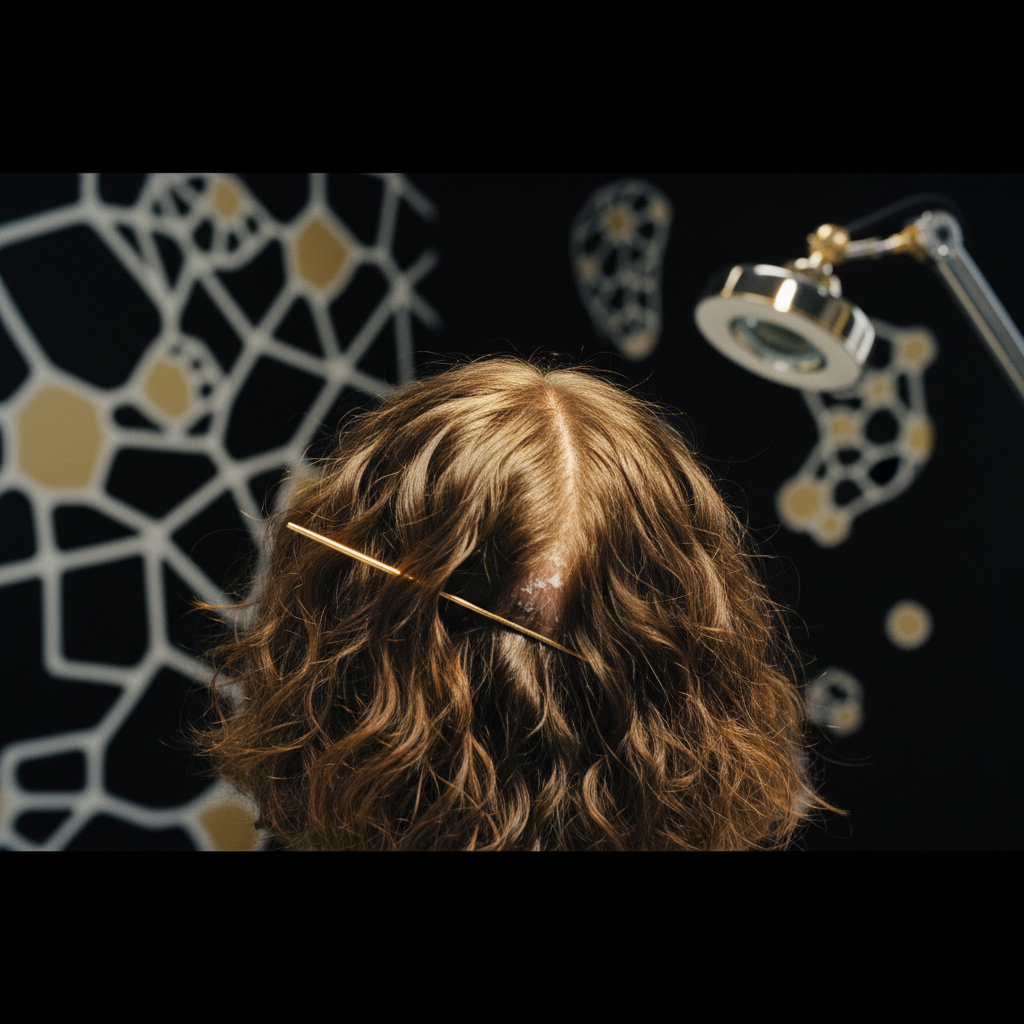
Quick answer: Understanding Dandruff and Seborrhoeic Dermatitis starts with recognising that they exist on the same biological spectrum. Dandruff is a non-inflammatory condition causing loose, fine, white or grey flakes on the scalp without visible erythema. Seborrhoeic dermatitis is a chronic inflammatory disorder causing greasy, yellowish scales, marked redness, and persistent itching on sebum-rich areas of the body. While both involve individual sebum composition and Malassezia yeast overgrowth, neither condition can be permanently cured; they require consistent, targeted management to maintain remission.
Key takeaways
- Dandruff and seborrhoeic dermatitis share biological drivers, but seborrhoeic dermatitis involves active, visible skin inflammation.
- Overgrowth of lipophilic Malassezia yeast metabolises scalp sebum into irritating free fatty acids, specifically oleic acid.
- Flaking is caused by rapid epidermal turnover, where skin cells shed in clumps before they can fully mature.
- Poor hygiene does not cause either condition; in fact, washing hair regularly with active cleansing agents helps control yeast populations.
- Severe or unresponsive cases require clinical diagnosis to distinguish the issue from scalp psoriasis or atopic eczema.
Understanding Dandruff and Seborrhoeic Dermatitis: what the evidence shows
Understanding Dandruff and Seborrhoeic Dermatitis requires an examination of the scalp microbiome and skin barrier biology. Clinical dermatology views dandruff (pityriasis capitis) as the mildest, non-inflammatory manifestation of seborrhoeic dermatitis. Both conditions develop from an interplay of three core factors: the presence of sebum, colonisation by Malassezia yeasts, and an individual genetic susceptibility to barrier disruption.
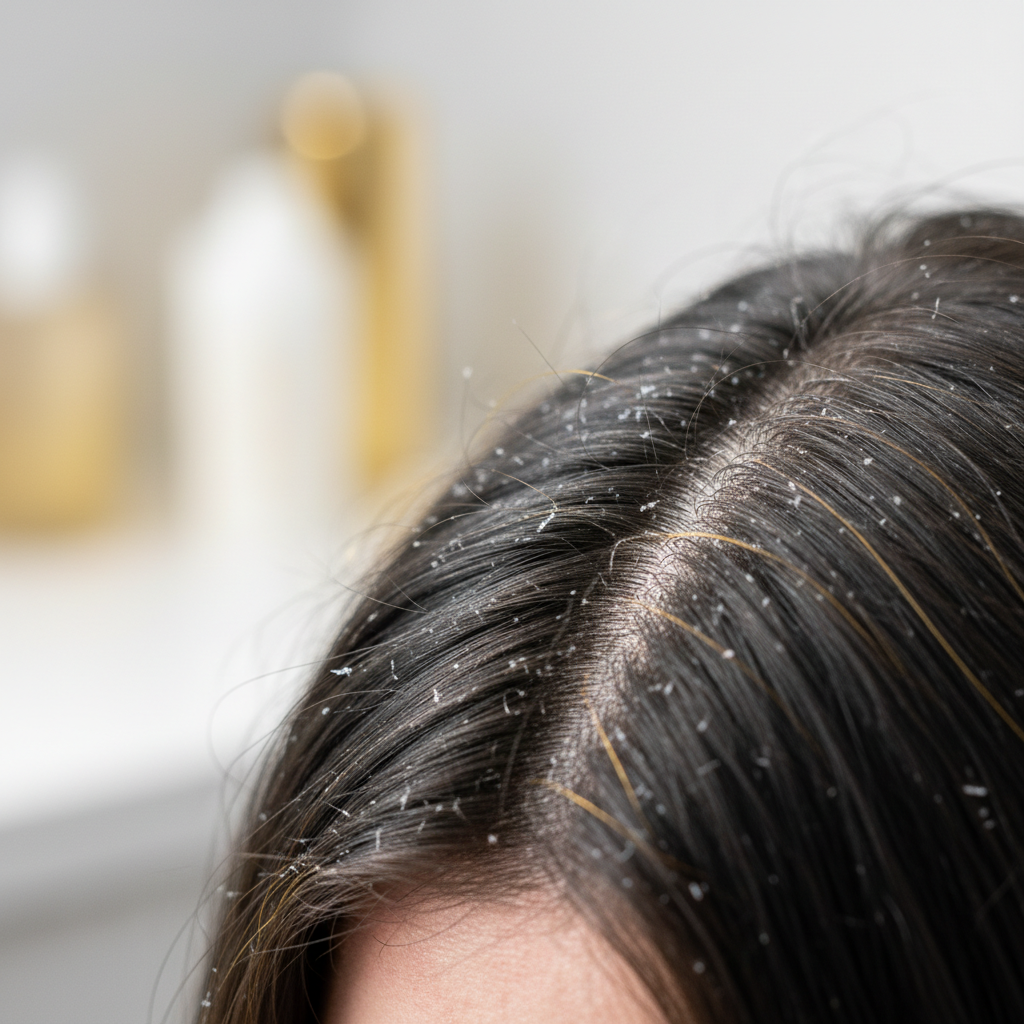
Malassezia globosa and Malassezia restricta are natural, lipid-dependent commensal yeasts residing on the human scalp. Because they lack the enzymes necessary to synthesise their own fatty acids, they rely entirely on the triglycerides found in human sebum. These yeasts produce lipase enzymes that break down sebum into saturated and unsaturated free fatty acids.
The yeasts consume the saturated fatty acids they need to survive, leaving behind unsaturated free fatty acids, predominantly oleic acid and arachidonic acid. In susceptible individuals, these remaining fatty acids penetrate the stratum corneum, the outermost layer of the skin. This triggers a disrupted barrier response, provoking hyperproliferation of epidermal keratinocytes. Instead of shedding invisibly as single corneocytes every 28 days, skin cells churn over in 7 to 14 days, sticking together in visible clumps of hundreds or thousands of immature cells.
When the immune response escalates from subclinical irritation to overt cutaneous inflammation, the condition transitions to seborrhoeic dermatitis. Inflammatory mediators such as interleukin-1 alpha, interleukin-8, and histamine flood the tissue, producing visible erythema, burning, and severe pruritus.
 [ Sebum Secretion ]
 │
 ▼
 [ Malassezia Yeasts Hydrolyse Sebum ]
 │
 ▼
 [ Release of Unsaturated Fatty Acids (Oleic Acid) ]
 │
 ▼
 [ Stratum Corneum Barrier Disruption ]
 / \
 / \
(Mild susceptibility) (High inflammatory response)
 │ │
 ▼ ▼
[ Fine Flaking: Dandruff ] [ Redness, Thick Greasy Scale: Seborrhoeic Dermatitis ]
What the evidence does not show
Dermatological research has firmly dismantled several widespread myths surrounding flaky scalps:
- Poor hygiene does not trigger it: Neither dandruff nor seborrhoeic dermatitis is caused by infrequent washing or lack of cleanliness. While regular washing helps remove scale and excess sebum, the condition is rooted in microbial metabolism and skin barrier reactivity.
- It is not contagious: You cannot catch dandruff or seborrhoeic dermatitis from sharing hairbrushes, towels, pillows, or salon tools. Malassezia is already present on virtually all adult human skin.
- It is not ordinary dry scalp: Dry scalp results from a simple lack of moisture or environmental dehydration (such as dry winter air or harsh detergents), producing tiny, powdery flakes without excess sebum. Applying heavy culinary oils (such as olive or coconut oil) to manage seborrhoeic dermatitis frequently worsens the flare, as these oils feed lipophilic yeast species.
- Shampoo does not "cause" the chronic disease: While harsh surfactants can irritate an already compromised skin barrier, they do not create the underlying metabolic disposition toward Malassezia sensitivity.
Signs and clinical differences: Dandruff vs Seborrhoeic Dermatitis
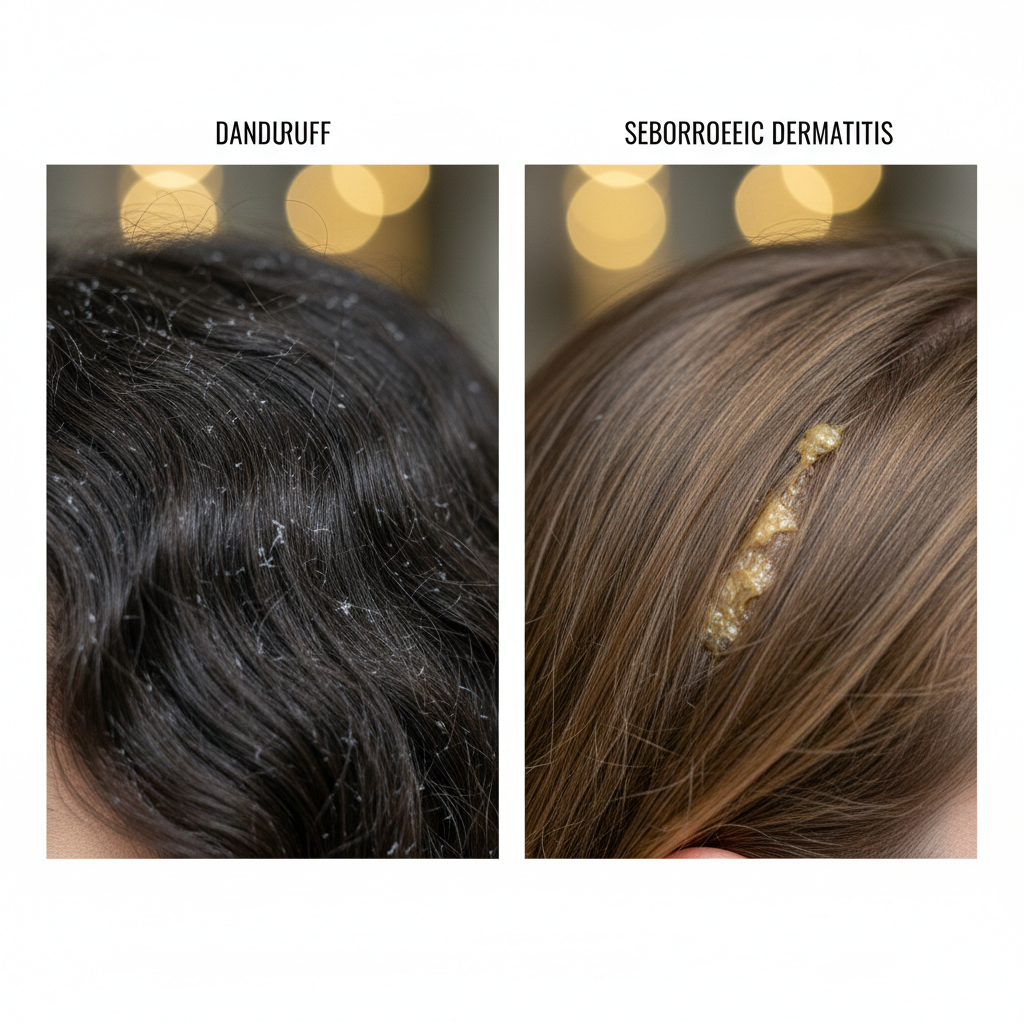
Differentiating between basic dandruff and seborrhoeic dermatitis is essential for choosing the right scalp care strategy. The table below outlines their primary clinical distinctions.
| Feature | Dandruff (Pityriasis Capitis) | Seborrhoeic Dermatitis |
|---|---|---|
| Inflammation | Subclinical (no visible redness) | Evident erythema, warmth, and swelling |
| Scale Appearance | Small, dry to slightly greasy, white or grey flakes | Thick, adherent, greasy, yellow to yellowish-brown crusts |
| Distribution | Confined strictly to hair-bearing areas of the scalp | Scalp, eyebrows, nasolabial folds, ears, and sternum |
| Itch Intensity | Mild to moderate, intermittent | Moderate to severe, burning or stinging sensation |
| Skin Barrier | Mildly compromised stratum corneum | Severely compromised, weeping or fissured skin possible |
| Follicular Impact | Rare, minimal temporary shedding if scratched | High risk of temporary telogen effluvium from acute inflammation |
Managing the scalp: active ingredients and routines
Because these conditions are chronic and relapsing, management focuses on reducing Malassezia colonisation, clearing accumulated scale, and soothing the skin barrier.
Antifungal and antimycotic agents
- Ketoconazole: A broad-spectrum imidazole antifungal that inhibits ergosterol synthesis in yeast membranes. Formulations at 1% are widely available over the counter, while 2% preparations are typical for prescription-strength intervention.
- Zinc Pyrithione and Piroctone Olamine: These agents disrupt microbial transport systems and deliver fungistatic benefits. Piroctone olamine offers excellent safety profiles and effective fungal clearance while maintaining cosmetic hair condition.
- Selenium Sulfide: Reduces both Malassezia counts and epidermal hyperproliferation (cytostatic action).
Keratolytic agents
- Salicylic Acid: A beta-hydroxy acid (BHA) that dissolves intercellular desmosomes, loosening thick, adherent scale so it washes away easily. Concentrations of 1.5% to 3% are standard in scalp cleansers.
- Coal Tar: Slows cellular turnover and decreases intercellular adhesion, though it can discolour light-coloured hair and carries a distinct scent.
Application best practice
For medicated washes to work, active ingredients need adequate contact time with the scalp. Apply targeted formulas directly to wet roots, massage gently using finger pads (never fingernails, which can lacerate inflamed tissue), and allow the product to sit for three to five minutes before rinsing thoroughly. During an active flare, use targeted cleansers two to three times weekly, tapering to once weekly for maintenance as symptoms stabilise.
When the cause may be something else
Flaking and erythema on the scalp do not always point to dandruff or seborrhoeic dermatitis. Several other dermatological conditions share visual characteristics:
- Scalp Psoriasis: Characterised by sharply demarcated, thick, silvery-white plaques that often extend beyond the hairline. Psoriasis is an autoimmune condition driven by T-cells, requiring specific medical therapies such as vitamin D analogues or systemic treatments.
- Contact Dermatitis: An allergic or irritant response to hair dyes, fragrances, or preservatives (such as methylisothiazolinone). It presents with abrupt onset, acute blistering, itching, and swelling following product use.
- Tinea Capitis: A fungal ringworm infection caused by dermatophytes (not Malassezia), primarily affecting school-age children. It causes patchy scale accompanied by broken hair shafts ("black dot" appearance) and localised hair breakage.
- Atopic Dermatitis: Eczema that typically features prominent dryness, intense pruritus, and involvement of flexural areas such as the elbows and knees.
Supporting overall hair and scalp wellness
Maintaining a balanced scalp environment is crucial for supporting hair vitality. When dealing with general scalp comfort, nutrient delivery to follicles matters. Formulas like Watermans Grow Me shampoo incorporate nourishing botanicals, biotin, rosemary, and niacinamide alongside gentle surfactants. These ingredients cleanse buildup while keeping the surrounding hair fibre conditioned and resilient against mechanical breakage caused by scratching.
When to seek medical advice
You should consult a GP, dermatologist, or trichologist if:
- Over-the-counter targeted shampoos show no improvement after four consecutive weeks of compliant use.
- The scalp becomes acutely painful, swollen, or begins weeping clear fluid or yellow pus (indicators of secondary bacterial infection, such as Staphylococcus aureus).
- Redness and scaling spread extensively to your eyelids, face, or body.
- You notice significant hair shedding or patchy thinning, which requires clinical evaluation to rule out underlying follicular conditions.
Frequently asked questions about Understanding Dandruff and Seborrhoeic Dermatitis
Can understanding dandruff and seborrhoeic dermatitis help prevent seasonal flare-ups?
Yes. Understanding Dandruff and Seborrhoeic Dermatitis reveals that seasonal variations directly impact sebum quality and skin barrier integrity. Cold winter weather reduces ambient humidity and impairs barrier lipids, while indoor central heating increases moisture loss, triggering reactive flaking. Planning ahead by introducing barrier-supportive routines and rotating active antimycotic washes at the first sign of weather changes helps keep flare-ups controlled.
Does seborrhoeic dermatitis cause permanent hair loss?
No. Seborrhoeic dermatitis does not cause permanent follicular destruction or scarring alopecia. However, vigorous scratching can cause mechanical hair breakage, and intense, unmanaged scalp inflammation can prematurely push follicles into the telogen (resting) phase, resulting in temporary telogen effluvium. Once inflammation subsides and the scalp barrier stabilises, regular shedding rates typically resume over three to six months.
Should I oil my scalp if it is flaking?
In most cases of dandruff and seborrhoeic dermatitis, applying pure plant oils (such as olive, argan, or coconut oil) is counterproductive. The causative yeast, Malassezia, metabolises specific fatty acid chain lengths, using them as fuel to multiply. Instead of applying oils, use targeted water-based lotions, anti-inflammatory tonics, or keratolytic solutions formulated to loosen scale without feeding the fungal population.
How often should I wash my hair if I have dandruff?
Most dermatologists recommend washing two to three times a week, or even daily for naturally oily scalps. Regular washing with appropriate cleansers removes excess sebum, clears cellular debris, and prevents the accumulation of scale. Leaving hair unwashed for extended periods allows lipids to oxidise and fosters optimal growth conditions for Malassezia.
Long-term management of your scalp health
Understanding Dandruff and Seborrhoeic Dermatitis empowers you to treat flaking as a manageable biological state rather than a hygiene failure. By maintaining realistic expectations, targeting the dual drivers of Malassezia overgrowth and barrier inflammation, and introducing keratolytic care when scale builds up, you can achieve long-lasting comfort and healthy-looking hair.
Sources and references
- British Association of Dermatologists. Clinical Guidelines for the Management of Seborrhoeic Dermatitis.
- National Institute for Health and Care Excellence (NICE). Seborrhoeic Dermatitis: Clinical Knowledge Summaries.
- Dawson, T. L. (2007). Malassezia globosa and restricta: Breakthrough Understanding of the Etiology and Treatment of Dandruff and Seborrheic Dermatitis through Whole-Genome Analysis. Journal of Investigative Dermatology Symposium Proceedings, 12(2), 15 to 19.
- Borda, L. J., & Wikramanayake, T. C. (2015). Seborrheic Dermatitis and Dandruff: A Comprehensive Review. Journal of Clinical and Investigative Dermatology, 3(2), 10.
- NHS UK. Dandruff: Causes and Treatments.
Find these ingredients in Watermans products
- Zinc: you will find this ingredient in our Hair Vitamins.
- Oleic Acid: you will find this ingredient in our Camellia & Black Castor Hair & Body Oil.
- Niacinamide: you will find this ingredient in our Hair Mask.