Thermal Heat Damage and Fibre Protection: The Science of Safe Styling
9 min read ·
Learn how thermal heat damage and fibre protection affect keratin, prevent bubble hair, and preserve hair elasticity through evidence-based styling practices.
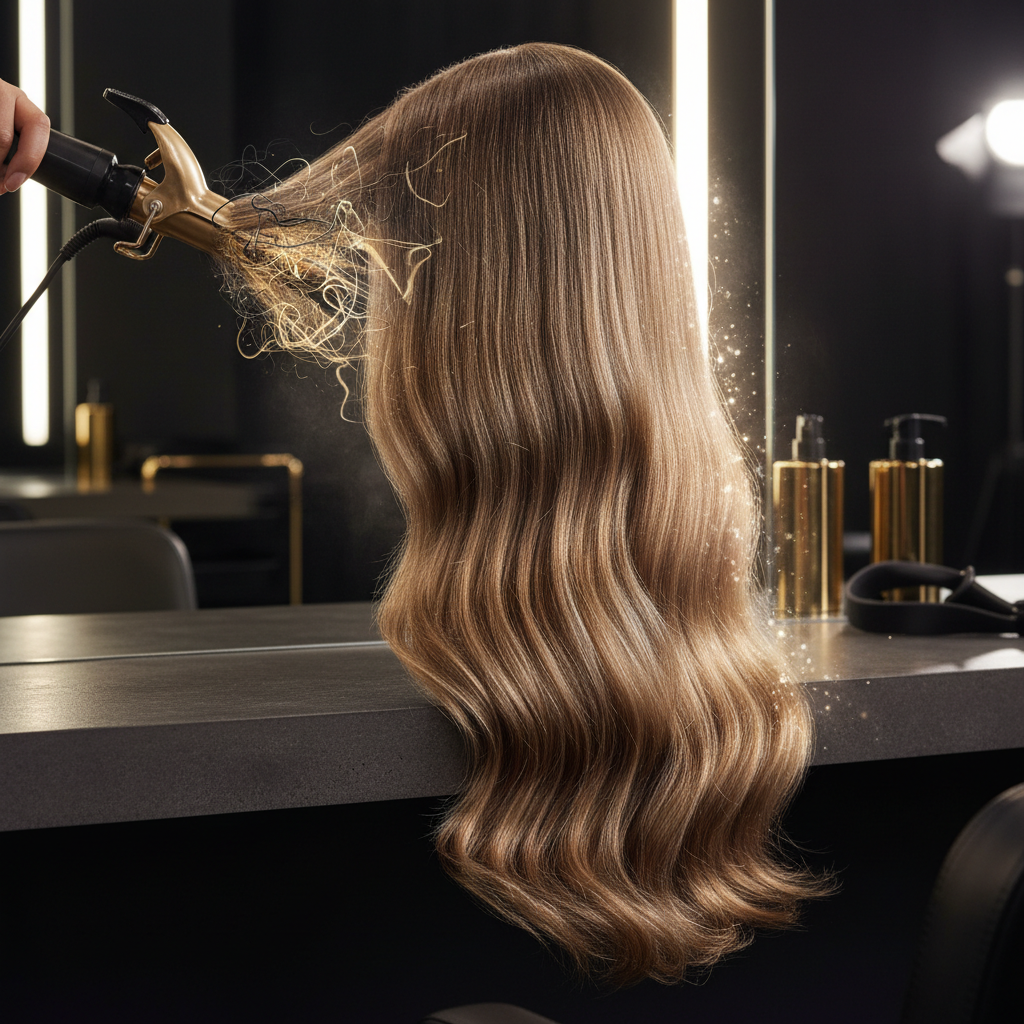
Quick answer: Understanding thermal heat damage and fibre protection is vital for preventing permanent structural changes in hair exposed to hot tools. High temperatures alter keratin protein arrangements, strip protective surface lipids, and cause moisture trapped in the cortex to boil, creating irreversible hollows known as bubble hair. While cosmetic heat protectants reduce thermal transfer and friction, they only mitigate damage rather than eliminate it. Once the internal protein architecture fractures, you cannot rebuild it; prevention and temperature control remain your primary defence.
Key takeaways
- Heat above 150°C begins degrading the alpha-keratin structure within the hair cortex, converting it into disordered beta-keratin.
- The 18-methyleicosanoic acid (18-MEA) lipid layer on the cuticle strips away at lower thermal thresholds, leaving hair vulnerable to moisture loss.
- Applying heat tools to damp or wet hair causes rapid vaporisation of water within the shaft, leading to bubble hair and sudden snapping.
- True heat protectants create a thermal buffer, disperse heat evenly, and lubricate the fibre surface to reduce mechanical tension.
- No cosmetic formulation provides 100 percent shielding against thermal stress; lowering tool temperatures and reducing dwell time are essential.
Thermal Heat Damage and Fibre Protection: what the evidence shows
Research into hair physics demonstrates that human hair undergoes progressive, non-reversible degradation when exposed to temperatures between 120°C and 230°C. Modern styling appliances, including straighteners and curling wands, regularly reach 200°C or higher. At these temperatures, heat does not simply dry the hair surface; it fundamentally alters the biochemical composition of the fibre.
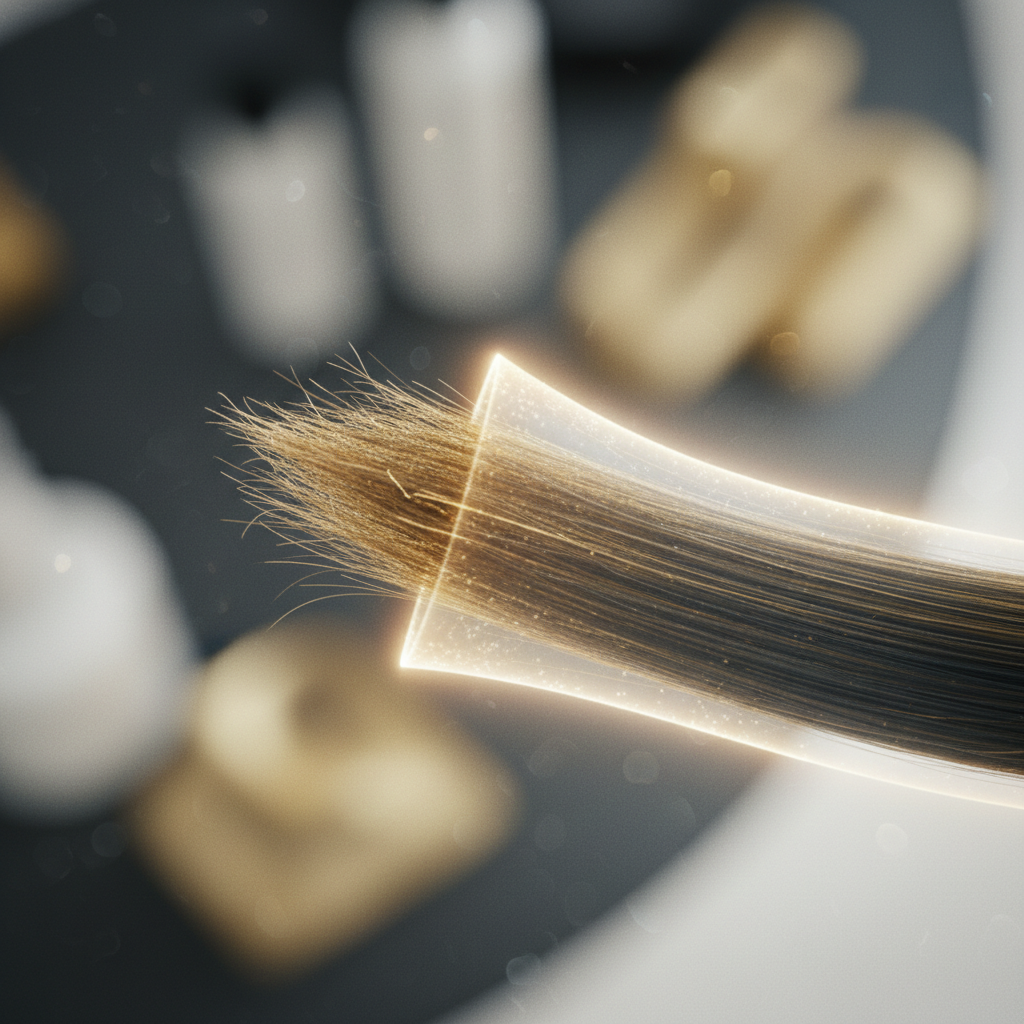
The hair shaft consists of an outer protective cuticle, a central cortex that provides tensile strength and elasticity, and, in coarser strands, an inner medulla. Multiple studies published in cosmetic science literature confirm that dry thermal styling causes physical cracking, lifting, and erosion of the cuticle scales. Once the cuticle edges buckle and chip away, the underlying cortical cells are exposed to direct heat, environmental friction, and UV radiation.
Thermal heat damage and fibre protection strategies focus heavily on preventing the denaturation of keratin. Keratin is rich in cystine, an amino acid forming strong disulphide bonds that give hair its resilience. Under excessive heat, these disulphide bonds break down into cysteic acid residues. This process weakens the structural matrix, leading to reduced elasticity, increased porosity, and premature hair breakage along the shaft.
The mechanism of heat breakdown in the hair fibre
Thermal breakdown occurs in distinct stages depending on temperature, moisture content, and exposure duration.
First, surface lipids vanish. The outermost layer of a healthy hair cuticle is coated in 18-MEA, a covalently bonded fatty acid layer that repels water and provides natural lubricity. Thermal exposure breaks these covalent bonds. Without 18-MEA, the hair fibre becomes hydrophilic, absorbing ambient humidity rapidly, swelling, and frizzing while losing its natural shine.
Second, the protein matrix changes shape. The cortex contains coiled alpha-helical keratin chains. Between 140°C and 160°C, these helices begin to loosen. Between 180°C and 210°C, thermal analysis shows a permanent shift from organised alpha-keratin to disordered, uncoiled beta-keratin. This phase change robs the fibre of its spring and tensile strength.
Third, moisture turns to steam. If you apply a flat iron or curling tong to hair that retains free water, that water boils inside the cortex. Because the cuticle acts as a rigid barrier, trapped steam expands rapidly, creating micro-cavities within the shaft. Under microscopic evaluation, these manifest as "bubble hair" (deformities where the fibre balloons outwards, creating localized weak points that fracture under minimal combing tension).
| Temperature Range | Structural Impact on Fibre | Visual and Tactile Symptoms | Reversibility |
|---|---|---|---|
| Below 140°C | Surface moisture evaporates; minor temporary loss of water-bonded shape. | Temporary smoothing or curling; minimal structural alteration. | Fully reversible with washing. |
| 140°C to 175°C | Degradation of 18-MEA lipid layer; initial softening of alpha-keratin. | Dry texture, reduced shine, increased susceptibility to humidity. | Cosmetic smoothing possible; lipid loss is permanent. |
| 175°C to 215°C | Denaturation of alpha-keratin to beta-keratin; oxidation of disulphide bonds. | Split ends, high porosity, brittleness, loss of curl definition. | Irreversible; requires regular trims and conditioning coats. |
| 215°C and above | Thermal decomposition of keratin; melting of cortical cells; rapid bubble hair. | Severe fibre snapping, singed odour, scorched colour, rough fraying. | Irreversible structural destruction. |
What the evidence does not show
Marketing claims surrounding heat styling often overstate what cosmetic chemistry can achieve. Laboratory testing reveals several misconceptions:
- Heat protectants do not offer complete immunity. Independent testing shows that even the most effective polymer blends reduce thermal damage by roughly 30 to 50 percent. They do not allow you to use 230°C irons with impunity.
- Heat does not cause genuine hair loss. Thermal damage affects the non-living hair shaft outside the scalp. It creates breakage, where the strand snaps into short fragments. It does not cause follicular hair loss or shedding from the root (such as telogen effluvium or androgenetic alopecia), unless an iron physically burns the scalp skin and creates a cicatricial scar.
- You cannot permanently re-fuse split ends. Products claiming to "repair" heat-blistered ends can only temporarily glue the fragments together using polymers or heavy silicones. Once the cortex splits, the separation persists until the damaged section is cut off.
Signs of thermal damage to look for
Identifying heat damage early allows you to modify your styling habits before breakage becomes widespread:
- Altered curl patterns: Naturally wavy, curly, or coily hair loses its spring and remains limp or straight in repeatedly ironed sections.
- Mid-shaft splits and white dots: Look closely at individual shed fibres. Small white specks along the shaft indicate incomplete fractures (trichorrhexis nodosa) where the cortex has collapsed.
- Excessive tangling: As cuticle scales chip and lift, neighbouring fibres catch on one another, creating stubborn knots during washing and brushing.
- Dull, faded colour: High heat oxidises melanin pigments in natural hair and rapidly fades synthetic dyes, leaving hair looking brassy or bleached.
- Sudden snapping during styling: If short pieces of hair pepper your sink or clothes when brushing, you are experiencing mechanical failure due to thermal brittleness.
Practical steps for fibre protection
Mitigating heat damage requires combining smart styling protocols with appropriate topical formulations.
1. Dry hair thoroughly before using direct-contact tools
Never apply flat irons, curling wands, or crimpers to damp hair. Ensure hair is 100 percent dry before introducing hot metal or ceramic plates. If using a hairdryer, keep the nozzle moving continuously, hold it at least 15 centimetres away, and finish with the cool shot button to lock styles in place.
2. Lower the temperature dial
Fine, chemically treated, or bleached hair should never encounter temperatures above 150°C to 165°C. Virgin, coarse, or highly textured hair may require slightly more heat to reform temporary hydrogen bonds, but rarely needs to exceed 185°C. Moving an iron slowly at 170°C causes less damage than dragging an iron set to 220°C quickly down the hair.
3. Deploy dedicated heat protective ingredients
Effective heat protectants contain ingredients with low thermal conductivity, high heat capacity, and strong film-forming capabilities:
- Dimethicone and Cyclopentasiloxane: Silicones that spread easily, lower surface friction, and slow the transfer of heat into the cortex.
- Hydrolysed vegetable proteins: Small proteins that temporarily adsorb to surface defects, reinforcing weakened cuticle boundaries.
- Polyquaternium compounds: Positively charged polymers that bind to damaged, negatively charged sites along the fibre, providing an even lubricating shield.
4. Support fibre resilience in your wash routine
To improve the baseline strength of hair exposed to styling tools, maintain a balance of conditioning agents and gentle scalp care. Using a supporting regimen like Watermans Grow Me Shampoo and Condition Me Conditioner helps preserve cosmetic moisture balance and keeps the fibre feeling supple. While wash-off products do not replace leave-in heat shields, a healthy, conditioned cuticle provides better resistance against daily mechanical manipulation.
When the cause may be something else
Before assuming thermal styling is the sole culprit behind dry, snapping hair, consider confounding factors. Chemical processing (such as bleaching, permanent dyeing, or chemical relaxers) breaks disulphide bonds through oxidation or alkaline reduction, producing identical symptoms of brittleness.
Environmental exposure, such as prolonged UV radiation or hard water mineral accumulation, also degrades cuticle integrity. Furthermore, if you are noticing hair thinning at the scalp rather than short broken fibres, you are dealing with a follicular process, not heat breakage.
When to seek professional advice
Visit a qualified trichologist or dermatologist if your hair is shedding excessively from the roots, if you observe circular patches of thinning, or if you have experienced physical scalp burns from a styling appliance.
Consult a trusted professional stylist if heat-damaged ends have begun splitting up the hair shaft. Once a split begins, it can travel upwards into healthy growth unless removed with sharp, professional shears. A stylist can also assess the porosity of your hair and recommend salon-strength conditioning treatments to manage manageability while you grow out the damage.
Frequently asked questions about Thermal Heat Damage and Fibre Protection
Can thermal heat damage be reversed with deep conditioners?
No. Thermal heat damage causes permanent changes to keratin proteins and surface lipids. Deep conditioners, oils, and masks can temporarily fill in gaps, coat the cuticle, and improve softness and shine, but they cannot restore original protein alignment or re-attach missing cuticle scales. The only permanent fix for split, severely broken ends is trimming them away.
What is the most effective thermal heat damage and fibre protection method?
The most effective approach combines mechanical precautions with barrier products. Apply a silicone- or polymer-based leave-in protectant to distribute heat, ensure the hair is bone dry, reduce appliance temperatures to below 185°C, and limit the tool to a single, smooth pass per section of hair.
Does air-drying hair cause less damage than blow-drying?
Evidence shows that air-drying is not entirely harmless. Prolonged air-drying leaves the hair swollen with water for hours, placing sustained pressure on the cell membrane complex (hygral fatigue). Research suggests using a hairdryer on a low-heat, low-speed setting held 15 centimetres away causes less internal structural swelling than letting very thick hair air-dry over many hours.
Why does my hair smell burnt even after washing?
A persistent burnt smell indicates severe protein degradation and sulphur oxidation within the cortex. When disulphide bonds break down under extreme heat, volatile sulphur compounds release that tell-tale odour. It often persists until those damaged sections are trimmed or gradually sealed with conditioning agents over time.
A balanced approach to heat styling
Healthy styling comes down to risk management rather than complete heat avoidance. Hot styling tools allow for versatile, long-lasting styles, but every pass takes a small, measurable toll on the internal protein architecture of the hair shaft. Mastering thermal heat damage and fibre protection means understanding your hair's unique density and condition, choosing reliable protective barriers, and keeping your styling tools at the lowest effective temperature to ensure long-term fibre resilience.
Sources and references
- Journal of Cosmetic Science: McMullen, R. L., & Jachowicz, J. (1998). Thermal degradation of hair protein.
- International Journal of Cosmetic Science: Christian, P., et al. (2011). The effects of thermal styling on hair condition.
- Society of Cosmetic Scientists: Robbins, C. R. (2012). Chemical and Physical Behaviour of Human Hair.
- Annals of Dermatology: Lee, Y., et al. (2011). Hair shaft damage from heat and drying.