Signs of Heat Damage on Curly Hair: Identification, Science, and Solutions
9 min read ·
Learn how to recognise the clear signs of heat damage on curly hair, understand the science of thermal protein breakdown, and discover how to nurse damaged curls back to life.
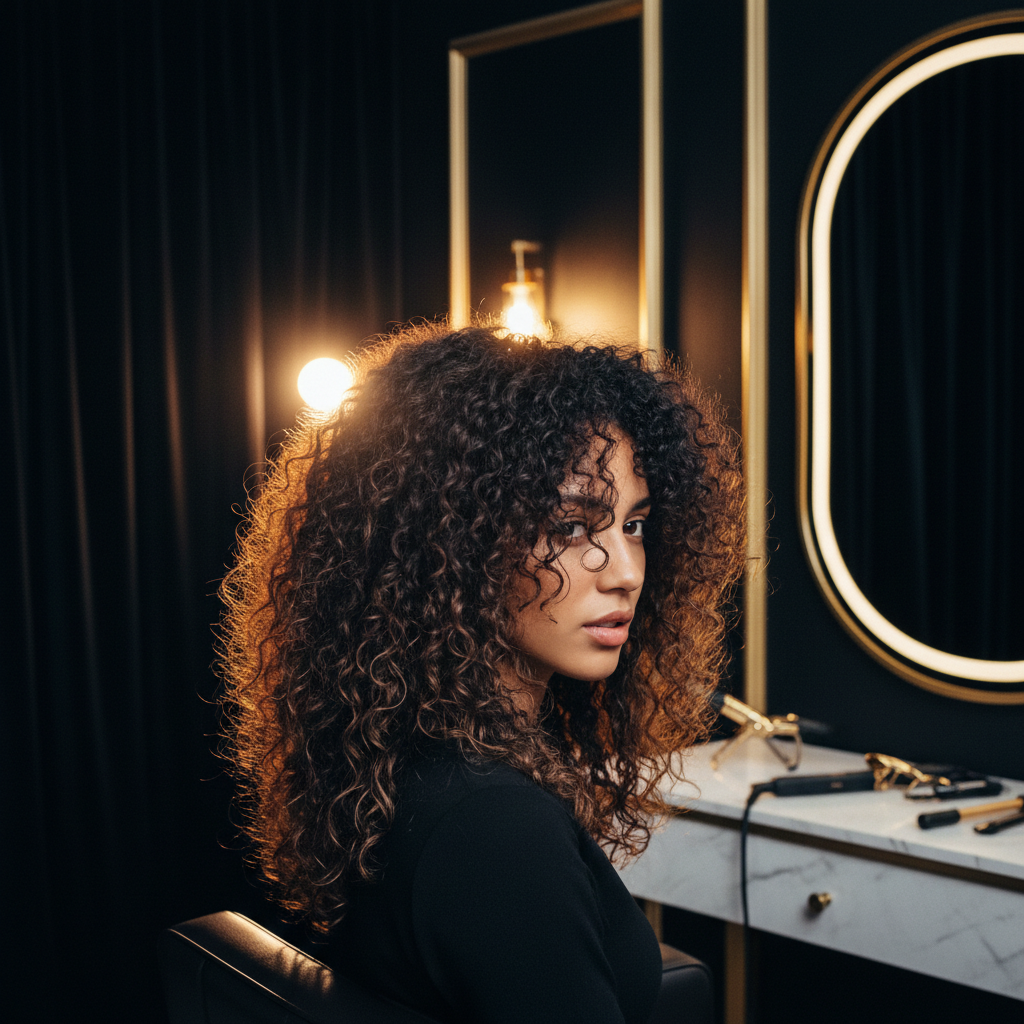
Quick answer: Identifying the signs of heat damage on curly hair involves checking for altered curl patterns, limp or stringy ends, extreme dryness, and increased fibre snapping. Thermal styling tools exceeding 150°C break structural disulphide bonds and melt internal keratin within the cortex, causing curls to loosen irregularly or lie flat. While conditioning treatments and bonding agents can temporarily improve elasticity and cosmetic manageability, severe thermal protein degradation is irreversible and requires trimming the compromised fibre.
Key takeaways
- Heat breaks down alpha-keratin into denatured beta-keratin, permanently distorting curl architecture.
- Common symptoms include irregular curl loosening, excessive porosity, rough cuticles, split ends, and snap breakage.
- Heat damage is fibre breakage and structural degradation, not follicular hair loss.
- Temperatures above 150°C degrade protective cuticles; temperatures above 215°C begin thermal decomposition of hair proteins.
- No topical cosmetic product can permanently mend broken keratin matrices; prevention and trimming remain essential.
Signs of Heat Damage on Curly Hair: what the evidence shows
Curly hair fibres possess an elliptical, asymmetrical cross-section with uneven cuticle distribution along the curvature. This structural geometry makes curly hair inherently vulnerable to high temperatures. When evaluating the signs of heat damage on curly hair, trichologists examine how excessive heat alters the fibre's biological, chemical, and physical integrity.
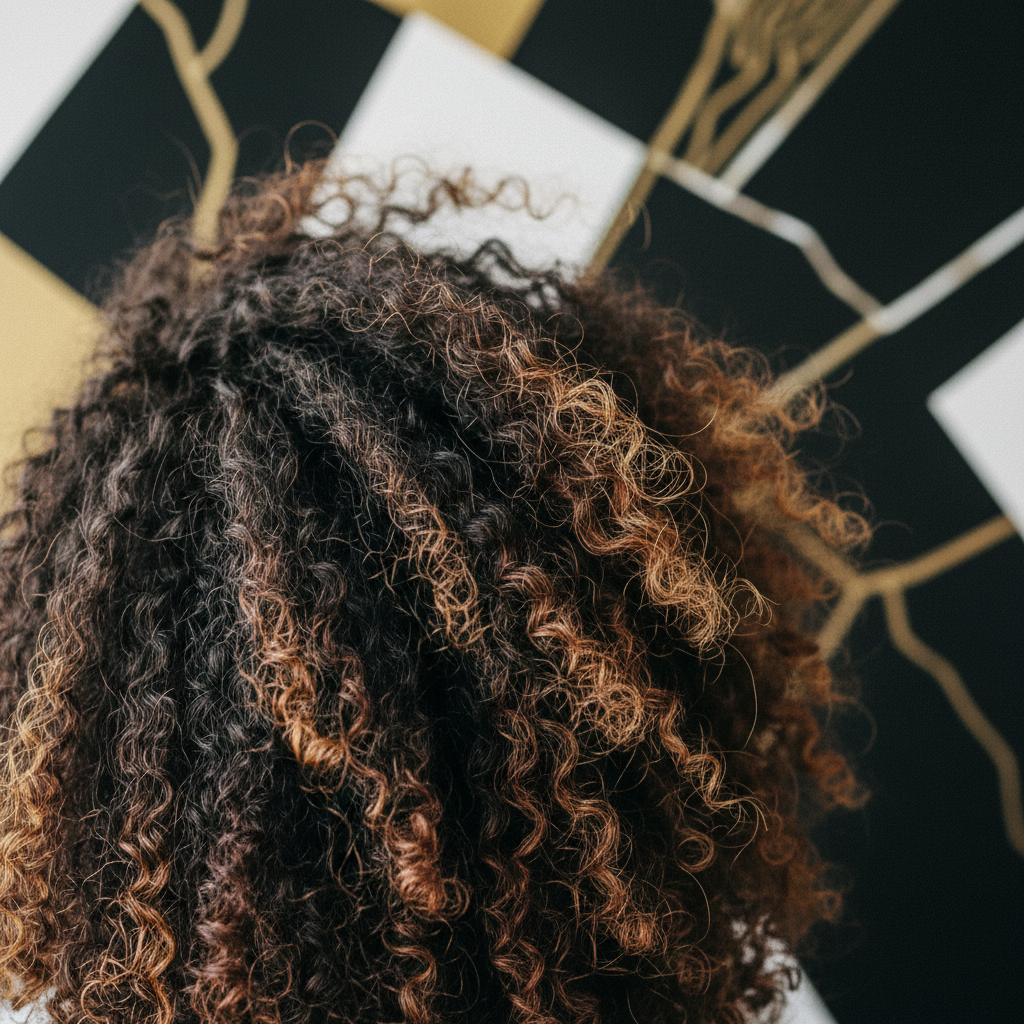
The primary manifestation is a disrupted curl pattern. Healthy curls coil consistently from root to tip. Following severe thermal exposure from flat irons, curling wands, or concentrated blow dryers, sections of hair lose their elasticity and spring. Instead of snapping back into an defined ringlet when wet, damaged curls hang limp, wavy, or completely straight. This loss occurs unevenly across the head, often clustering on the crown, face-framing sections, or ends where heat tools are repeatedly applied.
A second critical sign is dramatic cuticular degradation leading to high porosity. Keratin scales that normally lie flat lift, crack, and break away entirely. As a result, hair rapidly absorbs water when washed but loses it just as quickly, leaving strands perpetually brittle, rough, and prone to severe tangling.
Fibre breakage also escalates. Because thermal styling strips the outer lipid layer (18-methyleicosanoic acid) and vaporises inner moisture rapidly, the cortex loses tensile strength. Hair snaps off mid-shaft during gentle combing or styling, leaving behind blunt, frayed white dots (trichorrhexis nodosa) along the strand.
Structural mechanisms: what heat does to curl fibres
Hair is primarily composed of keratin, a fibrous structural protein stabilised by strong disulphide bonds and weaker hydrogen bonds. Natural curl patterns are dictated by the angle of the follicle and the spatial arrangement of these disulphide bridges.
When heat is applied above 150°C, the hair cuticle expands rapidly. If residual moisture is trapped inside the cortex, water converts to steam instantly, creating internal micro-voids known as "bubble hair". This condition severely compromises fibre strength.
At temperatures between 160°C and 200°C, the crystalline alpha-keratin coils begin to denature, uncoiling into a disordered beta-keratin state. Disulphide cross-links oxidise into cysteic acid. Once these covalent bonds are cleaved by excessive heat without chemical neutralisers present, the hair cannot restore its original conformation.
Beyond 215°C to 230°C, the protein matrix experiences irreversible thermal decomposition. The natural lipid barrier is obliterated, rendering the cortex porous, fragile, and unable to maintain moisture equilibrium.
Comparing healthy curls to heat-damaged curls
| Characteristic | Healthy Curly Hair | Heat-Damaged Curly Hair |
|---|---|---|
| Curl Pattern | Consistent spring, uniform pattern from root to tip | Limp, elongated, stringy, or completely straight ends |
| Elasticity | Stretches gently when wet and springs back | Stretches and snaps immediately, or stays stretched out |
| Porosity | Normal (balanced absorption and retention) | Extremely high (absorbs fast, dries out instantly) |
| Surface Texture | Smooth cuticles, defined groupings | Rough, frizzy, velcro-like feel; easily tangles |
| Fibre Integrity | Intact cortex; minimal split ends | Multiple split ends, mid-shaft breakage, white bulbs |
| Response to Water | Contracts into defined coils upon wetting | Hangs flat or forms irregular, lifeless waves |
What the evidence does not show
Controlled dermatological research does not show that thermal damage can alter the biological hair follicle beneath the scalp. Heat from flat irons or curling tools damages the non-living keratin shaft that has already emerged. It does not alter your genetics, the follicular shape beneath your skin, or your future hair growth.
Additionally, scientific literature does not support the claim that deep conditioning masks, oils, or bond-building formulas can physically "reverse" or stitch back together denatured hair proteins. Cosmetic formulations can deposit film-forming polymers, fill microscopic cuticular gaps, and restore temporary lubricity. However, true structural recovery is impossible; once the keratin matrix is thermally modified, that section of hair remains permanently altered until cut away.
Finally, heat damage does not cause telogen effluvium or follicular alopecia unless direct, severe burns are sustained on the scalp surface itself. Shedding that originates from the root should not be confused with breakage along the hair shaft.
How to manage and rehabilitate heat-damaged curls
When curly hair exhibits thermal damage, your primary goal shifts from reversal to damage limitation and structural preservation.
1. Introduce structural protein and bonding treatments
Topical treatments containing hydrolysed proteins (such as wheat, silk, or keratin) temporarily adhere to the cracked cuticle layer. Small amino acid molecules temporarily reinforce weak zones within the cortex, decreasing mid-shaft breakage during styling. Use protein treatments once every two to three weeks, balanced with rich emollients to prevent fibre stiffness.
2. Restore deep hydration and lubricity
Because heat-damaged curls have lost their protective 18-MEA lipid layer, moisture escapes rapidly. Counteract this by incorporating deep conditioning treatments rich in fatty alcohols (cetyl and stearyl alcohol) and natural lipids like shea butter or jojoba oil. These ingredients smooth the lifted cuticles, reducing mechanical friction during detangling.
3. Eliminate or strictly calibrate direct heat
Cease using flat irons, curling tongs, and high-heat blow drying. If heat is necessary for styling, employ a diffuser on a cool or warm setting, holding the dryer at least 15 centimetres away from the hair. Always apply a silicone- or copolymer-based thermal protectant beforehand. These ingredients create a heat-dissipating barrier that reduces thermal transfer rates into the cortex.
4. Execute a staged trimming routine
Because severe heat damage is biologically permanent, trimming is the only ultimate remedy. Stylists recommend a gradual dusting routine, removing 1 to 2 centimetres every six to eight weeks, or committing to a definitive cut to remove straight, lifeless ends. Eliminating split ends stops fractures from travelling upward into healthy shaft sections.
When the cause may be something else
Not all structural changes in curly hair stem from thermal tools. It is critical to differentiate heat damage from other forms of hair stress:
- Chemical damage: Bleaching, permanent hair dyes, and chemical relaxers cleave disulphide bonds chemically, producing symptoms identical to heat damage, including loss of curl and high porosity.
- Hygral fatigue: Repeated excessive swelling and deswelling of the hair fibre from prolonged soaking in water damages the cell membrane complex, causing limp, gummy curls.
- Mechanical damage: Tight hairstyles, rough detangling with fine-toothed combs, and friction from cotton pillowcases cause cuticular fraying and breakage without any heat exposure.
- Hard water buildup: High concentrations of calcium and magnesium ions adhere to hair fibres, creating a dry, coated, brittle feel that mimics thermal dehydration.
Supporting overall hair health: the role of Watermans
While heat-damaged hair shafts require external conditioning and physical trims, cultivating healthy new hair growth from the scalp provides the foundation for restoring your curl pattern over time. Watermans Grow Me Shampoo and Condition Me Conditioner are formulated to support the scalp environment while delivering cosmetic reinforcement to the hair shaft.
Watermans Grow Me combines natural ingredients including biotin, caffeine, rosemary extract, niacinamide, and argan oil. This revitalising blend nurtures the scalp, helping to foster an optimal micro-environment for emerging curls. Complementing this, Condition Me features hydrolysed lupin protein and cholesterol, which coat vulnerable strands, improving moisture retention, enhancing surface slip, and reducing friction-induced breakage as you gradually trim away older thermal damage.
When to consult a professional
If your curls are snapping excessively despite gentle handling, or if your curl pattern has transformed drastically without heavy heat usage, consult a certified trichologist or an experienced curl specialist. A professional stylist can accurately assess the boundary between healthy new growth and heat-degraded fibre, tailoring a precision cut that maintains shape while eliminating damaged ends.
If you notice rapid thinning, patchy shedding from the root, or scalp discomfort, see a dermatologist, as these are signs of follicular hair loss rather than cosmetic heat breakage.
Frequently asked questions about Signs of Heat Damage on Curly Hair
What is the most definitive sign of heat damage on curly hair?
The most definitive sign of heat damage on curly hair is a loosened, irregular, or completely vanished curl pattern. When healthy curly hair is saturated with water, it naturally contracts into its normal curl formation. Thermally altered strands remain straight, limp, or wavy, completely failing to bounce back into shape.
Can deep conditioners reverse heat damage on curls?
No. Deep conditioners cannot reverse structural heat damage. They deposit cosmetic ingredients such as lipids, silicones, and hydrolysed proteins that temporarily smooth down lifted cuticles and improve suppleness. However, they cannot rebuild thermally denatured alpha-keratin or restore broken disulphide bonds. Only cutting away the damaged hair eliminates the issue.
How do I know if my hair is shedding or breaking from heat?
Examine the fallen hairs closely. Shed hair comes from the follicle and will display a tiny, firm white bulb at the root end; this represents natural cycle turnover. Broken hair from heat damage consists of shorter, uneven fragments without a root bulb, frequently displaying frayed or split tips along the shaft.
Can 180°C damage my natural curls?
Yes. Fine or previously coloured curly hair can suffer cuticular and structural degradation at temperatures as low as 150°C to 180°C, especially if applied repeatedly or to damp strands. Coarse, thick curls may resist slightly higher temperatures, but prolonged contact at 180°C will degrade the lipid barrier and cause progressive damage.
Conclusion
Recognising the signs of heat damage on curly hair early allows you to take corrective action before cuticular fractures lead to severe mid-shaft breakage. By identifying irregular curl patterns, extreme porosity, and split ends, you can adjust your styling habits, cease thermal stressors, and implement restorative hydration practices. While damaged keratin cannot be permanently reconstructed, adopting a disciplined trimming schedule alongside targeted scalp and fibre care will ensure your curls return with natural bounce, strength, and definition.
Sources and references
- Journal of Cosmetic Science: "Thermal degradation of hair keratin", 2011.
- International Journal of Dermatology: "Hair breakage: Mechanisms and methods of analysis", 2018.
- British Journal of Dermatology: "Effects of heat treatments on hair structure and physical properties", 2004.
- Journal of the Society of Cosmetic Chemists: "The effects of cosmetic treatments on hair protein composition", 1998.
Find these ingredients in Watermans products
- Biotin: you will find this ingredient in our Hair Growth Shampoo.
- Niacinamide: you will find this ingredient in our Hair Mask.
- Shea Butter: you will find this ingredient in our Curly Hair Conditioner.