Hair Porosity Guide: The Scientific Approach to Moisture and Cuticle Health
9 min read ·
Master hair porosity with our evidence-based Hair Porosity Guide. Discover the science behind low, medium, and high porosity to tailor your haircare routine.
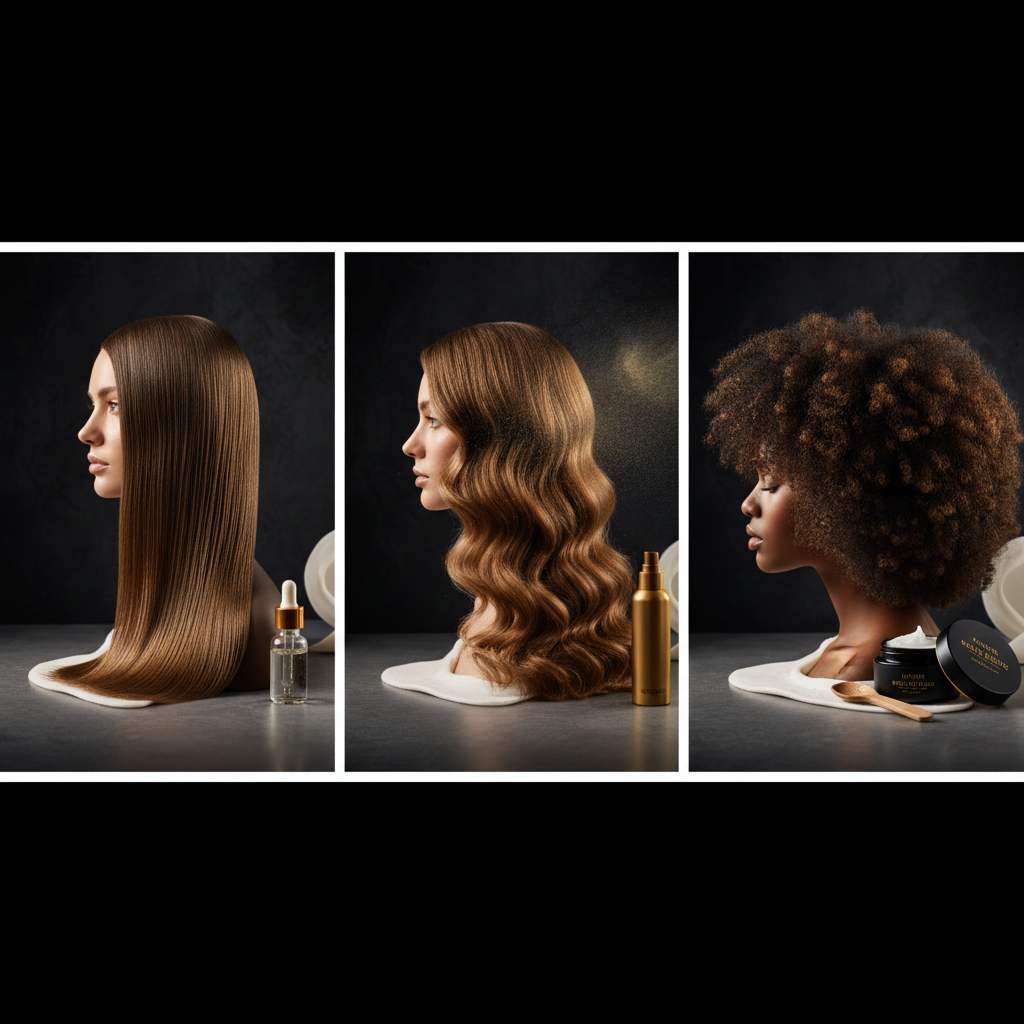
Quick answer: This comprehensive Hair Porosity Guide explains your hair fibre's ability to absorb and hold moisture, which depends entirely on the condition of your outer cuticle layer. Porosity falls into three categories: low (tightly bound cuticles), medium (balanced cuticles), and high (lifted or chipped cuticles). While understanding porosity helps you select effective conditioners and avoid product build-up, porosity is not a permanent genetic trait. It shifts continuously with chemical processing, heat styling, sun exposure, and daily mechanical wear.
Key takeaways
- Hair porosity describes how easily water, oils, and cosmetic conditioning agents pass through the cuticle into the cortex.
- Low porosity hair resists moisture absorption because cuticles overlap tightly, while high porosity hair absorbs water quickly but loses it just as fast through cuticle gaps.
- Medium porosity represents structurally sound, balanced hair that accepts and retains hydration without specialised routines.
- Common home float tests often produce misleading results because surface tension, oil coatings, and product residue interfere with how strands behave in water.
- High porosity is often acquired through chemical treatments like bleaching, permanent dyeing, and alkaline relaxing, which strip away the protective 18-methyleicosanoic acid (18-MEA) lipid layer.
- Targeted conditioning, balancing protein treatments, and acid-balanced formulations (pH 4.5 to 5.5) help manage the structural challenges of each porosity type.
Hair Porosity Guide: what the evidence shows
This Hair Porosity Guide examines how the outermost architecture of the hair strand dictates hydration balance. Human hair consists of three primary layers: the outermost cuticle, the structural cortex, and the central medulla. The cuticle is made of six to ten overlapping cellular scales, coated with an ultra-thin lipid layer rich in 18-methyleicosanoic acid (18-MEA). This fatty layer makes healthy virgin hair naturally hydrophobic, meaning it repels excess water.
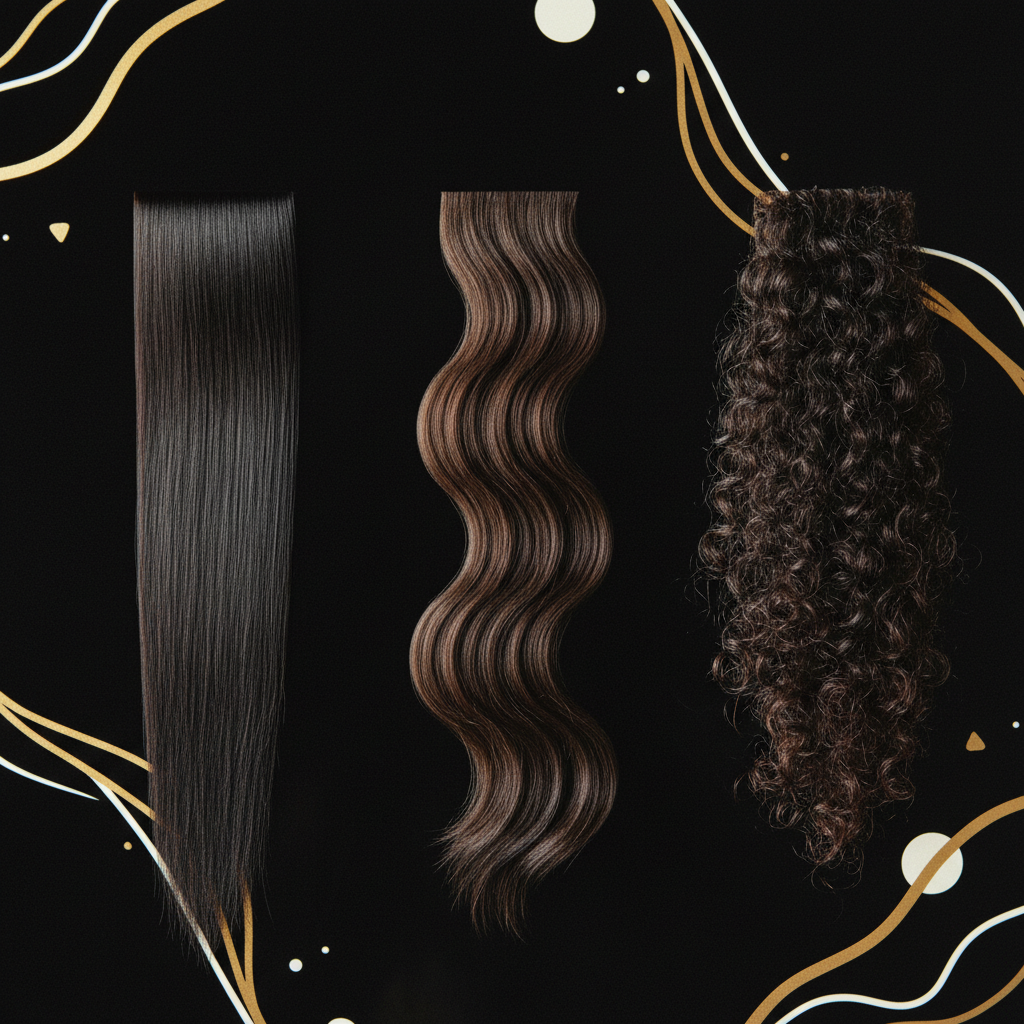
When cosmetic scientists evaluate hair porosity, they are measuring the physical openness and integrity of these cuticle scales. In low porosity hair, the cuticles lie flat and overlap tightly like well-laid roof tiles. This tight barrier shields the cortex, making it difficult for liquid water and heavy oils to enter. Conversely, once moisture does penetrate low porosity hair, it stays locked inside.
High porosity hair features raised, chipped, or missing cuticle scales. This open structure allows water to rush into the cortex rapidly. However, because the protective barrier is compromised, that moisture evaporates just as rapidly into the ambient air. High porosity strands also absorb environmental humidity quickly, causing the cortex to swell irregularly and leading to chronic frizz and styling collapse.
Medium porosity hair maintains an optimal balance. Its cuticle scales raise slightly when exposed to warm water and cleansing surfactants, allowing conditioning ingredients to enter, and then flatten down again to preserve internal hydration.
+------------------+-----------------------+------------------------+------------------------+
| Feature | Low Porosity | Medium Porosity | High Porosity |
+------------------+-----------------------+------------------------+------------------------+
| Cuticle state | Tightly bound, flat | Uniform, flexible | Raised, frayed, porous |
| Water absorption | Very slow (repels) | Moderate and steady | Rapid (absorbs fast) |
| Moisture loss | Very slow | Controlled | Very fast (dries fast) |
| Product feel | Prone to sitting on top| Absorbs cleanly | Drinks up heavy creams |
| Common causes | Genetics, virgin hair | Gentle handling | Bleach, heat, sun, dye |
| Key vulnerability| Product build-up | Minimal | Snapping and breakage |
+------------------+-----------------------+------------------------+------------------------+
What the evidence does not show: the float test myth
A widespread myth across online forums suggests you can diagnose your porosity by placing a shed hair strand in a glass of water. According to this test, sinking indicates high porosity, while floating indicates low porosity.
Physical chemistry shows this test is largely unreliable. Water has high surface tension. A completely clean strand of any porosity can easily float on top of water simply because it is lightweight and cannot break the liquid's surface boundary. Furthermore, sebum, silicones, and leave-in oils coat the hair shaft, making even heavily damaged, high-porosity hair float. Conversely, a hair pushed beneath the surface might sink simply because it has lost surface buoyancy, regardless of its internal cuticle integrity.
Dermatologists and cosmetic scientists assess porosity using contact angle measurements, water vapour sorption isotherms, or scanning electron microscopy (SEM), none of which can be replicated in a kitchen glass.
Mechanisms: how hair acquires high porosity
While genetics determine your baseline cuticle thickness and hair shape, porosity is dynamic. High porosity is overwhelmingly acquired through external physical and chemical trauma.
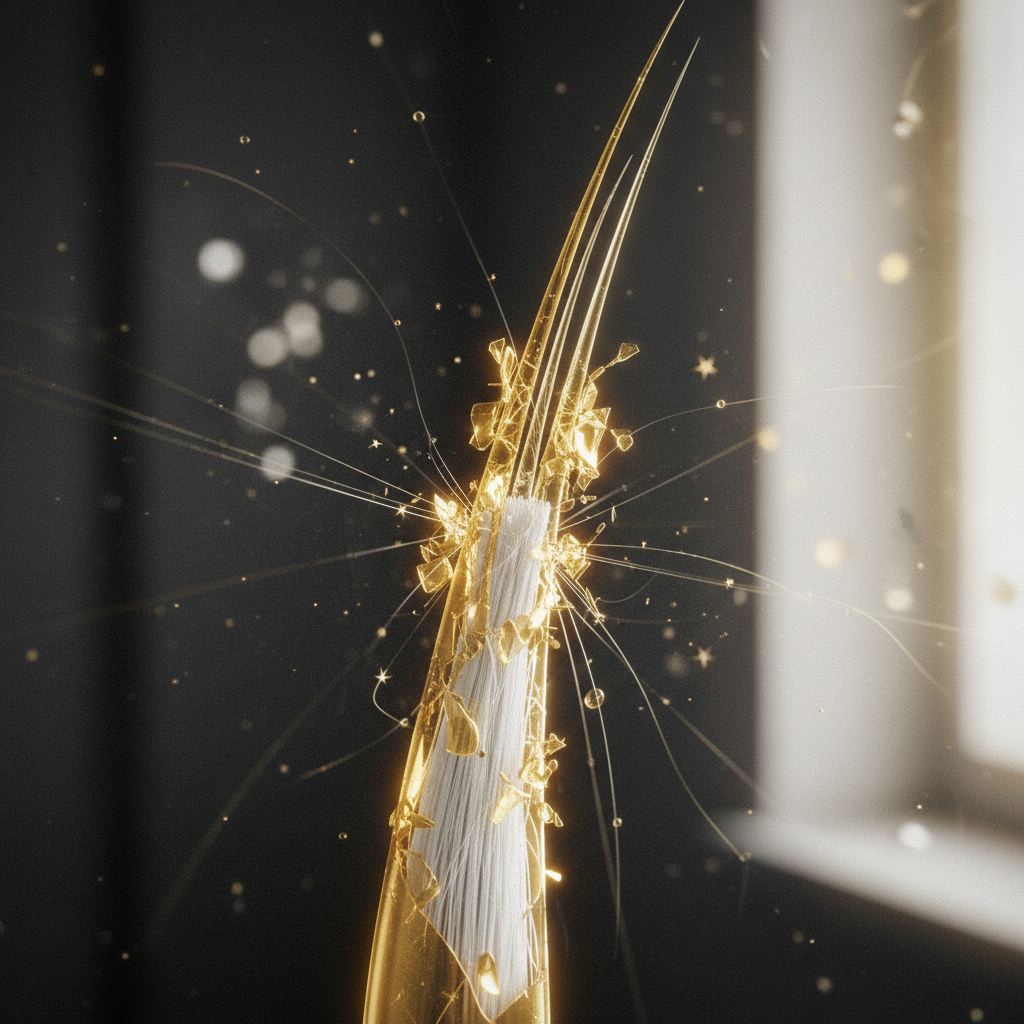
The primary driver is the loss of the 18-MEA lipid layer. Alkaline chemical processes, such as bleaching powders (pH 10 to 11), permanent tints, and chemical relaxers, dissolve this protective lipid shield. Once 18-MEA is lost, hair changes from hydrophobic (water-repelling) to hydrophilic (water-loving). Without its hydrophobic coat, the hair shaft swells excessively when wet, a phenomenon known as hygral fatigue. Repeated swelling and contracting weakens the cell membrane complex between cuticles, causing the edges to lift and break off permanently.
Thermal styling tools operating above 185 degrees Celsius physically blister the cuticle layer and degrade the structural keratin proteins in the cortex. Prolonged ultraviolet (UV) radiation breaks cystine bonds within the hair, further elevating porosity over time.
Signs and characteristics of each porosity type
Recognising your hair porosity relies on how your hair interacts with water and cosmetic products during daily routines.
Signs of low porosity hair
- Water beads up on the surface of dry hair when misted with a spray bottle.
- Hair takes a remarkably long time to become thoroughly saturated in the shower.
- Rich oils, butters, and heavy masks tend to sit on the surface, making the hair look greasy, stiff, or coated.
- Drying takes an exceptionally long time, sometimes several hours without mechanical heat.
- Hair is prone to rapid product build-up, requiring frequent clarifying washes.
Signs of medium porosity hair
- Hair wets easily under the shower stream within a few seconds.
- Products absorb smoothly without leaving persistent tacky residue or disappearing instantly.
- Styling holds its shape predictably across varying weather conditions.
- Hair dries within an average timeframe (usually 1 to 2 hours for medium density air-drying).
Signs of high porosity hair
- Hair gets soaked instantly when exposed to water.
- Deep conditioners, oils, and leave-in treatments seem to vanish into the strand, yet hair feels dry shortly afterwards.
- Hair dries remarkably fast because the open cuticles cannot retain internal moisture.
- Strands tangle easily, feel rough or velcro-like to the touch, and develop split ends quickly.
- High susceptibility to frizz in humid weather due to ambient water rushing into the exposed cortex.
Practical care strategies for your porosity
Adjusting your haircare routine to match your porosity helps reduce fibre stress and prevents unnecessary breakage.
Managing low porosity hair
Low porosity hair requires techniques that encourage the tightly closed cuticle to accept conditioning agents without accumulating residue:
- Use moderate warmth when conditioning. A warm towel wrap or shower cap allows heat to gently relax cuticle tension, assisting moisture entry.
- Choose lightweight humectants and emollients like glycerin, panthenol, jojoba oil, and argan oil rather than heavy mineral oils or thick shea butter.
- Wash regularly with gentle clarifying shampoos to strip away surface film that blocks hydration.
- Avoid overusing heavy protein treatments, as protein fragments can deposit on tight cuticles and make strands feel brittle.
Managing high porosity hair
High porosity hair requires reinforcement to seal gaps and prevent excessive water flux:
- Use slightly acidic rinses or products formulated at pH 4.5 to 5.5. Acidic environments encourage raised cuticle scales to contract and lie flatter against the shaft.
- Incorporate hydrolysed proteins (such as hydrolysed wheat, keratin, or silk proteins). These small protein peptides temporarily patch gaps in the worn cuticle, restoring tensile strength.
- Layer products using sealing techniques: apply a water-based leave-in conditioner first, followed by a richer lipid or oil to physically trap water inside the cortex.
- Minimise thermal and chemical stress. Always use a protective barrier before heat styling and reduce the operating temperature below 180 degrees Celsius.
When the cause is something else: hair shedding vs hair breakage
It is crucial not to confuse high porosity symptoms with follicular hair loss conditions.
When high porosity hair is neglected, the weakened cuticle leads directly to hair breakage. Breakage occurs when the hair fibre snaps along the shaft due to mechanical stress, friction, or degraded tensile strength. You will notice short, fractured strands without a white bulb at the end falling into your brush or sink. Breakage is a cosmetic, structural issue treatable through conditioning and gentler handling.
In contrast, hair shedding (telogen effluvium) or patterned hair thinning (androgenetic alopecia) originate beneath the scalp inside the follicle. In these conditions, hairs shed directly from the root, displaying a visible bulb. Altering your porosity routine will not halt follicular hair loss or hormonal thinning. If you experience widening partings, patchy bald spots, or excessive shedding from the scalp, consult a dermatologist or trichologist rather than focusing solely on porosity.
Supporting hair and scalp health with Watermans
Maintaining resilient hair begins with a clean, balanced scalp environment and high-calibre cosmetic formulations. While high porosity hair demands restructuring conditioning, every hair type benefits from scalp-focused nourishment that supports the appearance of dense, fuller-looking growth.
Watermans Grow Me Shampoo and Condition Me Conditioner provide an advanced blend of biotin, rosemary, caffeine, niacinamide, and hydrolysed lupin protein. For porous hair prone to snapping, the hydrolysed proteins in these formulations temporarily bind to cuticle irregularities, boosting fibre resilience and smoothing the hair surface. The balanced conditioning base softens dry strands without weighing down low-porosity hair, supporting a stronger, shinier appearance from root to tip.
Frequently asked questions about Hair Porosity Guide
Can you permanently change your hair porosity?
No, you cannot permanently change your natural porosity back once cuticles are lost. Low porosity hair can be converted to high porosity through chemical processing or heat damage because cuticle removal is permanent. However, high porosity hair cannot be permanently restored to low porosity; you must use hydrolysed proteins, acidic products, and sealing emollients to manage the hair until new, undamaged hair grows from the root.
How often should I consult a Hair Porosity Guide to re-evaluate my hair?
You should re-evaluate your hair whenever your routine, chemical status, or environment shifts significantly. If you have recently bleached your hair, spent extensive time in strong sun, or switched to a hard water area, your cuticle condition has likely changed. Checking a Hair Porosity Guide every few months helps you adjust your styling and conditioning products to match your hair's current physical state.
Does hard water alter hair porosity?
Hard water does not directly alter your cuticle architecture, but it mimics the symptoms of incorrect porosity care. Calcium and magnesium minerals in hard water precipitate onto the hair fibre, forming an insoluble film. This film prevents moisture from penetrating (mimicking low porosity) while leaving the surface feeling rough, dry, and tangled (mimicking high porosity). Clarifying with a chelating shampoo removes these mineral deposits.
Is high porosity hair unhealthy?
High porosity hair is structurally compromised, but it is not inherently diseased. It simply indicates that the protective cuticle scales have lifted, weathered, or worn away. With appropriate cosmetic management, including hydrolysed proteins and protective leave-in conditioners, high porosity hair can look vibrant, feel soft, and resist mechanical snapping.
Summary
Understanding your hair's structure through this Hair Porosity Guide allows you to make informed, evidence-based choices for your daily washing and styling routine. Porosity is not a rigid classification but a reflection of cuticle health and past chemical exposure. By matching your wash frequency, protein intake, and moisturising ingredients to the specific state of your cuticles, you protect your hair fibres against everyday wear, maintain optimal hydration, and minimise unnecessary breakage.
Sources and references
- Chemical and Physical Behavior of Human Hair (5th Edition), Clarence R. Robbins, Springer, 2012.
- Journal of Cosmetic Science, "The Effects of Cosmetic Treatments on Hair Cuticle Structure", 2008.
- International Journal of Trichology, "Hair Cosmetics: An Overview", 2015, DOI: 10.4103/0974-7753.153450.
- British Journal of Dermatology, "The structural lipids of human hair: analysis and function", 2004.
- Society of Cosmetic Chemists, "Surface Properties and Moisture Sorption of Human Hair", Monograph Series.
Find these ingredients in Watermans products
- Niacinamide: you will find this ingredient in our Hair Mask.
- Panthenol (Provitamin B5): you will find this ingredient in our Heat Protection Spray.
- Shea Butter: you will find this ingredient in our Curly Hair Conditioner.