Seborrhoeic Dermatitis Overview: Scalp Biology, Triggers, and Care
9 min read ·
Explore this Seborrhoeic Dermatitis Overview to understand causes, symptoms, yeast interactions, evidence-based treatments, and healthy scalp care.
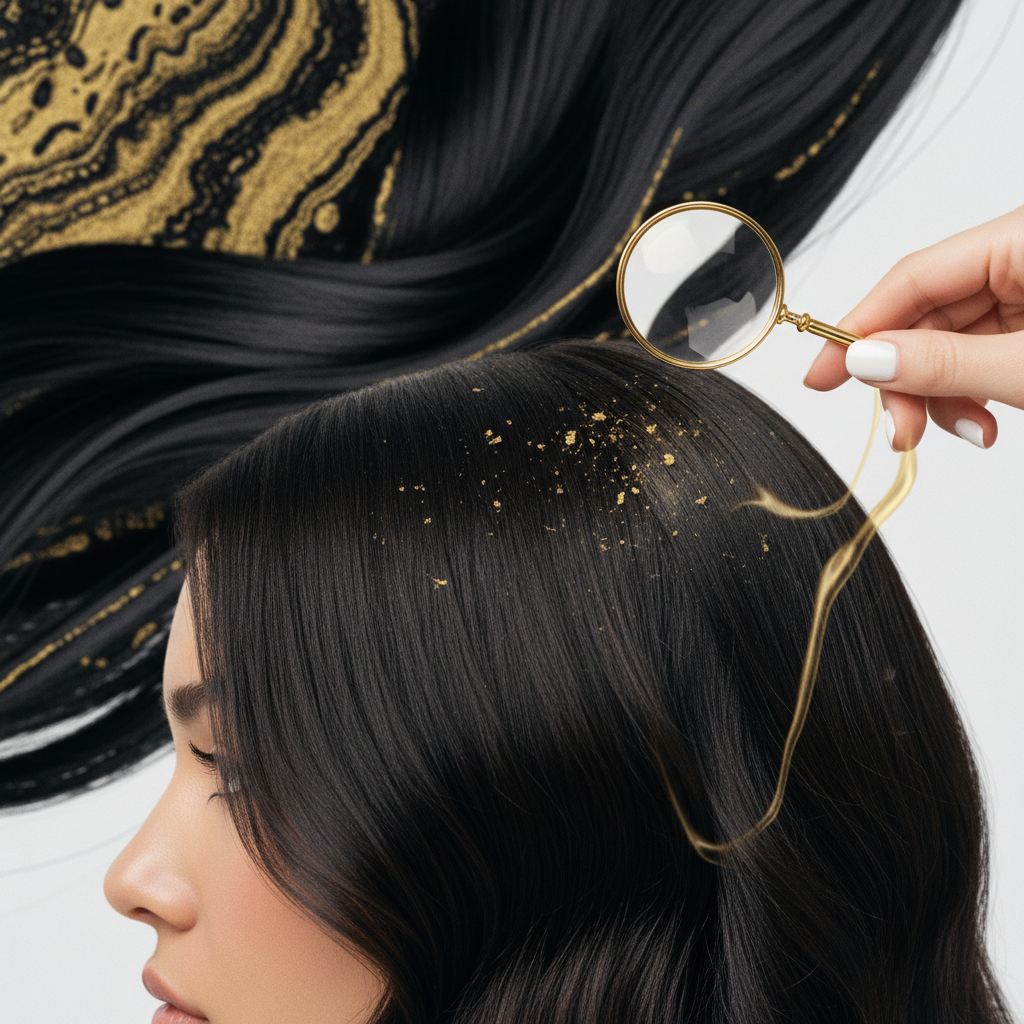
Quick answer: This Seborrhoeic Dermatitis Overview explains a chronic, relapsing inflammatory skin condition that primarily targets sebum-rich zones like the scalp, face, and chest. Driven by an interaction between sebum production, Malassezia yeast colonisation, and individual epidermal barrier vulnerability, it causes greasy scaling, redness, and stubborn itching. While clinical management effectively suppresses flares using antifungal and anti-inflammatory therapies, there is currently no permanent cure, meaning long-term maintenance and scalp barrier care remain vital.
Key takeaways
- Seborrhoeic dermatitis is a chronic, non-contagious inflammatory dermatosis affecting sebaceous areas, most noticeably the scalp.
- The condition relies on a biological triad: sebum lipids, commensal Malassezia yeast species, and an individual inflammatory immune response.
- Mild forms present as common dandruff (pityriasis capitis), whereas moderate to severe forms involve erythema, greasy yellow crusting, and pruritus.
- It does not directly destroy hair follicles, but vigorous scratching and secondary barrier compromise can trigger temporary telogen effluvium hair shedding.
- Treatment focuses on suppressing yeast populations, curbing inflammation, and restoring epidermal barrier integrity rather than seeking an absolute cure.
Seborrhoeic Dermatitis Overview: what the evidence shows
In this Seborrhoeic Dermatitis Overview, peer-reviewed clinical literature demonstrates that seborrhoeic dermatitis is one of the most common scalp disorders worldwide, affecting roughly 1% to 3% of the general population, with milder subclinical manifestations like dandruff reaching up to 50% of adults. It exhibits a bimodal or trimodal age distribution, peaking during infancy (often presenting as cradle cap), post-puberty during hormonal surges, and in adults aged 30 to 60.
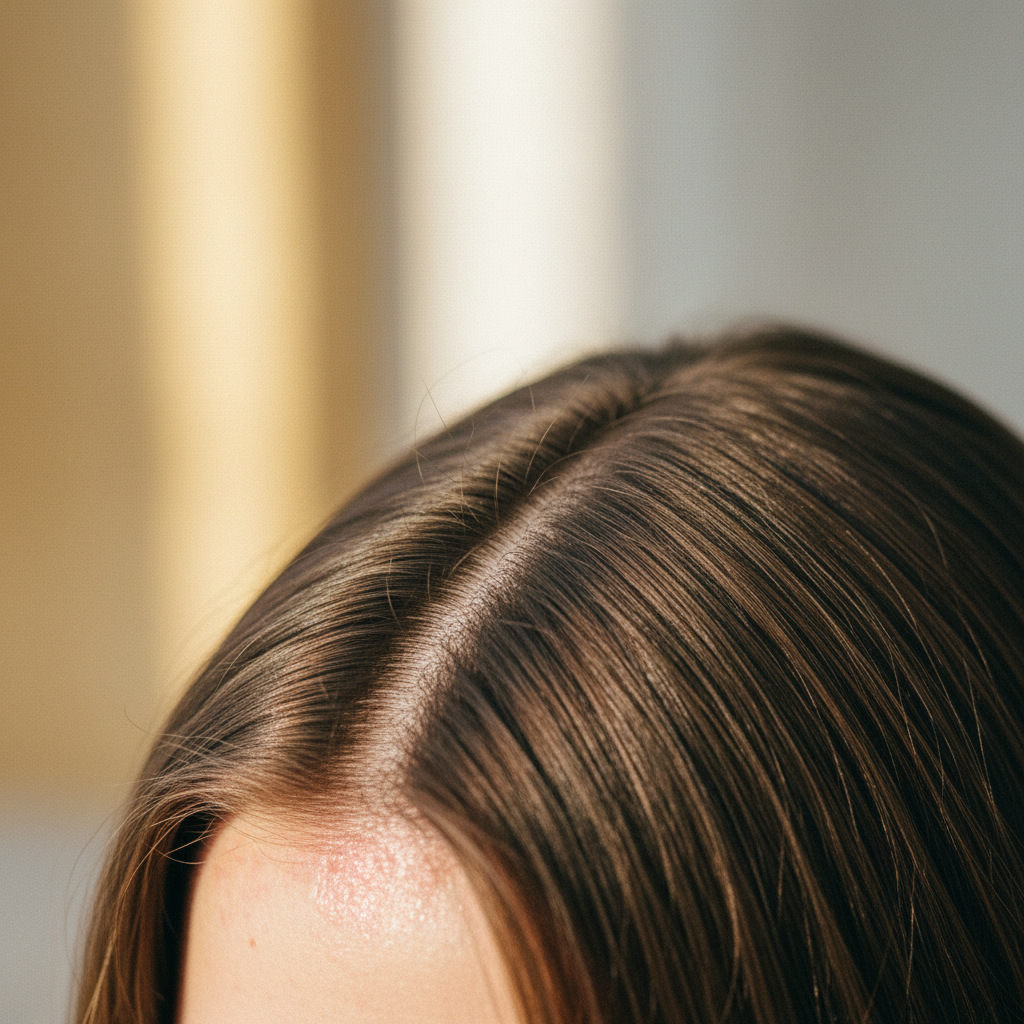
Epidemiological and microbiological research shows that the condition is not caused by poor hygiene. Instead, it is an abnormal inflammatory reaction to normal microflora. The lipophilic yeast Malassezia (predominantly M. Globosa and M. Restricta) thrives in skin areas dense with sebaceous glands. These yeasts consume saturated fatty acids from human sebum, leaving behind irritating unsaturated free fatty acids such as oleic acid. In susceptible individuals, these free fatty acids penetrate a disrupted stratum corneum, initiating an inflammatory cascade that accelerates epidermal turnover.
Clinical trials consistently validate that targeted topical antifungals (such as ketoconazole 2% or ciclopirox olamine 1%) significantly reduce scaling and erythema by diminishing yeast counts. Anti-inflammatory agents, including mild topical corticosteroids or topical calcineurin inhibitors, rapidly calm acute flares, while keratolytic agents such as salicylic acid help dissolve stubborn, adherent crusts.
What the evidence does not show
Research does not show that seborrhoeic dermatitis is an allergic reaction to hair care products or external environmental toxins, though harsh formulations can exacerbate surface irritation. Crucially, scientific evidence does not show that seborrhoeic dermatitis causes permanent scarring alopecia or irreversible follicle loss. While acute inflammation and severe scratching can induce telogen effluvium (temporary shedding) or mechanical hair breakage, the hair follicles remain intact and capable of regrowth once inflammation subsides.
Furthermore, evidence does not show that dietary changes alone, such as cutting out sugar or dairy, serve as a standalone clinical cure. While metabolic health and systemic inflammation influence skin physiology, clinical trials have not demonstrated that dietary restriction reliably clears moderate-to-severe seborrhoeic dermatitis without topical or medical intervention.
The underlying mechanism
The pathophysiology of seborrhoeic dermatitis involves three interdependent factors:
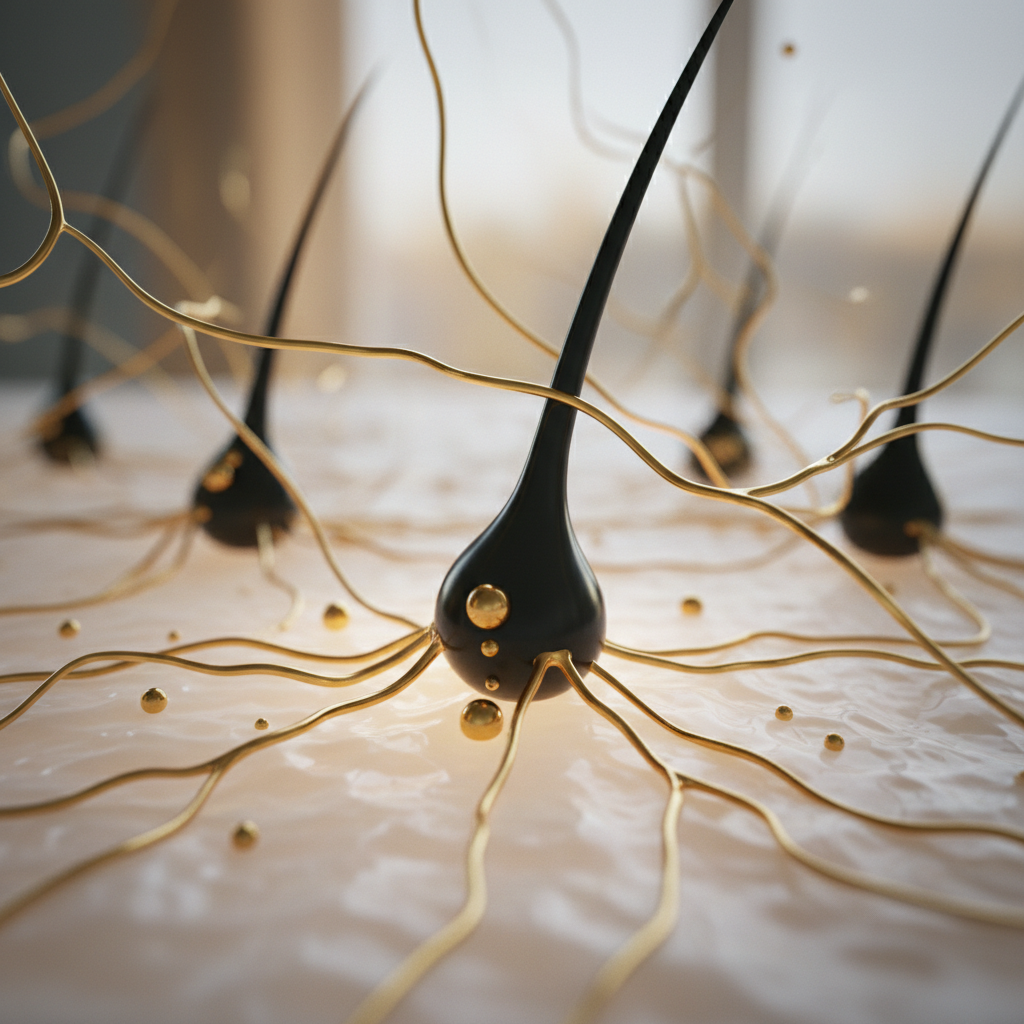
- Sebaceous activity: Sebaceous glands produce sebum composed of triglycerides, squalene, and wax esters. Under androgenic influence, sebum secretion rates rise, creating an abundant nutrient source for cutaneous microbes.
- Microbial lipolysis: Commensal Malassezia yeasts produce extracellular lipases that hydrolyse sebum triglycerides. The yeasts absorb the saturated fatty acids they require for survival, shedding surplus unsaturated fatty acids onto the scalp surface.
- Host immune response and barrier dysfunction: In individuals with baseline epidermal barrier fragility, these unsaturated fatty acids breach the stratum corneum. This triggers keratinocytes to release inflammatory cytokines (including interleukin-1 alpha, interleukin-8, and tumour necrosis factor alpha). The result is hyperproliferation of the epidermis, defective differentiation of keratinocytes, and parakeratosis, producing visible, greasy scales.
Healthy scalps complete an epidermal renewal cycle in approximately 28 days. In an active flare of seborrhoeic dermatitis, this transit time accelerates to roughly 7 to 14 days, causing immature skin cells to clump together as visible flakes before they can properly shed microscopically.
Clinical signs: what to look for
Identifying seborrhoeic dermatitis requires assessing both the scalp tissue and the characteristics of the shedding flakes. Common signs include:
- Erythema: Salmon-pink to intense red patches across the scalp, frequently hugging the frontal hairline, crown, and post-auricular regions behind the ears.
- Scale texture: Unlike dry scalp flakes, seborrhoeic dermatitis scales are characteristically greasy, waxy, yellowish, or dirty white. They often adhere tightly to the scalp surface and hair base.
- Pruritus and soreness: Mild to intense itching is common. Scalp skin may feel burning, tight, or tender to the touch, especially when sweat mixes with broken barrier tissue.
- Secondary spreading: Lesions frequently extend beyond the scalp margins to the eyebrows, glabella (between the brows), nasolabial folds, beard area, and upper chest.
Diagnostic differences: seborrhoeic dermatitis vs other scalp conditions
Because scaling and redness occur across several dermatological conditions, accurate differential identification prevents incorrect management.
| Feature | Seborrhoeic Dermatitis | Scalp Psoriasis | Atopic / Contact Dermatitis | Pityriasis Capitis (Dandruff) |
|---|---|---|---|---|
| Scale Appearance | Greasy, yellowish, waxy flakes | Thick, silvery-white, sharply demarcated plaques | Fine, dry, powdery scaling | Small, loose, white or grey flakes |
| Erythema | Diffuse, pink-to-red borders | Distinct, fiery red patches with clear edges | Diffuse redness, often with micro-vesicles | Absent or very minimal |
| Primary Location | Scalp, hairline, nasolabial folds, ears | Scalp, elbows, knees, sacrum, nails | Scalp, neck, flexural creases | Scalp only |
| Sebum Involvement | High (thrives in oily environments) | Independent of sebum levels | Low (characterised by xerosis/dryness) | Moderate to high |
| Auspitz Sign | Negative | Positive (pinpoint bleeding on scale removal) | Negative | Negative |
Evidence-based management strategies
Managing seborrhoeic dermatitis requires a two-phase framework: active clearance of flares followed by low-frequency proactive maintenance.
Medical and active ingredients
- Topical antifungals: Ketoconazole (1% to 2%), ciclopirox olamine (1%), and zinc pyrithione work by reducing Malassezia density. Studies confirm using these shampoos two to three times weekly during a flare significantly decreases scaling within two to four weeks.
- Keratolytics: Salicylic acid (2% to 3%) or coal tar preparations soften and unbind dense keratin plaques, allowing active antifungals to penetrate the skin surface effectively.
- Anti-inflammatory agents: For acute, highly pruritic flare-ups, short courses of low-to-mid potency topical corticosteroids (like hydrocortisone butyrate) or calcineurin inhibitors calm erythema. These should be limited in duration under medical guidance to avoid cutaneous atrophy.
Scalp hygiene practices
Washing frequency matters significantly. Those with seborrhoeic dermatitis often mistakenly reduce washing, believing their scalp is dry. Infrequent cleansing allows sebum and Malassezia by-products to accumulate, worsening inflammation. Dermatologists recommend washing every one to two days during active flares, leaving medicated washes on the scalp for 3 to 5 minutes before rinsing thoroughly.
Supporting the scalp environment with Watermans
When managing a sensitive, reactive scalp prone to flaking and shedding, cosmetic support plays an important complementary role alongside medical protocols. Watermans focuses on balancing scalp ecology and reinforcing hair fibre resilience.
Watermans Grow More Elixir is an intensive leave-in scalp treatment formulated without heavy oils that could feed lipophilic yeasts. Containing targeted botanical actives such as rosemary extract, lupin protein, niacinamide, and allantoin, it provides a soothing, lightweight environment that supports comfortable scalp hydration while reinforcing root vitality. Using non-greasy, scalp-friendly nourishment helps ensure that hair prone to shedding from scratching and surface irritation retains optimal cosmetic density, fullness, and strength.
When the cause may be something else
If scalp scaling fails to respond to standard anti-dandruff or antifungal routines, alternative diagnoses must be explored:
- Scalp psoriasis: Exhibits significantly thicker, micaceous scales and well-demarcated plaques that extend well beyond the hairline, occasionally displaying pinpoint bleeding when removed.
- Contact dermatitis: An allergic or irritant response to hair dyes (such as paraphenylenediamine, or PPD), preservatives, or fragrances, presenting with sudden-onset acute itching, swelling, or oozing.
- Tinea capitis: A true dermatophyte fungal infection seen more frequently in children, which invades the hair shaft, resulting in distinct patches of hair breakage, black dots, and enlarged lymph nodes.
When to seek professional advice
Consult a GP, dermatologist, or qualified trichologist if:
- Scales become thick, crusty, or leak fluid, which can signal a secondary bacterial infection (such as Staphylococcus aureus).
- Over-the-counter medicated shampoos fail to produce meaningful improvement after four weeks of consistent use.
- The condition causes marked diffuse hair shedding, patchy hair loss, or intense follicular pain.
- Severe redness spreads across the face, neck, or body, interfering with sleep and daily activities.
Frequently asked questions about Seborrhoeic Dermatitis Overview
Does seborrhoeic dermatitis cause permanent baldness?
No. As highlighted throughout this Seborrhoeic Dermatitis Overview, the condition does not destroy follicular stem cells or cause scarring alopecia. However, intense mechanical scratching can cause hair fibre breakage, and severe unmanaged scalp inflammation can prematurely push follicles into the telogen resting phase, resulting in temporary telogen effluvium. Once the underlying inflammation is resolved, normal hair growth cycles typically resume.
Can natural oils like coconut or olive oil help treat seborrhoeic dermatitis?
Applying natural plant oils is generally discouraged. Malassezia yeasts feed on specific fatty acid chains found in olive oil (oleic acid) and other plant lipids. Coating an inflamed scalp in these oils can inadvertently accelerate yeast proliferation and intensify inflammatory scaling. Lightweight, mineral-based, or non-comedogenic water-based soothing serums are far safer choices.
How often should you wash your hair if you have seborrhoeic dermatitis?
Most dermatologists recommend washing the scalp daily or every other day during an active flare. Regular washing physically removes excess sebum, scale crusts, and microbial metabolites. Leaving sebum on the scalp for extended periods provides excess fuel for yeast growth, worsening both flaking and pruritus.
Is seborrhoeic dermatitis contagious?
No, it is entirely non-contagious. You cannot catch it from another person or spread it through shared combs, towels, or hats. It develops due to an internal physiological reaction between common skin microflora that exist on every human scalp and an individual's specific immune and barrier profile.
Why does seborrhoeic dermatitis flare up during winter?
Winter weather brings lower humidity and indoor central heating, which dehydrates the skin's protective stratum corneum. A compromised skin barrier is far more vulnerable to irritating fatty acid by-products. Additionally, decreased exposure to natural ultraviolet light, which naturally suppresses yeast proliferation, can contribute to seasonal winter flare-ups.
Maintaining balance with this Seborrhoeic Dermatitis Overview
Understanding the fundamental biological mechanisms outlined in this Seborrhoeic Dermatitis Overview empowers you to take control of what can otherwise be a frustrating and persistent condition. By recognising that seborrhoeic dermatitis is a manageable physiological trait rather than a reflection of personal cleanliness, individuals can replace harsh, scrub-heavy routines with structured, evidence-based care. Combining targeted antifungal cleansing with scalp-barrier support ensures long-term comfort, minimises hair-shedding triggers, and keeps the scalp environment clear and balanced.
Sources and references
- British Association of Dermatologists. Seborrhoeic Dermatitis Guidelines and Patient Information. 2020.
- National Institute for Health and Care Excellence (NICE). Seborrhoeic Dermatitis: Clinical Knowledge Summaries. 2022.
- Dawson, T. L. Malassezia globosa and restricta: Breakthrough Understanding of the Etiology and Treatment of Dandruff and Seborrheic Dermatitis through Whole-Genome Analysis. Journal of Investigative Dermatology Symposium Proceedings, 2007.
- Borda, L. J., & Wikramanayake, T. C. Seborrheic Dermatitis and Dandruff: A Comprehensive Review. Journal of Clinical and Investigative Dermatology, 2015.
- Gupta, A. K., & Bluhm, R. Seborrheic Dermatitis. Journal of the European Academy of Dermatology and Venereology, 2004.
- American Academy of Dermatology. Seborrheic Dermatitis: Diagnosis and Treatment. 2023.
Find these ingredients in Watermans products
- Rosemary Extract: you will find this ingredient in our Hair Growth Shampoo.
- Zinc: you will find this ingredient in our Hair Vitamins.
- Oleic Acid: you will find this ingredient in our Camellia & Black Castor Hair & Body Oil.
- Niacinamide: you will find this ingredient in our Hair Mask.