Scalp Care for Hair Growth: An Evidence-Based Guide
9 min read ·
Effective Scalp Care for Hair Growth involves understanding the biological processes that support healthy hair and addressing conditions that can impede it.
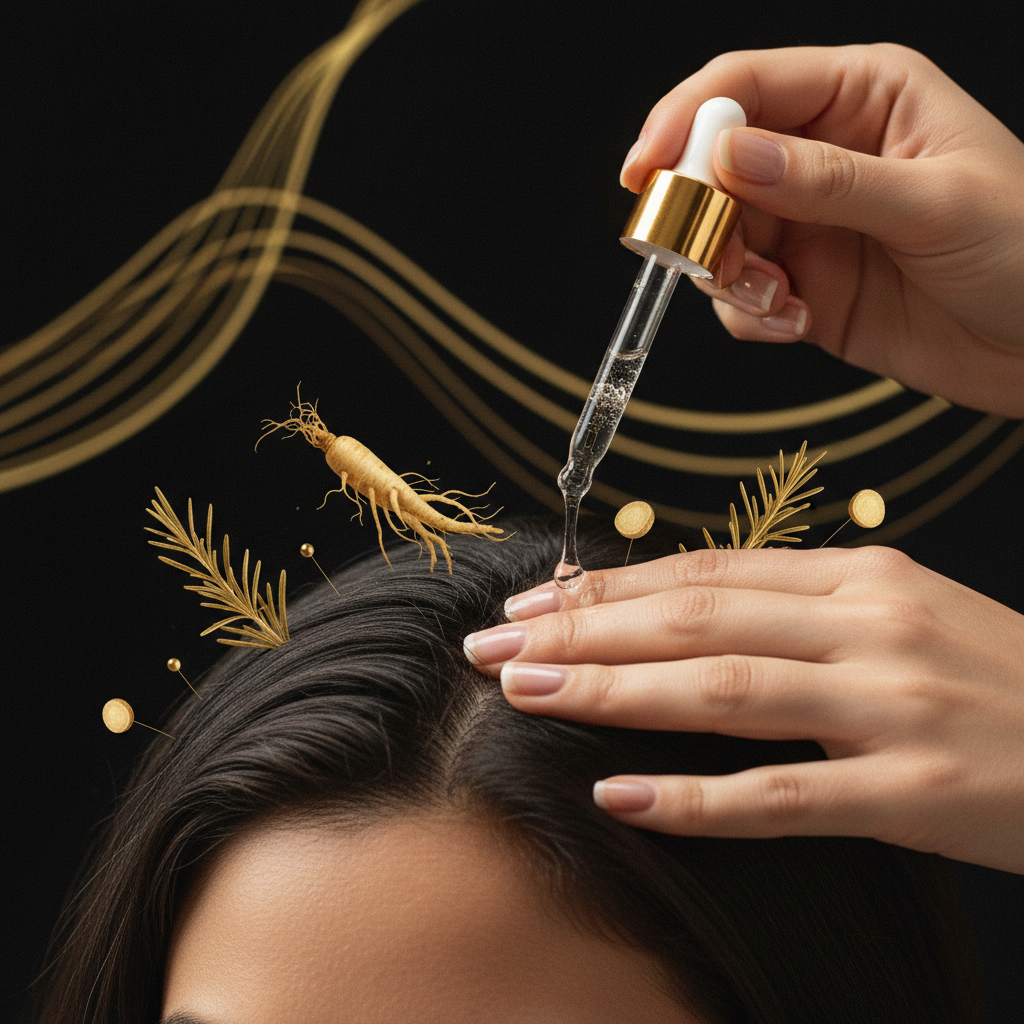
Quick answer: Scalp Care for Hair Growth is the practice of maintaining a healthy scalp environment to support optimal hair follicle function and encourage robust hair growth. It involves managing factors like cleansing, hydration, and addressing specific scalp conditions. However, scalp care alone cannot treat genetic hair loss conditions like androgenetic alopecia, which often require medical intervention.
Key takeaways
- A healthy scalp is fundamental for healthy hair growth, providing the necessary environment for follicles to thrive.
- Effective scalp care focuses on cleansing, hydration, and addressing specific conditions like dandruff or excess oil.
- Scalp massage can stimulate blood flow to follicles and distribute natural oils, potentially supporting hair health.
- While good scalp care supports existing hair, it cannot cure genetic hair loss or certain medical conditions.
- Look for ingredients that soothe inflammation, balance oil production, and support the scalp microbiome.
Scalp Care for Hair Growth: what the evidence shows
Scalp care is the foundation for healthy hair. Just as fertile soil is essential for a thriving plant, a well-maintained scalp environment is crucial for strong, vibrant hair. The scalp is a dynamic ecosystem, home to hair follicles, sebaceous glands that produce natural oils, and a complex microbiome of bacteria and fungi. When this environment is balanced, hair follicles can function optimally, leading to healthy hair growth and reduced shedding.
Ignoring scalp health can lead to various issues that impede hair growth. These include inflammation, excessive oiliness or dryness, and microbial imbalances. Such conditions can stress hair follicles, leading to weakened hair, increased shedding (telogen effluvium), and a diminished capacity for new hair fibre production. While good scalp care supports the hair growth cycle, it's important to distinguish it from treatments for follicular hair loss conditions, which have different underlying causes and require specific medical approaches.
The mechanism: how a healthy scalp supports hair growth
Hair growth occurs in cycles, each with distinct phases:
- Anagen (Growth Phase): This is the active growth period, lasting from two to seven years. During anagen, hair follicles rapidly produce new hair cells, pushing the hair shaft outwards. A healthy scalp helps to prolong this phase.
- Catagen (Transition Phase): A short transitional phase lasting about two to four weeks. During catagen, the hair follicle shrinks, and hair growth slows.
- Telogen (Resting Phase): This phase typically lasts around three months. Hair remains in the follicle but is not actively growing. At the end of telogen, the old hair sheds, making way for new anagen hair.
A healthy scalp supports the optimal functioning of these cycles, ensuring that follicles spend sufficient time in the anagen phase and transition smoothly through the other stages. Factors like good blood circulation deliver essential nutrients and oxygen to the follicles, which are crucial for active hair growth. A balanced microbiome on the scalp can also help to prevent irritation and inflammation that might disrupt these cycles.
What you can do: effective Scalp Care for Hair Growth practices
Effective Scalp Care for Hair Growth encompasses several practices aimed at maintaining balance and promoting a conducive environment for hair follicles.
Gentle cleansing and occasional exfoliation
Regular, gentle cleansing is vital to remove product buildup, excess sebum, dead skin cells, and environmental pollutants that can clog follicles and inhibit growth. Over-washing or using harsh shampoos can strip the scalp of its natural protective barrier, leading to irritation or compensatory oil production (see Oily Scalp Care: Understanding and Managing Excess Sebum). The frequency of washing depends on your scalp type and activity level.
Exfoliation, either mechanical (physical scrubs) or chemical (alpha-hydroxy acids or beta-hydroxy acids), can further aid in removing stubborn buildup and promoting cell turnover (see Scalp Exfoliation: Uncovering the Evidence for a Healthier Scalp). However, over-exfoliation can cause irritation, so frequency should be carefully managed, typically ranging from weekly to bi-weekly for most people, or less often for sensitive scalps.
Hydration and moisturisation
Just like other skin on your body, the scalp requires adequate hydration. A dry scalp can become itchy, flaky, and irritated, creating an unfavourable environment for hair growth. Moisturising ingredients, often found in leave-on treatments or conditioning products, help to maintain the scalp's moisture barrier and prevent dryness and flaking (see Hair Hydration: The Science Behind Keeping Hair Moist).
Nutrient delivery and scalp massage
Hair follicles are nourished by the blood supply within the scalp. A healthy, balanced diet rich in vitamins, minerals, and proteins is reflected in hair health. Topically, certain ingredients can help support blood flow to the scalp, delivering essential nutrients more effectively to the follicles. These include ingredients like caffeine and rosemary extract (see Rosemary Extract: Understanding Its Role in Haircare). Some studies suggest that regular scalp massage may improve blood circulation and reduce stress, both of which can positively influence hair health.
Addressing common scalp conditions
Various scalp conditions can negatively impact hair growth by causing inflammation or disrupting the follicle environment. These include:
- Dandruff: Characterised by flaky white scales, often accompanied by itching. It is commonly caused by an overgrowth of a yeast-like fungus called Malassezia globosa (see Dandruff: Causes and Treatments Explained).
- Seborrheic Dermatitis: A more severe form of dandruff, presenting with greasy, yellowish scales and inflammation.
- Psoriasis: An autoimmune condition causing red, scaly patches on the scalp.
- Folliculitis: Inflammation of the hair follicles, often due to bacterial or fungal infection.
Managing these conditions through targeted treatments is crucial for restoring scalp health and supporting hair growth. Ingredients like zinc pyrithione, salicylic acid, and ketoconazole are often used to address these issues. Anti-inflammatory ingredients can also soothe an irritated scalp (see Anti-inflammatory Ingredients: Soothing Your Scalp for Healthier Hair).
What the evidence does not show
While good Scalp Care for Hair Growth can optimise the environment for existing hair and help reduce hair shedding or breakage caused by scalp issues, it is important to clarify its limitations. Scalp care products or practices alone cannot cure genetic forms of hair loss, such as androgenetic alopecia (male or female pattern baldness). These conditions have strong genetic and hormonal components that require specific medical treatments, which might include prescription medications or other interventions. Additionally, scalp care cannot reverse hair loss caused by underlying medical conditions, nutritional deficiencies, or severe trauma to the follicles. In such cases, addressing the root cause is paramount.
Signs of an unhealthy scalp
Recognising the signs of an unhealthy scalp is the first step towards effective Scalp Care for Hair Growth. Look out for:
- Itching: Persistent itching can indicate dryness, irritation, or an underlying condition like dandruff or eczema.
- Redness or Inflammation: Suggests irritation, infection, or an inflammatory skin condition.
- Flaking: White or yellowish flakes are common signs of dandruff or a dry scalp.
- Excessive Oiliness: An overproduction of sebum can lead to clogged follicles and an environment conducive to certain microbial overgrowths (see Oily Scalp: Causes, Management, and When to Seek Help).
- Scalp Odour: Can be a sign of bacterial or fungal imbalance.
- Pain or Tenderness: May indicate inflammation, infection, or follicle stress.
- Increased Hair Shedding or Breakage: While not always solely scalp-related, an unhealthy scalp environment can contribute to both hair shedding and increased hair breakage.
When to get professional advice
If you experience persistent or severe scalp issues, such as intense itching, pain, significant hair loss, or symptoms that do not improve with regular care, it is advisable to seek professional medical advice. A dermatologist or trichologist can accurately diagnose underlying conditions, such as alopecia areata, fungal infections, or other dermatological problems, and recommend appropriate treatments. Early diagnosis and intervention can often prevent further complications and improve outcomes for your hair and scalp health.
Comparison of common scalp care ingredients
| Ingredient Category | Examples | Primary Benefit for Scalp Care | Potential Drawbacks |
|---|---|---|---|
| Cleansers | Sodium lauryl sulphate | Effectively removes dirt, oil, and product buildup | Can be harsh, potentially stripping natural oils, causing dryness or irritation |
| Exfoliants | Salicylic acid, Glycolic acid | Dissolves dead skin cells, unclogs follicles, reduces flaking | Overuse can cause irritation, redness, or increased sensitivity |
| Humectants | Glycerin, Hyaluronic acid | Attracts and retains moisture, hydrates the scalp | Can feel sticky in high humidity, may not be enough for very dry scalps |
| Emollients | Jojoba oil, Squalane | Forms a protective barrier, softens skin, reduces water loss | Can feel heavy or greasy, may clog pores for oily scalp types |
| Anti-fungals | Zinc pyrithione, Ketoconazole | Reduces fungal overgrowth (e.g., Malassezia), treats dandruff | Can sometimes cause dryness or irritation; resistance may develop over time |
| Soothing Agents | Allantoin, Bisabolol | Calms irritation, reduces redness, promotes healing | Generally well-tolerated, but individual sensitivities are possible |
Frequently asked questions about Scalp Care for Hair Growth
How often should I wash my hair for optimal Scalp Care for Hair Growth?
The ideal washing frequency depends on your hair type, scalp oiliness, and lifestyle. For most people, washing every two to three days is sufficient to remove buildup without stripping natural oils. If you have an oily scalp, you might wash daily. If your scalp is dry, you might wash less often. Pay attention to how your scalp feels rather than following rigid rules, ensuring effective Scalp Care for Hair Growth.
Can scalp massage really improve hair growth?
Some research suggests that regular scalp massage, especially when done with moderate pressure, can improve blood circulation to hair follicles. This increased blood flow delivers more nutrients and oxygen, which are vital for healthy hair growth. While it's not a cure for hair loss, incorporating scalp massage into your routine can be a beneficial part of overall scalp care to support healthier hair.
Are there specific ingredients I should look for in scalp care products?
Yes. For a dry, itchy scalp, look for hydrating ingredients like hyaluronic acid, glycerin, or soothing agents like allantoin. For oily or flaky scalps, ingredients like salicylic acid or zinc pyrithione can help. Caffeine and rosemary extract are often included for their potential to stimulate circulation. Always choose products suitable for your specific scalp concerns to support Scalp Care for Hair Growth.
What is the difference between hair loss and hair shedding?
Hair loss refers to conditions where the hair follicle stops producing hair, such as in alopecia. Hair shedding, on the other hand, is part of the natural hair growth cycle where old hairs are released from the follicle to make way for new ones, typically around 50 to 100 hairs per day. While an unhealthy scalp can contribute to excessive shedding, it generally does not directly cause follicular hair loss conditions.
Can diet affect my scalp health and hair growth?
Absolutely. A balanced diet rich in vitamins, minerals (like zinc and iron), and proteins is crucial for healthy hair growth and overall scalp health. Deficiencies in certain nutrients can lead to hair thinning, increased shedding, or dry, unhealthy scalp conditions. Eating a varied diet ensures your hair follicles receive the building blocks they need to thrive, complementing your Scalp Care for Hair Growth efforts.
Conclusion
Prioritising Scalp Care for Hair Growth is not merely an aesthetic choice, but a fundamental aspect of maintaining healthy hair. By understanding the scalp's intricate biology and adopting a consistent care routine that includes gentle cleansing, appropriate hydration, and addressing specific conditions, you can cultivate a nourishing environment. This approach supports optimal hair follicle function, encouraging hair to grow stronger, reduce shedding, and remain vibrant throughout its natural cycle.
Sources and references
- American Academy of Dermatology Association, "Hair Loss: Diagnosis and Treatment", Year: Current (Accessed 2023), URL:
https://www.aad.org/public/diseases/hair-loss - British Association of Dermatologists, "Dandruff and Seborrhoeic Dermatitis", Year: 2022, URL:
https://www.bad.org.uk/for-the-public/patient-information-leaflets/dandruff-and-seborrhoeic-dermatitis/ - National Institutes of Health (NIH), National Institute of Arthritis and Musculoskeletal and Skin Diseases (NIAMS), "Hair Loss", Year: 2023, URL:
https://www.niams.nih.gov/health-topics/hair-loss - PubMed Central, "The effect of caffeine on hair follicle biology and disease: A systematic review", Year: 2020, DOI:
10.3390/jcm9113646 - PubMed Central, "Topical application of rosemary oil as a hair growth promoter for the treatment of androgenetic alopecia", Year: 2015, DOI:
10.5403/JAC.2015.05052 - Journal of Dermatology, "Effect of scalp massage on hair thickness in androgenetic alopecia", Year: 2019, DOI:
10.1111/1346-8138.14934
Find these ingredients in Watermans products
- Caffeine: you will find this ingredient in our Hair Growth Shampoo.
- Zinc: you will find this ingredient in our Hair Vitamins.