Dandruff: Causes and Treatments Explained
10 min read ·
Understanding Dandruff: Causes and Treatments is crucial for managing this common scalp condition, which often involves flaking and itching due to various factors.
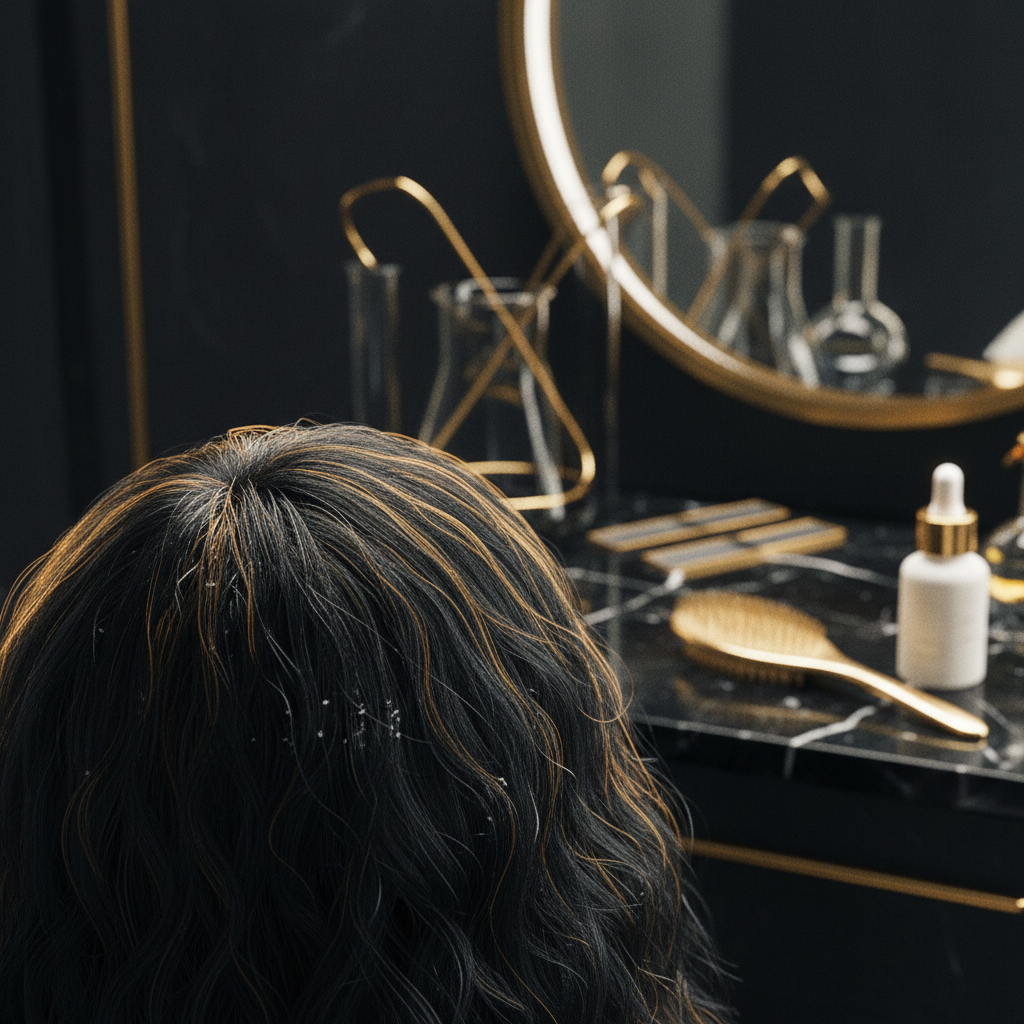
Quick answer: Dandruff: Causes and Treatments focuses on understanding why your scalp flakes and itches, and the effective ways to manage it. This common, non-contagious condition, often called pityriasis capitis, arises from an accelerated skin cell renewal process on the scalp, leading to visible flakes. While several factors contribute, an overgrowth of a common yeast, Malassezia globosa, is frequently involved. Effective treatments typically target this yeast, reduce inflammation, or help shed dead skin cells, but they don't cure underlying conditions like seborrhoeic dermatitis.
Key takeaways
- Dandruff, or pityriasis capitis, is a common scalp condition characterised by flaking and sometimes itching, not poor hygiene.
- The primary cause is often an overgrowth of the yeast Malassezia globosa on the scalp, which feeds on natural oils (sebum).
- Seborrhoeic dermatitis is a more severe form of dandruff, involving inflammation, redness, and greasier scales.
- Over-the-counter (OTC) shampoos with active ingredients like zinc pyrithione, selenium sulphide, or ketoconazole are usually effective treatments.
- When OTC treatments fail, worsen, or severe symptoms appear, professional medical advice from a dermatologist is recommended.
Dandruff: Causes and Treatments: what the evidence shows
Dandruff, clinically known as pityriasis capitis, is a very common, non-contagious scalp condition where skin cells on the scalp shed at an accelerated rate. This results in visible white or greyish flakes and can often be accompanied by itching. It's important to note that dandruff is distinct from hair breakage (the hair fibre snapping) or hair shedding (hair leaving the follicle, as discussed in Anagen Effluvium), and while it affects the scalp, it does not directly cause hair loss in the sense of follicles ceasing to produce hair.
The underlying mechanism often involves an inflammatory response to a common yeast called Malassezia globosa. This yeast lives naturally on the scalps of most adults. For some individuals, particularly those with oilier scalps, an overgrowth of Malassezia can irritate the scalp. This irritation triggers the skin cells to mature and shed much faster than usual, leading to the characteristic flakes. Factors such as hormonal changes, stress, and certain neurological conditions can influence sebum production and the skin's immune response, potentially exacerbating the condition.
The signs and symptoms to look for
The primary indicators that you might be experiencing dandruff include:
- Visible Flakes: These are the most obvious sign, appearing as white or yellowish scales of dead skin. They can be found on your scalp, in your hair, and may even fall onto your shoulders, eyebrows, or beard.
- Itching: An itchy scalp is a very common complaint with dandruff, often made worse by the irritation caused by Malassezia or the body's inflammatory response.
- Scalp Irritation: In some cases, particularly with more severe forms like seborrhoeic dermatitis, the scalp may appear red or mildly inflamed.
- Oiliness or Dryness: Depending on the underlying cause, your scalp might feel either unusually oily (providing more food for Malassezia) or, in contrast, excessively dry, leading to small, fine flakes that can be confused with dandruff.
What the evidence does not show about dandruff
There is no scientific evidence to suggest that poor hygiene causes dandruff. While infrequent washing can make flakes more noticeable as they accumulate, it does not trigger the underlying biological processes. Similarly, dandruff is not directly contagious; you cannot catch it from someone else. It is also important to differentiate between dandruff and true hair loss conditions like alopecia, as dandruff does not cause permanent hair follicle damage or hair loss.
Dandruff: When the cause may be something else
While Malassezia overgrowth is a common culprit, other conditions can mimic dandruff or contribute to similar symptoms. It's important to recognise these distinctions:
- Dry Skin: A dry scalp can produce small, fine, white flakes. Unlike dandruff, a dry scalp usually lacks the oily, yellowish appearance and inflammation associated with Malassezia overgrowth. It often feels tight and itchy, especially after washing, and is relieved by moisturising.
- Seborrhoeic Dermatitis: This is considered a more severe and inflammatory form of dandruff. It affects areas rich in sebaceous (oil-producing) glands, including the scalp, face (especially around the nose and eyebrows), and chest. It presents with red, greasy skin covered with flaky white or yellow scales. The exact cause is unknown, but Malassezia plays a significant role, alongside genetic and environmental factors.
- Contact Dermatitis: This condition occurs when your scalp reacts to an irritant or allergen in hair care products. Ingredients like fragrances, dyes, certain preservatives, or harsh detergents (such as some sulphates, as explored in Sulfate-Free Shampoo Benefits) can trigger redness, itching, inflammation, and flaking. The symptoms typically improve once the offending product is removed.
- Psoriasis: This chronic autoimmune condition can affect the scalp, causing thick, silvery scales, often with well-defined red patches. The scales are typically thicker and more adherent than typical dandruff flakes. Scalp Psoriasis can be very itchy and sometimes painful.
- Eczema (Atopic Dermatitis): Eczema on the scalp often presents as intensely itchy, inflamed patches that can be dry, red, and sometimes weep fluid before crusting over. It can lead to flaking, but the inflammation and severe itching are usually more pronounced than with typical dandruff.
If you suspect your symptoms are due to one of these other conditions, or if your dandruff symptoms are severe or persistent, professional medical advice is crucial.
What you can do: Dandruff treatments and management
Effective management of dandruff typically involves specialised shampoos and good scalp care practices. The aim is to control the Malassezia population, reduce inflammation, and help shed dead skin cells without causing further irritation. For a deeper understanding of scalp health, refer to Understanding Scalp Health.
Over-the-Counter (OTC) anti-dandruff shampoos
Most cases of dandruff respond well to OTC anti-dandruff shampoos. These products contain active ingredients designed to address different aspects of the condition:
| Active Ingredient | Primary Mechanism of Action | Main Benefit | How to Use (General) |
|---|---|---|---|
| Zinc Pyrithione | Antifungal (inhibits Malassezia growth), antibacterial | Reduces Malassezia population and associated inflammation. Good for mild to moderate dandruff. | Lather into scalp, leave 2 to 5 minutes, rinse. Use 2 to 3 times per week, or as directed. |
| Selenium Sulphide | Antifungal, cytostatic (slows skin cell turnover) | More potent against Malassezia, reduces cell proliferation. Effective for moderate to severe dandruff and seborrhoeic dermatitis. | Lather into scalp, leave 2 to 5 minutes, rinse thoroughly. Use 2 times per week initially, then weekly. |
| Ketoconazole | Broad-spectrum antifungal (disrupts fungal cell membranes) | Highly effective against Malassezia and other fungi. Useful for persistent dandruff and seborrhoeic dermatitis. | Lather into scalp, leave 3 to 5 minutes, rinse. Use 2 times per week for 2 to 4 weeks, then weekly to prevent recurrence. |
| Salicylic Acid | Keratolytic (helps shed dead skin cells), exfoliates | Helps to loosen and remove scales and flakes, improving product penetration. | Use as directed. Often combined with other active ingredients. Avoid if scalp is very irritated. |
| Coal Tar | Cytostatic (slows skin cell turnover), anti-inflammatory | Reduces skin cell growth and inflammation. Helpful for conditions with thick, persistent scaling like psoriasis or severe seborrhoeic dermatitis. | Apply to wet scalp, massage in, leave 5 to 10 minutes, rinse. Use 2 to 3 times per week. Can discolour light hair. |
Instructions for Use: For optimal results, these shampoos should be massaged well into the scalp and left on for a period (usually 2 to 5 minutes, or as per product instructions) to allow the active ingredients to work before rinsing thoroughly. Consistency is key; initially, daily or every other day use may be recommended, gradually reducing to 2 to 3 times per week, or as needed, once symptoms improve. It's often beneficial to alternate between an anti-dandruff shampoo and a regular gentle shampoo, especially for long-term management.
When to get professional advice
If you've been consistently using OTC anti-dandruff shampoos for several weeks and your symptoms haven't improved, or if they worsen, spread, or your scalp becomes excessively red, swollen, painful, or develops open sores, it's time to consult a doctor or dermatologist. They can provide an accurate diagnosis, rule out other skin conditions, and prescribe stronger treatments such as prescription-strength antifungal shampoos, topical corticosteroids, or oral medications if necessary.
Frequently asked questions about Dandruff: Causes and Treatments
Can stress cause dandruff?
Stress doesn't directly cause dandruff, but it can certainly worsen its symptoms. High stress levels can impact your immune system and hormone balance, potentially leading to increased sebum production and a more pronounced inflammatory response to Malassezia globosa. Managing stress through lifestyle adjustments can therefore be a helpful part of your overall Dandruff: Causes and Treatments strategy.
Is dandruff related to dry scalp?
While both conditions involve flaking, they are distinct. A dry scalp occurs when your scalp lacks sufficient moisture, leading to small, fine flakes and a tight, itchy feeling. Dandruff, however, is typically caused by an overgrowth of yeast on an oily scalp, resulting in larger, often yellowish flakes and inflammation. If you have a dry scalp, focus on moisturising treatments, such as those found in The Science of Conditioners. See also the entry on Sebum Regulation: Understanding and Managing Scalp Oiliness.
How often should I wash my hair if I have dandruff?
Regular washing is important for managing dandruff, as it helps remove flakes and excess oil that feeds Malassezia. Initially, you might need to use an anti-dandruff shampoo daily or every other day. Once symptoms improve, you can often reduce this to 2 to 3 times a week, alternating with a gentle, regular shampoo. Listen to your scalp and adjust frequency based on its needs.
Can changing my diet help with dandruff?
While there's no strong scientific evidence that specific diets directly cause or cure dandruff, a balanced diet rich in vitamins (especially B vitamins and zinc) and omega-3 fatty acids can support overall skin and scalp health. Some individuals report improvement by reducing sugar intake, as sugar can promote yeast growth, but more controlled research is needed in this area.
Do natural remedies work for dandruff?
Some natural remedies, like tea tree oil, have shown some antifungal properties in studies, suggesting they might help control Malassezia. Other remedies, such as apple cider vinegar, are sometimes used to balance pH or exfoliate, though evidence is often anecdotal. While generally safe, they are not as consistently effective as medically formulated anti-dandruff shampoos and should be used with caution, especially if you have a sensitive scalp. It's important to remember that such claims are cosmetic and not medical.
Conclusion
Effective Dandruff: Causes and Treatments hinge on understanding that it's a common scalp condition primarily driven by an overgrowth of Malassezia globosa yeast and the scalp's inflammatory response. While distinct from dry scalp or other skin conditions, many cases respond well to consistent use of over-the-counter shampoos containing active ingredients like zinc pyrithione or selenium sulphide. For persistent or severe symptoms, consulting a dermatologist is the best course of action to ensure accurate diagnosis and appropriate treatment. Maintaining good scalp care practices and monitoring your scalp's response are key to long-term management.
Watermans Solutions for a Healthy Scalp
While Watermans products are not specifically formulated as anti-dandruff treatments containing medicated active ingredients, they are designed to support a healthy scalp environment, which can complement the management of dandruff. Our shampoos, for instance, are often formulated with gentle cleansing agents and nourishing ingredients that help maintain the scalp's natural balance without stripping essential moisture or causing irritation. For example, our shampoos are sulphate-free, which can be beneficial for sensitive scalps, as harsh sulphates can sometimes contribute to irritation for some individuals. A healthy, balanced scalp can be more resilient and less prone to conditions like dryness or excessive oiliness that might exacerbate dandruff symptoms.
Sources and references
- American Academy of Dermatology Association, "Dandruff: Why it happens and how to treat it".
- British Association of Dermatologists, "Seborrhoeic Dermatitis".
- National Institute of Arthritis and Musculoskeletal and Skin Diseases (NIAMS), National Institutes of Health, "Seborrheic Dermatitis".
- PubMed, National Library of Medicine. Reviews and studies on active ingredients such as zinc pyrithione, selenium sulphide, and ketoconazole in dandruff treatment. For example, a 2018 review on Malassezia yeasts and dandruff pathogenesis.
- Journal of Clinical and Aesthetic Dermatology. Studies on the efficacy of various anti-dandruff agents. (e.g., a 2013 review on the pathogenesis and treatment of dandruff).
Find these ingredients in Watermans products
- Zinc: you will find this ingredient in our Hair Vitamins.