The Scalp Barrier: Understanding Its Structure, Function, and Care
10 min read ·
The Scalp Barrier is the skin's outermost protective layer, vital for defending against irritants and retaining moisture.
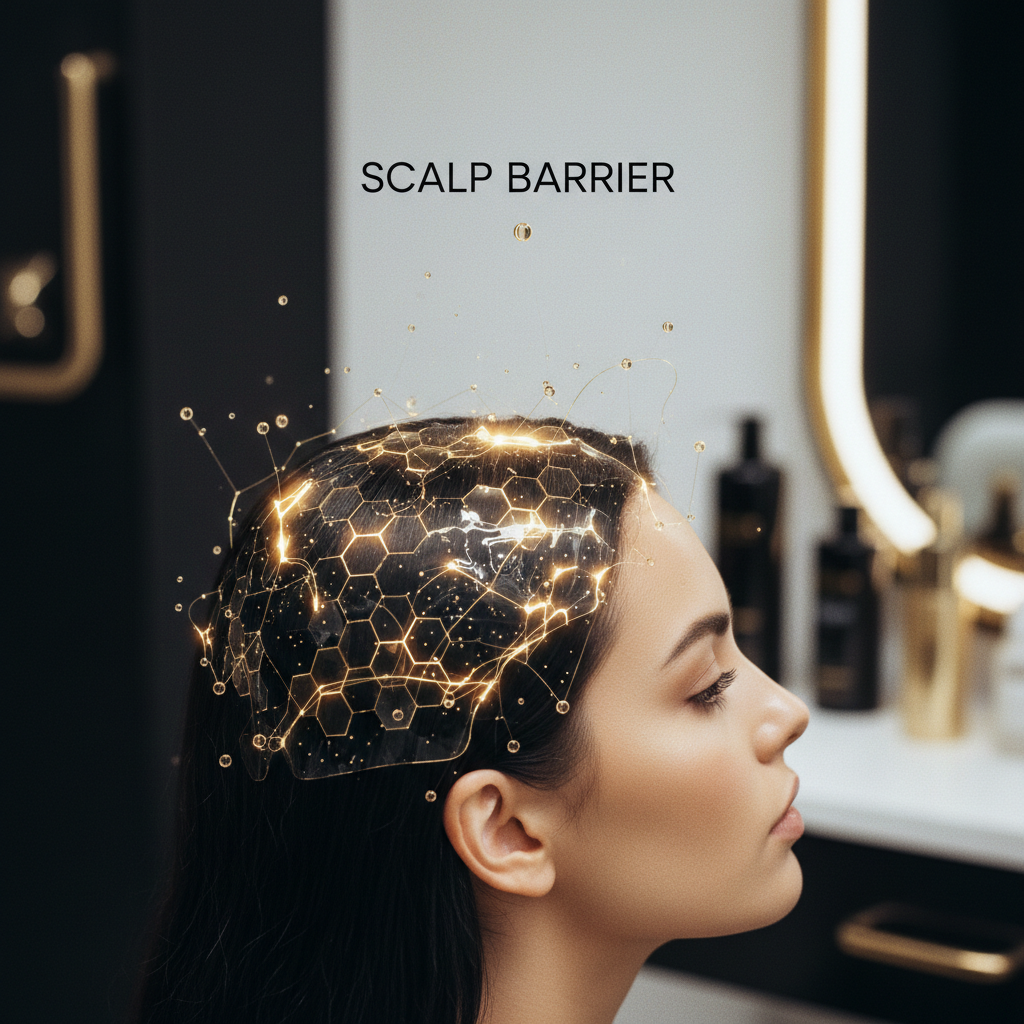
Quick answer: The Scalp Barrier is the outermost protective layer of the skin on your head, forming a crucial defence against environmental irritants, microbial invasion, and excessive moisture loss. It's composed of skin cells (corneocytes) embedded in a lipid matrix, working together to maintain hydration and protect the delicate hair follicles. A compromised Scalp Barrier can lead to dryness, irritation, sensitivity, and potentially exacerbate conditions like dandruff, but it does not directly cause or treat alopecia or hair shedding. Its primary role is protective and regulatory for overall scalp health.
Key Takeaways
- The Scalp Barrier is your skin's first line of defence on the head, preventing moisture loss and protecting against external aggressors.
- It's a complex structure of skin cells and lipids (fats) that maintains the scalp's pH and hydration.
- Signs of a compromised Scalp Barrier include dryness, itching, flaking, redness, and sensitivity.
- Maintaining the Scalp Barrier involves gentle cleansing, appropriate moisturising, and protecting the scalp from harsh environmental factors.
- If scalp issues persist or are severe, professional medical advice from a dermatologist is recommended to rule out underlying conditions.
- Understanding the Scalp Barrier is key to achieving and maintaining overall scalp health, which supports healthy-looking hair.
The Scalp Barrier: What the Evidence Shows
The Scalp Barrier is an essential component of overall scalp health, functioning identically to the skin barrier found elsewhere on the body. It consists primarily of the stratum corneum, the outermost layer of the epidermis. This layer is often described as a "brick and mortar" structure, where flattened, dead skin cells (corneocytes) are the "bricks", and a lipid-rich matrix (composed of ceramides, cholesterol, and fatty acids) acts as the "mortar".
This intricate structure provides several vital functions:
- Protection: It acts as a physical shield, defending the scalp from environmental stressors such as UV radiation, pollution, allergens, and harmful microorganisms (bacteria, fungi).
- Moisture Regulation: It prevents transepidermal water loss (TEWL), ensuring the scalp retains adequate hydration. This is crucial for skin elasticity and overall comfort.
- pH Balance: The healthy scalp maintains an acidic pH, typically ranging from 4.5 to 5.5. This "acid mantle" is crucial for supporting the skin's natural flora and inhibiting the growth of pathogenic bacteria and fungi. A balanced pH helps the enzymes involved in desquamation (natural shedding of dead skin cells) function correctly.
- Defence Against Irritants: The barrier limits the penetration of potential irritants and toxins, reducing the likelihood of inflammation and sensitivity.
Evidence from dermatological research consistently highlights the importance of an intact skin barrier for preventing and managing various skin conditions. When the Scalp Barrier is healthy, the scalp feels comfortable, looks healthy, and is less prone to issues. For instance, studies on skin barrier function frequently correlate a compromised barrier with increased susceptibility to conditions like atopic dermatitis and contact dermatitis, which can manifest on the scalp.
What a Compromised Scalp Barrier Looks Like
When the Scalp Barrier is damaged or disrupted, its protective and regulatory functions are impaired. This can lead to a range of noticeable signs and symptoms. It's important to recognise these to address the issue effectively.
Common signs of a compromised Scalp Barrier include:
- Dryness and Flakiness: Increased transepidermal water loss (TEWL) leads to a dry scalp, often accompanied by small, white flakes. This is distinct from dandruff, which typically involves larger, oilier flakes caused by a yeast overgrowth.
- Itching and Irritation: The scalp may feel persistently itchy, sometimes intensely so. This is due to nerve endings being more exposed and susceptible to irritation as the barrier weakens.
- Redness and Sensitivity: Areas of the scalp might appear red or inflamed, and it may become more reactive to hair products, temperature changes, or even light touch.
- Tightness: A sensation of tightness can indicate dehydration and reduced skin elasticity.
- Increased Product Sensitivity: Products that were previously tolerated might start causing stinging, burning, or itching sensations.
- Dull-looking hair: While not a direct scalp symptom, a chronically unhealthy scalp environment can affect the appearance of hair growing from it, making it look less vibrant or appear less resilient.
Mechanisms of Scalp Barrier Disruption
Several factors can contribute to the weakening or disruption of the Scalp Barrier. Understanding these mechanisms can help in identifying potential causes and adopting preventative measures.
| Mechanism | Description | Impact on Scalp Barrier |
|---|---|---|
| Harsh Cleansing | Over-washing, using shampoos with strong detergents (e.g., certain sulfates), or very hot water can strip away the natural lipids and moisture from the scalp. | Reduces lipid content, increases TEWL, disrupts pH balance, making the scalp more vulnerable. |
| Environmental Stressors | Exposure to extreme temperatures (very hot or very cold), low humidity, UV radiation from the sun, and air pollution can physically and chemically damage the skin cells and lipid matrix. | Oxidative stress, breakdown of lipids, increased inflammation, barrier dysfunction. |
| Chemical Treatments | Hair dyes, perms, relaxers, and other chemical processes can introduce harsh chemicals that irritate the scalp and compromise its protective layers. | Direct damage to skin cells and lipids, increased permeability, potential for allergic reactions. |
| Mechanical Stress | Vigorous scrubbing during washing, aggressive brushing, tight hairstyles, or scratching can cause micro-abrasions and physical damage to the scalp surface. | Physical disruption of the stratum corneum, creating entry points for irritants and microbes. |
| Improper Product Use | Using products not suited for your scalp type, leaving products on for too long, or using those with common irritants (fragrances, certain preservatives) can lead to contact dermatitis or sensitisation. | Allergic or irritant reactions, inflammation, leading to barrier breakdown. |
| Internal Factors | Genetic predispositions, certain systemic conditions (e.g., eczema, psoriasis), nutritional deficiencies, stress, and hormonal fluctuations can all influence skin barrier function. | Compromised lipid synthesis, altered skin cell turnover, systemic inflammation affecting skin health. |
What You Can Do to Support Your Scalp Barrier
Supporting a healthy Scalp Barrier involves a holistic approach that combines gentle care, protection, and appropriate product choices. The goal is to minimise disruption and encourage its natural healing and maintenance processes.
Gentle Cleansing and Conditioning
Opt for shampoos that are designed to be mild and hydrating. Sulfate-free shampoos can be a good choice for sensitive scalps, as they tend to be less stripping of natural oils. When washing, use lukewarm water and massage your scalp gently with your fingertips rather than scrubbing aggressively. Rinse thoroughly to ensure no product residue is left behind, which could irritate the scalp. Follow with a conditioner, focusing on the hair strands but also ensuring the product is suitable for contact with the scalp, especially if you have a sensitive one. Learn more about optimal hair cleansing and conditioning in our articles on 'Choosing the Right Shampoo for Your Hair Type' and 'The Science of Conditioners'.
Moisturising Your Scalp
Just as you moisturise the skin on your face and body, your scalp can benefit from hydration. Look for leave-on scalp treatments, serums, or light oils that contain humectants (like hyaluronic acid or glycerine) or emollients (like jojoba oil or ceramides). These ingredients help to attract and retain moisture within the scalp and replenish essential lipids, thereby reinforcing the Scalp Barrier. Our article on 'Humectants: Understanding How They Hydrate and Protect Your Hair' provides more detail on these ingredients.
Protecting Your Scalp from External Aggressors
Minimising exposure to harsh environmental factors is crucial. When outdoors, particularly in strong sun, consider wearing a hat to protect your scalp from UV radiation. In cold, dry weather, protective headwear can also shield the scalp from moisture-depleting air. If you use heat styling tools, ensure you use them sparingly and with heat protectant products, as excessive heat can impact both hair and scalp health. Refer to 'Heat Styling Safety Best Practices' for more guidance.
Choosing Scalp-Friendly Products
Scrutinise product labels for ingredients that may be irritating or stripping. Fragrances, certain alcohols, and strong preservatives can be common culprits for sensitive scalps. For those with afro, curly or wavy hair, Frojus products are specifically formulated to be gentle and moisturising, supporting the natural moisture balance of the scalp and hair. Always patch-test new products on a small area of skin before applying them all over your scalp, especially if you have known sensitivities. For insights into ingredient choices, our articles on 'The pH Scale and Hair' and 'Sulfate-Free Shampoo Benefits' offer further reading.
Addressing Underlying Conditions
Sometimes, a compromised Scalp Barrier is a symptom of an underlying dermatological condition such as eczema, psoriasis, seborrheic dermatitis (dandruff), or fungal infections. If self-care measures don't improve your scalp health, or if symptoms are severe (intense itching, persistent redness, open sores, significant hair shedding), it's essential to seek professional medical advice. A dermatologist can accurately diagnose the condition and recommend targeted treatments.
Frequently Asked Questions About Scalp Barrier
What is the most important function of the Scalp Barrier?
The most important function of the Scalp Barrier is its dual role as a protective shield and a moisture regulator. It actively defends the scalp against environmental damage, allergens, and microbial threats, while simultaneously preventing excessive water loss from the skin. This balance is crucial for maintaining the scalp's integrity, comfort, and overall health, which in turn provides a healthy foundation for hair growth.
Can a damaged Scalp Barrier cause hair loss?
A damaged Scalp Barrier itself does not directly cause hair loss (alopecia). However, a chronically irritated, inflamed, or unhealthy scalp environment can negatively impact the hair follicles. This might lead to increased hair shedding (telogen effluvium) or create conditions less favourable for optimal hair growth, potentially affecting hair density and quality over time. Addressing scalp health is crucial for supporting a healthy hair growth cycle.
How long does it take to repair a damaged Scalp Barrier?
The time it takes to repair a damaged Scalp Barrier varies depending on the extent of the damage, the underlying cause, and the consistency of your care routine. Minor irritation might improve within a few days with gentle care, while more significant disruption could take several weeks or even months of consistent effort. Patience and persistence with a supportive scalp care regimen are key to allowing the barrier to regenerate and strengthen.
Are there specific ingredients to look for to support the Scalp Barrier?
Yes, certain ingredients are known to support the Scalp Barrier. Look for humectants like glycerine, hyaluronic acid, and panthenol to attract and hold moisture. Emollients and lipids such as ceramides, cholesterol, fatty acids, and natural oils (e.g., jojoba, argan, squalane) can help replenish the barrier's lipid matrix. Anti-inflammatory ingredients like niacinamide or colloidal oatmeal can also soothe irritation and support barrier recovery.
Is the Scalp Barrier different from the skin barrier on my face?
Structurally and functionally, the Scalp Barrier is very similar to the skin barrier on your face and other parts of your body. Both are composed of the stratum corneum, with the same "brick and mortar" arrangement of corneocytes and lipids. However, the scalp is often richer in sebaceous glands, producing more sebum, and is covered by hair, which creates a unique microenvironment. These differences can influence specific care needs, but the fundamental barrier principles remain consistent.
Supporting Your Scalp Barrier with Watermans
Watermans Haircare products are formulated with ingredients that help support overall scalp health. The Grow Me Hair Growth Shampoo, for example, is designed to cleanse gently while containing ingredients that create a healthy environment for the hair and scalp. Regular use, as part of a consistent hair care routine, helps maintain the scalp's natural balance and supports the integrity of the Scalp Barrier. Pairing it with the Masque Me Hair Mask can provide additional moisturising benefits to both hair and scalp, contributing to a feeling of hydration and improved condition. These products are developed to be part of a regimen that respects the delicate balance of the scalp, helping it feel healthy and less prone to irritation, thereby supporting fuller-looking hair.
Sources and References
- American Academy of Dermatology Association, "Skin barrier: What it is and how to keep it healthy".
- National Eczema Association, "Understanding Your Skin Barrier".
- PubMed Central, "The Stratum Corneum: An Overview of the Structure and Function of the Outer Barrier of the Epidermis", 2019.
- Dermatology Times, "Optimizing Skin Barrier Function for Better Skin Health", 2021.
- British Association of Dermatologists, "Healthy Skin Guide".
- Journal of Cosmetic Dermatology, "Scalp skin biology and factors that influence it", 2017.
- International Journal of Molecular Sciences, "Stratum Corneum Lipids: Key to Skin Barrier Function", 2018.