Proper Hair Detangling Techniques: The Complete Guide to Knot Removal Without Breakage
9 min read ·
Master Proper Hair Detangling Techniques to eliminate knots, protect the hair cuticle, and stop mechanical breakage using evidence-based grooming methods.
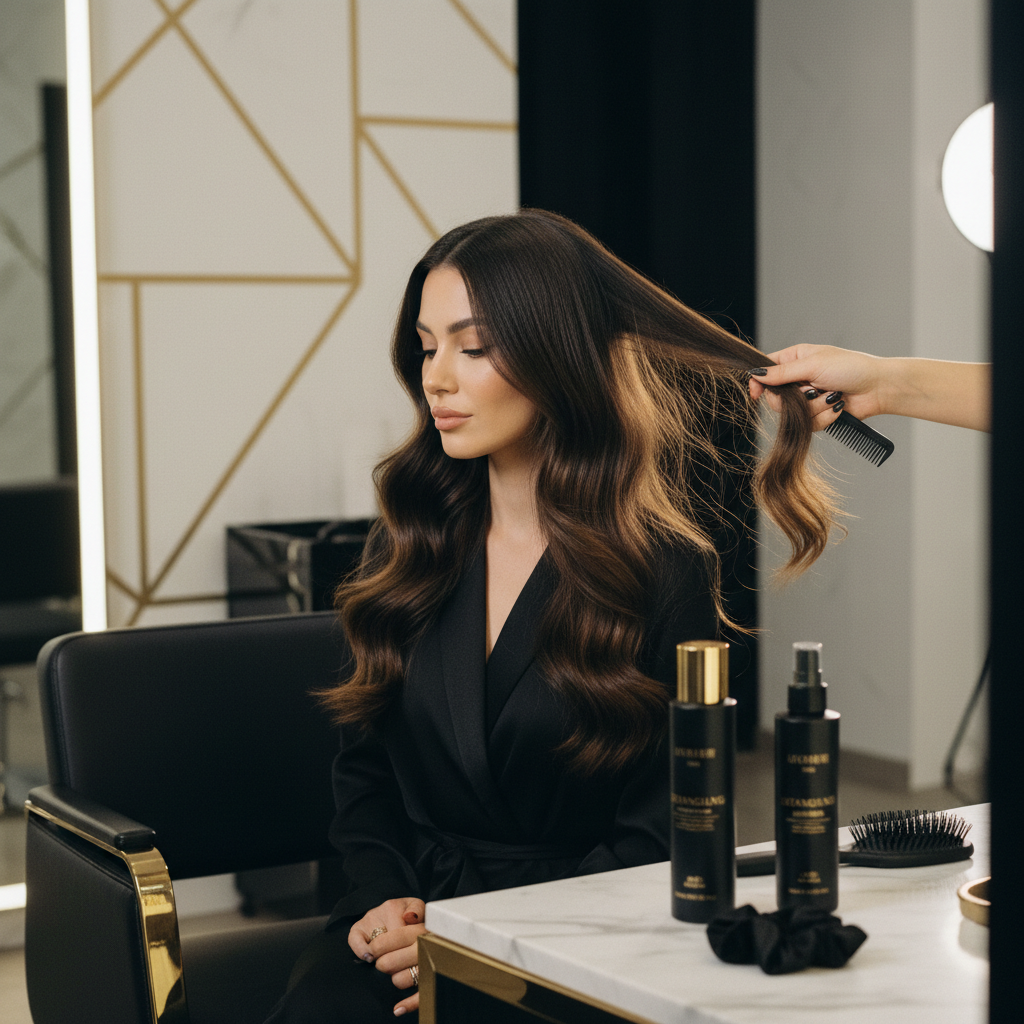
Quick answer: Adopting Proper Hair Detangling Techniques is essential for removing knots without fracturing the hair shaft or causing mechanical breakage. The correct method relies on working in small sections from the ends upward toward the roots, applying sufficient lubricating slip through conditioners or oils, and selecting appropriate wide-tooth combs or flexible-bristle brushes. However, detangling cannot repair existing split ends or structural cortex damage, meaning severely weathered fibres still require regular trims to prevent recurring knots.
Key takeaways
- Mechanical tension is the primary cause of comb-induced breakage, especially when force exceeds the elastic limit of the hair fibre.
- Wet hair has higher elasticity but lower tensile strength, meaning straight and wavy hair is often safer to detangle when damp or dry with slip, whereas afro and tight curl patterns require wet detangling with heavy conditioner.
- Always work from tips to roots in small, manageable sections to prevent small snags from compacting into tight, immovable knots.
- The right tools matter: wide-tooth combs, silicone-coated teeth, and flexible bristles dramatically lower friction across the cuticle scale edges.
- Detangling removes shed telogen hairs (50 to 100 strands daily). This is natural shedding, not hair loss caused by your brush.
Proper Hair Detangling Techniques: what the evidence shows
Scientific evaluation of Proper Hair Detangling Techniques reveals that hair breakage during grooming is almost entirely driven by friction and unyielding mechanical force. The outermost layer of human hair consists of overlapping cuticle cells resembling roof tiles. When individual fibres rub together, dry edges interlock, creating friction points. Forcing a comb through these interlocked fibres lifts the cuticle scales, exposing the delicate inner cortex to fracturing.
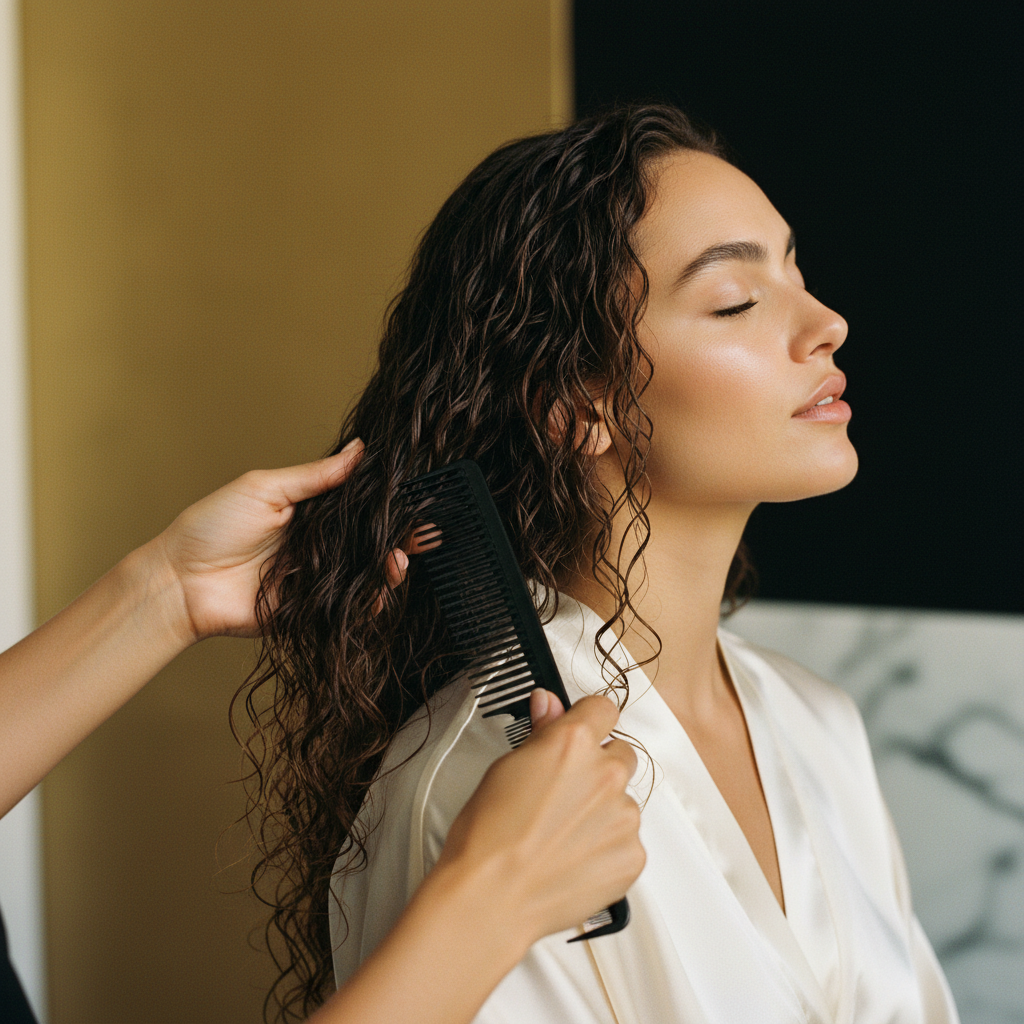
Cosmetic tribology (the study of friction and lubrication on hair) demonstrates that chemical conditioning agents, such as cationic surfactants and silicones, deposit a thin hydrophobic film over the cuticle. This film reduces the combing force required by up to 50 to 80 percent. Applying Proper Hair Detangling Techniques alongside these lubricating agents allows knots to unravel under low tension rather than snapping under sudden loads.
Research also shows a clear distinction between how different hair textures tolerate grooming forces:
- Type 1 and Type 2 (Straight and Wavy): Water weakens the hydrogen bonds inside the cortex, swelling the hair diameter by roughly 14 to 16 percent. This leaves wet strands vulnerable to excessive stretching and snapping. For these hair types, detangling when dry or slightly damp using a leave-in spray minimises fibre elongation.
- Type 3 and Type 4 (Curly and Coily): Due to elliptical fibre shapes and frequent twists along the shaft, dry curly hair possesses high natural friction. Detangling dry curls causes intense friction and cuticle stripping. Afro-textured and curly hair requires detangling while saturated with water and a high-slip conditioner, which neutralises friction between adjacent loops.
What the evidence does not show
Grooming research does not support the popular myth that brushing your hair 100 strokes a day stimulates circulation or improves hair growth. Controlled trials have shown that higher combing frequency directly correlates with increased breakage, cuticle chipping, and split ends. Detangling should be performed only as often as necessary to keep fibres separate and styled.
Furthermore, proper technique does not alter your natural hair density or stop androgenetic alopecia. While gentle handling prevents mechanical breakage, it has no biological influence over the follicular growth cycles governed by hormones, genetics, or systemic health.
The mechanics of knotting and fibre breakage
Hair knots form when individual shafts twist around one another and tighten. This process accelerates when cuticles are damaged by heat styling, chemical bleaches, or environmental weathering, because lifted cuticles catch on neighbouring strands like Velcro.
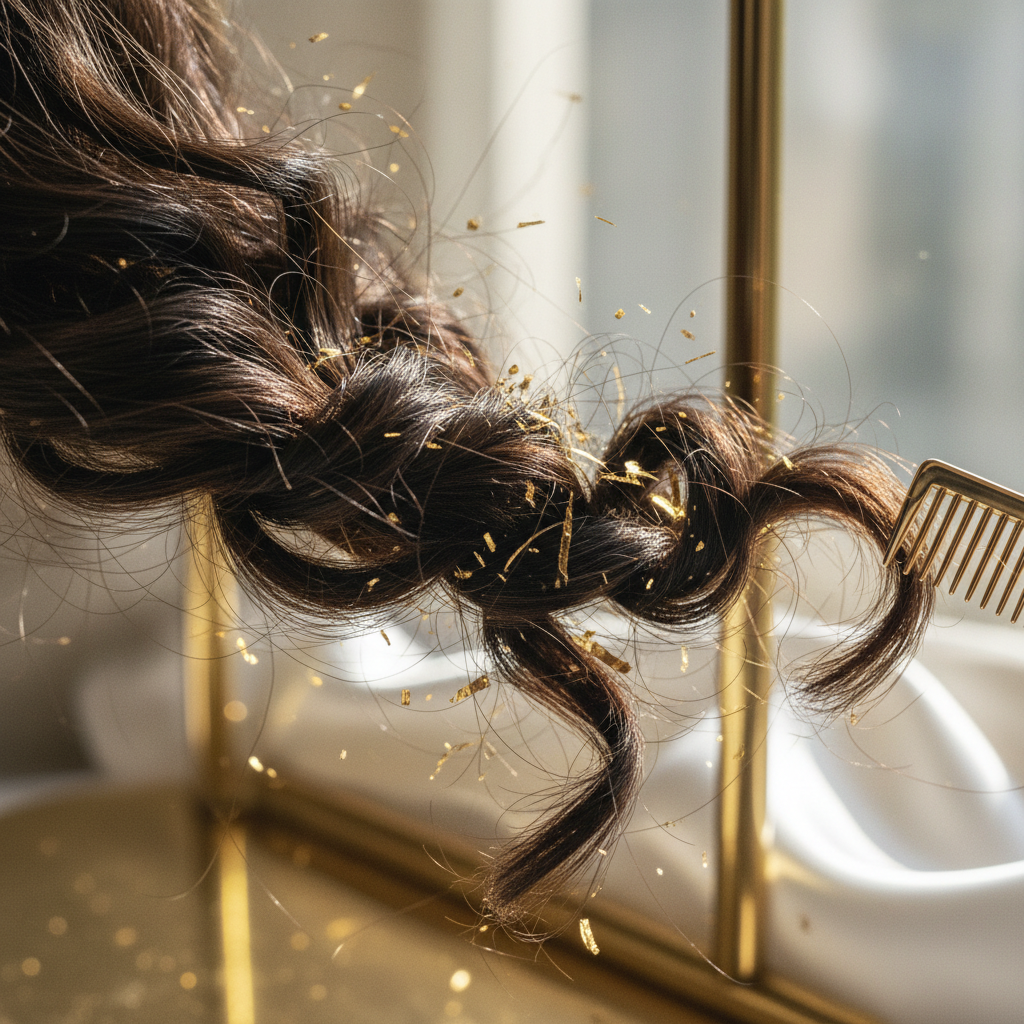
When you pull a comb straight down from root to tip, you push multiple loose snags downward until they compress into a dense, solid knot near the ends. If you pull harder, the force exceeds the yield point of the hair shaft.
Human hair can stretch roughly 20 to 30 percent of its dry length before breaking, but when wet, it can stretch beyond 30 to 50 percent under sustained force. Once stretched beyond its elastic limit, the internal alpha-keratin chains deform permanently, leaving the hair strand limp, warped, and prone to snapping under minimal stress.
Step-by-step detangling protocol
To preserve structural integrity and prevent snapping, follow this step-by-step approach:
- Pre-treat dry or fragile hair: If your hair is heavily tangled or prone to snapping, apply a light plant oil (such as jojoba or argan) or a pre-wash detangling treatment to dry strands 10 minutes before washing. This coats the cuticle and softens friction points.
- Saturate and lubricate: If detangling wet hair, apply a generous amount of rinse-out conditioner or detangling spray. Look for ingredients that offer high slip, such as behentrimonium chloride, cetearyl alcohol, or amodimethicone.
- Section the hair: Divide the scalp into four to eight distinct quadrants using non-snag sectioning clips. Working with smaller amounts of hair reduces the lateral pressure applied to surrounding strands.
- Start at the ends: Hold the section firmly with one hand above where you are combing to absorb the mechanical tension and prevent tugging on the hair follicle. Place the comb 2 to 3 inches from the bottom and gently tease the ends free.
- Move progressively upward: Once the bottom few inches are clear, move the comb 2 inches higher and comb downward through the cleared section. Repeat this gradual progression until you can run the comb smoothly from the scalp down to the ends without catching.
- Use your fingers first: For severe knots, abandon your comb. Use your fingertips coated in conditioner or oil to isolate the knot and gently tease the looping strands sideways and apart.
| Factor | Wet Detangling | Damp or Dry Detangling |
|---|---|---|
| Best suited for | Type 3 and Type 4 (Curly, Coily, Afro) | Type 1 and Type 2 (Straight, Fine, Wavy) |
| Fibre elasticity | High (can stretch up to 50% before failure) | Normal (returns to original length after stretch) |
| Tensile strength | Lower (hydrogen bonds are broken by water) | Higher (internal hydrogen matrix remains intact) |
| Required product | Rich rinse-out conditioner with high slip | Light leave-in spray, serum, or dry hair oil |
| Primary risk | Over-stretching, structural cortex deformity | Cuticle chipping from dry surface friction |
| Ideal tool | Wide-tooth comb, flexible shower brush | Wide paddle brush with ball-free nylon bristles |
Signs of poor detangling habits
If your current grooming routine is causing damage, your hair will display specific physical signs:
- Short, uneven broken hairs: Finding short strands on your shoulders or bathroom floor that lack a white bulb at the root indicates mechanical breakage, not follicular shedding.
- White dots near hair ends: Small white dots along the shaft (known as trichorrhexis nodosa) mark spots where the cuticle has been stripped, causing the cortex fibres to fray outward like a frayed rope.
- Audible snapping: Hearing a popping sound while brushing indicates that the comb is applying force faster than the fibre's viscoelastic response can dissipate, snapping the hair.
- Scalp tenderness: Soreness after detangling means you are transferring comb tension directly to the hair follicle rather than isolating the section with your fingers.
When tangling points to something else
If hair tangles instantly despite careful technique, the primary cause may be chemical or environmental weathering. Bleaching, perming, and frequent heat styling lift and strip the protective 18-methyl eicosanoic acid (18-MEA) lipid layer that naturally coats healthy hair. Without this lipid layer, hair becomes hydrophilic, absorbs water unevenly, and snarls instantly.
Mineral buildup from hard water (calcium and magnesium carbonate) can also leave a crusty residue on the hair shaft that creates immense surface friction. Using a clarifying or chelating shampoo once a month removes these mineral films, restoring slip.
Finally, split ends act as small anchors that snag surrounding hairs. No detangling technique can resolve split ends. Once trichoptilosis (split ends) occurs, the only effective solution is trimming away the damaged tips before they split further up the shaft.
Professional advice and salon care
Consult a professional stylist or trichologist if your hair matted into solid clumps that resist home detangling. Attempting to force matted knots often leads to massive traction and hair loss. Professional salons carry specialised de-matting formulations and tools designed to preserve as much length as possible.
If you notice rapid, diffuse shedding across your scalp rather than short broken pieces, schedule an appointment with a GP or dermatologist to evaluate for nutritional deficiencies, thyroid imbalances, or telogen effluvium.
Supporting hair resilience with Watermans
Proper mechanical handling works best when paired with products that support overall fibre resilience and a balanced scalp environment. Watermans GrowMe Shampoo and ConditionMe Conditioner are designed to improve hair manageability and strength. The ConditionMe formulation supplies targeted slip and conditioning agents that smooth the outer cuticle scales, helping your detangling comb glide through damp hair with substantially reduced mechanical friction. Consistent use helps protect vulnerable strands from daily styling wear.
Frequently asked questions about Proper Hair Detangling Techniques
Should I detangle my hair when it is wet or dry?
It depends entirely on your hair texture. For straight or fine hair, detangling when dry or slightly damp with a leave-in conditioner is safest, because wet strands stretch and snap easily. For tight curls and afro textures, always detangle while wet and saturated with a rich, slippery conditioner to prevent friction damage.
How do Proper Hair Detangling Techniques prevent hair breakage?
Proper Hair Detangling Techniques prevent hair breakage by working from the ends upward in small sections and using lubricating conditioners. This approach stops knots from compacting, reduces combing force by up to 80 percent, and prevents the hair fibre from stretching past its elastic breaking point.
Which tools are best for gentle detangling?
The best tools are wide-tooth seamless combs, flexible-bristle detangling brushes without round plastic ball tips, and your own fingers. Avoid fine-tooth combs, stiff bristle brushes, or combs with rough plastic seams, which catch and shred the cuticle layer.
Is it normal to see hair come out during detangling?
Yes, it is entirely normal to see shed hairs during detangling. The average human sheds 50 to 100 telogen hairs each day. Because wavy, curly, and styled hair traps these loose fibres, detangling releases them all at once. Look for the white bulb at the root to confirm natural shedding rather than breakage.
The foundation of healthy hair grooming
Mastering Proper Hair Detangling Techniques is one of the most effective ways to preserve hair length, maintain cuticle integrity, and prevent premature fibre breakage. By choosing the right tools, working patiently from ends to roots, and respecting how water alters your hair's internal elasticity, you protect the hair shaft from unnecessary stress. Pair these gentle mechanical habits with regular trims and nourishing conditioners to ensure your hair stays soft, smooth, and resilient.
Sources and references
- British Association of Dermatologists. Hair Breakage and Grooming Practices.
- Robbins, C. R. Chemical and Physical Behavior of Human Hair. Springer-Verlag, 2012.
- Dawber, R. Hair and Scalp Disorders: Common Presenting Signs, Differential Diagnosis and Management. Informa Healthcare, 2005.
- Evans, A. O., & Wickett, R. R. Combing Analysis: Mechanics and Application to Hair Care Products. Journal of Cosmetic Science, 2008.
- Draelos, Z. D. Hair Cosmetics: An Overview. International Journal of Trichology, 2010.