Managing Oily Scalp and Sebum Production: Biological Causes and Evidence-Based Solutions
8 min read ·
Learn the science of managing oily scalp and sebum production. Understand sebum mechanisms, bust washing myths, and discover evidence-based routines for balanced hair.
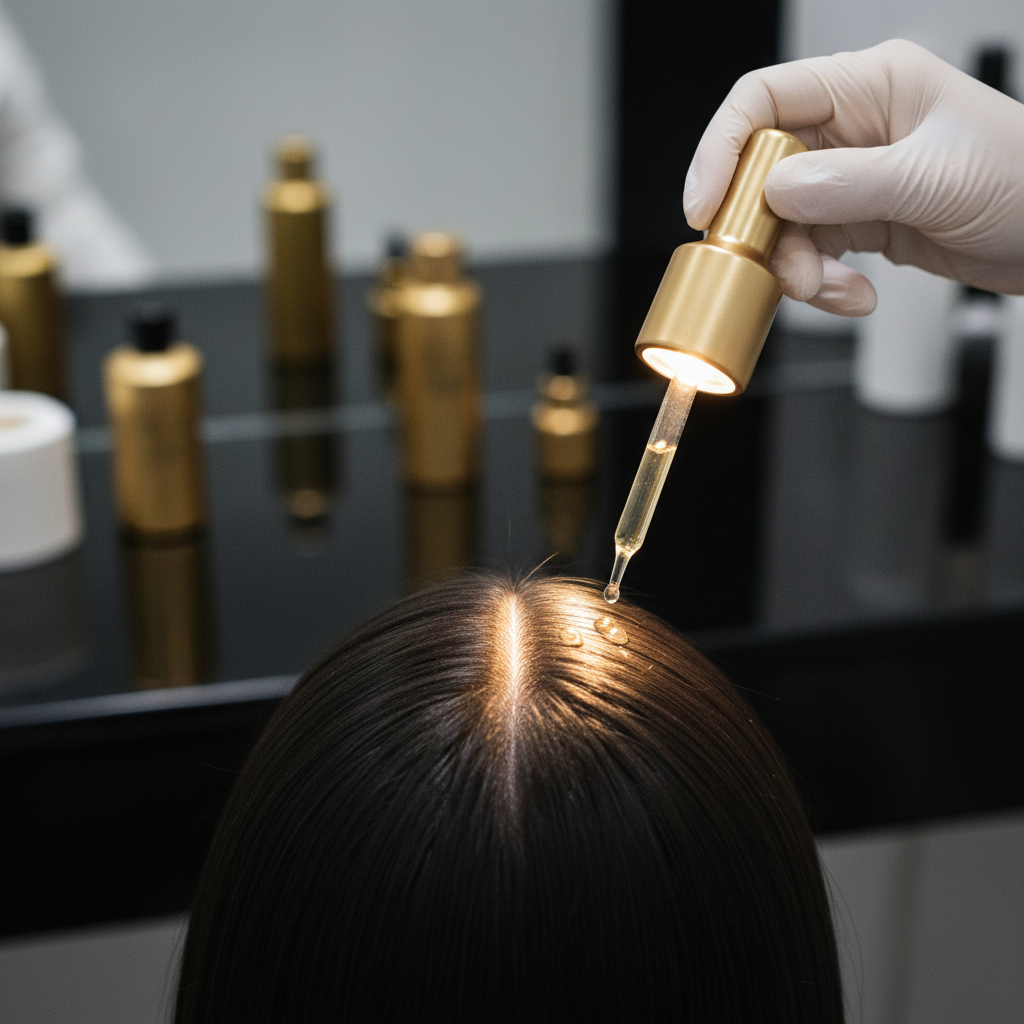
Quick answer: Successfully managing oily scalp and sebum production requires balancing follicle hygiene without triggering barrier irritation. Sebum is an essential lipid mixture produced by your sebaceous glands to protect your skin, but hormonal fluctuations, genetics, and improper cleansing routines can cause it to pool. While topical routines can remove excess oil, dissolve follicular plugs, and calm secondary inflammation, they cannot permanently alter your genetic or androgen-driven baseline sebum output without systemic medical intervention.
Key takeaways
- Sebum consists of triglycerides, wax esters, squalene, and free fatty acids designed to maintain skin hydration and scalp pH (normally 4.5 to 5.5).
- Androgens, specifically dihydrotestosterone (DHT), are the primary hormonal drivers of sebaceous gland size and activity.
- The popular belief that washing oily hair daily causes "rebound" oil production is not supported by clinical dermatology; sebum production rates remain constant, but harsh surfactants can damage the scalp barrier.
- Malassezia yeast feeds on excess sebum lipids, which can trigger inflammatory conditions such as seborrhoeic dermatitis.
- Topical ingredients such as salicylic acid, niacinamide, and zinc PCA help clarify lipids and calm redness without destroying the protective stratum corneum.
Managing oily scalp and sebum production: what the evidence shows
When approaching the topic of managing oily scalp and sebum production, scientific consensus focuses on the sebaceous gland as an androgen-responsive organ. Research published in the Journal of Investigative Dermatology and Dermato-Endocrinology shows that sebaceous glands are distributed across the entire skin surface, with the highest concentrations located on the scalp and face (often exceeding 400 to 900 glands per square centimetre).
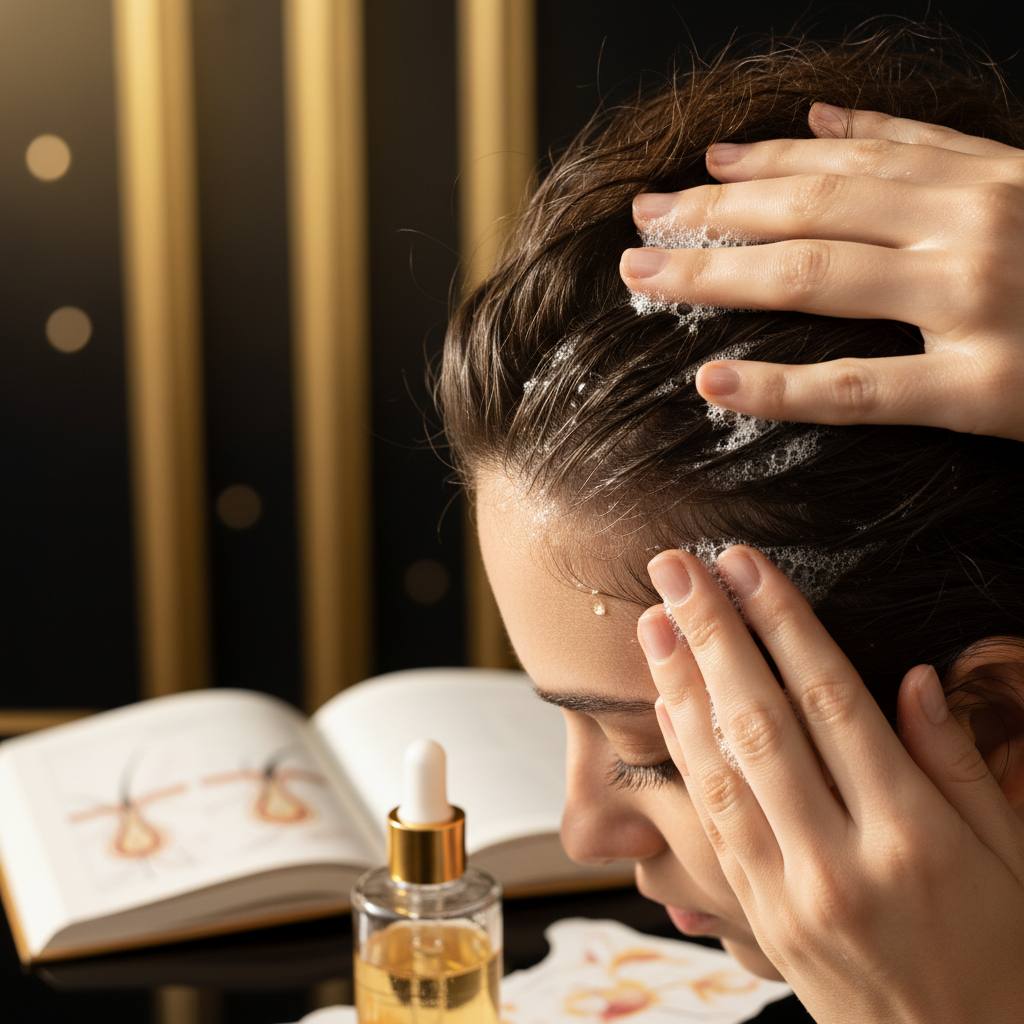
Sebum output is primarily regulated by circulating androgens. Enzymes such as 5-alpha reductase convert testosterone into dihydrotestosterone (DHT) directly within the sebaceous gland cells (sebocytes). Once activated, these cells synthesise lipids, mature, and undergo holocrine secretion. This means the entire cell ruptures to release its contents into the follicular duct.
Clinical studies show that topical cosmetics cannot "switch off" sebaceous glands. However, targeted cleansing agents, keratolytic compounds, and sebum-regulating ingredients can effectively lift accumulated lipid pools, remove cellular debris, and prevent the follicular clogging that makes hair appear limp, greasy, and prone to flaking within hours of washing.
How sebum forms: the biological mechanism
Understanding how oil develops helps you make better decisions about scalp care. Sebaceous glands are connected directly to hair follicles, forming the pilosebaceous unit.
Sebocytes generate a complex mixture of lipids:
- Triglycerides and free fatty acids: roughly 57%
- Wax esters: roughly 26%
- Squalene: roughly 12%
- Cholesterol and cholesterol esters: roughly 4.5%
This specific lipid profile is unique to humans. It serves to lubricate the hair shaft, waterproof the skin, and deliver fat-soluble antioxidants such as vitamin E to the surface.
Under normal circumstances, sebum slowly exits the follicular canal and spreads across the scalp, assisted by mechanical hair movement. When androgen levels spike, or when individual receptors possess high sensitivity to DHT, sebocytes proliferate rapidly. Sebum flows out faster than it can naturally disperse, coating the roots, weighing down fine hair strands, and creating an anaerobic breeding ground for microbes.
Androgens (Testosterone / DHT)
 │
 ▼
Sebocyte Proliferation in Follicle
 │
 ▼
Holocrine Secretion (Lipids Released)
 │
 ▼
Lipid Accumulation at Scalp Surface ──► Malassezia Hydrolysis ──► Scalp Irritation
What the evidence does not show: common myths
A widespread myth claims that washing your hair frequently causes your scalp to "overcompensate" by producing double the oil. Clinical trials testing sebum output after varying washing intervals show that sebaceous glands do not possess a sensory feedback mechanism on the skin surface. They do not "know" if surface oil has been stripped; their activity is governed internally by hormones, circadian rhythms, and capillary blood supply.

What people mistake for "rebound oiliness" is often barrier impairment. Stripping the scalp with aggressive, high-pH soaps (pH 8.0 and above) disrupts the lipid bilayer of the stratum corneum, accelerates transepidermal water loss, and causes immediate surface irritation. When the skin barrier is inflamed, the normal spread of surface lipids feels far more uncomfortable, leading to redness and itching.
Another misconception is that dietary oil directly translates into scalp oil. While severe nutritional imbalances and diets high in refined carbohydrates can alter systemic insulin and IGF-1 levels (which can modestly influence sebum production), consuming healthy dietary fats does not directly pour fat onto your hair roots.
The difference between an oily scalp, product build-up, and seborrhoeic dermatitis
An oily scalp is simply a physiological skin type. However, it often overlaps with other scalp conditions that require different management strategies.
| Feature | Physiological Oily Scalp | Product Build-up | Seborrhoeic Dermatitis |
|---|---|---|---|
| Primary Cause | High sebaceous gland density and androgen sensitivity | Insoluble silicones, heavy oils, styling polymers | Malassezia yeast overgrowth and inflammatory immune response |
| Appearance | Glossy, flat roots, hair clusters into strings | Dull, powdery or sticky coating on hair shafts | Yellowish, greasy flakes adhered to red, inflamed patches |
| Scalp Sensation | Generally comfortable; hair looks limp by end of day | Heavy, rough hair texture; occasional mild itch | Moderate to severe itching, burning, soreness |
| Response to Clarifying | Oil returns within 24 to 48 hours as glands secrete | Fully resolves once polymers are dissolved | Requires antimicrobial or keratolytic active ingredients |
Practical steps for managing an oily scalp
A structured topical routine can significantly improve the cosmetic appearance and physiological comfort of hair prone to high sebum levels.
1. Match wash frequency to sebum excretion
If your scalp produces visible oil within 24 hours, wash daily or every other day using a surfactant-balanced shampoo formulated around a pH of 5.5. Allowing sebum to sit on the scalp provides a steady food source for Malassezia globosa and Malassezia restricta, the commensal yeasts linked to dandruff and inflammatory shedding.
2. Introduce chemical exfoliants
Mechanical scrubs can scratch the delicate scalp tissue and cause patchy irritation. Instead, look for shampoos or pre-wash treatments containing salicylic acid (0.5% to 2.0%). Because salicylic acid is lipophilic (oil-soluble), it penetrates past surface sebum directly into the follicular pore to dissolve accumulated lipids and loosen dead keratinocytes.
3. Incorporate zinc and botanical regulators
Zinc PCA and niacinamide are supported by dermatological research for their ability to soothe the scalp surface and support a clean follicular environment. Zinc helps inhibit bacterial proliferation and reduces excess surface slickness, while niacinamide strengthens the epidermal barrier.
4. Apply conditioner to mid-lengths and ends only
Conditioning agents (such as cetrimonium chloride, behentrimonium methosulfate, and fatty alcohols) are designed to smooth the hair cuticle. When applied to the scalp, they deposit a conditioning film directly over the follicles, accelerating root flatness and trapping natural sebum beneath a cosmetic layer.
5. Be strategic with dry shampoo
Starch-based dry shampoos absorb free surface oil through capillary action, which can improve hair volume between washes. However, relying on dry shampoos for consecutive days leaves starches, fragrances, and sebum trapped against the follicle opening. This mixture can lead to follicular inflammation (folliculitis). Always wash your scalp thoroughly within 24 to 48 hours of using dry styling powders.
Supporting scalp balance with Watermans
When addressing visible oil and sluggish roots, selecting the right wash routine makes a measurable difference. Watermans Grow Me Shampoo is formulated with a balanced blend of cleansing agents and functional scalp ingredients, including biotin, rosemary extract, niacinamide, and allantoin.
Rather than relying on heavy conditioning waxes that coat the roots, it cleanses without stripping the scalp's natural moisture mantle. For those with oily scalps, pairing this shampoo with Watermans Condition Me applied strictly to the hair ends ensures that dry lengths stay hydrated while roots remain light, bouncy, and clear of heavy residue.
When to seek medical advice
In some cases, an oily scalp signals an underlying endocrine shift or a dermatological issue that over-the-counter cosmetics cannot resolve:
- Sudden onset with hair loss: If severe oiliness appears alongside sudden diffuse hair shedding or thinning along your temples and crown, consult a doctor or trichologist to evaluate androgen levels, thyroid markers, or female pattern hair loss.
- Persistent scaling and burning: If your scalp displays thick, adherent yellow plaques, bleeding when scratched, or intense soreness, you may have moderate to severe seborrhoeic dermatitis or scalp psoriasis. These conditions require prescription antifungal lotions (such as ketoconazole 2%) or topical corticosteroids.
- Signs of folliculitis: Painful, red pustules surrounding individual hair follicles point to a bacterial or fungal infection that requires targeted medical therapy.
Frequently asked questions about managing oily scalp and sebum production
Does drinking more water reduce scalp oil production?
No. While adequate hydration is essential for overall cellular function and skin elasticity, systemic hydration does not alter sebaceous gland activity. Sebaceous production is governed by androgens and genetics, not fluid intake.
Can cold water rinses close my pores to stop oil?
Pores and follicular openings do not have circular muscles; they cannot open or close in response to water temperature. Cold water will not reduce sebum output. Warm water (around 37 to 39 degrees Celsius) is far more effective at emulsifying and dissolving thick, waxy sebum than cold water.
What is the most effective approach to managing oily scalp and sebum production?
The most reliable routine involves frequent washing with a mildly acidic, surfactant-balanced shampoo, incorporating lipophilic exfoliants like salicylic acid to clear the follicles, and keeping conditioning products strictly on the hair lengths.
Will training my hair to wash it less reduce sebum over time?
No. The concept of "scalp training" has no biological basis. Leaving sebum on your scalp does not signal the sebaceous glands to slow down. Instead, the trapped lipids oxidise, create an odour, and feed inflammatory micro-organisms.
Balancing comfort and hair health
Successfully managing oily scalp and sebum production comes down to consistent, evidence-based hygiene rather than aggressive fixes. Sebum is not an enemy to be permanently eradicated; it is a vital protective shield that simply requires steady management when produced in abundance. By selecting the right clarifying actives, keeping heavy conditioners away from the roots, and washing as often as your personal biology demands, you can maintain a comfortable, healthy scalp environment and voluminous hair.
Sources and references
- British Association of Dermatologists. Seborrhoeic Dermatitis Patient Information Leaflet. 2020.
- Zouboulis, C. C. "The human skin as an endocrine organ." Dermato-Endocrinology, 2009.
- Picardo, M., et al. "Sebaceous gland lipids." Dermato-Endocrinology, 2009.
- National Institute for Health and Care Excellence (NICE). Dandruff and seborrhoeic dermatitis - management. 2023.
- Draelos, Z. D. "A review of hair shampoo and conditioner formulations." Clinics in Dermatology, 2010.
- Ro, B. I., & Dawson, T. L. "The role of sebaceous metabolism in the pathogenesis of dandruff and seborrheic dermatitis." Journal of Investigative Dermatology Symposium Proceedings, 2005.
Find these ingredients in Watermans products
- Zinc: you will find this ingredient in our Hair Vitamins.
- Niacinamide: you will find this ingredient in our Hair Mask.
- Zinc PCA: you will find this ingredient in our Hair Growth Serum.