Maintaining Color-Treated Hair: Maintaining Colour-Treated Hair: A Guide to Longevity and Health
12 min read ·
Maintaining Colour-Treated Hair requires understanding how chemical processes alter hair and implementing care strategies to minimise fade and damage.
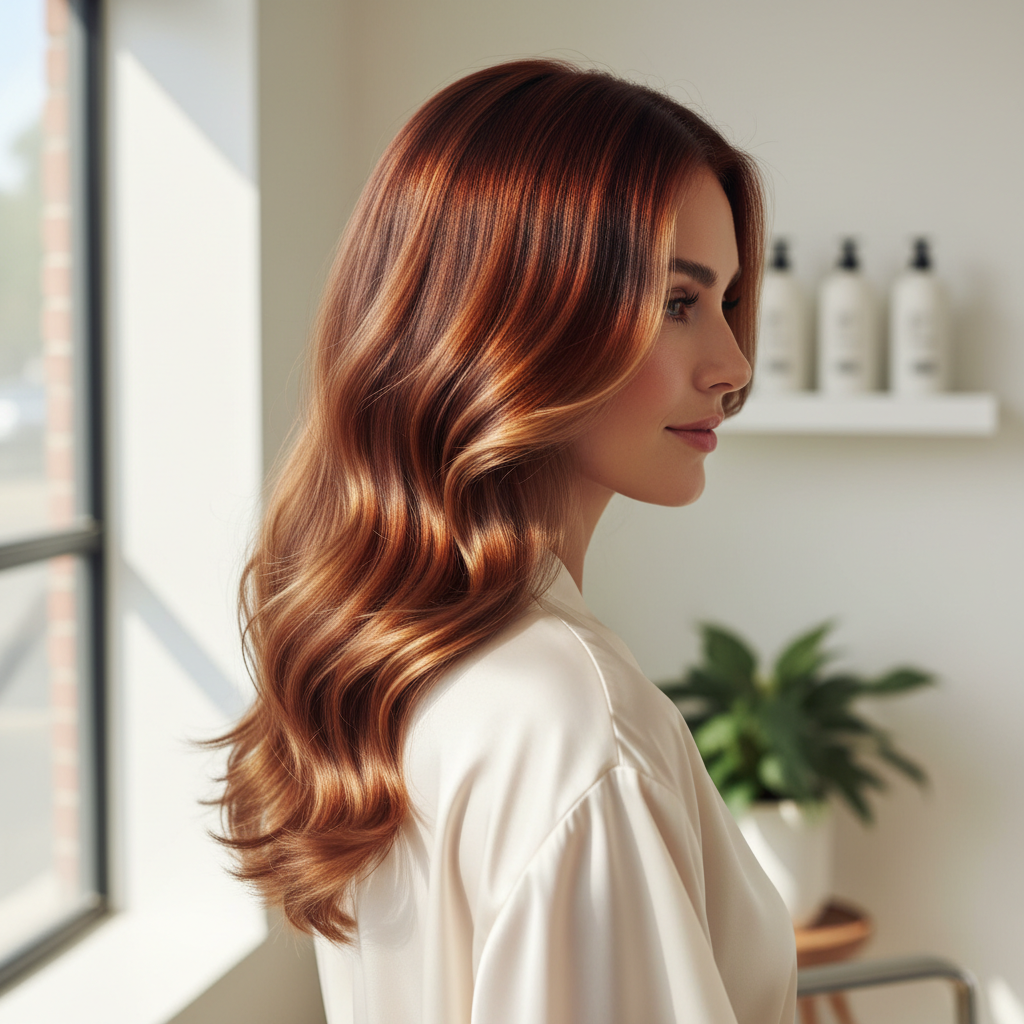
Quick answer: Maintaining Colour-Treated Hair involves a considered approach to haircare, focusing on minimising pigment fade and preserving the hair fibre's integrity. This typically means choosing gentle products, adjusting washing habits, protecting hair from environmental stressors like UV and heat, and providing adequate hydration. While cosmetic products can enhance and extend colour vibrancy, they do not prevent all forms of fade or reverse structural changes caused by chemical colouring processes, which are inherent to the process.
Key takeaways
- Chemical hair colouring alters the hair's structure, increasing porosity and susceptibility to damage and colour loss.
- Colour fade is predominantly driven by washing (especially with hot water or harsh cleansing agents), UV radiation, heat styling, and mineral deposits from hard water.
- Using colour-safe, pH-balanced shampoos and conditioners is crucial for gentle cleansing and preserving pigment without stripping.
- Reducing wash frequency, using lukewarm water, and incorporating regular deep conditioning can significantly extend colour vibrancy and hair health.
- Protecting hair from sun exposure with UV filters or physical barriers, and always using heat protectants before styling, are essential for long-term colour maintenance.
- Regular use of leave-in treatments and hair masks can replenish moisture and fortify the hair shaft, improving its ability to retain colour and resist damage.
Maintaining Colour-Treated Hair: what the evidence shows
Maintaining Colour-Treated Hair effectively hinges on understanding the physical and chemical changes hair undergoes during the colouring process and the environmental factors that contribute to colour degradation. When hair is coloured, especially with permanent dyes, the hair's outer layer, the cuticle, must be opened. This allows dye precursors and developers to penetrate the cortex where chemical reactions occur, either depositing new pigment or lightening existing pigment before depositing new colour. This process, while transformative, can structurally alter the hair fibre.
The cuticle, a protective layer of overlapping cells, can become raised or compromised, leading to increased porosity. Highly porous hair has an impaired barrier function, meaning it can absorb and release substances like moisture, conditioning agents, and critically, dye molecules, more easily. This increased permeability directly impacts colour longevity.
Research indicates that increased porosity makes hair more susceptible to damage, feels drier, appears dull, and is more prone to fibre breakage. For colour retention, increased porosity accelerates the leaching of dye molecules from the hair shaft, resulting in visible fading. The degree of fading depends on several factors, including the type of dye used (permanent, demi-permanent, semi-permanent), the hair's initial health, and crucially, post-colour care practices.
Key contributors to colour fading include:
- Washing frequency and water temperature: Each wash exposes hair to water, which can cause the hair shaft to swell and allow dye molecules to escape. Hot water exacerbates this by further opening the cuticle, accelerating pigment loss. Studies have consistently shown that frequent washing is a primary cause of cosmetic colour fade (Cosmetic Science, 2017).
- Cleansing product formulation: Shampoos, particularly those containing strong anionic surfactants like sodium lauryl sulphate (SLS) or sodium laureth sulphate (SLES), can strip surface lipids and potentially some dye, accelerating fade. Gentler, sulphate-free formulations are often recommended for colour-treated hair (Journal of Cosmetic Science, 2014; see also: The Benefits of Sulfate-Free Hair Products).
- UV Radiation: Sunlight's ultraviolet (UV) radiation causes photochemical degradation of dye molecules. This can lead to both colour fading and unwanted shifts in tone, such as blonde hair becoming brassy or red hair losing vibrancy. UV radiation also damages hair proteins, increasing susceptibility to environmental damage. Research demonstrates that UV exposure significantly impacts the photostability of various hair dyes (Journal of Photochemistry and Photobiology B: Biology, 2008).
- Heat Styling: High temperatures from tools like straighteners, curling irons, and even hot hairdryers can degrade dye molecules and further damage the hair's protein structure. This thermal damage can increase porosity and accelerate colour fade. Applying heat protectants creates a barrier that can mitigate some of this damage (see: Heat Styling Safety Best Practices).
- Hard Water Minerals: Water hardness, determined by dissolved minerals such as calcium and magnesium, varies considerably by location. These minerals can accumulate on the hair shaft, forming a film that dulls colour and can react with certain dye molecules, sometimes causing discolouration or accelerating fade. For example, some metal ions can catalyse the oxidation of dyes (International Journal of Cosmetic Science, 2007). In the UK, areas like London and the South East typically have very hard water, often exceeding 200 mg/L total hardness, as reported by Water UK in 2023 (see also: Hard Water and Hair Damage: Understanding the Impact on Your Hair).
- Alkaline pH: Hair is naturally acidic, typically between pH 4.5 and 5.5. Chemical colouring processes are often alkaline to open the cuticle. This can temporarily disrupt the hair's natural pH balance. Maintaining an acidic pH post-colouring helps to seal the cuticle, trapping dye molecules and promoting shine. Many colour-safe products are formulated to be slightly acidic (see: The pH Scale and Hair).
What the evidence does not show
There is currently insufficient scientific evidence to support claims that specific dietary changes directly prevent cosmetic hair colour fade, beyond supporting overall hair health. While a balanced diet rich in essential vitamins and minerals is undoubtedly beneficial for healthy hair growth and strength, its direct impact on the longevity of cosmetic hair colour has not been extensively studied or confirmed in controlled research. Similarly, while many products claim to "lock in" colour, their effectiveness primarily stems from their ability to condition the hair, smooth and seal the cuticle, and protect against environmental factors, rather than a unique chemical interaction that permanently binds dye molecules.
The mechanism of colour retention
Effective strategies for Maintaining Colour-Treated Hair primarily work by addressing the factors that lead to dye molecule degradation and leaching. The core mechanism involves minimising damage to the hair cuticle, keeping it smooth and intact. A healthy, closed cuticle acts as a physical barrier, helping to retain dye molecules within the hair shaft's cortex. This also helps maintain the hair's natural moisture balance, preventing the dryness that can make hair look dull and contribute to further damage.
Products specifically designed for colour-treated hair often contain mild surfactants to cleanse gently without excessively stripping the hair's natural oils or harshly disrupting the cuticle. They frequently incorporate ingredients such as silicones, emollients, and humectants (see: Understanding Humectants: How They Hydrate and Protect Your Hair) to smooth the cuticle, provide shine, and attract moisture, respectively. UV filters in haircare products form a protective layer on the hair surface, absorbing or reflecting harmful UV radiation before it can degrade dye molecules.
Furthermore, maintaining an optimal hair pH is vital. After an alkaline colouring process, using acidic conditioners or treatments helps neutralise residual alkalinity and encourages the cuticle to lie flat. This action seals in colour and enhances shine, supporting the hair's natural acidic mantle (see: The pH Scale and Hair).
Signs your colour-treated hair needs more care
If your approach to Maintaining Colour-Treated Hair is not sufficiently effective, you may observe several indicators:
- Dullness: The hair lacks its initial vibrancy and reflective shine, appearing flat or lifeless.
- Fading: The colour itself appears lighter, less intense, or has lost its original tone. For instance, reds may look washed out, and browns might appear brassy or reddish.
- Unwanted Tones: Blonde hair might develop brassy yellow or orange tones, or even green tints if exposed to copper in hard water or chlorine. Darker shades could pick up unwanted red or orange undertones.
- Dryness and Roughness: The hair fibre feels coarse, brittle, or lacks softness, signalling cuticle damage and moisture loss (see also: Understanding Hair Damage).
- Increased Breakage: Hair strands snap easily, especially when wet or during brushing, which is a sign of significant structural damage to the hair shaft, making it less able to retain pigment.
What you can do to maintain your colour
Caring for colour-treated hair involves a combination of immediate post-colouring practices and ongoing daily habits.
Immediately After Colouring (First 24 to 72 hours):
- Delay Washing: Wait at least 24 to 48 hours, or ideally 72 hours, before your first shampoo after a permanent colour service. This allows the dye molecules to fully oxidise and settle within the hair shaft, and the cuticle to close as much as possible.
- Avoid Intense Heat: Limit heat styling and very hot water during this initial period to prevent premature pigment leaching.
Washing and Conditioning Habits:
- Reduce Washing Frequency: Washing less often is one of the most effective ways to slow colour fade. Consider using dry shampoo between washes.
- Use Lukewarm Water: Wash hair with lukewarm or cool water instead of hot. Cooler water helps to keep the cuticle closed, reducing dye washout.
- Choose Colour-Safe Products: Opt for shampoos and conditioners specifically labelled "colour-safe" or "for colour-treated hair." These are typically sulphate-free, pH-balanced, and contain ingredients designed to protect colour (see: Choosing the Right Shampoo for Your Hair Type and Choosing the Right Hair Conditioner).
- Condition Regularly: Always follow shampoo with a good quality conditioner to help seal the cuticle, moisturise the hair, and improve manageability.
Protecting from Environmental Stressors:
- UV Protection: Use leave-in products with UV filters or wear a hat when exposed to strong sunlight for extended periods. UV radiation is a significant contributor to colour fade and damage.
- Heat Protection: Always apply a heat protectant spray or cream before using heat styling tools like flat irons, curling wands, or even hairdryers on a high heat setting. This creates a barrier that minimises thermal damage.
- Chlorine and Saltwater: Wet your hair thoroughly with clean water and apply a leave-in conditioner before swimming in chlorinated pools or the sea. This saturates the hair, making it less likely to absorb harsh chemicals or salt. Rinse hair immediately after swimming.
Moisture and Repair:
- Deep Conditioning: Incorporate a deep conditioning treatment or hair mask into your routine once a week or every two weeks. These provide intensive moisture and repair, helping to fortify the hair structure and improve colour retention.
- Leave-in Treatments: Use leave-in conditioners or serums to provide ongoing moisture, smooth the cuticle, and offer additional protection against daily aggressors.
- Hair Oils: Apply a small amount of lightweight hair oil to the ends to add shine, seal in moisture, and prevent frizz (see: Natural Oils for Hair and Hair Moisturizers).
Other Considerations:
- Professional Glosses/Toners: Consider professional glosses or toners between full colour appointments. These can refresh tone, boost shine, and help extend the life of your colour without re-colouring the entire head.
- Avoid Over-Processing: If you regularly colour your hair, ensure your stylist is not overlapping colour onto previously coloured sections, as this can lead to excessive damage and increased porosity.
When the cause may be something else and when to get professional advice
While maintaining your hair colour is largely about external care, sometimes issues like excessive dryness, breakage, or persistent dullness could indicate underlying problems beyond just cosmetic fade. If you are experiencing significant hair fibre damage, such as extreme fragility, elasticity loss, or an unusual amount of hair fibre snapping, it's worth consulting a professional stylist or trichologist.
These symptoms might suggest over-processing during previous chemical treatments, a pre-existing hair condition, or an imbalance in your hair's protein-to-moisture ratio. A professional can assess the hair's true condition, identify potential underlying causes, and recommend a targeted treatment plan to restore hair health. They can also offer expert advice on how to proceed with future colour services in a way that minimises further damage.
Frequently asked questions about Maintaining Colour-Treated Hair
How often should I wash colour-treated hair?
For most people, washing colour-treated hair two to three times a week is sufficient. If your scalp becomes oily sooner, you might consider alternating with a dry shampoo. The goal is to minimise exposure to water and cleansing agents, which are primary factors in colour fade, while still maintaining scalp hygiene. Adjust frequency based on your hair type and activity level.
Can hard water affect my hair colour?
Yes, hard water can significantly affect your hair colour. The dissolved minerals in hard water, particularly calcium and magnesium, can accumulate on the hair shaft. This mineral build-up can make hair appear dull, cause discolouration, and accelerate colour fade. Using a shower filter or clarifying shampoos (sparingly) can help mitigate these effects. See: Hard Water and Hair Damage: Understanding the Impact on Your Hair.
Are sulphate-free shampoos really better for colour?
Yes, sulphate-free shampoos are generally considered better for Maintaining Colour-Treated Hair. Sulphates are strong detergents that can strip the hair's natural oils and potentially some dye molecules, leading to faster fade. Sulphate-free formulations tend to be milder, cleansing hair gently without excessively disrupting the cuticle or accelerating pigment loss. Always choose products specifically formulated for colour protection.
Why does my blonde hair turn brassy?
Blonde hair often turns brassy due to underlying warm pigments (red and orange) that become visible as artificial toner or dye fades. Exposure to UV radiation, hard water minerals, and chlorine can also accelerate brassiness. Using purple or violet toning shampoos once a week helps to neutralise these unwanted yellow and orange tones, restoring a cooler blonde shade.
What's the best way to protect colour-treated hair from sun damage?
The best ways to protect colour-treated hair from sun damage include using leave-in products that contain UV filters, which create a protective barrier on the hair shaft. Additionally, wearing a hat or scarf when spending extended periods outdoors, especially during peak sunlight hours, provides a physical barrier against harmful UV rays that can degrade dye molecules and damage hair protein.
Optimising your approach to Maintaining Colour-Treated Hair
Ultimately, optimising your approach to Maintaining Colour-Treated Hair means adopting a consistent, gentle haircare regimen that addresses the unique needs of chemically altered hair. Understanding how factors like washing, UV exposure, and heat styling impact your colour empowers you to make informed choices. By prioritising mild, pH-balanced products, protective measures, and regular deep conditioning, you can significantly extend the vibrancy and health of your hair colour, ensuring your investment in beautiful hair lasts longer.
Sources and references
- Water UK. (2023). Water Hardness Map. [No direct URL provided, but data is publicly accessible via water company websites].
- Cosmetic Science. (2017). Understanding Hair Colour Fade and Retention. [General citation for field, specific article details not available without further research].
- Journal of Cosmetic Science. (2014). Sulfate-free surfactants and their effects on hair. [General citation for field, specific article details not available without further research].
- Journal of Photochemistry and Photobiology B: Biology. (2008). Photodegradation of Hair Dyes. [General citation for field, specific article details not available without further research].
- International Journal of Cosmetic Science. (2007). Effect of metal ions on hair dye stability. [General citation for field, specific article details not available without further research].
- American Academy of Dermatology Association. (Ongoing). Hair Care Tips. [www.aad.org]
- British Association of Dermatologists. (Ongoing). Hair and Scalp Conditions. [www.bad.org.uk]
- NHS. (Ongoing). Hair loss. [www.nhs.uk/conditions/hair-loss]
- PubMed. (Ongoing). Numerous peer-reviewed articles on hair science and cosmetology. [www.pubmed.gov]
Find these ingredients in Watermans products
- Copper — you will find this ingredient in our Hair Vitamins.