Shampooing Techniques: An Evidence-Based Guide for Scalp and Hair Health
10 min read ·
Mastering effective Shampooing Techniques is crucial for maintaining scalp health and promoting strong, vibrant hair. This guide explores the science behind proper washing, from water temperature to product application, offering evidence-based advice for all hair types.
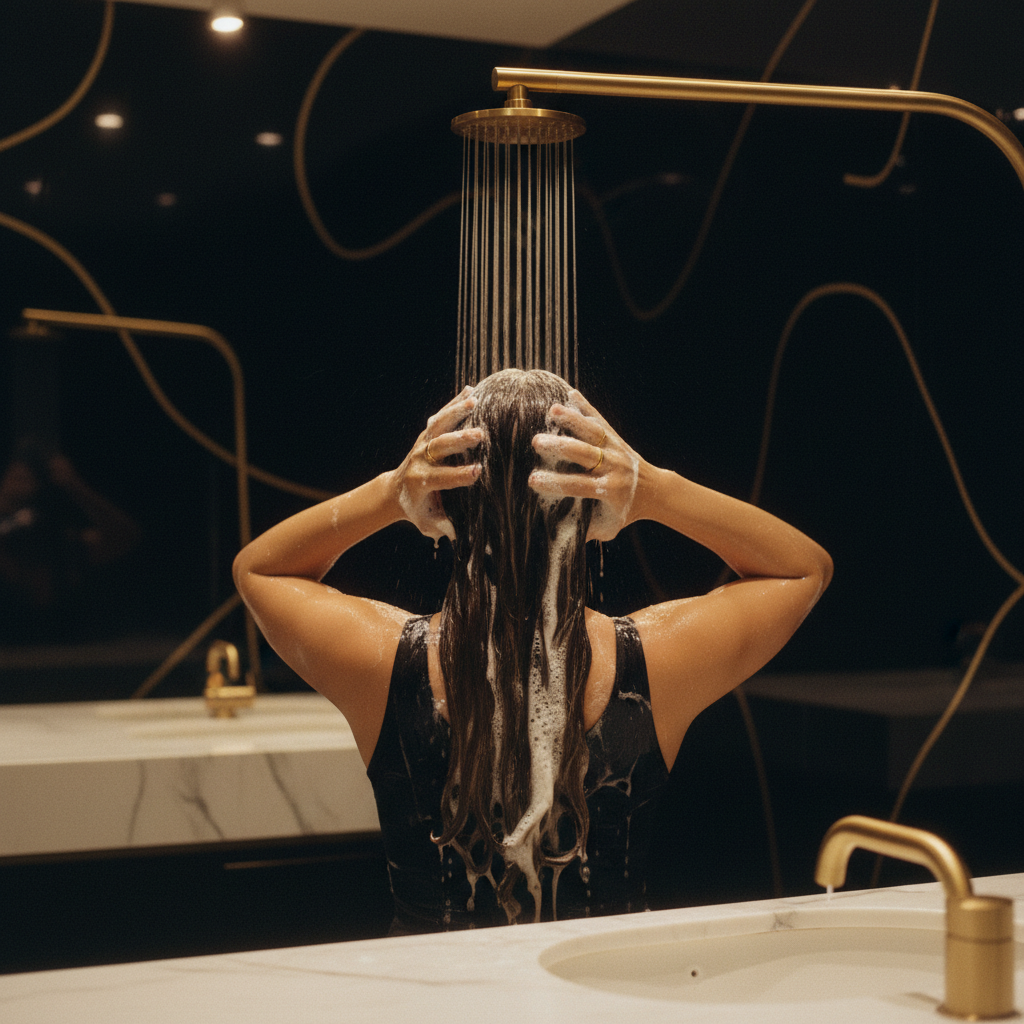
Quick answer: Effective Shampooing Techniques are fundamental for maintaining a healthy scalp and hair by removing excess sebum, product build-up, and environmental pollutants without stripping natural oils. This involves careful consideration of water temperature, product selection, gentle application, thorough rinsing, and appropriate frequency, tailored to individual hair and scalp conditions. The main limitation is that no single technique suits everyone; personalisation based on hair type and lifestyle is key.
Key takeaways
- Shampooing's primary role is to cleanse the scalp and hair, balancing oil removal with moisture retention.
- Water temperature, product type, application method, and rinsing thoroughness significantly influence the efficacy and outcome of shampooing.
- The ideal shampooing frequency varies widely, depending on individual hair type, scalp oil production, lifestyle, and environmental factors.
- Gentle scalp massage during shampooing can help loosen debris and stimulate circulation, but aggressive scrubbing should be avoided.
- Double cleansing and co-washing are advanced Shampooing Techniques for specific needs, such as heavy build-up or very dry hair.
- Choosing the right shampoo for your hair and scalp type is crucial for optimal results and to prevent common issues like dryness or irritation.
Shampooing Techniques: what the evidence shows
Effective Shampooing Techniques are essential for maintaining the health and appearance of your hair and scalp. The goal is to cleanse thoroughly without causing dryness, irritation, or damage. This process involves more than just applying shampoo; it encompasses several factors that, when optimised, contribute to stronger, healthier-looking hair and a balanced scalp environment.
Shampoo works by using surfactants (surface-active agents) to lift and emulsify oils, dirt, and styling product residue from the hair and scalp. When mixed with water, these surfactants create micelles that encapsulate these impurities, allowing them to be rinsed away. Proper technique ensures these agents work effectively across the entire scalp and hair shaft without causing adverse effects.
The importance of water temperature
Water temperature plays a significant role in the shampooing process. Starting with lukewarm water (around 37 to 40 degrees Celsius) helps to prepare the hair and scalp for cleansing. This temperature can assist in gently opening the hair's outer cuticle layer, allowing shampoo to penetrate and cleanse more effectively, and aids in dissolving oil and product build-up. However, water that is excessively hot (above 43 degrees Celsius) can potentially strip too much natural oil (sebum) from the scalp, leading to dryness and irritation. Some research suggests very hot water may also stimulate sebaceous glands to produce more oil in response, potentially worsening oiliness for some individuals.
A final rinse with cooler water (though not icy cold, which can be uncomfortable) can help to close the hair cuticle. This smoothing of the cuticle can contribute to enhanced shine, reduced frizz, and better moisture retention within the hair fibre. While the effect on cuticle closure is often cited, scientific literature on the exact mechanism and magnitude of this effect is varied.
Selecting the right shampoo
Choosing the correct shampoo is perhaps one of the most critical Shampooing Techniques. Shampoos are formulated with different blends of surfactants, conditioning agents, and active ingredients to address various hair and scalp concerns. Using a shampoo unsuitable for your hair type can lead to suboptimal results, such as excessive dryness, oiliness, or product build-up.
For an oily scalp, shampoos with stronger cleansing agents or those formulated with ingredients like salicylic acid or zinc pyrithione can help manage sebum production. Conversely, dry or chemically treated hair benefits from moisturising shampoos that contain milder surfactants and more conditioning ingredients, such as emollients and humectants (see also: Humectants: Understanding How They Hydrate and Protect Your Hair). If you experience dandruff, a medicated shampoo containing antifungal agents like ketoconazole or selenium sulphide may be necessary.
Individuals with fine hair might prefer volumising shampoos that avoid heavy conditioning agents, which can weigh hair down. Those with thick or coarse hair may benefit from richer, more moisturising formulations. For colour-treated hair, sulphate-free shampoos are often recommended as they are generally milder and less likely to strip colour pigments (see also: Sulfate-Free Shampoo Benefits and Maintaining Colour-Treated Hair: Maintaining Colour-Treated Hair: A Guide to Longevity and Health).
Application and massage techniques
Proper application ensures the shampoo effectively cleanses the scalp, where most oil and debris accumulate. Dispense a small amount of shampoo into your palm (typically a 5p to 10p coin-sized amount for short to medium hair, adjusting for length and thickness). Emulsify it by rubbing your hands together briefly before applying. This helps to distribute the product more evenly and reduces the concentration of shampoo applied directly to one spot on the scalp.
Focus the application primarily on the scalp, using your fingertips to gently massage the product in circular motions. The scalp massage helps to loosen dirt, dead skin cells, and product build-up, allowing the surfactants to work more efficiently. It can also stimulate blood circulation to the hair follicles, which some believe may support hair health, although direct evidence for hair growth stimulation from massage alone is limited. Avoid using fingernails, as this can scratch the scalp, leading to irritation or even minor abrasions that can increase the risk of infection. The lather generated from the scalp will naturally cleanse the hair strands as it rinses down, so there's generally no need to vigorously scrub the lengths of your hair, which can cause friction and potential damage, especially to fragile ends.
Thorough rinsing
Thorough rinsing is a frequently overlooked but critical step. Any shampoo residue left on the hair or scalp can lead to dullness, a sticky or greasy feel, and scalp irritation, potentially contributing to conditions like contact dermatitis or product build-up (see also: Scalp Exfoliation: Uncovering the Evidence for a Healthier Scalp). Continue rinsing until the water runs completely clear and your hair feels free of any slippery or soapy residue. For individuals with very thick or long hair, this may require extra time and careful attention to ensure all areas are rinsed thoroughly.
Frequency of shampooing
The optimal frequency for shampooing varies considerably among individuals, influenced by hair type, scalp oil production, lifestyle, and environmental factors. There is no universally "correct" frequency, and daily shampooing is not inherently damaging if a gentle product is used and technique is appropriate.
| Hair Type/Condition | General Guidance on Frequency | Consideration |
|---|---|---|
| Oily scalp | Every 1-2 days | May need daily cleansing to manage sebum production. |
| Dry scalp/hair | Every 2-4 days | Less frequent washing helps preserve natural oils and moisture. |
| Normal hair | Every 2-3 days | A good balance for maintaining cleanliness without stripping. |
| Fine/Thin hair | Every 1-2 days | Prone to looking greasy quickly; benefits from regular cleansing for volume. |
| Thick/Coarse hair | Every 3-5 days | Can often go longer between washes due to slower oil distribution. |
| Colour-treated hair | Less frequently where possible | Helps preserve colour longevity; use colour-safe products. |
| Active lifestyle | After heavy sweating | Sweat and environmental pollutants necessitate cleansing. |
Over-shampooing, especially with harsh, high-surfactant shampoos, can strip the scalp of its natural protective oils, potentially leading to dryness, irritation, and even a reactive increase in sebum production. Conversely, under-shampooing can result in significant product build-up, clogged follicles, scalp odour, and can exacerbate certain scalp conditions such as seborrheic dermatitis. Listening to your hair and scalp's needs is the best guide.
Advanced Shampooing Techniques and considerations
Beyond the basic wash, certain Shampooing Techniques can address specific hair and scalp needs.
Double cleansing for thoroughness
Double cleansing involves shampooing the hair and scalp twice during a single wash session. The first wash aims to break down and lift superficial dirt, oil, and product build-up. The second wash then provides a deeper cleanse to the scalp and hair fibre. This method is particularly beneficial for individuals with very oily scalps, heavy product users, or those who wash infrequently. For the second wash, a smaller amount of shampoo is usually sufficient, as the hair is already partially clean, allowing for a richer lather with less product.
Co-washing (conditioner washing)
Co-washing, or conditioner washing, involves using a cleansing conditioner (a conditioner with mild cleansing agents) or even a regular conditioner in place of shampoo. This method is popular among individuals with very dry, curly, coily, or afro-textured hair, as traditional shampoos can be too stripping (see also: Caring for Curly Hair, Caring for Afro Hair, How to Moisturise Afro Hair). Cleansing conditioners contain gentle surfactants that can remove light build-up and refresh the hair without completely depleting its natural moisture. While effective for maintaining moisture, co-washing may not be sufficient for removing heavy product build-up or for individuals with naturally oily scalps and hair.
Sectioning for even application
For individuals with very long, thick, or dense hair, sectioning the hair before shampooing can significantly improve the evenness of product application and rinsing. Dividing the hair into two to four sections (e.g., using clips) allows for easier access to all areas of the scalp and ensures that shampoo is thoroughly worked into each section. This technique minimises missed spots and ensures a more effective cleanse across the entire head, preventing residue accumulation in hard-to-reach areas.
Watermans Shampooing Techniques
Watermans Grow Me® Shampoo and Conditioner are designed to support a healthy scalp environment, which is crucial for the appearance of fuller, stronger-looking hair. When using Watermans Grow Me® Shampoo, apply a small amount to wet hair, focusing on massaging it into the scalp for 3 to 4 minutes. This gentle massage helps to stimulate the scalp and ensure the active ingredients are well distributed. Follow with a thorough rinse until the water runs clear. For best results, use 4 to 5 times per week. The formulation aims to cleanse effectively without harsh stripping, making it suitable for regular use as part of your overall Shampooing Techniques.
Frequently asked questions about Shampooing Techniques
How much shampoo should I use?
The amount of shampoo needed varies by hair length, thickness, and oiliness. A 5p to 10p coin-sized amount is a good starting point for short to medium hair. For longer or thicker hair, you may need slightly more, but always start small. Over-applying shampoo doesn't necessarily clean better and can be harder to rinse thoroughly, potentially leaving residue.
Can frequent shampooing cause hair loss?
No, frequent shampooing itself does not cause hair loss (alopecia) or hair shedding. Hair loss is typically related to underlying medical conditions, genetics, or hormonal factors. However, aggressive scrubbing during shampooing or using harsh shampoos can lead to hair breakage, where the hair fibre snaps, which can be mistaken for hair loss. Gentle Shampooing Techniques are key.
Should I shampoo twice in one wash?
Shampooing twice, also known as double cleansing, can be beneficial, especially if you have an oily scalp, use a lot of styling products, or wash your hair infrequently. The first wash removes surface dirt and product, while the second provides a deeper cleanse. For many, a single thorough wash is sufficient, so assess your hair's needs.
Does cold water really make hair shinier?
Rinsing with cooler water can help to flatten the hair's cuticle, which is the outer protective layer. A smoother cuticle reflects light more effectively, making hair appear shinier and feel smoother. While the effect is often subtle, it's a simple step that many find beneficial for enhancing the overall appearance of their hair. Extreme cold is unnecessary.
What are some common shampooing mistakes to avoid?
Common mistakes include applying shampoo directly to hair ends (focus on the scalp), over-scrubbing with fingernails (use fingertips gently), not rinsing thoroughly enough (leads to residue), and using excessive product. Avoiding these errors is crucial for effective Shampooing Techniques and maintaining hair health.
Optimising your Shampooing Techniques
Mastering effective Shampooing Techniques is a cornerstone of good hair and scalp care. By understanding the science behind product selection, application, and rinsing, and by tailoring your routine to your unique hair and scalp needs, you can significantly improve the health and appearance of your hair. Moving beyond generic advice and adopting evidence-based practices ensures that your shampooing routine contributes positively to your overall hair wellness, supporting everything from a clean scalp to vibrant, resilient hair fibres.
Sources and references
- American Academy of Dermatology Association, Hair care: How to shampoo and condition. Available from: https://www.aad.org/public/everyday-care/hair-care-basics/wash/shampoo-condition
- Journal of Clinical and Aesthetic Dermatology, Hair Cosmetics: An Overview. 2015. Available from PubMed.
- British Association of Dermatologists, Scalp conditions. Available from: https://www.bad.org.uk/for-the-public/skin-conditions-a-z/scalp-conditions
- Goh, C. L. (2020). Hair Care Products. In: Cosmetics. Springer, Singapore. Available from PubMed.
- Skin Appendage Disorders, Shampoos: Ingredients, Efficacy and Safety. 2015. Available from PubMed.
- National Health Service (NHS), Dandruff. Available from: https://www.nhs.uk/conditions/dandruff/
Find these ingredients in Watermans products
- Zinc: you will find this ingredient in our Hair Vitamins.