Caring For Color-Treated Hair: Caring for Colour-Treated Hair: Maintaining Vibrancy and Health
11 min read ·
Discover evidence-based strategies for caring for colour-treated hair, focusing on how to maintain its vibrancy and overall health after chemical processing.
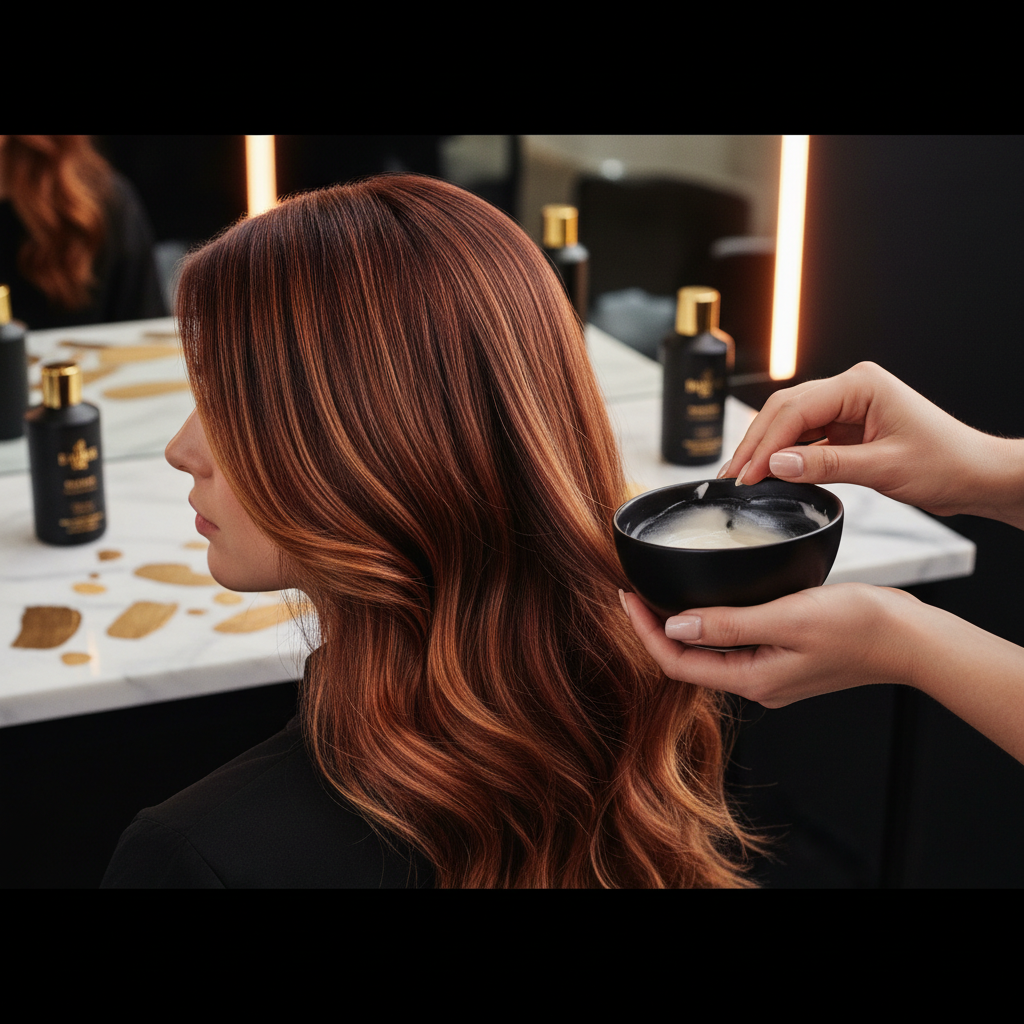
Quick answer:
Quick answer: Caring for Colour-Treated Hair primarily involves minimising colour fade and preventing damage caused by chemical processing. This means using gentle, pH-balanced products, protecting hair from heat and UV, and maintaining optimal hydration to keep the cuticle smooth. By understanding the science behind colour retention and hair health, you can extend the life of your colour and keep your hair looking its best, despite the structural changes colour treatments cause.
Key takeaways
- Gentle Cleansing is Crucial: Use sulfate-free, pH-balanced shampoos designed for colour-treated hair and wash with lukewarm water to minimise colour stripping.
- Prioritise Hydration and Conditioning: Chemically treated hair is often more porous and dry, requiring regular deep conditioning and leave-in treatments to maintain elasticity and prevent breakage.
- Protect Against External Stressors: Shield hair from UV radiation and heat styling tools, both of which accelerate colour fade and damage the hair fibre.
- Understand Hair Structure Changes: Colour treatments alter the hair's cuticle, making it more vulnerable; targeted care helps seal the cuticle and preserve pigment.
- Address Specific Concerns: Fading, dryness, and unwanted tones each have specific, effective strategies, from colour-depositing products to toning shampoos.
Caring for Colour-Treated Hair: what the evidence shows
When hair undergoes chemical colouring, its structure is intentionally altered to allow pigments to penetrate and become visible. This process, while transformative, can leave the hair more vulnerable. Understanding these changes is key to effective Caring for Colour-Treated Hair.
Permanent hair colour, the most common type, typically uses an alkaline agent (like ammonia or monoethanolamine) to swell the hair's outer layer, the cuticle. This allows oxidative dyes, often small molecules, to enter the inner cortex. Hydrogen peroxide, a developer, then causes these small molecules to react and form larger, coloured molecules trapped within the cortex. This trapping is what makes the colour "permanent". Semi-permanent and demi-permanent colours use different, less aggressive chemical processes, but still affect the hair fibre.
This chemical intervention can have several consequences for hair health and colour longevity:
- Increased Porosity: The cuticle layers, which normally lie flat, can become lifted or damaged during the chemical process. This increased porosity means the hair can absorb water and chemicals more easily, but also lose moisture and colour molecules more readily. Research indicates that chemical treatments significantly increase hair fibre porosity (Robbins, 2012).
- Protein Loss: The chemical reactions involved can degrade the hair's keratin proteins, weakening the fibre and making it more prone to breakage. Studies have shown a reduction in tensile strength and an increase in protein loss after repeated colouring (Gambichler et al., 2007).
- Dryness and Dullness: With a compromised cuticle and reduced protein, hair struggles to retain moisture and reflect light smoothly, leading to a drier feel and a lacklustre appearance.
These changes make colour-treated hair more susceptible to damage from everyday environmental stressors and styling practices. Therefore, a targeted approach to Caring for Colour-Treated Hair is essential to mitigate these effects and maintain both colour vibrancy and hair health.
How colour fades: the mechanisms at play
The vibrant colour achieved during a hair colouring service doesn't last forever. Several factors contribute to the gradual degradation and loss of these artificial pigments from the hair shaft. Understanding these mechanisms helps inform effective strategies for Caring for Colour-Treated Hair:
- Water Exposure (Washing): This is arguably the most significant factor. Each time hair is washed, particularly with warm or hot water, the hair fibre swells, and colour molecules can leach out. The cuticle, especially if not fully sealed after colouring, acts as a less effective barrier. Studies suggest that repeated washing is a primary cause of colour fading (Gavazzoni Dias, 2015).
- UV Radiation: Sunlight, specifically ultraviolet (UV) rays, directly breaks down colour molecules. This photo-degradation is a well-documented cause of fading, with reds and auburns often showing the most noticeable shift as their larger molecules are more easily disrupted by UV energy (Gavazzoni Dias, 2015).
- Heat Styling: High temperatures from tools like blow dryers, straighteners, and curling irons can degrade colour molecules and open the cuticle, accelerating both colour loss and moisture evaporation. This is why Heat Styling Safety Best Practices are so important for colour-treated hair.
- Sulfate-Containing Shampoos: While effective cleansers, some sulfates (like sodium lauryl sulfate and sodium laureth sulfate) can be harsh. Their strong detergent action can strip not only natural oils and product buildup but also artificial pigments from the hair, particularly with frequent use. This is why The Benefits of Sulfate-Free Hair Products are often highlighted for colour-treated hair.
- pH Imbalance: Hair's natural pH is slightly acidic, typically between 4.5 and 5.5. Hair colouring processes are often alkaline, raising the pH. Products with an improperly balanced pH can further disrupt the cuticle, hindering its ability to seal and hold colour. Maintaining an acidic pH helps flatten the cuticle and lock in colour.
- Hard Water: Water containing high levels of dissolved minerals, such as calcium and magnesium, can deposit on the hair shaft. These deposits can create a dull film, affect colour tone, and make hair feel rough, further compromising its ability to hold colour effectively. See our article on Hard Water and Hair Damage: Understanding the Impact on Your Hair.
What you can do: an evidence-based approach to Caring for Colour-Treated Hair
Effective Caring for Colour-Treated Hair focuses on gentle treatment, protection, and consistent hydration to counteract the effects of chemical processing and environmental stressors. Here's what you can do:
1. Choose gentle, pH-balanced cleansers and conditioners
Opt for shampoos and conditioners specifically labelled "for colour-treated hair". These products are typically sulfate-free and formulated with a lower, more acidic pH (around 4.5-5.5) to help seal the hair cuticle after washing, trapping colour molecules inside. Washing less frequently (every 2 to 3 days) and using lukewarm rather than hot water also reduces colour washout. The goal is to minimise cuticle swelling and leaching of pigments. Our guides on Choosing the Right Shampoo and The Science of Conditioners: How Hair Care Formulations Work provide further insights.
2. Prioritise deep conditioning and hydration
Colour-treated hair often experiences increased porosity and dryness due to cuticle damage and protein loss. Regular deep conditioning is vital. Use a rich conditioner after every shampoo, focusing on mid-lengths and ends. Incorporate a deep conditioning treatment or hair mask once or twice a week. Look for ingredients that provide intense hydration and help repair the hair fibre, such as emollients, humectants (like glycerin or hyaluronic acid), and hydrolysed proteins (such as Hydrolysed Wheat Protein or Lupin Protein). These help restore the hair's lipid barrier, smooth the cuticle, and improve moisture retention. Hydrated hair retains colour better because an intact, smooth cuticle provides a more effective barrier against colour loss. Our articles on Hair Hydration: The Science Behind Keeping Hair Moist and Hair Moisturizers: What They Are and How They Work offer more detail.
3. Protect from heat and UV radiation
Minimising exposure to heat and UV light is a cornerstone of Caring for Colour-Treated Hair. Always use a heat protection spray before any heat styling, creating a barrier that reduces thermal damage to the cuticle and slows colour molecule degradation. Use the lowest effective heat setting on tools, and air-dry whenever possible. When outdoors for extended periods, especially in strong sunlight, wear a hat or use hair products containing UV filters. These ingredients absorb or reflect harmful UV rays, protecting both hair proteins and colour pigments from photo-degradation. Refer to Heat Styling Safety Best Practices and Understanding Hair Damage: Causes, Signs, and Solutions for comprehensive advice.
4. Consider your water quality
Hard water can deposit minerals on the hair, leading to dullness and potentially affecting colour tone. If you live in an area with hard water, consider installing a shower filter to reduce mineral buildup. Alternatively, incorporating a chelating or clarifying shampoo into your routine once every few weeks can help remove these deposits. However, choose these products carefully and use them sparingly, as some can be strong and potentially strip colour. Our article on Hard Water and Hair Damage: Understanding the Impact on Your Hair explores this further.
5. Address specific colour concerns
- Fading: To refresh colour between salon visits, consider colour-depositing conditioners or masks. These contain small amounts of pigment that can temporarily boost vibrancy and extend the life of your colour. They are not a replacement for professional colouring but can maintain tone.
- Brassiness/Unwanted Tones: For lightened hair that develops yellow (blonde) or orange (brown) tones, toning shampoos and conditioners are highly effective. Purple pigments neutralise yellow, while blue pigments neutralise orange. Use these as needed to maintain cool tones.
- Dryness/Damage: Beyond regular conditioning, incorporate leave-in conditioners and hair oils to provide continuous hydration and seal the cuticle. For more severe damage, bond-building treatments (often salon-based) can help repair internal hair structure, though some protein treatments are available for home use. Be cautious not to overuse protein, as it can sometimes lead to stiffness.
Hair Damage and Colour-Treated Hair: A Comparison
| Feature | Healthy Hair | Colour-Treated Hair (without proper care) |
|---|---|---|
| Cuticle Layer | Smooth, tightly sealed, reflects light evenly | Lifted, compromised, uneven; leads to increased porosity |
| Moisture Level | Optimal hydration, good elasticity | Prone to dryness, can struggle to retain moisture, reduced elasticity |
| Protein Content | Strong keratin structure, good tensile strength | Can experience protein degradation, reduced strength, increased breakage risk |
| Colour Retention | Natural pigment is stable | Artificial pigments prone to fading, leaching, and photo-degradation |
| Texture | Smooth, soft, flexible | Can feel rough, brittle, or coarse |
| Shine | High natural lustre due to smooth cuticle | Can appear dull or lacklustre as light is scattered unevenly |
This table illustrates why a tailored approach to Caring for Colour-Treated Hair is necessary to address the specific challenges that arise from chemical processing.
When to get professional advice
While many aspects of Caring for Colour-Treated Hair can be managed at home, there are times when professional guidance is invaluable:
- Severe Damage: If your hair feels excessively gummy, brittle, or is breaking off significantly, a professional stylist or trichologist can assess the extent of the damage and recommend intensive, in-salon treatments. They can also advise on whether further chemical services are advisable.
- Persistent Colour Issues: If you are consistently struggling with unwanted tones (e.g., green, grey, or persistent brassiness despite toning products) or very rapid fading, a professional can analyse your hair's porosity and previous chemical history to provide tailored solutions. They have access to professional-grade toners, glazes, and bond-building treatments.
- Scalp Irritation: If you experience ongoing scalp itching, redness, or discomfort after colouring, it's important to consult a dermatologist. This could indicate an allergic reaction or sensitivity that requires medical attention. Our article on Understanding Scalp Health: A Foundation for Thriving Hair provides more information.
- Desire for Significant Change: For major colour changes, especially lightening dark hair or correcting previous colour mistakes, always consult a professional. Attempting these at home can lead to unpredictable results and significant damage.
Frequently asked questions about Caring for Colour-Treated Hair
How often should I wash colour-treated hair?
It's generally recommended to wash colour-treated hair every 2 to 3 days, or less frequently if possible. This minimises exposure to water, which can cause colour molecules to leach out, and reduces the use of shampoo, even gentle ones. When you do wash, use lukewarm water and a sulfate-free shampoo to preserve vibrancy. Reducing washing frequency is a key strategy for Caring for Colour-Treated Hair.
Can swimming affect my hair colour?
Yes, both chlorinated pool water and saltwater can impact hair colour. Chlorine can strip colour and may even cause a greenish tint on blonde hair due to copper oxidation. Saltwater can also dehydrate hair and contribute to fading. Wetting your hair with clean water and applying a leave-in conditioner before swimming can help create a barrier and reduce absorption.
Are "colour-safe" shampoos really necessary?
Yes, "colour-safe" shampoos are generally formulated to be gentler than traditional shampoos. They are typically sulfate-free, have a lower, more acidic pH, and contain ingredients that help protect the hair cuticle and minimise colour stripping. Using them is a practical way to extend the life of your hair colour and maintain hair health.
How can I protect my colour from the sun?
Sunlight, particularly UV radiation, is a significant cause of colour fading and hair damage. To protect your colour, wear a hat when outdoors for prolonged periods, especially during peak sun hours. You can also use hair products that contain UV filters, which act as a shield to absorb or reflect harmful rays before they damage pigments.
What's the difference between a toner and a colour-depositing mask?
A toner primarily neutralises unwanted warm tones (e.g., purple for yellow, blue for orange) in lightened hair, often used to maintain cool shades. A colour-depositing mask, on the other hand, adds a small amount of pigment of a specific shade to refresh and boost the overall vibrancy of an existing colour. Both are useful tools for Caring for Colour-Treated Hair but serve different purposes.
Protecting your investment with Watermans
Caring for Colour-Treated Hair requires a thoughtful routine, and Watermans products are formulated with ingredients designed to support hair health and vibrancy. Our Grow Me® Shampoo and Conditioner are sulfate-free and pH-balanced, making them suitable for colour-treated hair. The formulations include hydrolysed lupin protein, which helps strengthen the hair fibre, and ingredients such as rosemary extract, known for its beneficial properties for scalp health.
By incorporating Watermans into your routine, alongside other protective practices, you can help maintain your hair's condition and extend the vibrancy of your colour, ensuring your investment in beautiful hair is well-protected.
Sources and references
- Gambichler, T., et al. (2007). Influence of repeated bleaching and dyeing on the physical properties of human hair. Journal of Cosmetic Science, 58(3), 295-304.
- Gavazzoni Dias, M. F. R. (2015). Hair Cosmetics: An Overview. International Journal of Trichology, 7(1), 2-15.
- Robbins, C. R. (2012). Chemical and Physical Behavior of Human Hair (5th ed.). Springer. Pages 305-345.
- The Cosmetic, Toiletry, and Fragrance Association (CTFA). Hair Colour Products: A Safety Assessment.
- American Academy of Dermatology Association (AAD). Hair colouring: Tips for healthy hair.
- NHS. Hair loss: Causes.
- PubMed. Various studies on hair fibre damage and colour retention.
Find these ingredients in Watermans products
- Copper: you will find this ingredient in our Hair Vitamins.