Scalp Care Fundamentals
5 min read ·
A healthy scalp is the foundation for healthy hair, requiring a balanced approach to cleansing, moisturising, and protection.
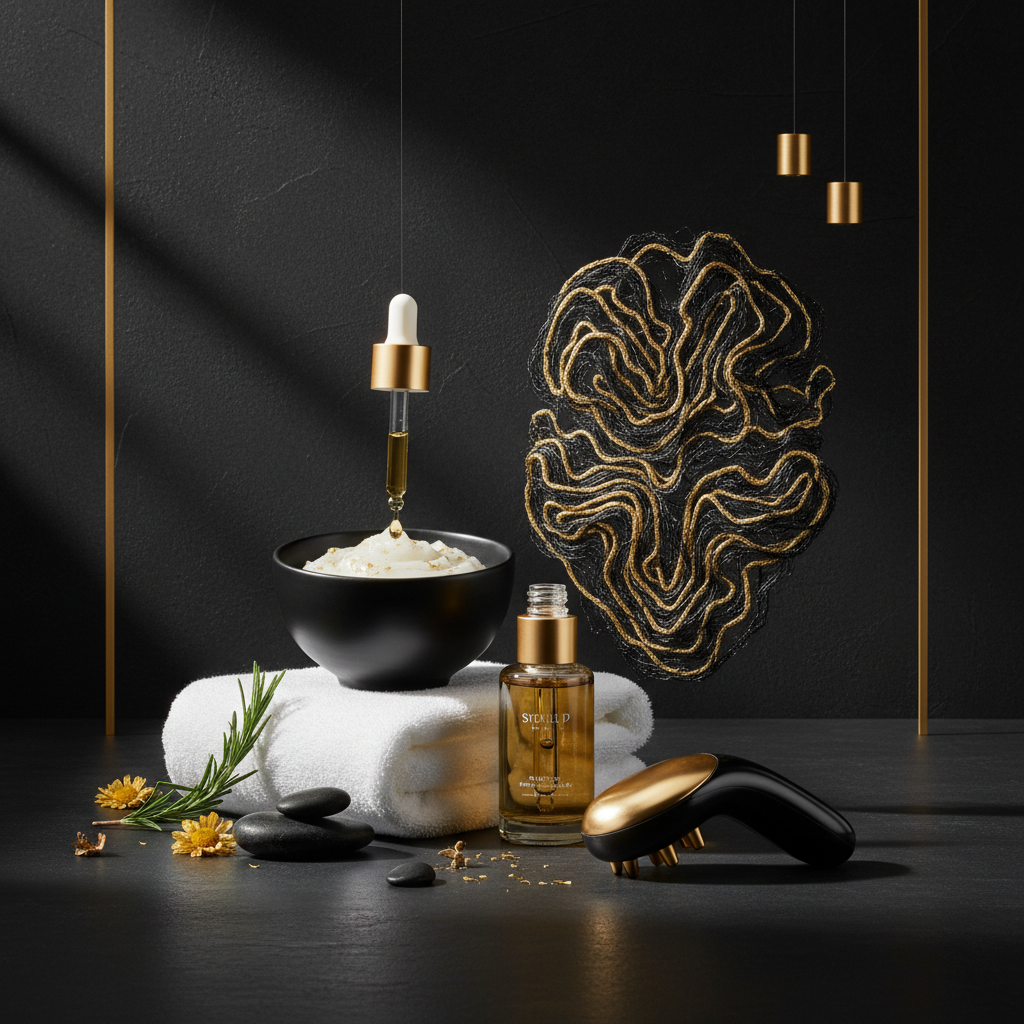
The Importance of Scalp Health
Often overlooked, the scalp is living skin and plays a critical role in hair health and growth. It is an extension of the facial skin, complete with sebaceous glands producing sebum, sweat glands, and a complex microbiome. A healthy scalp environment is characterized by proper hydration, balanced oil production, and a robust skin barrier. When this balance is disrupted, it can lead to various hair and scalp concerns, including dryness, oiliness, itching, flaking, or even hair growth issues.
Anatomy of the Scalp
The scalp consists of several layers of skin, including the epidermis, dermis, and subcutaneous tissue. Hair follicles, the structures from which hair grows, are embedded in the dermis. Each follicle is surrounded by sebaceous glands that produce sebum, a natural oil that lubricates the hair and skin. A healthy scalp ensures that these follicles can function optimally, leading to strong, vibrant hair.
Common Scalp Conditions and Their Causes
Understanding common scalp conditions helps in addressing them effectively. Many conditions arise from an imbalance in the scalp's natural environment.
- Dry Scalp: Often confused with dandruff, a dry scalp occurs when the scalp lacks sufficient moisture. This can be caused by environmental factors, harsh hair products, or underlying skin conditions. Symptoms include itching and small, white flakes that easily detach from the scalp.
- Oily Scalp: An overproduction of sebum by the sebaceous glands leads to an oily scalp. This can be influenced by genetics, hormonal fluctuations, or diet. An excessively oily scalp can create an environment conducive to certain microbial overgrowths.
- Dandruff (Pityriasis Capitis): Characterized by white or yellowish flakes, dandruff is a common condition often associated with the overgrowth of Malassezia globosa, a yeast naturally present on the scalp. This yeast feeds on sebum, producing oleic acid, which can irritate sensitive scalps, leading to accelerated skin cell turnover and flaking. Dandruff is not caused by dryness; it is an inflammatory response.
- Psoriasis: A chronic autoimmune condition that can affect the scalp, causing thick, silvery scales and red patches. It is characterized by an accelerated skin cell turnover rate.
- Seborrheic Dermatitis: A common inflammatory skin condition that causes red, scaly, greasy patches. On the scalp, it can manifest as stubborn, oily flakes.
Fundamentals of Scalp Care
Effective scalp care involves a routine that maintains balance and addresses specific concerns.
Cleansing
Regular cleansing is crucial for removing excess oil, dead skin cells, and product buildup that can clog follicles and upset the scalp's microbiome. The frequency of shampooing depends on individual scalp type and lifestyle.
- Mild Shampoos: Opt for shampoos formulated to be gentle on the scalp, often characterized by a balanced pH (around 5.5). Look for ingredients that soothe and hydrate.
- Targeted Shampoos: For specific conditions like dandruff, use a medicated shampoo containing active ingredients like zinc pyrithione or salicylic acid. These ingredients help control yeast growth and reduce flaking.
Moisturizing and Conditioning
Just like facial skin, the scalp benefits from hydration. Conditioners and specialized scalp treatments can help maintain moisture and soothe irritation.
- Conditioners: While primarily for hair strands, some conditioners are formulated to be applied to the scalp to provide hydration without weighing down roots. These often contain emollients and humectants.
- Scalp Serums and Oils: These products can deliver targeted ingredients to the scalp, such as essential oils known for their anti-inflammatory properties, or humectants like hyaluronic acid for intense hydration. Apply them directly to the scalp and gently massage to promote absorption.
Exfoliation
Scalp exfoliation helps remove dead skin cells, product buildup, and excess sebum, promoting a cleaner environment for hair growth. This can improve the efficacy of other scalp treatments.
- Physical Exfoliants: These contain small granules that physically slough off dead skin. Exercise caution to avoid irritation.
- Chemical Exfoliants: Ingredients like salicylic acid (a beta-hydroxy acid, BHA) gently dissolve dead skin cells and sebum, making them effective for oily or flaky scalps.
Protection
Protecting the scalp from environmental aggressors is as important as protecting the skin on other parts of the body.
- UV Protection: The scalp is susceptible to sun damage. Wearing hats or using UV-protective hair products can help shield it from harmful ultraviolet rays.
- Heat Styling: Reduce direct heat application to the scalp when using tools like blow dryers or flat irons. Use heat protectants that can also offer some scalp benefit.
Scalp Massage
Gently massaging the scalp can have several benefits. It can increase blood circulation to the hair follicles, potentially improving nutrient delivery. It also helps to distribute natural oils and can be a relaxing practice that reduces tension.
The Role of Watermans Hair Products
Watermans Hair products are specifically formulated to support a healthy scalp environment. For example, Watermans Grow Me Shampoo and Conditioner contain hydrolyzed lupin protein, niacinamide, and biotin, which help nourish the scalp and hair follicles. These formulations are designed to cleanse effectively without stripping the scalp's natural moisture barrier, and to provide ingredients beneficial for maintaining optimal scalp health and promoting vigorous hair growth.
Developing a Personalized Scalp Care Routine
Creating an effective scalp care routine involves understanding your individual scalp type and concerns. Consider the following:
- Identify Your Scalp Type: Is it oily, dry, normal, or prone to specific conditions like dandruff?
- Choose Appropriate Products: Select shampoos, conditioners, and treatments that target your specific needs.
- Establish a Routine: Determine the optimal frequency for cleansing, conditioning, and treating your scalp.
- Monitor and Adjust: Pay attention to how your scalp responds and adapt your routine as needed.
Scalp Care in Summary
Maintaining a healthy scalp is fundamental to achieving and preserving healthy hair. By understanding the scalp's anatomy, recognizing common conditions, and implementing a consistent care routine focused on cleansing, moisturising, exfoliation, and protection, individuals can foster an optimal environment for hair growth and overall scalp well-being. Regular attention to scalp health is an investment in the long-term vitality of your hair.เภ", seo_title=
Find these ingredients in Watermans products
- Biotin, you will find this ingredient in our Hair Growth Shampoo.
- Zinc, you will find this ingredient in our Hair Vitamins.
- Oleic Acid, you will find this ingredient in our Camellia & Black Castor Hair & Body Oil.
- Niacinamide, you will find this ingredient in our Hair Mask.