Common Hair Problems and Solutions
7 min read ·
From dryness and damage to thinning and an oily scalp, understanding common hair problems is the first step toward effective solutions for healthier hair.
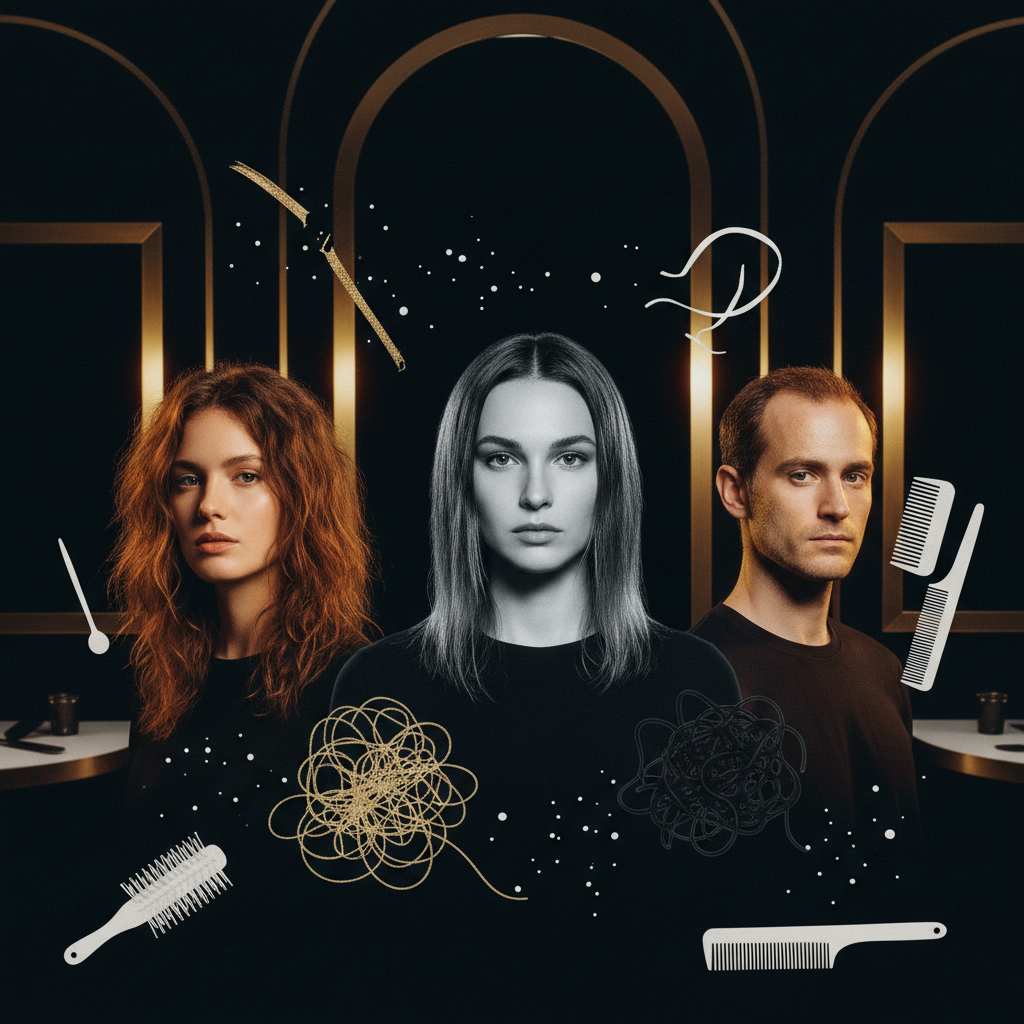
Hair, often seen as a reflection of overall health, can experience a variety of challenges. These issues can range from minor cosmetic concerns to indicators of underlying health conditions. Understanding the most common hair problems and their causes is crucial for addressing them effectively and maintaining healthy hair.
Dry Hair
Dry hair lacks sufficient moisture and natural oils, leading to a dull, brittle, and rough texture. This occurs when the hair cuticle, the outermost layer of the hair shaft, is raised, allowing moisture to escape.
Causes:
- Environmental Factors: Exposure to dry air, sun, wind, and low humidity.
- Overwashing: Frequent shampooing can strip the scalp and hair of its natural protective oils, known as sebum.
- Heat Styling: Excessive use of heat tools like blow dryers, flat irons, and curling irons without heat protection can dehydrate the hair.
- Chemical Treatments: Perms, relaxers, and hair dyes can alter the hair's structure and reduce its ability to retain moisture.
- Nutritional Deficiencies: A diet lacking essential fatty acids, vitamins, and minerals can impact hair health.
- Medical Conditions: Hypothyroidism and anorexia can sometimes manifest as dry, brittle hair.
Solutions:
- Use a moisturising shampoo and conditioner.
- Incorporate deep conditioning treatments or hair masks weekly.
- Minimize heat styling and always use a heat protectant.
- Protect hair from sun and environmental exposure with hats or scarves.
- Ensure adequate hydration by drinking plenty of water.
- Consider a diet rich in omega-3 fatty acids, found in fish and flaxseed oil.
Oily/Greasy Hair
Oily hair results from an overproduction of sebum by the sebaceous glands in the scalp. While sebum is essential for keeping hair moisturized and protected, an excess can make hair appear greasy, lank, and feel heavy.
Causes:
- Hormonal Fluctuations: Androgens, a group of hormones, can stimulate sebum production. Puberty, pregnancy, and certain medical conditions can influence hormone levels.
- Genetics: Some individuals are genetically predisposed to an oily scalp.
- Improper Hair Care: Over-conditioning, using heavy styling products, or not rinsing shampoo thoroughly can contribute to oiliness.
- Over-brushing: Brushing too frequently can distribute sebum from the scalp down the hair shaft.
- Diet: While less direct, a diet high in refined sugars and unhealthy fats may contribute to overall skin and scalp oiliness for some individuals.
Solutions:
- Use a clarifying or balancing shampoo designed for oily hair.
- Wash hair regularly, but avoid excessive scrubbing which can stimulate oil production.
- Apply conditioner primarily to the ends of the hair, avoiding the scalp.
- Limit touching and brushing hair excessively.
- Consider dry shampoo between washes to absorb excess oil.
Hair Thinning/Loss
Hair thinning and loss, medically termed alopecia, refers to a reduction in the density or quantity of hair on the scalp. It can manifest as general thinning, receding hairlines, or bald spots. The average person loses 50-100 hairs daily; significant loss beyond this is a concern.
Causes:
- Androgenetic Alopecia: Commonly known as male-pattern or female-pattern baldness, it's a genetic condition influenced by hormones. It accounts for over 95% of hair loss in men.
- Telogen Effluvium: A temporary condition where a large number of hairs enter the resting (telogen) phase prematurely due to stress, illness, poor nutrition, or hormonal changes (e.g., postpartum).
- Alopecia Areata: An autoimmune condition where the immune system mistakenly attacks hair follicles, leading to patchy hair loss.
- Nutritional Deficiencies: Lack of iron, zinc, biotin, and vitamins D and B12 can contribute to hair loss.
- Thyroid Disorders: Both an overactive and underactive thyroid can lead to hair thinning.
- Medications: Certain drugs, like those for cancer, arthritis, depression, heart problems, and high blood pressure, can have hair loss as a side effect.
- Traction Alopecia: Hair loss caused by constant pulling on the hair follicles from tight hairstyles (e.g., braids, ponytails).
Solutions:
- Consult a medical professional to diagnose the underlying cause.
- Use hair growth stimulating shampoos.
- Ensure a balanced diet rich in essential nutrients.
- Manage stress through relaxation techniques.
- Avoid tight hairstyles and excessive heat styling.
Dandruff (Seborrheic Dermatitis)
Dandruff is a common scalp condition characterized by flaky skin on the scalp, often accompanied by itching. It is a mild form of seborrheic dermatitis. The flakes are typically white or yellowish and can be visible on hair and clothing. It is not caused by poor hygiene, but hygiene can make its appearance more noticeable.
Causes:
- Malassezia Globosa: A common yeast-like fungus that lives on the scalp of most adults. For some, it can irritate the scalp and cause skin cells to multiply too quickly, leading to flakes.
- Oily Skin: Individuals with naturally oily skin and scalp are more prone to dandruff.
- Sensitivity to Hair Products: A reaction to certain ingredients in shampoos or styling products.
- Certain Medical Conditions: Parkinson's disease, weakened immune systems, and other neurological conditions can increase the risk.
Solutions:
- Use an anti-dandruff shampoo containing active ingredients like zinc pyrithione, selenium sulfide, or ketoconazole.
- Follow product instructions carefully, often leaving the shampoo on for a few minutes before rinsing.
- Wash hair regularly to prevent oil and skin cell buildup.
- Avoid harsh scrubbing of the scalp, which can exacerbate irritation.
Damaged Hair
Damaged hair refers to hair that has lost its structural integrity, often appearing dry, brittle, split, and frizzy. The hair cuticle becomes lifted, chipped, or completely removed, exposing the inner cortex and making the hair vulnerable.
Causes:
- Chemical Processing: Repeated bleaching, dyeing, perming, or relaxing treatments break down the hair's protein structure.
- Heat Styling: Excessive and improper use of heat tools without adequate heat protection leads to dehydration and protein denaturation.
- Mechanical Damage: Aggressive brushing, tight hairstyles, rough towel-drying, and friction from pillows can cause breakage.
- Environmental Exposure: Prolonged sun exposure, chlorine from swimming pools, and saltwater can strip moisture and degrade hair proteins.
Solutions:
- Minimize chemical treatments and space them out.
- Reduce heat styling and always apply a heat protection spray beforehand.
- Use gentle hair care practices: detangle with a wide-tooth comb, avoid aggressive brushing, and pat hair dry.
- Regularly trim split ends to prevent further damage from traveling up the hair shaft.
- Use protein-rich treatments and masks to help rebuild hair structure.
- Shampoo with a repairing or strengthening formula.
Split Ends (Trichoptilosis)
Split ends occur when the ends of the hair shaft fray and split into two or more sections. This is a common sign of hair damage and often indicates that the hair is dry, brittle, or has been subjected to mechanical or chemical stress. It primarily affects older hair shafts, as the ends have been exposed to aggressors for the longest time.
Causes:
- Mechanical Stress: Over-brushing, harsh towel-drying, friction from clothing, and tight hairstyles.
- Chemical Damage: Frequent colouring, perming, relaxing, or bleaching.
- Heat Damage: Regular use of heat styling tools without a heat protectant.
- Environmental Factors: Exposure to sun, wind, and dry weather, which can dehydrate hair.
- Lack of Trimming: Infrequent trims allow damaged ends to persist and worsen.
Solutions:
- Get regular trims: This is the most effective way to eliminate existing split ends and prevent them from traveling up the hair shaft. Aim for every 6-8 weeks.
- Use a leave-in conditioner or hair serum on the ends to provide extra moisture and protection.
- Minimize heat styling and chemical treatments.
- Detangle hair gently with a wide-tooth comb, starting from the ends and working upwards.
- Use a heat protection spray when heat styling.
Frizzy Hair
Frizz occurs when the hair cuticle is raised, allowing moisture from the air to penetrate the hair shaft. This causes the hair to swell and appear rough, unruly, and undefined, particularly in humid conditions. Hair that is naturally dry or damaged is more susceptible to frizz because its cuticle is already lifted.
Causes:
- Humidity: The most common cause. When the air is humid, hair absorbs moisture, causing the outer layer (cuticle) to swell and fray.
- Dry Hair: Hair that lacks moisture will seek it from the environment, leading to frizz.
- Damage: Chemical treatments, heat styling, and mechanical damage can lift the cuticle, making hair more porous and prone to frizz.
- Aggressive Towel Drying: Rubbing hair vigorously with a towel can raise the cuticle and create friction.
- Sulfate Shampoos: Sulfates can strip the hair of its natural oils, leading to dryness and frizz.
Solutions:
- Use sulfate-free and moisturising shampoos and conditioners.
- Incorporate leave-in conditioners or anti-frizz serums to smooth the cuticle.
- Avoid aggressive towel drying; instead, gently blot hair dry with a microfiber towel or cotton t-shirt.
- Limit heat styling and always use a heat protection spray.
- Consider using styling products specifically designed to combat humidity.
- Ensure hair is adequately hydrated through regular deep conditioning treatments.
These common hair problems often intertwine, with one issue potentially exacerbating another. A holistic approach that considers diet, lifestyle, and a tailored haircare routine is key to maintaining a healthy scalp and vibrant hair.
Find these ingredients in Watermans products
- Biotin, you will find this ingredient in our Hair Growth Shampoo.
- Zinc, you will find this ingredient in our Hair Vitamins.