How to Treat Scalp Pruritus: An Evidence-Based Clinical Guide
8 min read ·
Learn how to treat scalp pruritus with evidence-based methods. Discover the causes, biological mechanisms, and treatments to calm itching and restore scalp health.
Quick answer: Learning how to treat scalp pruritus begins with identifying whether the itching stems from an inflammatory barrier disorder, an overgrowth of yeast, product contact allergy, or a nerve issue. Effective management ranges from antimicrobial washes and physiological pH cleansers to topical anti-inflammatory solutions and soothing botanical topicals. The main limitation is that symptomatic treatments cannot cure the issue permanently if the underlying root trigger, such as active seborrhoeic dermatitis, scalp psoriasis, or neuropathic irritation, remains unaddressed.
Key takeaways
- Scalp pruritus is a clinical term for an itchy scalp, acting as a symptom of underlying barrier breakdown, microbial dysbiosis, or neural hypersensitivity.
- Common causes include seborrhoeic dermatitis, contact dermatitis, scalp psoriasis, xerosis (dry skin), and neuropathic conditions like trichodynia.
- First-line cosmetic and dermatological interventions focus on restoring the scalp acid mantle (pH 4.5 to 5.5) and regulating Malassezia populations.
- Physical scratching damages follicular structures, turning manageable itching into secondary mechanical breakage and localised surface infections.
- Persistent itching accompanied by erythema, pustules, thick silvery plaques, or sudden hair shedding warrants assessment by a trichologist, dermatologist, or GP.
How to Treat Scalp Pruritus: what the evidence shows
Understanding how to treat scalp pruritus requires looking at clinical trials on epidermal barrier repair, antifungal action, and neurosensory calming. Clinical dermatology consistently confirms that non-specific scratching exacerbates inflammation via the itch-scratch cycle. When you scratch, mechanical trauma triggers epidermal keratinocytes to release pro-inflammatory cytokines such as interleukin-1 alpha (IL-1α) and tumour necrosis factor-alpha (TNF-α), intensifying the itch signal.
Controlled studies indicate that targeted topical interventions produce the highest rates of symptom resolution:
- Antifungal agents: In cases linked to seborrhoeic dermatitis, active antifungal cleansers containing ketoconazole (1% to 2%), piroctone olamine (0.5% to 1.0%), or zinc pyrithione substantially reduce Malassezia globosa and Malassezia restricta loads. Peer-reviewed trials demonstrate that suppressing these yeasts curbs the production of free fatty acids that irritate the skin, resolving pruritus in up to 80% of mild-to-moderate cases within 2 to 4 weeks.
- Topical anti-inflammatories: When erythema and scale suggest mild psoriasis or eczema, short-course topical corticosteroids or calcineurin inhibitors calm local vascular dilation and cellular turnover under medical supervision.
- Barrier repair formulations: Scalps stripped by harsh surfactants or alkaline tap water benefit from physiological lipid replacement (ceramides, cholesterol, free fatty acids) and humectants (panthenol, glycerin, hyaluronic acid). These ingredients hydrate the stratum corneum and lower trans-epidermal water loss (TEWL).
- Sensory modulators: Natural cooling agents like menthol, peppermint oil, or topical polidocanol temporarily dull itch signalling by stimulating transient receptor potential (TRP) channels, specifically TRPM8 receptors. This provides acute neurosensory relief without compromising tissue integrity.
What the evidence does not show
The evidence does not support using heavy kitchen oils to smother an itchy scalp. Applying pure coconut oil, olive oil, or castor oil directly to an inflamed, itchy scalp can worsen the problem. Malassezia yeasts feed on specific saturated and unsaturated fatty acids with carbon chain lengths between C11 and C24. Flooding the scalp with oleic acid-rich oils fuels fungal metabolism, increasing inflammatory by-products.
Controlled research also refutes the myth that infrequent washing cures an itchy scalp. While overly frequent stripping with high-pH alkaline soap bars disrupts barrier lipids, under-washing allows sebum, sweat, pollution particles, and corneocytes to accumulate. This build-up oxidises, creating squalene peroxides that trigger scalp sensitivity and heightened itch.
The biological mechanisms behind the itch
Scalp pruritus occurs along distinct physiological pathways depending on the trigger:
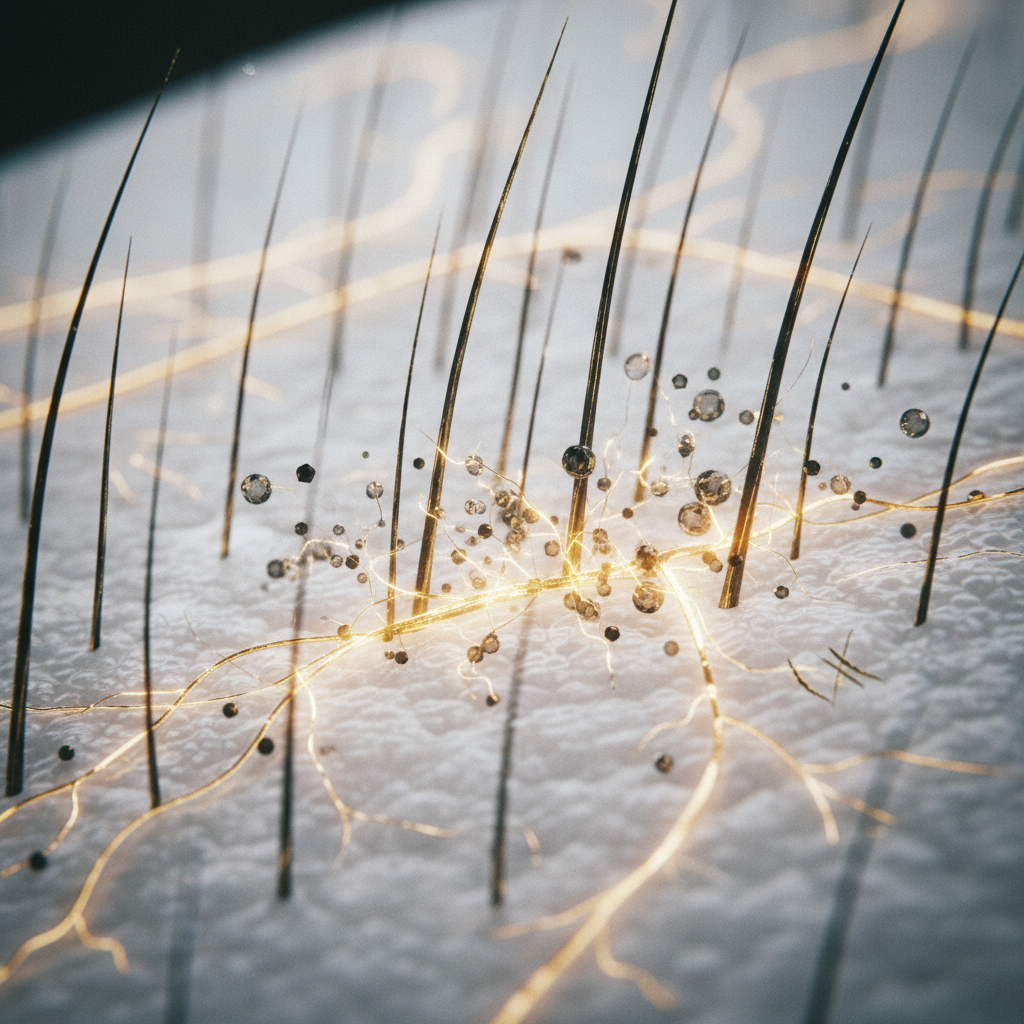
- Microbial dysbiosis and barrier permeability: Malassezia lipases break down neutral sebum triglycerides into irritating free fatty acids. If your scalp barrier is already weakened, these fatty acids breach the stratum corneum, activating unmyelinated C-nerve fibres in the dermis.
- Histaminergic pathway: Classic allergic contact dermatitis (often triggered by paraphenylenediamine in hair dyes, synthetic fragrances, or high concentrations of methylisothiazolinone) triggers mast cell degranulation. This releases histamine, which binds to H1 receptors on peripheral nerve terminals.
- Non-histaminergic pathway (Proteinase-activated receptors): In dry or irritated skin, endogenous proteinases stimulate PAR-2 receptors on epidermal keratinocytes and nerves, prompting itch sensations that oral antihistamines fail to suppress.
- Neuropathic itch: Conditions such as notalgia paraesthetica or cervical spine compression can manifest as localised scalp pruritus, burning, or tingling without visible skin lesions. This is known as trichodynia or neurogenic dysaesthesia.
Comparing common causes of scalp pruritus
| Condition | Visual signs on the scalp | Primary biological driver | Proven management approach |
|---|---|---|---|
| Seborrhoeic dermatitis | Greasy yellow/white flakes, pinkish base | Malassezia overgrowth; lipid oxidation | Ketoconazole, piroctone olamine, salicylic acid |
| Scalp xerosis (dryness) | Fine, dry white powder; dull skin texture | Barrier lipid deficiency; elevated TEWL | Gentle pH-balanced washes, humectants (panthenol, aloe) |
| Allergic contact dermatitis | Sharp redness, micro-vesicles, swelling | Type IV delayed hypersensitivity | Allergen elimination, mild topical hydrocortisone |
| Scalp psoriasis | Well-demarcated silvery-white plaques | Autoimmune keratinocyte hyperproliferation | Coal tar, keratolytic agents, prescription vitamin D analogues |
| Neuropathic pruritus | Clear scalp with no visible rash or scale | Sensory nerve hypersensitivity | Capsaicin, neuro-modulating topicals, systemic nerve agents |
Practical steps: what you can do
Taking control of scalp pruritus requires a methodical routine focused on gentle cleansing, barrier maintenance, and non-destructive styling:
- Cleanse with a skin-friendly pH: Wash your hair with a cleanser formulated between pH 4.5 and 5.5. This preserves the acid mantle, preventing bacterial colonization and enzymatic breakdown of structural ceramides.
- Introduce targeted clarifying washes: Use a clarifying, antimicrobial scalp shampoo two to three times a week. Let the active lather sit on your scalp skin for 3 to 5 minutes before rinsing so the active agents can penetrate the follicle openings.
- Rinse with lukewarm water: Hot water strips vital stratum corneum lipids and triggers vasodilation, which fires up sensory nerves. Keep shower water between 36°C and 38°C.
- Dry the scalp promptly: Leaving thick hair wet for hours creates a warm, high-humidity microclimate at the root level, encouraging fungal overgrowth. Gently blot hair with a microfibre towel and diffuse or blow-dry on a low, cool setting until the root area is dry.
- Stop mechanical scratching: Scratching weakens follicle anchors and snaps hair fibres near the root, mimicking thinning. If the urge to scratch strikes, press the flat pad of your finger firmly against the area instead of using your nails.
Supporting the scalp environment with Watermans
When addressing scalp pruritus linked to environmental build-up, dry skin, or product congestion, a well-formulated, nutrient-dense topical formula supports optimal scalp comfort. Watermans Grow More Elixir is a concentrated leave-in scalp treatment designed to improve the condition of the follicular environment. Formulated with soothing botanicals like aloe vera, lupin protein, rosemary extract, and allantoin, it provides lightweight hydration directly to the scalp barrier without leaving greasy residues that upset the microflora. Incorporating a non-greasy elixir into your post-wash routine helps cool surface dryness and creates an ideal foundation for healthy-looking hair.
When to seek professional medical advice
While everyday flaking and occasional mild dryness respond well to cosmetic adjustments, you should consult a doctor, dermatologist, or qualified trichologist if you notice any of the following:
- Intense itching that disrupts your sleep or interferes with daily tasks.
- Oozing crusts, yellow weeping sores, or painful pustules around the hair follicles, which point to bacterial folliculitis.
- Firm, thick plaques with bleeding pinpoints when scales are lifted (Auspitz's sign, common in psoriasis).
- Localised hair shedding, diffuse thinning, or patchy hair loss alongside the itching.
- Scalp tenderness accompanied by neck stiffness or shooting pains along the head and neck.
Frequently asked questions about How to Treat Scalp Pruritus
How to treat scalp pruritus caused by sudden weather changes?
Cold, dry winter air reduces skin moisture levels, raising trans-epidermal water loss and causing xerotic itching. Switch to a mild, sulphate-free, acidic cleanser (pH 5.0 to 5.5) rich in humectants like glycerin and panthenol. Avoid very hot showers and apply a light, water-based leave-in scalp tonic to lock in hydration without feeding scalp yeasts.
Can washing my hair every day help scalp pruritus?
Yes, for many people. Daily or alternate-day cleansing removes accumulated sebum, sweat salts, and dead skin cells that trigger inflammatory pathways. As long as you use a gentle, low-pH shampoo that does not strip natural barrier lipids, regular washing reduces the microbial load and calms the urge to scratch.
Does scalp pruritus cause permanent hair loss?
Pruritus itself does not damage the hair follicle, but vigorous, repetitive scratching certainly can. Aggressive fingernail scratching causes mechanical hair breakage along the shaft and can tear hair fibres from the root sheath. In severe cases, chronic scratching introduces secondary bacterial infections that damage the follicle, leading to temporary shedding or, rarely, permanent scarring.
Why does my scalp itch more at night?
Skin temperature naturally rises at night, while your body's anti-inflammatory corticosteroid production dips. At the same time, trans-epidermal water loss peaks during sleep. Together, these physiological shifts lower your sensory itch threshold. Lying against a non-breathable pillow can also trap heat and sweat, further irritating the nerve endings.
The path to a balanced, comfortable scalp
Discovering how to treat scalp pruritus requires moving away from aggressive physical scrubbing and toward steady, targeted care. By respecting the natural skin barrier, selecting cleansers that preserve an acidic pH, and targeting yeast or allergen triggers directly, you break the destructive itch-scratch cycle. Consistent, educated care transforms an irritated, flaking scalp into a calm, hydrated environment where hair can look and feel its best.
Sources and references
- British Association of Dermatologists. (2020). Seborrhoeic Dermatitis: Patient Information Leaflet. BAD Guidelines.
- National Institute for Health and Care Excellence (NICE). (2022). Psoriasis: Assessment and Management. Clinical Guideline CG153.
- Borda, L. J., & Wikramanayake, T. C. (2015). Seborrheic Dermatitis and Dandruff: A Comprehensive Review. Journal of Clinical and Investigative Dermatology, 3(2), 10.
- Misery, L., et al. (2011). Sensitive Scalp: Does This Condition Exist? An Epidemiological Approach. Contact Dermatitis, 58(4), 234-238.
- Gaitanis, G., et al. (2012). The Malassezia Genus in Skin and Systemic Diseases. Clinical Microbiology Reviews, 25(1), 106-141.
Find these ingredients in Watermans products
- Zinc: you will find this ingredient in our Hair Vitamins.
- Castor Oil: you will find this ingredient in our Camellia & Black Castor Hair & Body Oil.
- Panthenol (Provitamin B5): you will find this ingredient in our Heat Protection Spray.
- Aloe Vera: you will find this ingredient in our Curly Hair Conditioner.