Hair Shaft Anatomy and Cortical Structure: The Scientific Guide
10 min read ·
Explore the essentials of Hair Shaft Anatomy and Cortical Structure, examining cuticle layers, keratin microfibrils, and the bonds that govern hair strength.
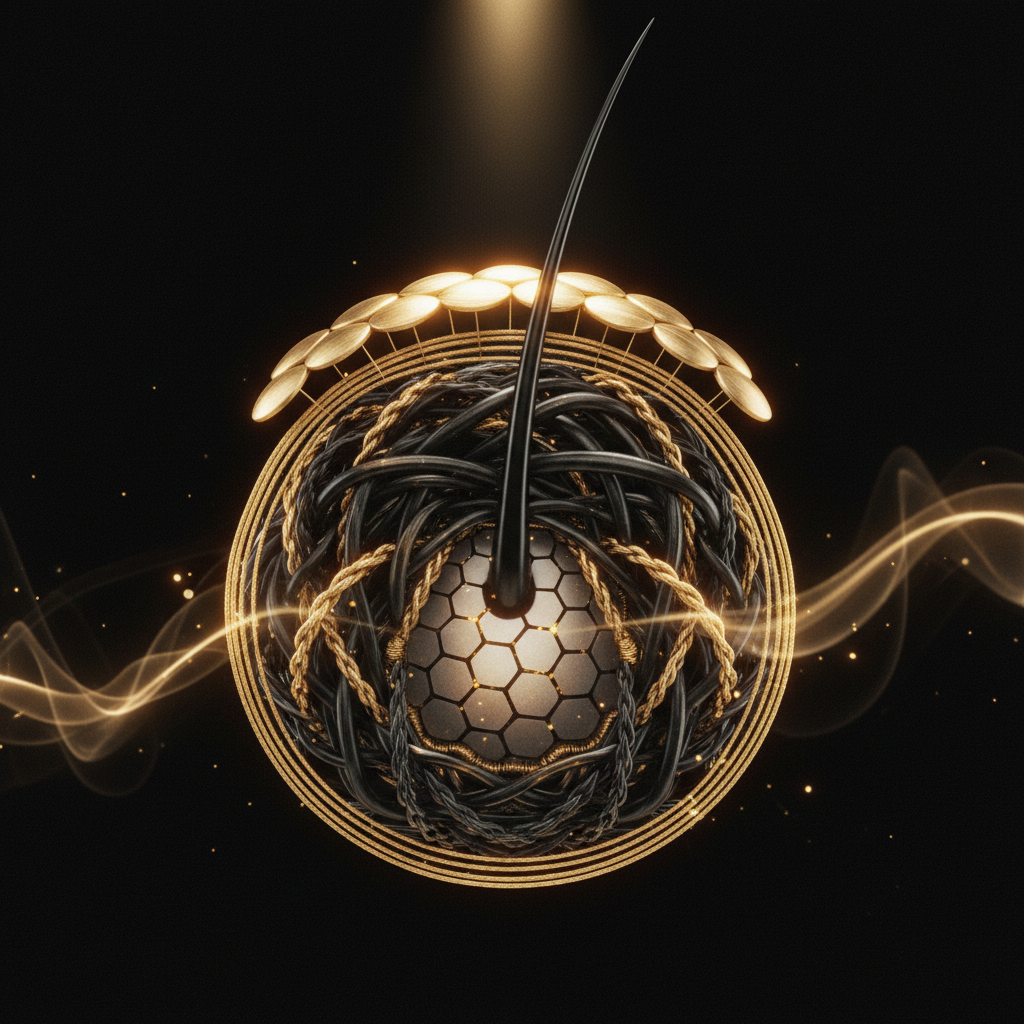
Quick answer: Understanding Hair Shaft Anatomy and Cortical Structure reveals the mechanical and chemical blueprint of human hair. The hair shaft consists of three primary concentric layers: the outer protective cuticle, the central load-bearing cortex, and the innermost medulla. The cortex makes up approximately 80 to 90 percent of the total fibre weight, housing the keratin proteins, disulfide bonds, and melanin pigments that determine tensile strength, elasticity, and colour. However, cosmetic treatments cannot rebuild severed cortical bonds permanently; they can only reinforce the existing structure temporarily.
Key takeaways
- The hair shaft consists of an outer protective cuticle, a substantial inner cortex, and an occasional central medulla.
- Cortical structure accounts for roughly 85 percent of a hair fibre's total mass, dictating mechanical strength and moisture retention.
- Intermediate filament keratins inside the cortex are rich in cystine, forming rigid disulfide covalent bonds that resist environmental wear.
- The cortex houses eumelanin and pheomelanin, the natural pigments responsible for all natural hair shades.
- Chemical processing (bleaching, relaxing, permanent waving) targets cortical bonds directly, creating permanent architectural alterations.
- Hair fibres are biologically non-living tissue; damage sustained within the cortex cannot self-repair through cellular regeneration.
Hair Shaft Anatomy and Cortical Structure: what the evidence shows
Textile and cosmetic research into Hair Shaft Anatomy and Cortical Structure shows that the human hair fibre is an intricate natural composite. Far from being a simple dead thread, each strand is an engineered biopolymer.
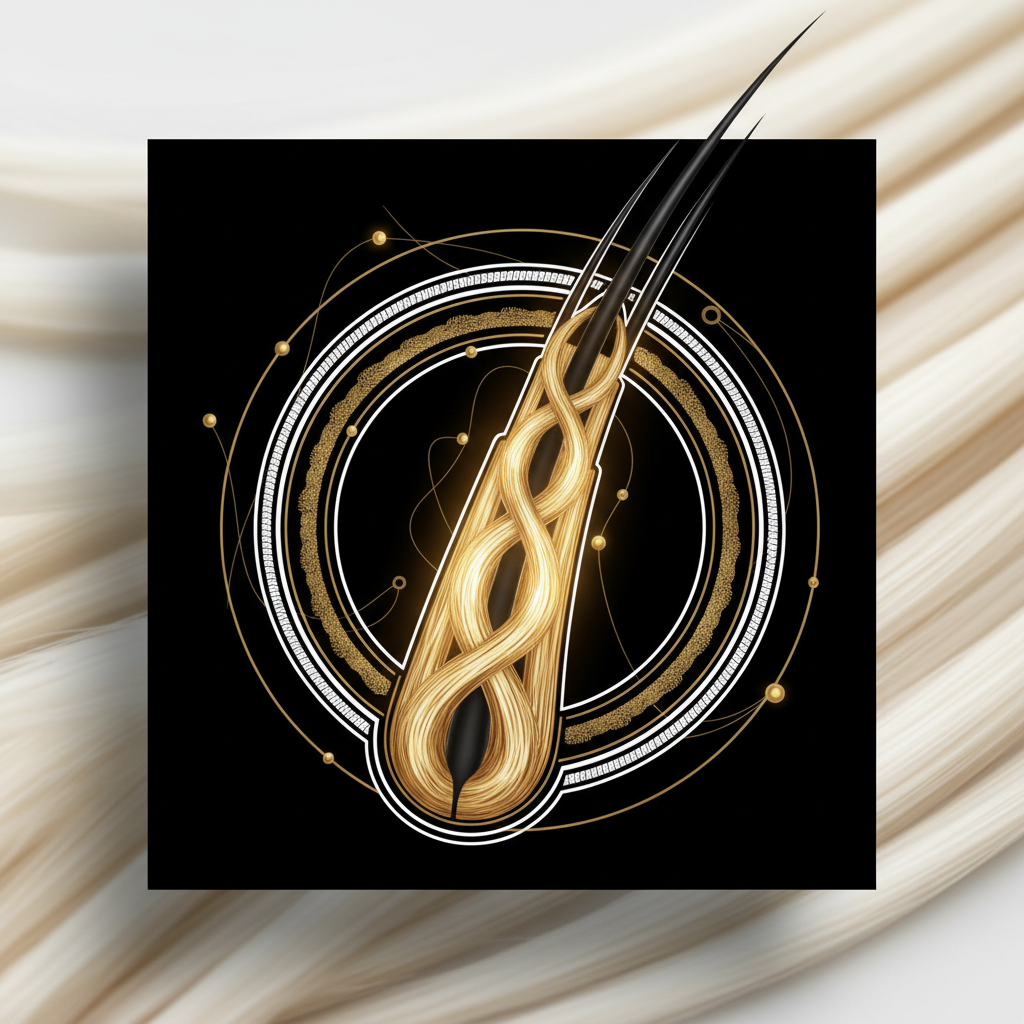
Cross-Section of a Human Hair Fibre:
+-------------------------------------------------------------+
| 1. CUTICLE (5 to 10 overlapping cellular layers) |
| +-------------------------------------------------------+ |
| | 2. CORTEX (80 to 90% of total fibre mass) | |
| | * Macrofibrils -> Microfibrils -> Keratin Dimers | |
| | * Disulfide, salt, and hydrogen cross-links | |
| | * Eumelanin and pheomelanin pigment granules | |
| | +-------------------------------------------------+ | |
| | | 3. MEDULLA (Porous core; absent in fine hair) | | |
| | +-------------------------------------------------+ | |
| +-------------------------------------------------------+ |
+-------------------------------------------------------------+
1. The Cuticle: The Protective Exterior
The cuticle functions as the primary barrier protecting the internal machinery of the hair. It consists of 5 to 10 overlapping scales that point outward toward the tip. Each scale is roughly 0.3 to 0.5 micrometres thick.
Chemically, the cuticle features a lipid-rich outer coat known as the 18-methyleicosanoic acid (18-MEA) layer, also referred to as the F-layer. This hydrophobic lipid barrier repels water, prevents cortical swelling, and reduces mechanical friction during combing. Beneath the F-layer sit three distinct sub-layers: the protein-dense epicuticle, the heavily cross-linked exocuticle, and the softer, hydrolysable endocuticle.
2. The Cortex: The Mechanical Engine
The cortex constitutes 80 to 90 percent of the hair fibre's bulk. It governs almost every physical property stylists and consumers interact with, including tensile strength, elasticity, curl retention, and baseline hydration.
The architecture of the cortex is organised in a descending hierarchy:
- Cortical cells (fusiform cells): Spindle-shaped cells measuring 80 to 100 micrometres in length, aligned parallel to the fibre axis.
- Macrofibrils: Cylindrical bundles packed tightly inside each cortical cell, measuring roughly 0.1 to 0.4 micrometres in diameter.
- Microfibrils (Intermediate Filaments): Crystalline, low-sulfur alpha-helical protein cables nestled inside the macrofibrils.
- The Interfilamentous Matrix: An amorphous, high-sulfur protein gel that surrounds the microfibrils, heavily packed with cystine-rich matrix proteins.
The cortical cells are glued together by the cell membrane complex (CMC). The CMC contains intercellular lipids and proteins that allow the fibre to bend without shearing apart.
3. The Medulla: The Core Channel
At the centre of medium to coarse hair shafts lies the medulla. Composed of specialised, sponge-like cells containing pockets of air and structural trichohyalin, the medulla makes up an unpredictable proportion of the fibre. Fine hair often lacks a medulla entirely. Modern dermatology has not found any significant structural, tensile, or moisture-regulating contribution from the medulla; its primary function appears to be negligible thermal insulation.
The molecular bonds within cortical structure
The physical integrity of the hair relies on three types of chemical bonds linking the polypeptide chains within the cortex:
- Disulfide bonds: Covalent links formed between two sulfur atoms from adjacent cystine amino acid units. Accounting for the permanent shape of the hair, disulfide bonds are extremely resilient. They do not break in water or mild heat, requiring strong chemical agents (such as thioglycolates, hydroxides, or alkaline persulfates) to cleave them.
- Salt bonds (ionic bonds): Electrostatic links between positive amino groups and negative carboxyl groups on adjacent protein chains. They are pH-dependent. At the hair's natural isoelectric point (pH 3.67 to 5.5), salt bonds are at their strongest. Alkaline environments (pH above 7.0) destabilise them, leading to swelling of the cortex.
- Hydrogen bonds: Weak physical bonds formed between polar oxygen and hydrogen atoms. While individually fragile, they exist in vast quantities. Hydrogen bonds break instantly in the presence of water, which is why wet hair stretches further than dry hair and why heat-styling tools can temporarily reshape hair until atmospheric humidity resets the bonds.
| Structural Layer | Main Component | Primary Chemical Bonds | Practical Function |
|---|---|---|---|
| Cuticle (F-Layer / Scales) | Keratin, 18-MEA lipids | Thioester bonds, hydrophobic interactions | Friction reduction, water repellence, cortex defence |
| Cell Membrane Complex | Lipids (ceramides, sterols), proteins | Hydrophobic and electrostatic forces | Binds cuticle scales and cortical cells together |
| Cortex (Intermediate Filaments) | Alpha-helical low-sulfur keratins | Peptide bonds, hydrogen bonds | Longitudinal tensile strength, elasticity |
| Cortex (Matrix) | High-sulfur and high-glycine-tyrosine proteins | Disulfide covalent cross-links | Rigidity, torsional stability, moisture retention |
| Cortical Granules | Eumelanin and Pheomelanin | Conjugated aromatic polymers | Colour absorption, UV filtration |
| Medulla | Trichohyalin, structural lipids, air gaps | Weak hydrogen bonds, cross-linked isopeptide | Minimal; adds negligible weight or thermal resistance |
What the evidence does not show
There are several persistent misconceptions regarding cortical architecture that cosmetic science does not support:
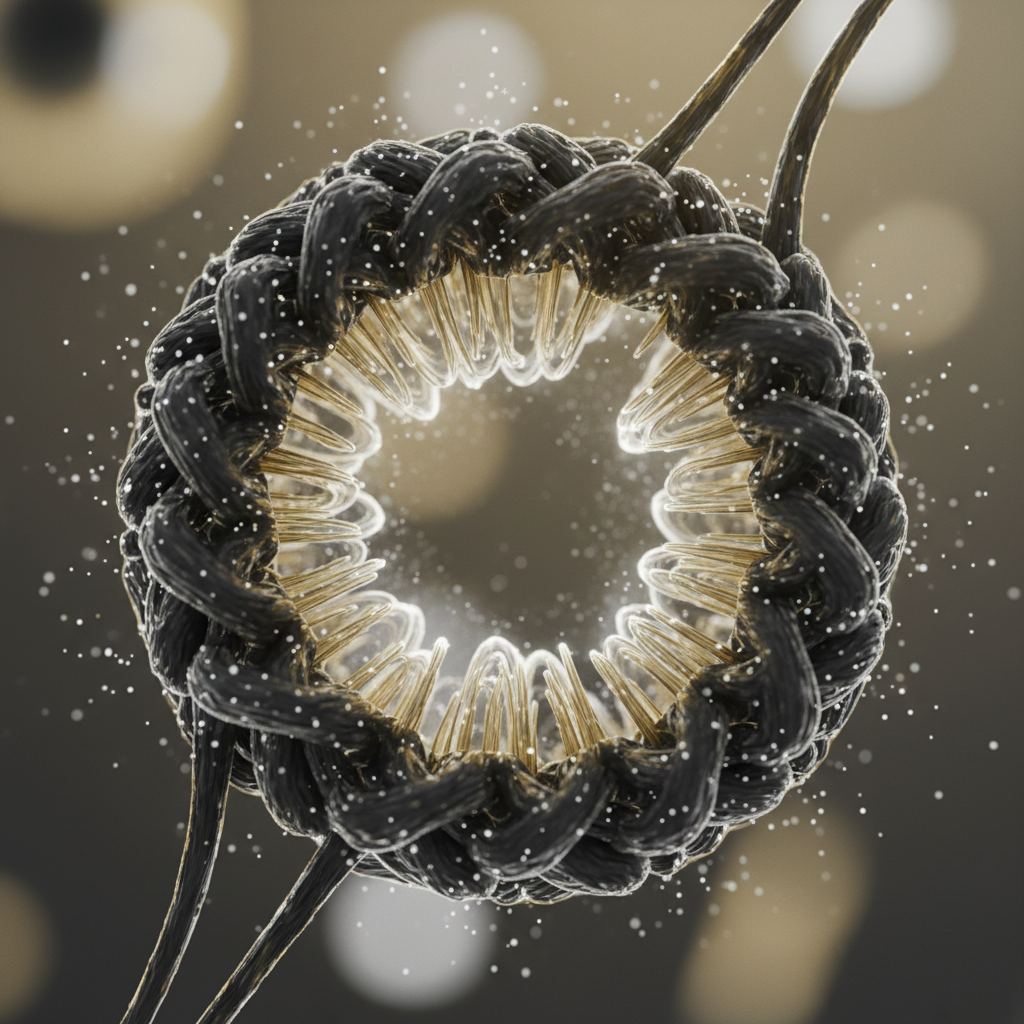
- Cosmetics cannot revive "dead" cortical tissue: The hair shaft consists of fully cornified, non-viable biological material. Once it emerges from the follicular canal through the scalp, it has no living cells, blood supply, or metabolic capacity. Products claiming to "heal" or "resurrect" broken cortical bonds work through surface smoothing, cosmetic conditioning, or temporary chemical bridge formation. They do not initiate biological cellular repair.
- Bond-builders do not restore original virgin strength: While cross-linking technologies can form artificial links between damaged keratin sites, tensile testing shows they do not return severely bleached or relaxed hair to its original, unprocessed elastic modulus.
- Breakage is not follicular hair loss: Damage to the cortex results in mechanical fibre breakage (snapping). It has no direct connection to follicular hair loss (such as androgenetic alopecia) or hair shedding (telogen effluvium). A hair that snaps midway along the shaft has suffered cortical failure, not a root-level cessation of growth.
How mechanical, thermal, and chemical stress degrades the cortex
Cortical integrity can be compromised through several external mechanisms:
Alkaline Swelling and Chemical Degradation
When hair encounters an alkaline substance, such as professional bleach powders (pH 10 to 11) or chemical relaxers (pH 12 to 14), hydroxide or ammonia ions force the cuticle scales open. The cortex swells dramatically as water and alkaline agents rush in.
Bleaching agents oxidise melanin to lighten hair, but they also indiscriminately oxidise cystine, converting vital disulfide bonds into cysteic acid. Once cysteic acid forms, the natural sulfur cross-link is permanently lost. This leaves the intermediate filaments unsupported, dropping the fibre's tensile strength and creating a spongy feel when wet.
Thermal Denaturation
Heat styling tools operated above 150°C begin to degrade the alpha-helical structures inside the cortex. Temperatures exceeding 200°C can melt the crystalline keratin matrix, convert moisture trapped inside the cortex into expanding steam (causing "bubble hair" voids), and disintegrate the protective 18-MEA cuticle layer.
Wet Combing and Mechanical Fatigue
Hair can absorb up to 30 percent of its dry weight in water, expanding roughly 16 percent in diameter but only 1 to 2 percent in length. When swollen with water, hydrogen bonds disconnect, cutting the hair's wet tensile threshold substantially. Forceful detangling of wet strands stretches the cortical macrofibrils past their elastic limit (roughly 30 percent elongation), yielding permanent deformation and eventual fracture.
How to support and preserve cortical integrity
To keep the cortex protected, your daily regimen should focus on preserving the cuticle and minimising destructive swelling:
- Maintain an acidic pH balance: Use shampoos and conditioners formulated close to the hair's natural isoelectric zone (pH 4.5 to 5.5). Acidic formulas prevent unnecessary cortical swelling and keep cuticle scales laid flat.
- Apply heat protection: Film-forming polymers and silicones slow heat transfer into the cortex, shielding internal moisture from violent vaporisation.
- Replenish lost surface lipids: Applying light botanical oils (like argan or coconut) helps replace damaged 18-MEA, lubricating the fibre and reducing the mechanical pull on inner cortical cells. Coconut oil, due to its low molecular weight and linear structure, can also penetrate partially into the cortex to reduce protein loss during washing.
- Detangle gently from ends to roots: Always use a wide-tooth comb or flexible-bristle brush, detangling progressively upward to avoid concentrating force on mid-shaft cortical fibres.
When the cause may be something else
If your hair feels brittle, straw-like, or snaps under minor pressure despite minimal heat and chemical exposure, internal factors during follicular development may be the culprit:
- Nutritional deficiencies: Keratin synthesis inside the follicle demands specific sulfur-rich amino acids (methionine, cysteine), alongside iron, zinc, and vitamin D. Chronic dietary restriction can yield a poorly formed cortical matrix before the hair even surfaces.
- Structural hair disorders: Conditions like trichorrhexis nodosa (node-like cortical fractures), monilethrix (beaded hair), or pili torti (twisted shafts) are structural genetic or acquired variations that make the cortex naturally fragile.
- Thyroid dysfunction: Both hypothyroidism and hyperthyroidism disrupt the synthesis of structural proteins in the follicle, leading to coarse, dry, easily fractured hair shafts.
If you notice sudden widespread breakage without a clear cosmetic cause, consulting a dermatologist or qualified trichologist is recommended.
Supporting the hair foundation: The Watermans approach
While cosmetic products work outside the scalp on the non-living shaft, long-term hair quality begins within the living follicle before the cortex cornifies. Watermans focuses on scalp vitality, using nutrient-rich blends containing rosemary extract, biotin, caffeine, argan oil, and hydrolyzed lupin protein.
Products like Watermans GrowMe Shampoo provide an invigorating, pH-balanced wash that respects the external scalp environment. Meanwhile, conditioning formulas supply protective hydrolysed proteins to help coat and reinforce vulnerable cuticles, reducing mechanical breakage along the shaft.
Frequently asked questions about Hair Shaft Anatomy and Cortical Structure
What is the primary difference between the cuticle and the cortex?
The cuticle is the outermost protective shield, made of 5 to 10 overlapping scales designed to deflect friction and water. The cortex is the substantial inner core, comprising roughly 85 percent of the fibre's weight. While the cuticle protects the strand from external wear, the cortex provides all tensile strength, elasticity, and natural pigment.
How does chemical bleaching change Hair Shaft Anatomy and Cortical Structure?
Bleaching requires high pH agents to swell and lift the outer cuticle scales, allowing persulfates to access the inner cortex. Inside the cortex, the bleach oxidises melanin pigments to lighten colour. In doing so, it also oxidises cystine, permanently breaking structural disulfide bonds into cysteic acid and weakening the mechanical core of the hair shaft.
Can split ends be repaired back into the cortical structure?
No. Split ends (trichoptilosis) occur when the protective cuticle wears away completely, causing the parallel macrofibril bundles within the cortex to unravel. Because hair is biologically non-living tissue, these unraveled fibres cannot mend themselves. Cosmetic serums can temporarily glue the split fibres together until the next wash, but only trimming removes the damage.
Does fine hair have the same cortical layers as coarse hair?
Fine hair contains the same fundamental cuticle and cortex layers as coarse hair, but with a significantly smaller cortical diameter and fewer macrofibril bundles. Furthermore, fine hair often lacks a central medulla entirely. Coarse hair has a much wider cortex and usually features a continuous or interrupted medulla.
Why does human hair stretch when wet without snapping?
Water penetrates the porous cuticle and breaks the weak hydrogen bonds bridging the keratin intermediate filaments in the cortex. This temporarily unlocks the protein coils, allowing them to stretch up to 30 percent beyond their dry length. Once the hair dries, the hydrogen bonds reform in their original orientation, pulling the cortex back to its baseline shape.
Understanding your hair from core to cuticle
Understanding Hair Shaft Anatomy and Cortical Structure changes how you handle your hair daily. The cortex gives hair its bounce, shape, and strength, but it depends entirely on a healthy cuticle to survive heat, chemicals, and physical friction. By respecting the hair's acidic pH, handling wet strands gently, and keeping external stress to a minimum, you protect the intricate protein architecture that keeps hair strong and resilient over time.
Sources and references
- Robbins, C. R. (2012). Chemical and Physical Behavior of Human Hair. 5th ed. Springer Science & Business Media.
- Cruz, C. F., et al. (2016). Human Hair Keratin: A Review on Structure, Properties, and Applications. International Journal of Molecular Sciences, 17(10), 1667.
- Dawber, R. (1996). Hair: Its structure and response to cosmetic preparations. Clinics in Dermatology, 14(1), 105-112.
- Swift, J. A. (1999). The human hair cuticle: clinical and cosmetic aspects. International Journal of Cosmetic Science, 21(4), 227-239.
- Wolfram, L. J. (2003). Human hair: A unique physicochemical composite. Journal of the American Academy of Dermatology, 48(6), S106-S114.
Find these ingredients in Watermans products
- Zinc: you will find this ingredient in our Hair Vitamins.