How Hair Loss Relates to Scalp Health: The Complete Evidence-Based Guide
10 min read ·
Discover how hair loss relates to scalp health, exploring inflammation, the microbiome, and evidence-based ways to support optimal follicular growth.
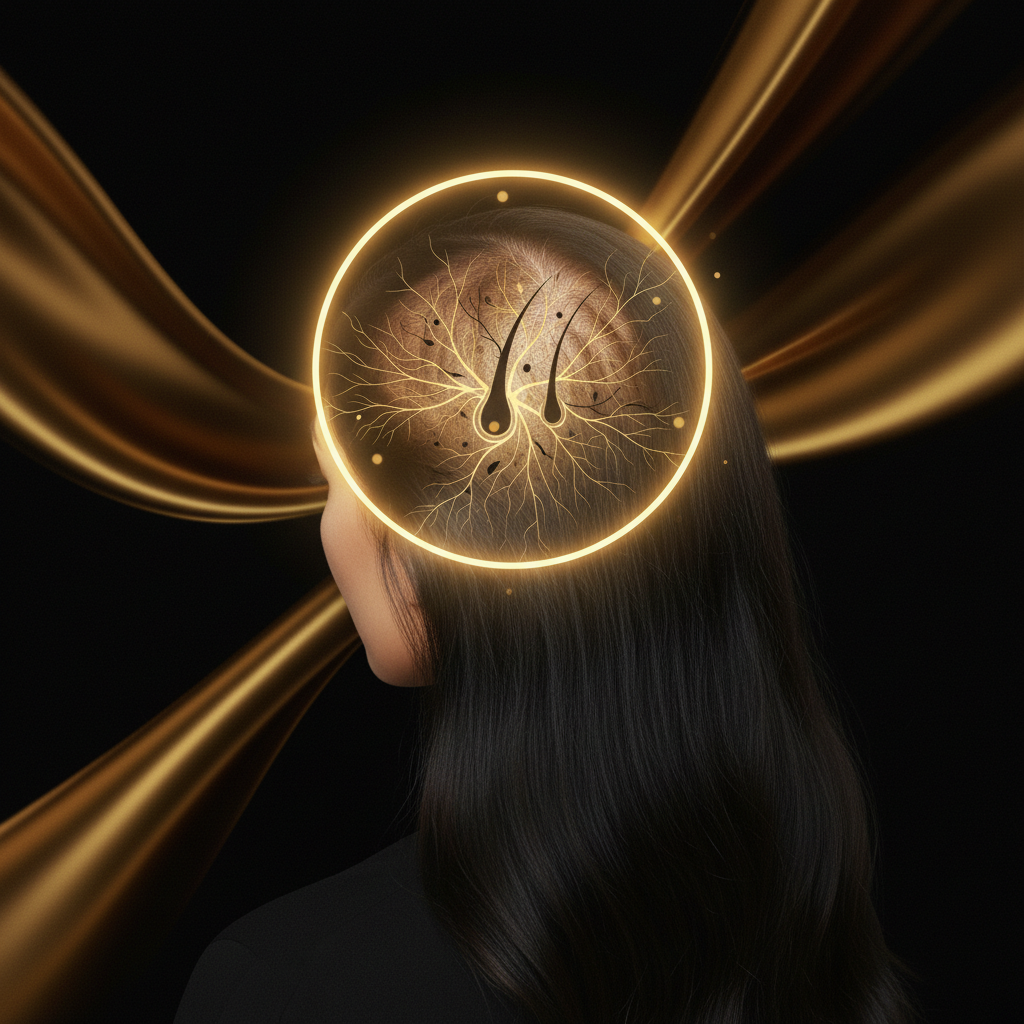
Quick answer: Understanding How Hair Loss Relates to Scalp Health starts with recognising the scalp as the biological soil for the hair follicle. Chronic scalp inflammation, oxidative stress, microbial imbalances like seborrhoeic dermatitis, and impaired microcirculation can disrupt follicle cycling, triggering premature shedding or worsening pattern miniaturisation. However, treating the scalp cannot reverse genetic alopecias or systemic hormonal shifts on its own, meaning topical scalp care supports follicular retention but rarely acts as a standalone cure for clinical hair loss.
Key takeaways
- The scalp functions as an active microenvironment where epidermal barrier integrity, sebum balance, and microbiome stability directly influence follicular growth cycles.
- Scalp conditions such as seborrhoeic dermatitis, psoriasis, and severe folliculitis induce oxidative stress and local inflammation that can prompt premature telogen shedding.
- True hair loss (follicular miniaturisation or scarring) must be distinguished from hair shedding (telogen effluvium) and hair breakage (cuticle fracture along the shaft).
- While cosmetic scalp care optimises the environment for hair growth and reduces fibre breakage, it does not alter internal genetic mechanisms driving androgenetic alopecia.
- Persistent scaling, burning, pustules, or sudden patchy loss require clinical trichological or dermatological investigation rather than self-treatment.
How Hair Loss Relates to Scalp Health: what the evidence shows
Research published in the International Journal of Trichology and the British Journal of Dermatology demonstrates that follicular health depends heavily on the condition of the surrounding skin tissue. When examining How Hair Loss Relates to Scalp Health, dermatologists look at oxidative stress in the follicle niche. An unhealthy scalp environment, marked by unmanaged sebum build-up, Malassezia yeast overgrowth, and perturbed epidermal barrier function, generates free radicals and reactive oxygen species.
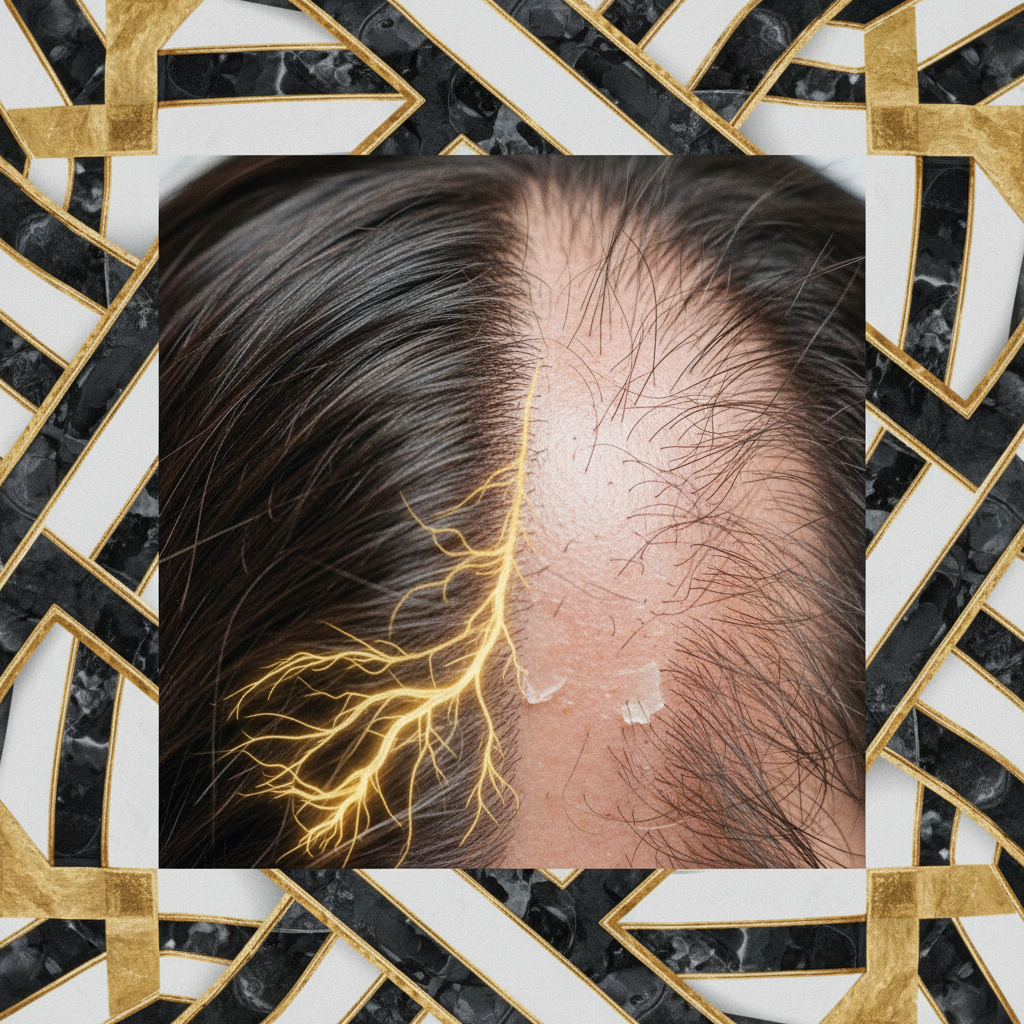
These inflammatory mediators penetrate the infundibulum (the upper part of the hair follicle canal). Chronic low-grade inflammation at this site can signal growing anagen follicles to transition prematurely into the catagen (regression) and telogen (resting) phases. This mechanism accelerates diffuse daily shedding, a process termed telogen effluvium.
In genetic thinning, known as androgenetic alopecia, dihydrotestosterone (DHT) drives follicle miniaturisation. While the primary driver is genetic sensitivity to hormones, studies show that micro-inflammation in the scalp tissue often co-exists with androgenetic alopecia. This secondary inflammation accelerates the rate at which follicles shrink, leading to faster cosmetic thinning than genetics alone would dictate.
Crucial distinctions: hair loss, shedding, and breakage
To diagnose and manage changes in your hair density, you must understand three separate biological occurrences that are often confused:
- Hair loss (alopecia): Follicular changes where the hair follicle either shrinks progressively until it produces only invisible vellus hair (androgenetic alopecia) or suffers autoimmune or scarring destruction (alopecia areata, lichen planopilaris).
- Hair shedding (telogen effluvium): The premature detachment and expulsion of terminal hairs from resting follicles, usually triggered by physiological shocks, nutritional deficits, high fever, or severe scalp inflammation.
- Hair breakage: Mechanical, heat, or chemical fracture across the hair shaft. The follicle remains entirely unaffected in the scalp; the strand simply snaps due to structural weakness.
A compromised scalp primarily causes or aggravates hair shedding and hair breakage, rather than causing permanent follicular loss, unless a destructive inflammatory disease (scarring alopecia) is present.
| Condition / Symptom | Primary biological site | Typical impact on hair | Reversibility with topical scalp care |
|---|---|---|---|
| Seborrhoeic Dermatitis | Epidermis, sebum glands, microbiome | Increased telogen shedding; diffuse thinning | High; clearing inflammation restores cycling |
| Scalp Psoriasis | Hyperproliferative epidermis | Localised shedding due to thick crusting and plaques | Moderate; clears once plaques are controlled |
| Folliculitis | Upper follicle canal (infundibulum) | Pustules, localised shedding, potential scarring if deep | High if treated early; permanent if scarring occurs |
| Androgenetic Alopecia | Dermal papilla, androgen receptors | Progressive miniaturisation and reduction in diameter | Low; topical care supports condition, not genetic reversal |
| Cuticular Weathering | Hair shaft (cortex and cuticle) | Snapping, reduced density at ends, split tips | Addressed by conditioning, not scalp follicle treatments |
Biological mechanisms connecting the scalp to the follicle
Three core physiological systems govern the relationship between scalp integrity and hair retention:
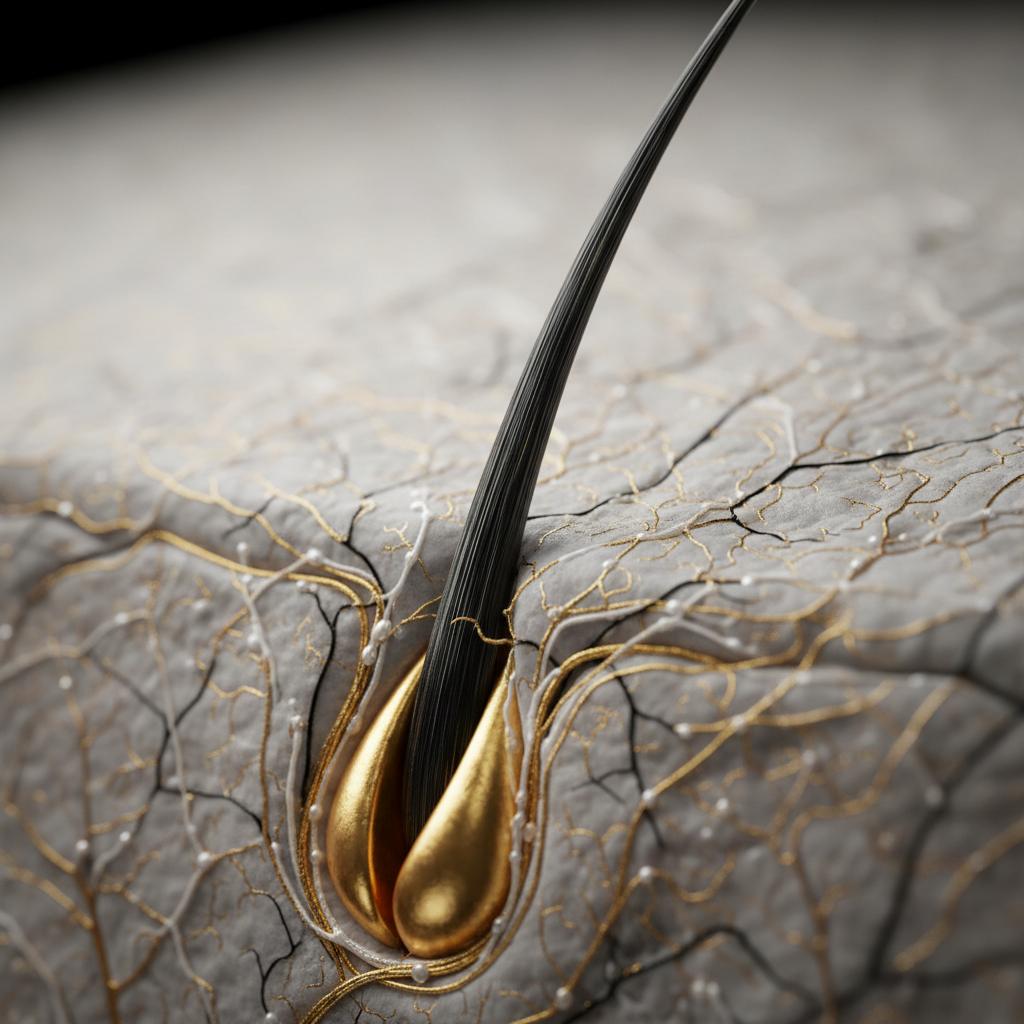
1. The scalp microbiome and lipid peroxidation
The scalp hosts a complex balance of bacteria (predominantly Cutibacterium acnes and Staphylococcus epidermidis) and fungi (Malassezia species). When sebum production rises or cleansing is irregular, Malassezia globosa and Malassezia restricta metabolise sebum triglycerides into free fatty acids, specifically oleic acid. In sensitive individuals, this degrades the skin barrier, allowing irritants to penetrate. The resulting lipid peroxidation releases inflammatory cytokines (interleukins IL-1alpha, IL-6, and TNF-alpha), which can weaken the anchoring of the hair fibre inside the follicle sheath.
2. Microcirculation and oxygen delivery
Hair matrix cells divide faster than almost any other cells in the human body. This rapid proliferation demands a steady supply of oxygen, amino acids, and micronutrients. The microvasculature of the scalp, woven throughout the dermis, feeds the dermal papilla. Chronic scalp tightness, fibrosis, or untreated dermal inflammation can compromise capillary efficiency, reducing nutrient flow during the demanding anagen phase.
3. Barrier function and natural scalp pH
A healthy scalp maintains a slightly acidic pH between 4.5 and 5.5. This acid mantle keeps the cutaneous microbiome balanced and ensures normal desquamation (shedding of dead skin cells). Alkaline shampoos or harsh environmental conditions disrupt this barrier, leading to transepidermal water loss, pruritus (itching), and subsequent scratching. Mechanical trauma from scratching damages both the outer hair cuticle and the delicate follicular ostia, resulting in combined breakage and shedding.
Common signs of an unhealthy scalp environment
Identifying poor scalp health early helps safeguard hair retention before excessive shedding occurs:
- Erythema: Persistent redness across parts or all of the scalp surface.
- Flaking: Either fine, dry white flakes or thick, yellowish, greasy scales that adhere to the roots.
- Pruritus and tenderness: Regular itching, burning sensations, or soreness when touching the roots or moving the hair.
- Seborrhoea: Excessive oiliness appearing within hours of washing, often accompanied by an unpleasant odour caused by oxidised sebum.
- Pustules or crusts: Small pimples around the base of individual follicles.
Evidence-based scalp care steps to support hair health
Maintaining an optimal scalp environment involves regular cleansing, barrier support, and gentle stimulation:
- Cleanse systematically: Wash your scalp at least two to four times weekly, or daily if you have an oily scalp. Leaving sebum, styling residues, and pollution to accumulate on the skin surface drives microbial overgrowth and follicular inflammation.
- Maintain appropriate pH: Use shampoos formulated near the scalp's natural pH of 4.5 to 5.5 to preserve the skin barrier and prevent cuticle swelling.
- Use active scalp botanicals and stimulants: Incorporate topical formulations featuring ingredients with verified soothing, anti-inflammatory, or circulation-stimulating properties. Rosemary leaf extract, caffeine, biotin, and niacinamide have demonstrated support for scalp blood flow and general hair vitality.
- Gentle manual stimulation: Daily two to four minute scalp massage using light, circular pad pressure helps promote local blood flow and relieves dermal tension without causing mechanical friction.
- Avoid aggressive exfoliation: Physical scalp scrubs with jagged particles can cause micro-tears in the delicate scalp skin. Mild chemical exfoliants, like low-concentration salicylic acid (0.5 to 2.0 percent), dissolve sticky dead cells and excess sebum without abrasion.
Supporting the scalp: the role of Watermans formulations
When looking for daily products that respect the scalp environment while strengthening the hair, consider targeted formulations such as Watermans Grow Me Shampoo and Condition Me Conditioner.
Formulated without harsh sulphates that deplete natural barrier lipids, these products introduce caffeine, rosemary, biotin, and argan oil directly to the scalp during washing. While cosmetic shampoos cannot alter genetic pattern baldness or heal autoimmune conditions, using a balanced, nutrient-rich formula helps clear sebum build-up, soothes surface irritation, and leaves the scalp clean and revitalised. This provides an ideal physical environment for hair to grow unhindered while reducing premature breakage along the shaft.
When hair loss stems from internal causes
A flawless scalp routine cannot overcome internal medical triggers. You should suspect non-scalp causes when hair loss occurs alongside normal skin condition:
- Nutritional deficiencies: Inadequate ferritin (stored iron), vitamin D3, vitamin B12, or zinc levels directly limit keratin synthesis regardless of how healthy your scalp is.
- Endocrine shifts: Hypothyroidism, hyperthyroidism, polycystic ovary syndrome (PCOS), and postpartum hormonal drops frequently trigger acute shedding.
- Medication reactions: Blood thinners, antidepressants, retinoids, and chemotherapy drugs interfere with cellular division inside the hair bulb.
- Genetic androgen sensitivity: In classical female or male pattern thinning, the scalp often shows no visible flakes or redness; the process is mediated deep within the dermal papilla via 5-alpha reductase and androgen receptors.
When to seek professional advice
Consult a GP, dermatologist, or qualified trichologist if you notice:
- Sudden, patchy, coin-sized areas of hair loss appearing within days.
- Severe pain, swelling, or yellow, weeping discharge on the scalp.
- Scalp conditions that fail to respond to over-the-counter medicated shampoos after three to four weeks.
- Rapid, diffuse shedding of more than 150 to 200 hairs a day lasting longer than two months.
- Signs of scarring alopecias, such as shiny, smooth bald patches where follicular pores are no longer visible.
Frequently asked questions about How Hair Loss Relates to Scalp Health
How does dandruff cause hair shedding?
Dandruff itself does not sever the hair root. However, the underlying cause, an overproliferation of Malassezia yeasts feeding on sebum, creates inflammatory by-products that trigger oxidative stress inside the hair follicle. Furthermore, intense itching leads to vigorous scratching. This physical friction damages the delicate skin around the follicle collar and snaps hair fibres, resulting in noticeably elevated daily shedding until the inflammation is treated.
Can clearing up scalp inflammation reverse thinning hair?
If your hair thinning is driven primarily by telogen effluvium linked to seborrhoeic dermatitis or psoriasis, resolving the inflammation usually allows follicles to re-enter normal anagen growth within three to six months. However, in genetic androgenetic alopecia, How Hair Loss Relates to Scalp Health is a compounding factor rather than the sole cause; clearing scalp irritation will optimise the environment, but it will not permanently block systemic DHT.
Does washing your scalp every day cause hair loss?
No. Washing your scalp daily with a gentle, pH-balanced shampoo does not cause hair loss. The hairs you see gathering in the shower drain were already shed from their follicles days or weeks earlier during the telogen phase; the physical action of washing simply dislodges them. In fact, washing too infrequently can allow sebum and microbes to accumulate, worsening inflammation and shedding.
What is the ideal scalp pH for preventing hair issues?
The human scalp naturally rests at a mildly acidic pH between 4.5 and 5.5. Maintaining this acidity supports normal desquamation of dead skin cells and keeps the protective scalp microbiome in check. Products with an alkaline pH (above 6.5) can swell the hair shaft, dry out the scalp, and strip the acid mantle, leaving the tissue vulnerable to fungal overgrowth and irritation.
How can you tell if thinning is due to scalp health or genetics?
Scalp-related shedding typically presents alongside obvious epidermal symptoms like scaling, redness, greasy flakes, or localized itchiness, often causing diffuse loss across the entire head. Genetic hair loss, by contrast, follows distinct patterns (receding temples and crown thinning in men; widening partings in women) and usually occurs without noticeable scalp redness, scaling, or discomfort.
Maintaining perspective on scalp health and hair retention
Real progress begins with clarity on How Hair Loss Relates to Scalp Health. A clean, balanced, and uninflamed scalp is fundamental for optimal hair growth, reducing premature shedding episodes and guarding against structural breakage. Yet, scalp care is one crucial pillar alongside systemic nutrition, hormonal stability, and genetic management. By addressing surface inflammation with consistent hygiene and targeted botanicals, you establish the best biological foundation for fuller, healthier-looking hair.
Sources and references
- British Association of Dermatologists. Guidelines for the management of alopecia areata and telogen effluvium, 2021.
- International Journal of Trichology. Scalp Condition Impact on Hair Growth and Retention: Role of Oxidative Stress, 2018.
- Journal of the European Academy of Dermatology and Venereology. The Scalp Microbiome: Composition and Role in Skin Barrier Integrity, 2020.
- National Institute for Health and Care Excellence (NICE). Alopecia: Management and Assessment Clinical Knowledge Summaries, 2022.
- American Academy of Dermatology. Evaluating Hair Loss: Distinguishing Shedding, Breakage, and miniaturisation, 2023.
Find these ingredients in Watermans products
- Zinc: you will find this ingredient in our Hair Vitamins.
- Oleic Acid: you will find this ingredient in our Camellia & Black Castor Hair & Body Oil.
- Niacinamide: you will find this ingredient in our Hair Mask.