Hair Growth Serums and Treatments
5 min read ·
Hair growth serums and treatments are topical formulations designed to deliver active ingredients to the scalp and hair follicles, aiming to stimulate growth and improve hair density.
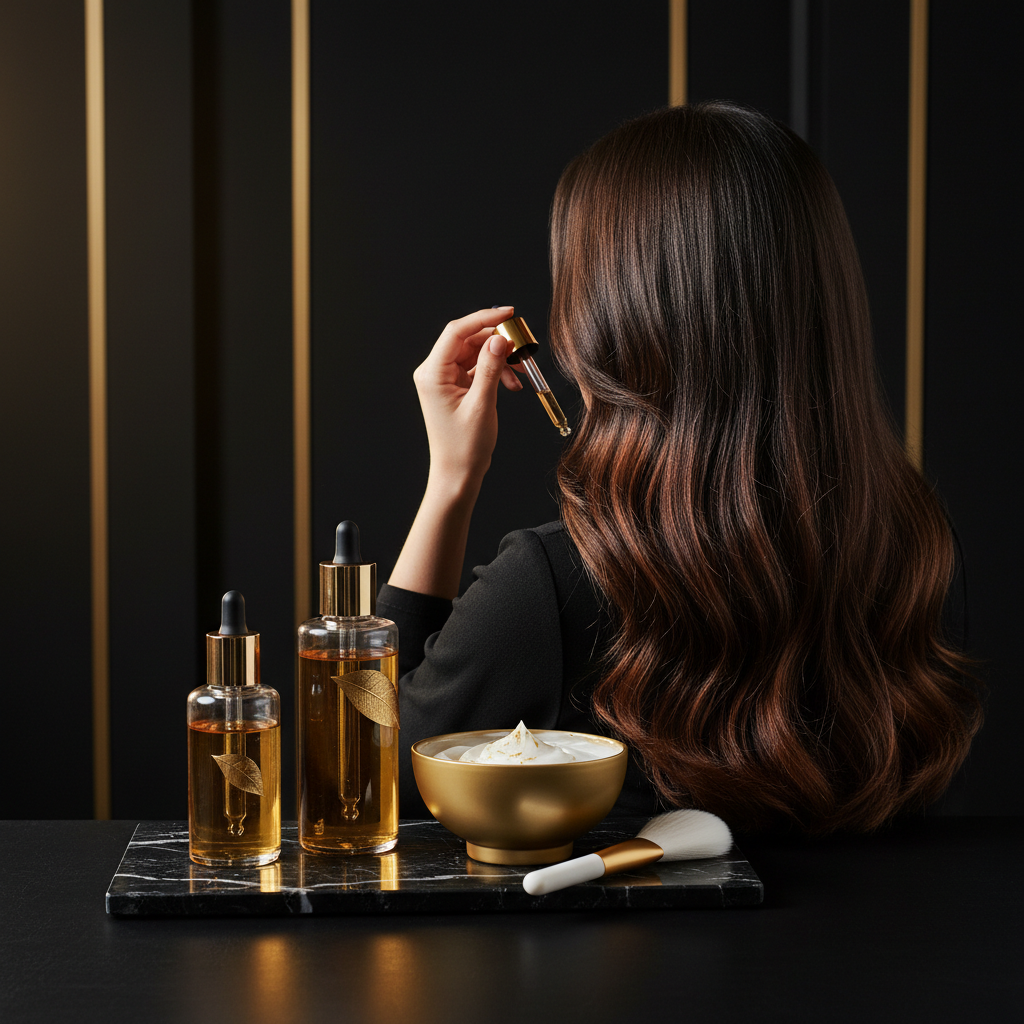
Hair growth serums and treatments are specialized topical formulations applied directly to the scalp. Their primary purpose is to deliver active ingredients that can stimulate hair follicles, improve scalp health, and thereby encourage new hair growth, reduce hair loss, or increase the anagen (growth) phase of the hair cycle.
How Hair Growth Treatments Work
The mechanisms of action for hair growth treatments vary depending on their active ingredients. Common approaches include:
- Stimulating Blood Flow: Ingredients like caffeine or menthol can increase microcirculation in the scalp, delivering more nutrients and oxygen to hair follicles.
- Blocking DHT: Dihydrotestosterone (DHT) is a hormone linked to androgenetic alopecia (pattern baldness). Some ingredients work by inhibiting the enzyme 5-alpha-reductase, which converts testosterone to DHT, or by blocking DHT from binding to follicle receptors.
- Providing Nutrients: Hair follicles require a steady supply of vitamins, minerals, and amino acids for healthy growth. Serums can deliver these directly to the scalp.
- Extending the Anagen Phase: Hair growth occurs in cycles. Treatments can help prolong the anagen (growth) phase, allowing hairs to grow longer and thicker before entering the catagen (transition) and telogen (resting) phases.
- Reducing Inflammation: Scalp inflammation can negatively impact hair health. Anti-inflammatory ingredients can help create a healthier environment for hair growth.
- Strengthening Hair Follicles: Ingredients can fortify the structural integrity of the follicle, making it more resilient to damage and premature shedding.
Common Active Ingredients
Many active compounds are used in hair growth treatments, often in combination for synergistic effects:
- Caffeine: A stimulant that can penetrate hair follicles and has been shown to counteract the suppressive effects of testosterone on hair growth and extend the anagen phase.
- Biotin (Vitamin B7): Essential for keratin production, a primary component of hair. While oral biotin is widely used, topical application aims to deliver it directly to the scalp.
- Peptides: Short chains of amino acids that can signal cells to perform specific functions, such as stimulating collagen production or reducing inflammation, both beneficial for scalp health and follicle function.
- Plant Extracts: Numerous botanical ingredients, such as rosemary extract, ginseng, and saw palmetto, are used for their purported benefits, including anti-inflammatory, antioxidant, or DHT-blocking properties.
- Salicylic Acid: A beta-hydroxy acid that helps exfoliate the scalp, removing dead skin cells and product buildup that can clog follicles and impede growth.
- Niacinamide (Vitamin B3): Can improve blood circulation, reduce inflammation, and enhance the synthesis of ceramides and fatty acids in the skin barrier, promoting a healthier scalp.
- Antioxidants: Ingredients like Vitamin E or green tea extract protect hair follicles from oxidative stress, which can contribute to hair loss.
Types of Hair Growth Treatments
Hair growth treatments come in various forms, each with its own application method and target:
| Treatment Type | Application Method | Primary Function | Considerations |
|---|---|---|---|
| Serums | Applied directly to the scalp, typically massaged in. Leave-in formula. | Deliver concentrated active ingredients for targeted absorption. | Lightweight, good for daily use, non-rinse. |
| Tonic/Sprays | Sprayed onto the scalp. Often lighter consistency than serums. | Even distribution of active ingredients across a larger scalp area. | Easy to apply, quick-drying. |
| Masks | Applied to scalp and/or hair for a longer duration (e.g., 10-20 min) before rinsing. | Intensive treatment, often combines growth factors with conditioning. | Used less frequently, provides deep conditioning. |
| Shampoos | Used during hair washing. Contains active ingredients. | Deliver initial exposure to active ingredients, cleanse scalp. | Limited contact time, less potent than leave-on treatments. |
| Conditioners | Applied after shampoo, typically rinsed out. | Primarily for hair conditioning, some contain growth-stimulating ingredients. | Even shorter contact time than shampoos, secondary benefit for growth. |
When choosing a product category, consider your scalp type, hair concerns, and desired application routine. For optimal results, a multi-faceted approach combining a growth-stimulating shampoo, conditioner, and a dedicated leave-on serum or tonic is often recommended.
Application and Usage
Consistent application is key to the effectiveness of hair growth treatments. Follow the specific instructions provided with each product, as concentrations and recommended frequencies can vary. Generally:
- Cleanse the Scalp: Ensure the scalp is clean and free of excessive oil or product buildup. A clarifying shampoo can be beneficial periodically.
- Apply Directly: Dispense the serum or tonic directly onto the scalp, focusing on areas of concern.
- Massage Gently: Use fingertips to gently massage the product into the scalp. This can improve absorption and stimulate blood flow.
- Do Not Rinse (for serums/tonics): Most leave-on treatments are designed to remain on the scalp to allow ingredients to work over time.
Results are not immediate and typically require consistent use over several months (e.g., 3-6 months) to become noticeable. Individual results can vary based on the cause of hair loss, consistency of use, and specific product formulation.
Expectations and Considerations
Hair growth treatments are most effective for addressing non-scarring forms of hair loss, such as androgenetic alopecia, telogen effluvium, and mild thinning. They are generally not curative for underlying medical conditions causing hair loss, but rather support optimal scalp conditions and follicle activity. It is important to manage expectations; these products aim to improve hair density, reduce shedding, and encourage new growth, but they cannot create new follicles where none exist. While many ingredients are well-tolerated, some individuals may experience mild scalp irritation or allergic reactions. Patch testing a small area first is always advisable.
Find these ingredients in Watermans products
- Biotin, you will find this ingredient in our Hair Growth Shampoo.
- Vitamin E, you will find this ingredient in our Hair Vitamins.
- Niacinamide, you will find this ingredient in our Hair Mask.