The Science of Hair Growth: Understanding How Hair Grows
10 min read ·
The Science of Hair Growth involves a complex, cyclical process with distinct phases, influenced by genetics, hormones, nutrition, and overall health.
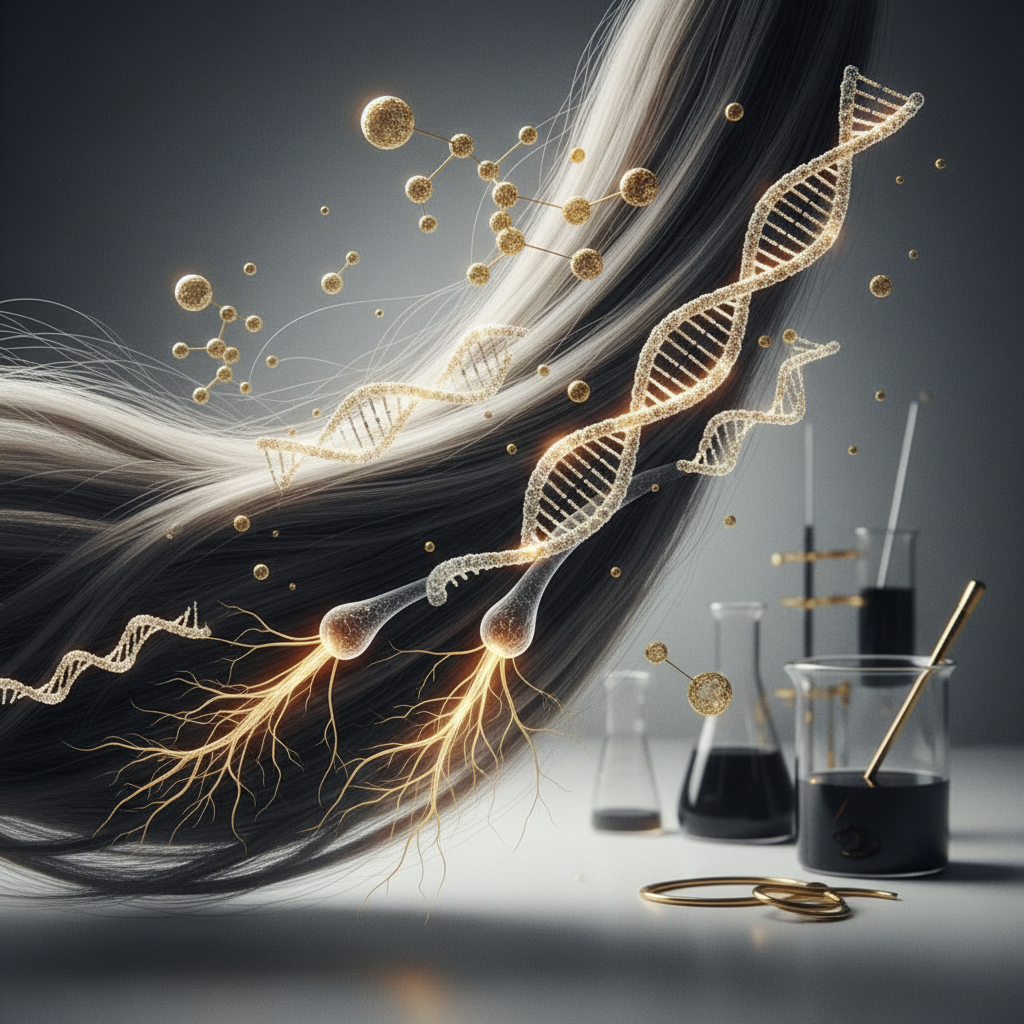
Quick answer: The Science of Hair Growth describes the intricate biological process by which hair follicles produce hair fibres. It involves a cyclical pattern of growth, regression, and rest, influenced by a combination of genetic programming, hormonal signals, nutritional intake, and general physiological health. While much is understood, individual variations and the precise interplay of all factors continue to be areas of active research, highlighting the complexity of human hair biology.
Key takeaways
- Hair growth is a cyclical process involving distinct anagen (growth), catagen (regression), and telogen (rest and shedding) phases.
- Genetics largely dictate hair characteristics and the length of growth phases, influencing overall hair density and potential length.
- Hormones, particularly androgens like DHT, and thyroid hormones, play a critical role in regulating the hair growth cycle.
- Adequate nutrition, including protein, vitamins (B, D, C), and minerals (iron, zinc), is essential for healthy hair fibre production.
- Scalp health, blood circulation, and stress management significantly impact the hair growth cycle and the quality of hair produced.
- Hair shedding is a normal part of the cycle, distinct from hair loss conditions or hair breakage.
The Science of Hair Growth: what the evidence shows
The Science of Hair Growth is a fascinating area of human biology, detailing how hair continuously regenerates from specialised structures called hair follicles. Hair doesn't grow at a constant rate or indefinitely; instead, each follicle undergoes a precise, cyclical process that ensures old hairs are shed and new ones emerge.
The Hair Growth Cycle: An Intricate Dance
Hair growth is best understood as a cyclical process, with each hair follicle operating independently through three main phases: anagen, catagen, and telogen. Some researchers also identify an exogen phase as part of the telogen phase, specifically for shedding.
Anagen Phase (Growth Phase)
This is the active growth period, where cells within the hair follicle divide rapidly, forming new hair fibre. The duration of the anagen phase directly dictates the maximum length your hair can achieve. For scalp hair, this phase typically lasts from two to seven years. However, this varies significantly between individuals and across different body regions; for instance, eyebrow and eyelash hair have much shorter anagen phases, which is why they don't grow as long as scalp hair. Genetics play a major role in determining the length of an individual's anagen phase.
Catagen Phase (Regression Phase)
Following the anagen phase, the hair follicle enters a brief transitional stage called catagen, which usually lasts about two to three weeks. During this time, active hair production ceases, the lower part of the hair follicle begins to shrink and detach from its blood supply in the dermal papilla. This signals the end of growth for that particular hair fibre.
Telogen Phase (Resting and Shedding Phase)
The telogen phase is a resting period for the hair follicle, typically lasting two to four months. During this time, the fully formed hair fibre rests in the follicle. At the end of the telogen phase, the old hair is shed to make way for a new hair entering its anagen phase. It's normal to shed approximately 50 to 100 telogen hairs per day. This natural shedding is part of a healthy hair growth cycle and is not considered hair loss, but rather a normal turnover of hair fibres.
Key Influences on The Science of Hair Growth
Numerous factors intricately influence the speed, quality, and quantity of hair growth. Understanding these influences can provide insights into maintaining healthy hair and scalp.
Genetics: The Blueprint for Your Hair
Your genetic makeup is a primary determinant of many hair characteristics, including natural colour, texture, density, and the overall pattern of the hair growth cycle. Genetics also play a significant role in predisposition to certain types of hair loss, such as androgenetic alopecia. The length of your anagen phase, for example, is largely genetically programmed, explaining why some people can grow very long hair while others cannot.
Hormones: Chemical Messengers of Growth
Hormones are powerful biological regulators that profoundly impact hair growth. Androgens, such as testosterone and its derivative dihydrotestosterone (DHT), are particularly important. In genetically susceptible individuals, DHT can cause hair follicles to miniaturise, leading to thinner, shorter hair, a hallmark of androgenetic alopecia. Thyroid hormones also play a crucial role in regulating metabolic processes throughout the body, including those vital for hair follicle function. Imbalances, such as an underactive (hypothyroidism) or overactive (hyperthyroidism) thyroid, can disrupt the hair growth cycle, leading to increased hair shedding.
Nutrition: Fuel for Follicles
Hair follicles are among the most metabolically active tissues in the body, requiring a constant and adequate supply of nutrients to produce strong, healthy hair fibres. A balanced diet is fundamental:
- Protein: Hair is primarily made of keratin, a protein. Insufficient protein intake can weaken hair strands and potentially reduce growth efficiency.
- Vitamins: B vitamins, particularly biotin and niacin, are critical for cellular proliferation and metabolism within the follicle. Vitamin D is implicated in initiating the anagen phase, while Vitamin C is essential for collagen production, which supports hair structure, and acts as an antioxidant. Excessive intake of Vitamin A can paradoxically lead to increased hair shedding.
- Minerals: Iron deficiency is a common cause of increased hair shedding, as iron is vital for oxygen transport to the hair follicles. Zinc is involved in DNA and RNA production, which are integral to the rapid cell division occurring in the hair follicle. Selenium also contributes to overall hair health.
Scalp Health: The Foundation for Growth
A healthy scalp provides the optimal environment for hair follicles to function correctly. Conditions that cause scalp irritation, inflammation, or excessive oiliness (see also: Oily Scalp Care: Understanding and Managing Excess Sebum) can impede follicle activity and affect hair quality. Maintaining a clean, balanced scalp environment is crucial for supporting robust hair growth. [Scalp Exfoliation: Uncovering the Evidence for a Healthier Scalp] provides more detail.
Blood Circulation: Delivering Vital Supplies
Adequate blood flow to the scalp ensures that hair follicles receive the necessary oxygen, nutrients, and hormones required for healthy growth. Poor circulation can deprive follicles of these vital supplies, potentially leading to slower growth or a compromised hair growth cycle.
Stress: Disrupting the Cycle
Chronic or severe physiological and psychological stress can significantly disrupt the hair growth cycle. It can prematurely push a large number of hair follicles from the anagen (growth) phase into the telogen (resting) phase. This can result in a condition known as telogen effluvium, characterised by widespread hair shedding typically two to four months after a stressful event. Managing stress is important for overall health, including hair health.
Environmental Factors and Lifestyle
External factors also play a role. Exposure to environmental pollutants, harsh styling practices, and certain chemical treatments can physically damage hair fibres and potentially impact follicular health. Practices like excessive heat styling ([Heat Styling Safety Best Practices]), tight hairstyles, or aggressive brushing can lead to hair breakage or a type of hair loss known as traction alopecia.
Hair Shedding vs. Hair Loss vs. Hair Breakage
Understanding the distinctions between these terms is crucial when discussing hair health.
| Feature | Hair Shedding (Telogen Effluvium) | Hair Loss (Alopecia) | Hair Breakage |
|---|---|---|---|
| Mechanism | Hair follicles prematurely enter resting phase, leading to increased shedding of entire hairs from the root. | Follicles stop producing hair or produce progressively miniaturised hairs, often due to genetic, autoimmune, or underlying medical conditions. | Hair fibre snaps along the shaft due to physical or chemical damage. |
| Appearance | Increased number of hairs (with a small white bulb at the root) falling out, often diffuse. | Thinning, receding hairline, bald patches, or overall reduction in hair density. | Short, uneven pieces of hair, split ends, frizz. |
| Cause | Stress, illness, hormonal changes, nutritional deficiencies, certain medications. | Genetics (androgenetic alopecia), autoimmune diseases (alopecia areata), scarring alopecias. | Over-processing (colouring, perming), heat styling, aggressive brushing, dryness, chemical damage. |
| Follicle Status | Follicles remain intact and generally healthy, can resume normal growth. | Follicles may be miniaturised, damaged, or destroyed. | Follicles are typically unaffected; damage is to the fibre. |
| Prognosis | Often resolves spontaneously once the underlying trigger is addressed. | Can be progressive; treatment depends on the specific type and cause. | Improves with proper hair care, protective styling, and avoiding damaging practices. |
What you can do to support healthy hair growth
While genetics set certain limits, several practices can support healthy hair growth by optimising the conditions that influence the hair growth cycle.
- Embrace a Balanced Diet: Ensure your diet is rich in lean proteins, complex carbohydrates, and essential fats. Include a variety of fruits and vegetables to supply vitamins (especially B vitamins, C, and D) and minerals (iron, zinc). If dietary intake is insufficient, a healthcare professional might recommend supplements, but always seek professional advice first.
- Adopt Gentle Hair Care Practices: Minimise harsh treatments. Use sulfate-free shampoos and conditioners ([Sulfate-Free Shampoo Benefits]) that suit your hair type. Avoid excessive heat styling ([Heat Styling: Understanding Its Effects and How to Protect Your Hair]) and aggressive brushing, especially when hair is wet. Use a wide-toothed comb to detangle hair gently. Protecting hair from physical damage reduces breakage, allowing hair to reach its full length potential.
- Prioritise Scalp Health: A healthy scalp is foundational for healthy hair. Address conditions like dandruff ([Dandruff: Causes and Treatments Explained]) or excessive oiliness. Gentle scalp massage can help stimulate blood flow to the follicles, delivering vital nutrients. Refer to [Understanding Scalp Health] for more.
- Manage Stress Effectively: Implement stress-reduction techniques such as meditation, yoga, regular exercise, or sufficient sleep. Reducing chronic stress can help prevent disruption of the hair growth cycle.
When to seek professional advice
If you notice sudden or significant changes in your hair, such as rapid thinning, unexplained patches of hair loss, or persistent scalp irritation, it's advisable to consult a healthcare professional. A dermatologist or your GP can help diagnose the underlying cause, which could range from nutritional deficiencies to hormonal imbalances or more specific hair loss conditions. Early diagnosis and intervention can often lead to more effective management.
Frequently asked questions about The Science of Hair Growth
How fast does hair typically grow?
On average, healthy scalp hair grows about 1.25 centimetres (or half an inch) per month, which equates to about 15 centimetres (or six inches) per year. However, this rate can vary significantly based on individual genetics, age, ethnicity, nutritional status, and overall health. The anagen phase duration is a key factor in how long hair can ultimately become.
Can diet truly affect hair growth?
Absolutely. Hair follicles require a constant supply of energy, proteins, vitamins, and minerals to produce healthy hair fibres. Deficiencies in key nutrients like iron, zinc, biotin, or protein can lead to increased hair shedding or the production of weaker hair. A balanced diet is crucial for supporting The Science of Hair Growth.
Does cutting hair make it grow faster?
No, cutting your hair does not influence the rate of growth from the follicle. Hair growth originates from the scalp, not the ends of the hair shaft. Regular trims can remove split ends and breakage, which can make hair appear healthier and prevent further damage from travelling up the hair shaft, but it does not accelerate the biological process of growth. It can, however, allow existing healthy hair to retain length by preventing breakage.
Is it normal to shed hair every day?
Yes, it is entirely normal to shed between 50 to 100 hairs per day as part of the natural hair growth cycle. This is primarily telogen hairs completing their resting phase and making way for new hair growth. Exceeding this amount consistently might indicate an issue and warrant further investigation, but daily shedding itself is a normal physiological process.
Supporting healthy hair growth with Watermans
Watermans products are formulated to support the appearance of healthier, fuller-looking hair and a healthy scalp environment. Our formulations are designed to work in harmony with your body's natural processes, contributing to the overall condition of your hair. For example:
- Watermans Grow Me Shampoo and Conditioner contain hydrolysed lupin protein, niacin, biotin, and caffeine, which help create an optimal scalp environment for healthy-looking hair. They are designed to cleanse the scalp and hair gently without stripping natural oils.
- Watermans Grow More Elixir is a leave-on scalp treatment designed to deliver concentrated ingredients directly to the scalp, such as rosemary extract, biotin, and caffeine. These ingredients are chosen to help stimulate the scalp and promote the look of thicker, fuller hair.
These products are part of a holistic approach to hair care, complementing a balanced diet and healthy lifestyle to promote the best possible appearance and feel of your hair.
Sources and references
- American Academy of Dermatology Association, Hair Loss: Diagnosis and Treatment, ongoing. Aad.org
- National Institutes of Health, Dietary Supplements for Hair Loss: A Narrative Review, 2021. PubMed
- British Association of Dermatologists, Hair Loss (Alopecia), 2023. Bad.org.uk
- Journal of Clinical and Aesthetic Dermatology, Androgenetic Alopecia: An Update of Pathogenesis and Treatment, 2013. PubMed
- Cleveland Clinic, Telogen Effluvium, 2022. Clevelandclinic.org