Effects of Heat Styling on Hair Keratin: Science, Thresholds, and Fibre Protection
9 min read ·
Discover how hot tools alter hair protein at the molecular level. Learn the critical effects of heat styling on hair keratin, damage thresholds, and prevention tips.
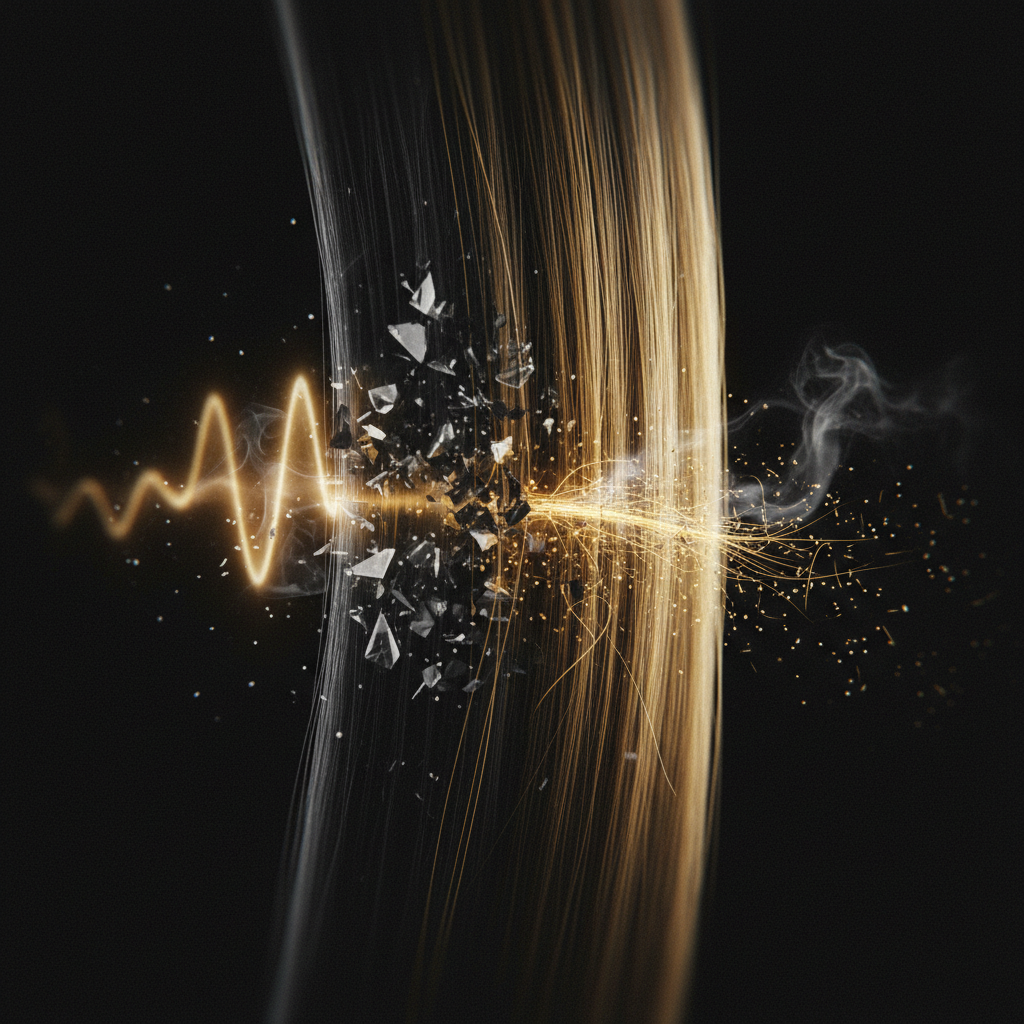
Quick answer: Understanding the effects of heat styling on hair keratin reveals how high temperatures alter the hair shaft at a molecular level. Keratin, the primary structural protein in hair, begins to denature and lose its helical stability between 140°C and 230°C. This causes cuticular cracking, moisture loss, and cortex degradation, ultimately leading to mechanical breakage rather than root-level hair loss. While thermal protectants and careful temperature regulation can mitigate this damage, denatured keratin cannot be biologically regenerated once its internal peptide bonds break.
Key takeaways
- Hair consists of approximately 85% to 90% keratin protein, arranged in stable alpha-helical coiled coils.
- Temperatures above 140°C start to degrade the hair fibre, while heat exceeding 185°C to 200°C causes irreversible protein denaturation.
- Moisture trapped inside the cortex boils rapidly when subjected to intense heat, creating structural voids termed "bubble hair".
- Heat styling causes hair breakage along the shaft; it does not directly cause follicular hair loss or shedding from the scalp.
- Heat protectant sprays reduce the rate of heat transfer and friction, but they do not make hair impervious to high temperatures.
Effects of Heat Styling on Hair Keratin: what the evidence shows
Scientific evaluation of the effects of heat styling on hair keratin demonstrates that elevated temperatures induce physical and chemical alterations across all structural layers of the hair shaft. Hair keratin is organised into intermediate filaments held together by disulphide bridges, hydrogen bonds, and salt linkages. These filaments provide the hair fibre with its tensile strength, elasticity, and shape retention.
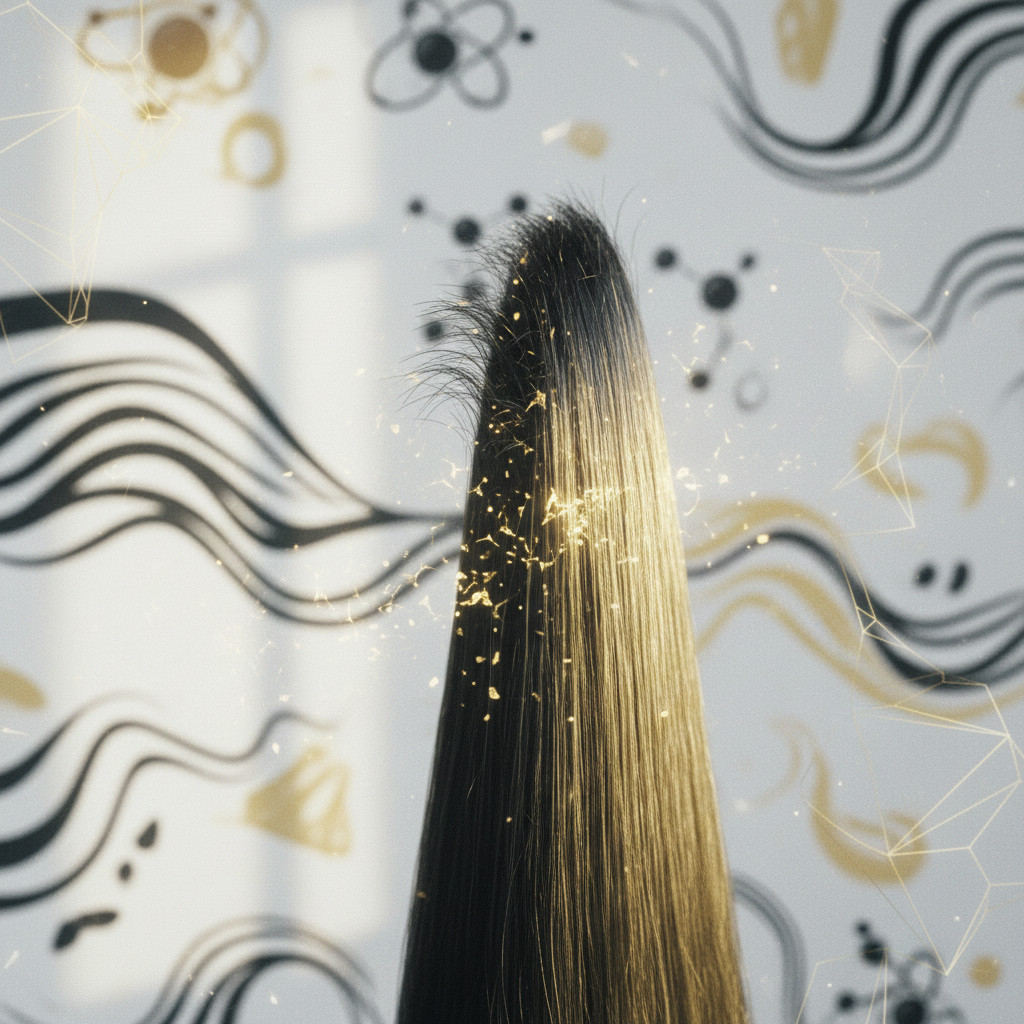
Thermal tools such as straighteners, curling wands, and high-heat blow dryers routinely reach temperatures between 160°C and 230°C. Research using differential scanning calorimetry (DSC) and Fourier-transform infrared spectroscopy (FTIR) shows that the crystalline alpha-keratin structure undergoes a phase transition to an amorphous beta-sheet form when exposed to heat beyond 140°C.
As temperatures approach 190°C to 200°C, the chemical bonds holding the protein chains together break down. This thermal breakdown strips the protective 18-methyleicosanoic acid (18-MEA) lipid layer from the cuticle. Without this lipid seal, the cuticle scales lift, crack, and chip away, exposing the vulnerable keratin cortex underneath to accelerated environmental and mechanical wear.
Mechanisms of thermal keratin degradation
Thermal damage to hair is not a single chemical event. Instead, it occurs across distinct thermal thresholds that disrupt the fibre's biological architecture.
Alpha to beta phase transition
Native hair keratin exists predominantly in an alpha-helix geometry. When you apply heat alongside mechanical tension (as with a flat iron or round brush blow-dry), these coiled helices stretch and unfold into unordered beta-pleated sheets. If the heat applied is moderate and moisture is present, some bonds can re-form temporarily. However, sustained or repeated high temperatures permanently fix this unfolded state, diminishing the natural stretch and bounce of your hair.
Degradation of disulphide bonds and amino acids
Cysteine is the predominant amino acid in human hair, responsible for forming disulphide bonds (S-S linkages) that cross-link keratin chains. Prolonged exposure to heat above 160°C oxidises cysteine into cysteic acid. This oxidation reduces the overall cross-link density of the fibre, drastically weakening its structural core and leaving the hair brittle and prone to snapping under minimal tension.
The "bubble hair" phenomenon
When hot tools are applied to damp or insufficiently dried hair, water within the cortex gets trapped beneath the cuticle layer. If the appliance temperature exceeds 100°C, this internal moisture instantly vaporises. The expanding steam cannot escape quickly enough, forming microscopic gas bubbles within the keratin cortex. These bubbles create hollow, fragile pockets that collapse, causing hair fibres to fracture cleanly at the site of the void.
| Temperature Range | Structural Effect on Hair Keratin | Clinical Observation |
|---|---|---|
| Below 140°C | Temporary hydrogen bond rearrangement; minimal protein denaturation. | Temporary styling; hair returns to shape when wet. |
| 140°C to 180°C | Onset of alpha-helix unfolding; breakdown of surface lipid layer (18-MEA). | Mild surface dryness, increased porosity, reduced shine. |
| 185°C to 215°C | Extensive denaturation of cortical keratin; cystine oxidation; cuticle melting. | Split ends, severe cuticle flaking, high friction, visible breakage. |
| Above 220°C | Complete thermal degradation of peptide chains; pyrolysis of structural proteins. | Scorched fibres, severe structural collapse, immediate snapping. |
What the evidence does not show
It is critical to separate the structural degradation of the hair shaft from biological scalp conditions.
First, heat styling does not cause follicular hair loss or medical conditions such as androgenetic alopecia or alopecia areata. Because the heat from styling appliances is applied along the hair lengths, it damages non-living keratin fibres outside the follicle. It does not penetrate deep into the dermis to alter follicle cycling, provided you do not physically burn your scalp.
Second, the evidence does not support claims that damaged keratin can be "healed" or biologically re-grown. Hair is non-living tissue once it emerges from the follicle. Treatments marketed to repair thermal damage rely on synthetic polymers, proteins, or bond-building chemistry to patch, reinforce, or smooth the damaged areas. They do not restore the original biological state of the broken protein matrix.
Recognising the signs of heat-damaged hair
Keratin degradation presents with clear physical changes that stylists and individuals can easily observe:
- Loss of natural elasticity: Healthy wet hair can stretch up to 30% of its length and return without breaking. Thermally damaged hair snaps with little to no stretch.
- Persistent dryness and porosity: Damaged cuticles cannot control moisture movement, causing hair to absorb water rapidly and lose it just as fast.
- Altered curl patterns: Curly or wavy hair may lose its natural definition, appearing limp, uneven, or permanently straightened in over-processed sections.
- Split ends and fraying: The cuticle layer peels away entirely, exposing cortical fibres that separate into longitudinal splits (trichoptilosis).
- White bulb-like nodules: Hair exhibits tiny white flecks along the shaft (trichorrhexis nodosa), indicating points where keratin has shattered internally.
How to minimise heat damage to hair keratin
Preventing thermal degradation requires strict control over temperature, tool technique, and barrier protection.
- Lower your styling temperatures: Keep your hot tools below 185°C whenever possible. Fine, chemically treated, or bleached hair should be styled at 140°C to 160°C.
- Never style damp hair with flat irons: Ensure your hair is 100% dry before using direct-contact hot plates to prevent steam-induced bubble hair.
- Use silicone and polymer barriers: Heat protectant sprays containing ingredients like dimethicone, quaternium-70, or hydrolysed wheat proteins slow down heat conduction and reduce surface friction.
- Limit pass frequency: Glide your styling tool smoothly down the hair section once or twice. Repeated passes over the same section rapidly escalate protein breakdown.
- Incorporate deep-conditioning treatments: While they cannot reassemble broken amino acid chains, conditioning agents fill microscopic fissures in the cuticle, reducing friction and everyday mechanical breakage.
When breakage stems from other causes
If you notice excessive short, broken hairs across your clothing or pillow, hot tools might not be the only culprit.
Chemical treatments such as bleaching, permanent dyeing, and chemical relaxers alter disulphide bonds through chemical reduction or oxidation, compounding any thermal stress. Rough mechanical habits, like detangling dry hair with fine-toothed combs or sleeping on abrasive fabrics, also fracture compromised keratin.
Furthermore, do not mistake hair shedding for breakage. If hairs are coming out from the scalp complete with a small, white bulb at the root, you are experiencing shedding (such as telogen effluvium), not shaft breakage.
When to seek professional advice
Consult a qualified trichologist or dermatologist if you experience sudden or widespread hair thinning, patches of bare skin on the scalp, or scalp irritation including redness, burning, and scaling. These symptoms point toward scalp-level conditions rather than thermal shaft damage.
For severe hair shaft damage, visit an experienced salon stylist. They can assess your hair's tensile strength, trim away unsalvageable split ends, and design a restructuring regimen tailored to your hair's current porosity.
Supporting hair resilience with Watermans
Managing the consequences of daily styling requires a holistic approach that prioritises both scalp vitality and fibre resilience. Watermans focuses on providing high-performance, everyday haircare designed to strengthen the feel of your hair and nurture the scalp environment.
Using gentle, sulphate-free formulas helps cleanse away product residues without stripping the hair fibre's remaining natural oils. Conditioning treatments enriched with hydrolysed proteins, biotin, and rosemary extract support the outer cuticle layer, improving slip and combability. While no topical formulation can reverse denatured keratin, consistent use of strengthening hair products helps reduce mechanical stress, visibly improving hair texture, body, and overall resilience against everyday styling pressures.
Frequently asked questions about Effects of Heat Styling on Hair Keratin
Can thermal damage to hair keratin be reversed?
No, structural damage to hair keratin cannot be reversed biologically. Hair fibres are non-living tissue. Once temperatures exceed the threshold of protein denaturation, the chemical bonds and alpha-helical structures are permanently altered. Conditioning treatments, silicones, and bond-building products can coat the fibre and temporarily fill surface gaps to improve manageability, but the only permanent solution for split, fractured ends is trimming them away.
At what exact temperature does heat styling begin to degrade keratin?
Thermal damage begins around 140°C, where the hair loses bound moisture and the alpha-helical proteins start to unfold. Significant, irreversible denaturation of the keratin cortex typically occurs between 185°C and 200°C. Once temperatures climb past 220°C, the chemical backbone of the hair protein undergoes thermal decomposition, causing rapid structural collapse and fibre fracture.
What are the main signs of the effects of heat styling on hair keratin?
The primary signs include a brittle texture, split ends, loss of natural curl or wave formation, high porosity, and breakage along the mid-lengths. You might also notice trichorrhexis nodosa, where the keratin breaks internally and forms small white nodes along the shaft. Hair will typically feel rough to the touch and tangle easily because the protective cuticle tiles have lifted or chipped away.
Do heat protectant sprays completely prevent keratin damage?
No, heat protectant sprays do not offer 100% protection against high heat. Most quality thermal sprays reduce heat conduction and distribute thermal energy more evenly, cutting damage by roughly 30% to 50%. They also deposit a thin barrier that reduces plate-to-hair friction. However, if styling tools are set to excessive temperatures or passed over the same section repeatedly, keratin denaturation will still occur.
Protecting your hair from thermal damage
Understanding the effects of heat styling on hair keratin empowers you to make informed decisions about your daily routine. High temperatures fundamentally alter the internal protein matrix of the hair fibre, transforming strong alpha-helical chains into weakened structures that break easily. Because non-living hair tissue cannot biologically repair its denatured proteins, prevention remains your most reliable strategy. By moderating your styling temperatures, thoroughly drying your hair before using irons, and applying dependable protective barriers, you can preserve the natural strength, shine, and structural integrity of your hair.
Sources and references
- Robbins, C. R. (2012). Chemical and Physical Behavior of Human Hair. 5th ed. Springer-Verlag.
- Swift, J. A. (1999). Human hair cuticle: mechanically robust or biologically fragile? Cosmetics and Toiletries, 114(4), 45-56.
- Lee, Y., Kim, Y. D., Hyun, H. J., Pi, L. Q., Jin, X., & Lee, W. S. (2011). Hair shaft damage from heat and drying time of hair dryer. Annals of Dermatology, 23(4), 455-462.
- McMullen, R. L., & Jachowicz, J. (1998). Thermal analysis of hair. Journal of Cosmetic Science, 49(4), 245-256.
- Ruetsch, S. B., Kamath, Y. K., & Rele, A. S. (2001). Photodegradation and thermal degradation of human hair. Journal of Cosmetic Science, 52(3), 169-184.
Find these ingredients in Watermans products
- Biotin: you will find this ingredient in our Hair Growth Shampoo.