Cuticle Health and Breakage Prevention: The Complete Scientific Guide
9 min read ·
Understand the science of Cuticle Health and Breakage Prevention. Learn the biological mechanisms of hair damage, signs of cuticle erosion, and practical ways to protect strands.
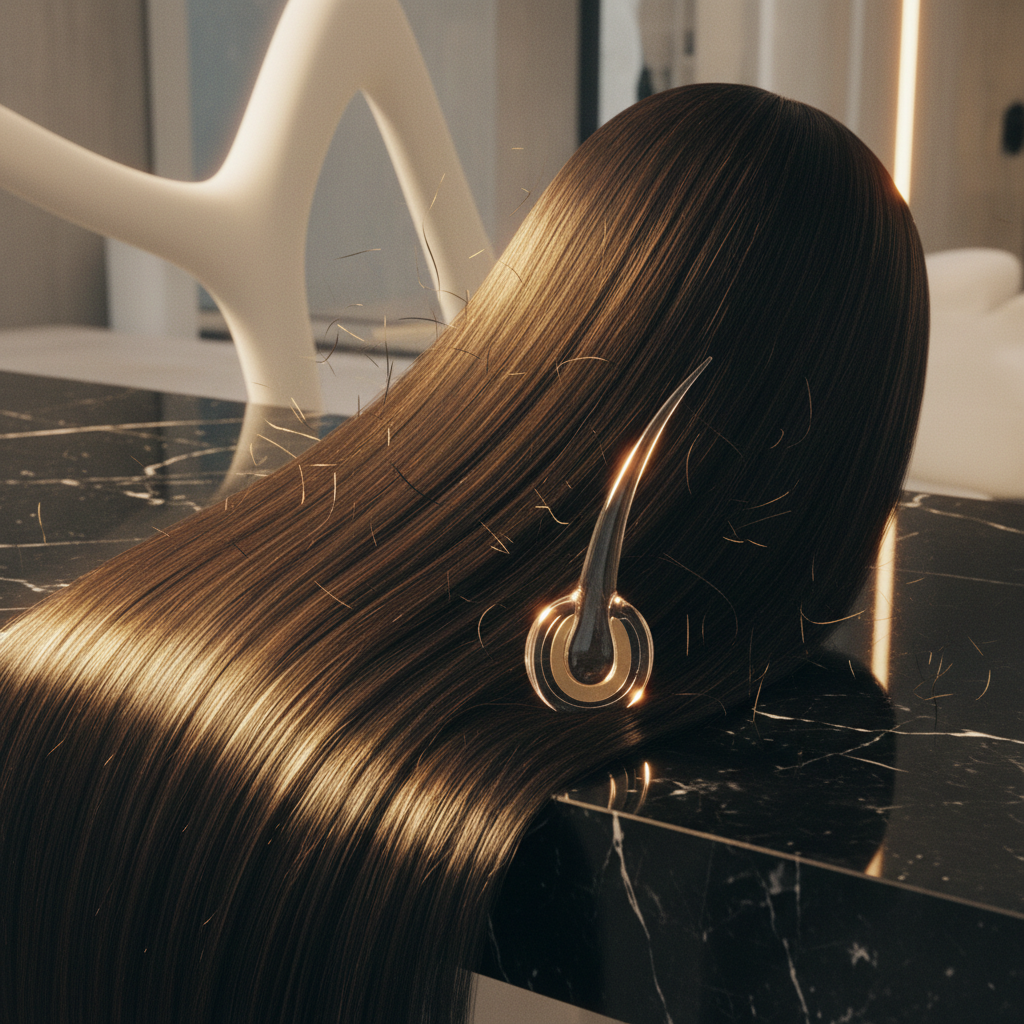
Quick answer: Achieving optimal Cuticle Health and Breakage Prevention requires preserving the hair fibre's outermost protective layer of overlapping keratin scales. When this barrier remains flat, smooth, and intact, it shields the inner cortex from environmental wear, moisture loss, and physical strain. Once cuticles are chipped, lifted, or stripped by chemical processing, extreme heat, or abrasive grooming, the cortex weakens and snaps. While cosmetic treatments can smooth and temporarily patch lifted cuticles, severed fibres cannot biologically regenerate.
Key takeaways
- The hair cuticle consists of 5 to 10 overlapping cellular layers that protect the tensile cortex beneath.
- Hair breakage is purely physical structural failure along the shaft, distinctly separate from follicular shedding or genetic alopecia.
- The cuticle surface naturally bears a covalently bound fatty acid layer (18-methyleicosanoic acid) that repels water and reduces inter-fibre friction.
- Alkaline water and high-pH formulations cause the cuticle scales to swell and lift, significantly increasing susceptibility to mechanical breakage.
- Cosmetic conditioners and leave-in products can lubricate and seal the cuticle, but they cannot permanently mend a completely shattered hair shaft.
Cuticle Health and Breakage Prevention: what the evidence shows
The scientific study of Cuticle Health and Breakage Prevention centres on the biophysical properties of the hair shaft. Hair fibres are dead, keratinised structures. The cuticle serves as a biological armour, made of flat, scale-like cells pointing downward toward the tip. Each scale contains an outer epicuticle, an exocuticle rich in cystine (around 30% of its amino acid content), and an inner endocuticle with lower cross-linking.

Covalently attached to the outside of these scales is a monolayer of lipids, primarily 18-methyleicosanoic acid (18-MEA). This chemical shield makes healthy hair naturally hydrophobic. It repels excess ambient humidity while holding essential structural lipids in place. When external friction is low, hair strands glide across one another with minimal traction.
Peer-reviewed cosmetic chemistry shows that physical breakage happens when structural stress exceeds the cortex's tensile strength. Because the cuticle absorbs the vast majority of external abrasion, its progressive erosion directly exposes the cortex. Tensile testing demonstrates that hair stripped of its cuticle requires significantly less force to fracture under normal grooming conditions, such as brushing or detangling.
What the evidence does not show about cuticle repair
Marketing claims often promise that specialised serums can permanently "rebuild" or "heal" fractured cuticles. Cosmetic science does not support this claim.
Because hair fibre contains no living cells, blood vessels, or metabolic repair machinery, cuticles cannot heal. Products containing hydrolysed proteins, cationic polymers, or plant oils can form a temporary sacrificial coating over lifted scales, filling microscopic voids. However, these deposits wash away with surfactants or wear off through mechanical abrasion. No topical formulation can restore the lost, covalently bound 18-MEA lipid layer once chemical bleach or permanent relaxers strip it away.
Furthermore, preserving cuticle integrity does not prevent shedding from the root. Telogen effluvium, androgenetic alopecia, and alopecia areata occur deep inside the hair follicle beneath the scalp surface. Improving cuticle condition stops the hair shaft from snapping prematurely, helping you retain length, but it does not alter your biological shedding rate.
The biological and physical mechanisms of breakage
Hair breakage occurs along three distinct structural pathways, all initiated by cuticle degradation:
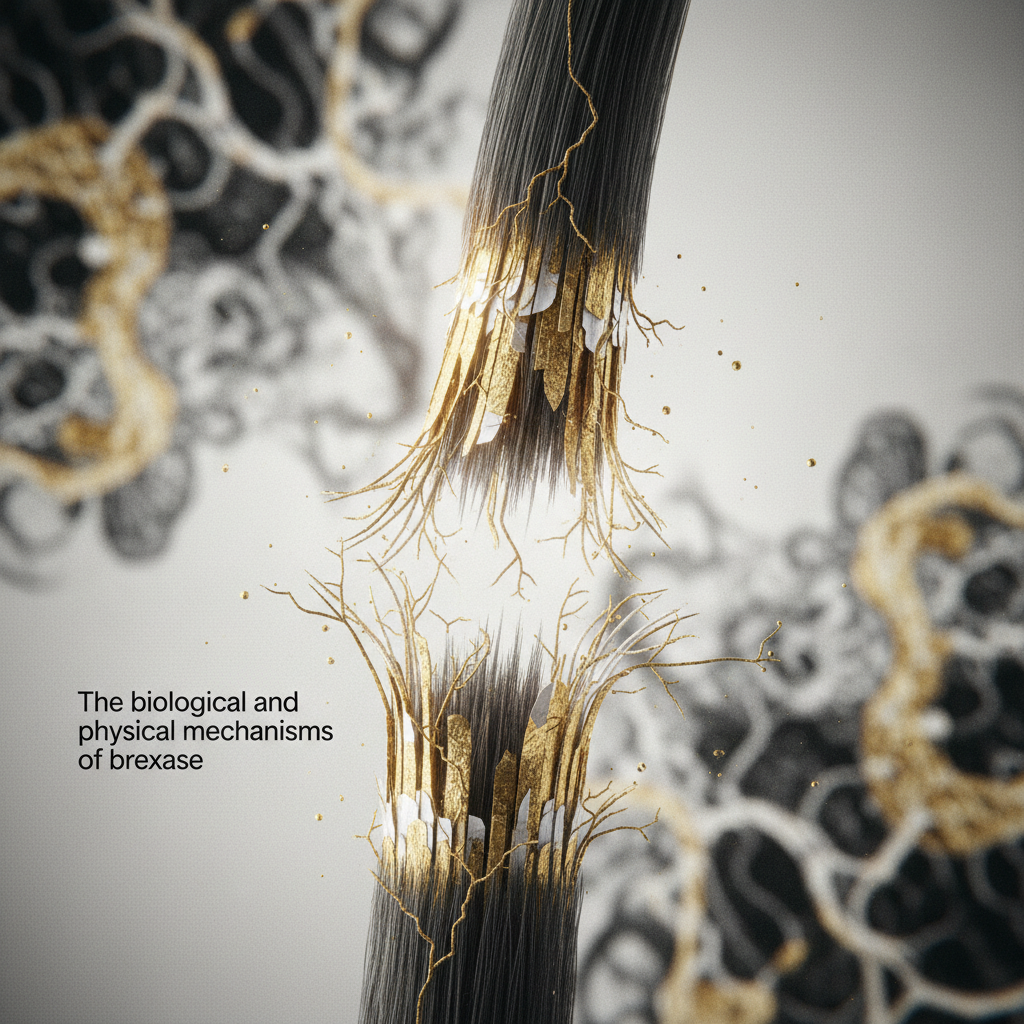
- Chemical degradation: Bleaching agents, permanent dyes, and chemical relaxers operate at high pH levels (often pH 9.0 to 11.0). This alkalinity causes the cuticle scales to swell and lift, enabling oxidising agents to penetrate the cortex. In doing so, these processes dissolve the protective 18-MEA layer and break down cystine disulphide bonds, leaving the cuticle brittle, porous, and prone to flaking off.
- Thermal wear: Applying heat styling tools above 160°C strips moisture too rapidly, causing structural water inside the hair to boil and produce microscopic bubbles in the cortex (bubble hair). Thermal heat also melts and disorganises the cuticle's protective surface lipids, leading to vertical cracks along the scale margins.
- Mechanical and friction fatigue: Daily detangling, backcombing, and rough towel-drying exert physical shear stress. When hair is wet, it can stretch by roughly 30% before sustaining permanent damage. However, wet hair cuticles are softened and slightly swollen, reducing their scratch resistance. Vigorous brushing lifts the edges of softened cuticles, leading to peel-up, scale loss, and eventual cortical exposure.
| Factor | Healthy Cuticle | Damaged Cuticle |
|---|---|---|
| Surface Charge | Low negative charge, hydrophobic | Highly negative charge, hydrophilic |
| Friction Coefficient | Low; fibres glide smoothly | High; fibres catch, tangle, and snag |
| Water Absorption | Controlled (absorbs 10% to 15% ambient water) | Rapid, uncontrolled swelling (porous) |
| Visual Appearance | Reflective, aligned, smooth shine | Dull, frizzy, light-scattering surface |
| Tensile Resistance | High resilience against daily brushing | Snaps easily under light mechanical stress |
Recognising the signs of cuticle degradation
You can detect cuticle damage early by watching for specific tactile, visual, and behavioural signs:
- Increased tangling: If clean hair snags persistently during gentle finger-combing, lifted cuticle edges are hooking into adjacent fibres.
- Loss of natural shine: Healthy cuticles lie flat and act like a mirror, reflecting light evenly. Chipped or raised scales scatter light in irregular directions, making the hair look matte or dull.
- High porosity behaviour: When hair absorbs water instantaneously in the shower yet dries unusually fast into a brittle texture, its hydrophobic lipid barrier is degraded.
- White dots (Trichorrhexis nodosa): Small, white flecks along the mid-lengths or ends indicate spots where the cuticle has completely worn away, allowing cortical fibres to fray outward like miniature paintbrushes.
- Split ends (Trichoptilosis): Longitudinal splits at the fibre tips show that the protecting cuticle sheath has degraded entirely, allowing cortex filaments to separate.
Practical steps to maintain cuticle health and prevent breakage
Practical Cuticle Health and Breakage Prevention relies on reducing friction, maintaining a balanced surface pH, and shielding the fibre from physical trauma:
- Maintain a slightly acidic environment: The natural isoelectric point of hair fibre sits between pH 3.67 and 5.5. Cleansers and conditioning rinses formulated within this mildly acidic window keep the cuticle scales tightly contracted, preserving surface smoothness.
- Lubricate wet strands before detangling: Never force a comb through unconditioned, soaking-wet hair. Apply a conditioner formulated with slip-enhancing fatty alcohols or cationic surfactants (such as cetrimonium chloride or behentrimonium methosulphate) to lower the friction coefficient between strands.
- Handle wet hair gently: Swap abrasive terry-cloth bath towels for smooth microfibre wraps or soft cotton shirts. Blot and squeeze excess moisture instead of rubbing back and forth.
- Lower your styling temperatures: Keep hot tools below 180°C, and never use heated irons on damp or wet hair. Always apply a film-forming thermal protectant beforehand to buffer direct heat transfer.
- Prevent nighttime abrasion: Cotton pillowcases create continuous surface friction as you turn during sleep. Sleeping on a silk or satin pillowcase, or wrapping hair in a smooth bonnet, keeps the cuticle flat.
- Trim regularly: While a split end cannot be glued back together permanently, clean trims every 8 to 12 weeks prevent vertical cortex cracks from travelling up the hair shaft.
When the underlying cause is something else
If you notice significant shedding from the scalp rather than short, fractured pieces on your clothes, the issue is not cuticle degradation.
Examine the fallen strands carefully. If you see a tiny white bulb at one end, the hair has completed its natural telogen cycle and shed directly from the follicle. If the strand lacks a root bulb and has sharp, uneven, or frayed edges, it is physical breakage.
Nutritional deficiencies (such as insufficient dietary protein, iron-deficiency anaemia, or zinc depletion), endocrine imbalances (including thyroid dysfunction), and systemic autoimmune conditions alter the hair's production inside the follicle. These issues can result in structurally compromised hair that breaks almost immediately as it emerges, but the root cause remains internal rather than topical.
When to seek professional advice
Consult a registered trichologist or a consultant dermatologist if you notice sudden, diffuse shedding, patch-like hair thinning, or scalp discomfort (such as persistent itching, burning, or red plaques).
A hair professional can perform a trichoscopy (microscopic hair analysis). This test examines both the follicle openings and the hair shafts under high magnification to confirm whether structural fracturing stems from cosmetic practices or an underlying genetic condition, such as Monilethrix or Netherton syndrome.
Watermans: focused care for hair condition
For individuals seeking to maintain optimal cosmetic hair resilience, Watermans offers targeted haircare formulations developed with cosmetic performance in mind. Watermans products, such as their popular cleansers and conditioners, focus on supporting an ideal scalp environment while infusing the hair shaft with conditioning agents that boost softness and shine.
By delivering balanced slip and lightweight conditioning without harsh, stripping detergents, Watermans products help reduce daily grooming friction. This supports overall Cuticle Health and Breakage Prevention as part of an evidence-led haircare routine.
Frequently asked questions about Cuticle Health and Breakage Prevention
What is the most effective approach to Cuticle Health and Breakage Prevention?
The most reliable method combines chemical and mechanical protection: use pH-balanced hair products (pH 4.5 to 5.5), apply heat protectants before using hot tools, detangle gently with plenty of slip, and eliminate friction from rough towels and abrasive pillowcases.
Can split ends or broken cuticles be repaired permanently?
No, broken cuticles and split ends cannot be permanently repaired. Hair is non-living tissue without cellular regeneration. While conditioning agents, silicones, and proteins temporarily smooth and bind lifted cuticles together until the next wash, cutting away the damaged tips is the only permanent solution.
How does hair porosity relate to cuticle health?
Porosity refers to the hair's ability to absorb and hold moisture, which depends entirely on cuticle condition. Low porosity means cuticles lie tightly packed and flat, while high porosity indicates raised, chipped, or missing cuticles that allow water to enter and exit rapidly, leaving strands dry and vulnerable.
Does cold water close the hair cuticle?
There is little scientific evidence that a blast of cold water physically closes the cuticle. Cuticle scales respond primarily to pH and chemical bonds, not minor water temperature drops. An acidic rinse (around pH 4.0 to 5.0) is far more effective at smoothing the cuticle than cold water alone.
How do I tell the difference between breakage and natural shedding?
Shed hairs display a distinct, tiny white bulb at the root end, showing that the fibre naturally left the follicle at the end of its growth cycle. Broken hairs do not have a root bulb; they are typically shorter, uneven, and show blunt or frayed fracture points.
Cuticle integrity and length retention
Consistently practicing Cuticle Health and Breakage Prevention is the cornerstone of retaining length and cultivating visibly resilient hair. Because the hair shaft cannot biologically heal once damaged, everyday protection is essential. By respecting the hair's natural pH, minimising harsh chemical stress, controlling thermal styling, and using conditioning lubricants to stop mechanical friction, you preserve the cuticle's protective architecture and keep your hair looking its best.
Sources and references
- British Association of Dermatologists. Hair Breakage and Cosmetic Damage Guidelines.
- Robbins, C. R. Chemical and Physical Behavior of Human Hair. 5th ed., Springer-Verlag, 2012.
- Dawber, R. Hair and Scalp Disorders: Common Presenting Signs, Differential Diagnosis and Management. Informa Healthcare, 2003.
- Journal of Cosmetic Science. "The Role of 18-Methyleicosanoic Acid in the Surface Properties of Human Hair."
- International Journal of Trichology. "Hair Shaft Damage from Cosmetic Procedures: Physical and Chemical Assessment."
Find these ingredients in Watermans products
- Zinc: you will find this ingredient in our Hair Vitamins.