Color-Treated Hair: Colour-Treated Hair: An Evidence-Based Guide to Care and Longevity
11 min read ·
Understanding how to care for Colour-Treated Hair is crucial for maintaining its health, vibrancy, and preventing premature fading and damage.
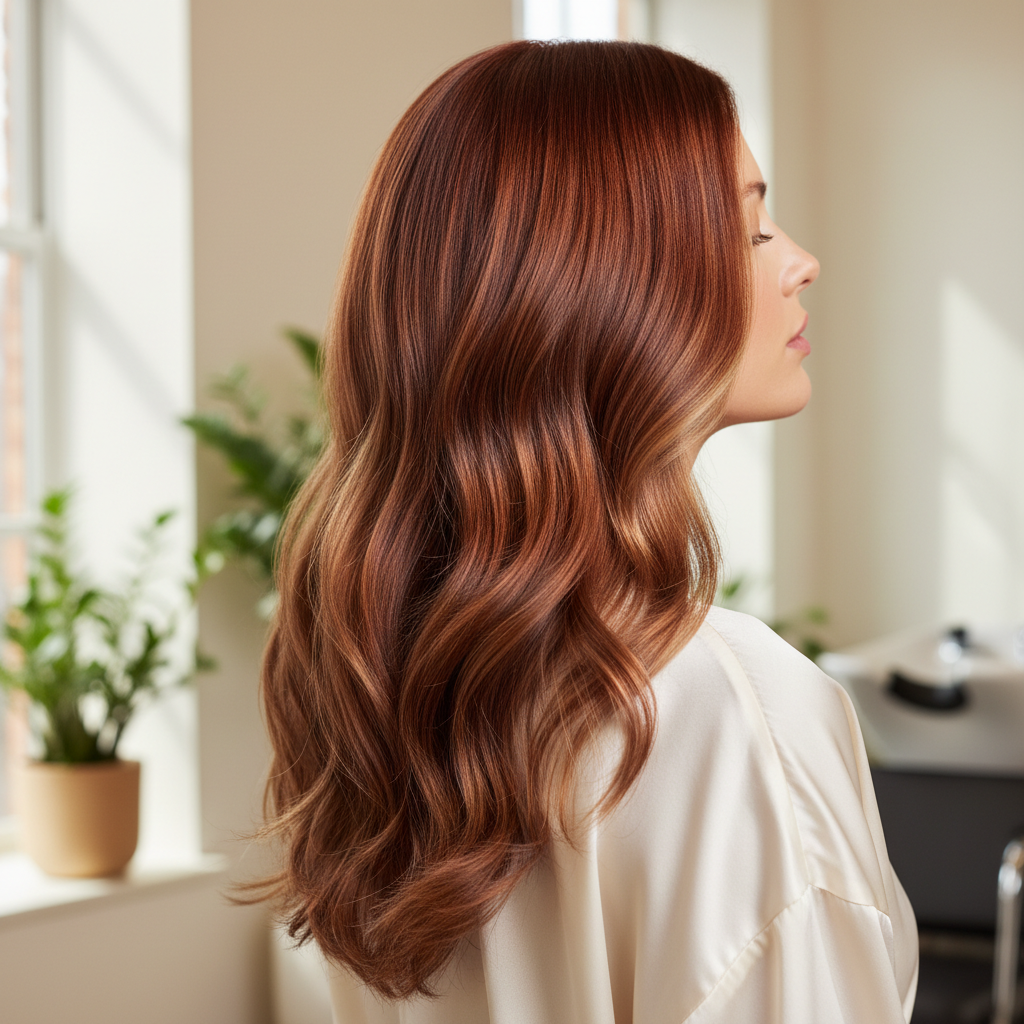
Quick answer: Colour-Treated Hair refers to hair that has undergone chemical processes to alter its natural colour, which can impact its structure and health. Proper care for Colour-Treated Hair focuses on minimising damage, preserving colour, and maintaining hydration, as the chemical treatments often increase porosity and moisture loss. The main limitation is that no cosmetic product can entirely reverse the structural changes caused by chemical colouration, only mitigate their effects and maintain appearance.
Key takeaways
- Chemical hair colouration can alter the hair's cuticle and cortex, leading to increased porosity and potential for damage.
- Colour-Treated Hair requires a specific care routine to minimise fading, dryness, and breakage.
- Gentle cleansing with sulfate-free products and proper conditioning are essential for maintaining colour vibrancy and hair health.
- Protection from heat, UV radiation, and harsh styling practices significantly prolongs the life and appearance of colour.
- Understanding the ingredients in haircare products helps in selecting those best suited for Colour-Treated Hair.
- Professional advice is important for initial colour application and when significant hair damage or scalp issues arise.
Colour-Treated Hair: what the evidence shows
Colour-Treated Hair is hair that has been chemically altered to change its pigment. This alteration typically involves processes that open the hair's outermost layer, the cuticle, to allow dye molecules to penetrate the cortex, where the natural pigment resides. The degree of chemical intervention varies depending on the type of colour service, ranging from temporary dyes that deposit colour on the surface to permanent dyes that chemically modify the hair's internal structure.
Permanent hair colouring, for example, typically uses an alkaline agent, such as ammonia, and an oxidising agent, usually hydrogen peroxide. The ammonia swells the hair shaft and lifts the cuticle, allowing the peroxide to decolourise the natural melanin and the dye precursors to penetrate and form new colour molecules within the cortex. This process, while effective for lasting colour change, can disrupt the hair's disulphide bonds and lipid layer, making the hair more porous and potentially weaker. Research published in the Journal of Cosmetic Science highlights how oxidative dyes can alter the amino acid composition of hair proteins, contributing to structural weakening (Robbins and Kelly, 1993).
Semi-permanent and demi-permanent colours generally involve less aggressive chemistry. Demi-permanent dyes use a lower concentration of peroxide and no ammonia, causing less cuticle lift and a less permanent colour change. Semi-permanent dyes typically deposit colour on the hair surface or just under the cuticle, fading more rapidly with washing and causing less structural damage. However, even these gentler methods can still affect hair condition if not cared for properly, as they still involve chemical interaction with the hair shaft.
The mechanism of damage in Colour-Treated Hair
The primary mechanism of damage in Colour-Treated Hair stems from the chemical reactions required to achieve colour change. When the cuticle is lifted to allow dye penetration, it can become rougher and less effective at protecting the inner cortex. This increased porosity means the hair can absorb and lose moisture more quickly, leading to dryness and frizz. The disruption to the hair's lipid layer and protein structure can reduce its tensile strength and elasticity, making it more prone to breakage. A study in the International Journal of Cosmetic Science found that chemical treatments, including dyeing, can significantly decrease the hair fibre's resistance to fracture (Lee et al., 2004).
Repeated chemical processes, particularly overlapping applications of permanent colour or combining colour services with other chemical treatments like perms or relaxers, can compound this damage. Each process further compromises the hair's integrity, leading to a cumulative effect that can result in brittle, dull, and damaged hair. The hair's natural defence mechanisms are weakened, making it more vulnerable to environmental stressors like UV radiation and heat styling.
What the evidence does not show
While chemical colouration indisputably alters hair structure, there is currently insufficient evidence to conclude that Colour-Treated Hair directly causes hair shedding (telogen effluvium) or hair loss (alopecia) from the scalp. Hair shedding is typically linked to internal physiological stressors or hormonal changes, affecting the hair follicle's growth cycle, not the hair shaft itself. Hair breakage, which is often increased in Colour-Treated Hair, can be mistaken for hair loss, but it is the fibre snapping along the shaft, not the hair falling from the root. If you experience significant hair shedding or scalp concerns, it's important to consult a medical professional.
Signs of damage in Colour-Treated Hair
Recognising the signs of damage in Colour-Treated Hair allows for timely intervention and adjustments to your haircare routine. These signs often indicate a compromised hair structure due to the chemical processes.
- Increased Porosity: Hair feels rough or coarse to the touch and dries very quickly after washing. It may also absorb styling products rapidly.
- Dullness and Lack of Shine: The hair's surface, particularly the cuticle, may be rough and uneven, preventing it from reflecting light smoothly. This can make the colour appear less vibrant.
- Dryness and Brittleness: The hair feels dry, stiff, and lacks its natural pliability. It may snap easily when stretched or combed.
- Split Ends and Breakage: You might notice split ends along the hair shaft or small pieces of hair breaking off, especially during brushing or styling.
- Fading or Uneven Colour: The colour may fade rapidly between washes or appear patchy, particularly at the ends, indicating the dye molecules are not retained effectively.
- Tangles: Damaged cuticles can cause hair strands to interlock and tangle more easily, making detangling difficult and leading to further breakage.
Essential care for Colour-Treated Hair
Caring for Colour-Treated Hair involves a multi-faceted approach focused on protecting its integrity, preserving colour, and replenishing lost moisture and strength. This approach helps to minimise damage and maintain a healthy appearance.
Cleansing and conditioning
Choosing the right cleansing and conditioning products is paramount for Colour-Treated Hair. Look for products specifically formulated for colour-treated hair, as these are designed to be gentler and more protective.
- Sulfate-free shampoo: Sulfates are strong detergents that can strip natural oils and artificial colour from the hair. Opt for sulfate-free shampoos, which cleanse gently without compromising colour integrity. These help to minimise cuticle swelling and colour washout. For more information, see our guide on 'Choosing the Right Shampoo: A Comprehensive Guide to Hair Cleansing'.
- Washing frequency and temperature: Wash hair less frequently to extend colour life. Over-washing can accelerate fading. When you do wash, use lukewarm or cool water, as hot water opens the cuticle, allowing colour to escape more readily. A final rinse with cool water helps to seal the cuticle, locking in moisture and colour.
- Colour-safe conditioner: Always follow shampoo with a conditioner formulated for Colour-Treated Hair. These conditioners help to reseal the cuticle, detangle, and replenish moisture lost during the colouring process. They often contain ingredients that form a protective barrier around the hair shaft, improving shine and manageability. Our guide 'The Science of Conditioners: How Hair Care Formulations Work' explains more.
- Deep conditioning treatments: Incorporate a deep conditioning treatment or hair mask once or twice a week. These provide intensive moisture and repair, helping to restore elasticity and shine. Look for ingredients like hydrolysed proteins, natural oils (like argan or shea butter), and humectants, which draw moisture into the hair. These treatments are vital for supporting 'Hair Hydration: The Science Behind Keeping Hair Moist'.
Protection from external stressors
Colour-Treated Hair is more susceptible to environmental damage. Protecting it from heat, UV rays, and harsh styling is crucial for maintaining its health and colour vibrancy.
- Heat protection: Heat styling tools (flat irons, curling irons, blow dryers) can cause significant damage and accelerate colour fading by further lifting the cuticle and evaporating moisture. Always use a heat protection spray before applying heat. These products create a barrier that minimises thermal damage. Our article 'Heat Styling: Understanding Its Effects and How to Protect Your Hair' provides more details.
- UV protection: Just like skin, hair needs protection from the sun's harmful UV rays. UV exposure can break down colour molecules, leading to fading and dullness, and further degrade hair proteins. Use leave-in products with UV filters or wear a hat when exposed to direct sunlight for extended periods.
- Gentle styling: Avoid tight hairstyles that can put stress on compromised hair, leading to breakage. Use wide-tooth combs to detangle wet hair, starting from the ends and working your way up gently to minimise pulling and snapping. Learn more in 'Hair Strengthening: An Evidence-Based Guide to Building Hair Resilience'.
Product ingredients for Colour-Treated Hair
Selecting products with beneficial ingredients and avoiding those that can exacerbate damage is key for Colour-Treated Hair.
| Category | Look For | Avoid |
|---|---|---|
| Cleansers | Sulfate-free, gentle surfactants (e.g., sodium cocoyl isethionate, cocamidopropyl betaine) | Sodium lauryl sulfate, sodium laureth sulfate, harsh chelating agents (unless for clarifying) |
| Conditioners | Moisturising oils (argan, coconut, shea butter), hydrolysed proteins (keratin, wheat), panthenol, silicones (in moderation for smoothing), humectants (glycerin, hyaluronic acid) | Heavy waxes, excessive alcohol (drying types), very high pH formulations |
| Styling | Heat protectants, UV filters, nourishing oils, light silicones, anti-frizz agents | High alcohol content, harsh strong-hold polymers, heavy gels or mousses that can cause stiffness |
When the cause may be something else and professional advice
While issues like dryness, dullness, or breakage in Colour-Treated Hair are often linked to the colouring process and subsequent care, sometimes other factors contribute. For instance, concerns like excessive hair shedding or scalp irritation may point to underlying conditions unrelated to the colour treatment itself. Factors like nutritional deficiencies, hormonal imbalances, stress, or certain medical conditions can all impact hair health. If you observe unusual hair shedding, significant thinning, persistent scalp itchiness, redness, or discomfort, it is advisable to consult a dermatologist or trichologist. These professionals can help diagnose the root cause and recommend appropriate treatments, distinguishing between cosmetic issues and medical conditions. They can also offer expert advice on managing hair damage, especially if it's severe, or if you're considering further chemical treatments on already compromised hair.
Frequently asked questions about Colour-Treated Hair
How often should I wash Colour-Treated Hair?
It's generally recommended to wash Colour-Treated Hair less frequently, ideally every 2 to 3 days, or even less if your hair allows. This helps to preserve the colour and natural oils. Using a dry shampoo between washes can help extend the time between wet washes. Lukewarm water is best, as hot water can open the cuticle and accelerate colour fading.
Can I use regular shampoo on Colour-Treated Hair?
Using regular shampoos on Colour-Treated Hair is generally not recommended, especially if they contain strong sulfates. These ingredients can strip artificial colour and natural moisture, leading to premature fading, dryness, and increased damage. Opt for shampoos specifically labelled "colour-safe" or "sulfate-free" to protect your colour and maintain hair health.
What ingredients should I avoid in products for Colour-Treated Hair?
For Colour-Treated Hair, it's best to avoid products containing strong sulfates (like sodium lauryl sulfate and sodium laureth sulfate), high concentrations of alcohol (which can be drying), and harsh chelating agents unless specifically used for clarifying to remove mineral build-up. These ingredients can strip colour, increase dryness, and compromise hair integrity.
How can I make my hair colour last longer?
To make your hair colour last longer, use colour-safe, sulfate-free shampoos and conditioners, wash with cool or lukewarm water, and reduce washing frequency. Protect your hair from heat styling with a heat protectant and from UV rays with leave-in products or hats. Regular deep conditioning and avoiding chlorine can also help preserve colour vibrancy for Colour-Treated Hair.
Is it safe to colour hair during pregnancy?
Evidence regarding the safety of hair colouring during pregnancy is mixed. While exposure to chemicals is generally minimal during topical application, some experts advise caution, particularly during the first trimester. Semi-permanent or demi-permanent dyes are often considered a safer alternative to permanent dyes. Always consult your doctor or midwife for personalised advice during pregnancy.
Conclusion
Caring for Colour-Treated Hair demands a thoughtful and consistent approach to mitigate the effects of chemical processing. By understanding the structural changes that occur during colouring, you can implement a routine focused on gentle cleansing, intensive conditioning, and protection from environmental stressors. Embracing colour-safe products and adopting careful styling practices are essential steps to maintain the vibrancy, health, and resilience of your Colour-Treated Hair. This dedicated care will help ensure your chosen colour remains brilliant and your hair strong.
Find these ingredients in Watermans products
- Shea Butter: you will find this ingredient in our Curly Hair Conditioner.
Watermans formulations are developed with ingredients that support the health and vibrancy of Colour-Treated Hair, focusing on gentle care and strengthening the hair fibre. Look for these key ingredients in our range:
- Argan Oil: A nourishing oil known for its moisturising and protective properties, found in Watermans Hair Growth Shampoo.
- Hydrolysed Wheat Protein: Helps to strengthen hair and reduce breakage, present in Watermans Hair Growth Shampoo and Conditioner.
- Shea Butter: A rich emollient that provides deep hydration, beneficial for moisturising the hair, found in Watermans Hair Growth Conditioner.
- Caffeine: Known for its stimulating properties for the scalp and hair follicles, present in Watermans Hair Growth Shampoo and Conditioner.
Sources and references
- Robbins, C. R., & Kelly, L. R. (1993). Amino acid analysis of human hair after oxidative treatments. Journal of Cosmetic Science, 44(2), 79-91.
- Lee, Y., Kim, Y. D., & Kim, S. Y. (2004). Evaluation of hair damage by instrumental analysis. International Journal of Cosmetic Science, 26(2), 99-106.
- The Cosmetic, Toiletry, and Fragrance Association. (2000). CTFA Cosmetic Ingredient Handbook. Washington, D.C.: CTFA. (General information on cosmetic ingredients and safety.)
- American Academy of Dermatology Association. (Ongoing). Hair care tips. aad.org (General hair care advice.)
- NHS. (Ongoing). Pregnancy and hair dyes. nhs.uk (Information on hair dye use during pregnancy.)