Hair Strengthening: An Evidence-Based Guide to Building Hair Resilience
10 min read ·
Hair strengthening focuses on improving the hair fibre's physical integrity and resistance to breakage, leading to healthier-looking, more resilient hair.
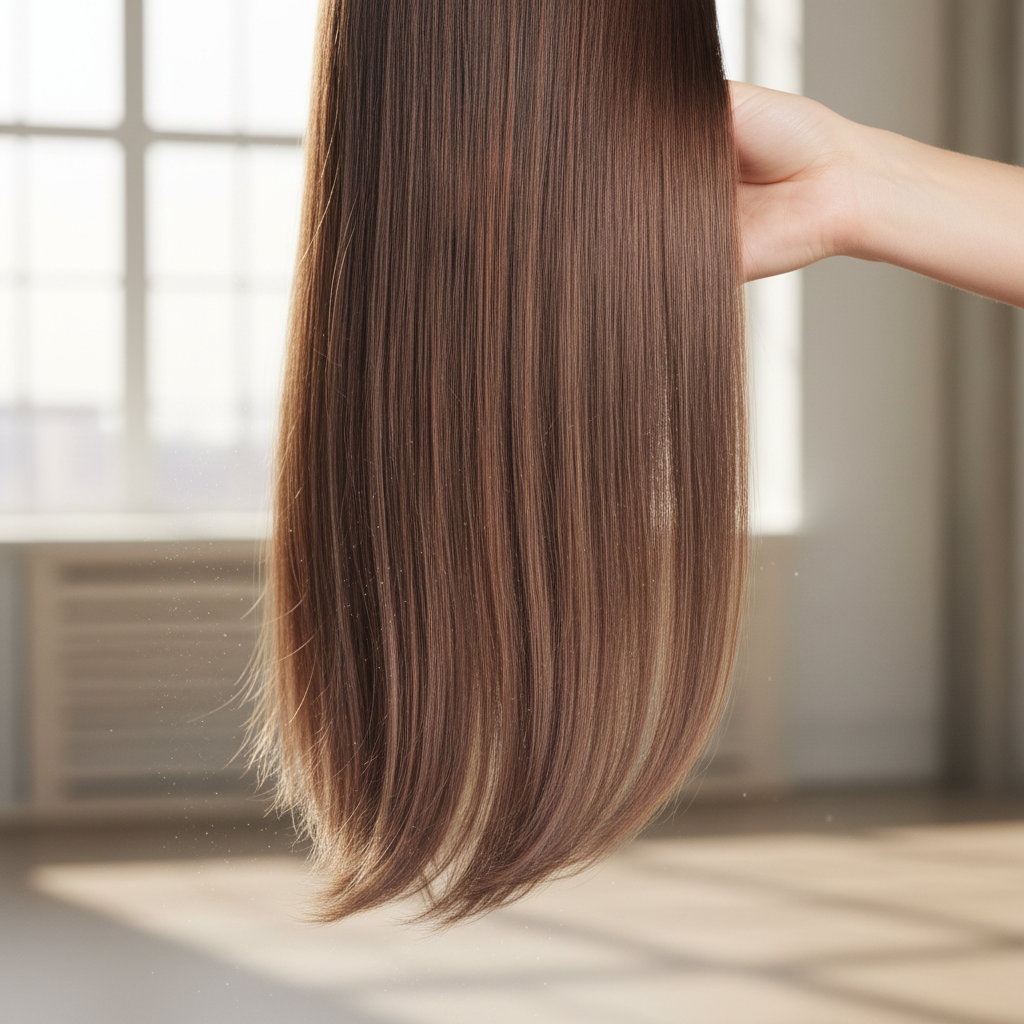
Quick answer: Hair strengthening refers to cosmetic approaches and ingredients that aim to improve the physical integrity and resilience of the hair fibre, making it more resistant to breakage and less prone to damage. While these methods can lead to visibly healthier and stronger-feeling hair, they do not treat or prevent genetic hair loss conditions or significantly alter the fundamental structure of the hair fibre itself. It's about managing and mitigating damage to the existing hair.
Key takeaways
- Hair strengthening primarily targets the hair shaft, reducing breakage rather than preventing hair loss from the follicle.
- Ingredients like hydrolysed proteins and amino acids can temporarily reinforce the hair's internal structure.
- Adequate moisture, achieved with humectants and emollients, is crucial for hair flexibility and strength.
- Protecting the hair cuticle helps maintain its structural integrity and resistance to external damage.
- Consistent care, including gentle handling and appropriate product choices, is essential for maintaining hair strength.
- True hair strengthening is a cosmetic benefit, making hair feel and look more resilient.
Hair Strengthening: what the evidence shows
Hair strengthening focuses on improving the hair fibre's resistance to physical, chemical, and environmental stressors. This isn't about making hair grow faster or thicker from the scalp, but rather about enhancing the resilience and integrity of the hair that has already emerged. The goal is to minimise breakage along the hair shaft, leading to hair that feels and appears stronger, smoother, and more robust.
The hair shaft is predominantly made of keratin protein, with its outermost layer, the cuticle, acting as a protective barrier. Damage to this cuticle, often from factors like heat styling, chemical treatments, or even harsh brushing, exposes the inner cortex, making the hair more vulnerable to breakage. Hair strengthening strategies work by reinforcing these structures, providing protection, and enhancing the hair's natural ability to withstand daily wear and tear.
How cosmetic ingredients strengthen hair
Cosmetic approaches to hair strengthening typically involve ingredients that work on the surface and within the outer layers of the hair shaft to improve its physical properties. These mechanisms include:
- Protein Reinforcement: Since hair is largely protein, ingredients like hydrolysed proteins (e.g., hydrolysed wheat protein, hydrolysed keratin) and amino acids can penetrate the damaged cuticle and cortex. These smaller protein fragments can temporarily bond to the hair's existing keratin structure, filling in gaps and reinforcing weakened areas. This makes the hair feel stronger and more resistant to stretching and snapping. For example, Hydrolysed Wheat Protein: What It Is and How It Benefits Your Hair explains how these molecules can improve hair elasticity and reduce breakage.
- Moisture and Flexibility: Well-hydrated hair is more flexible and less brittle, making it less likely to break. Humectants (like glycerin or hyaluronic acid) draw moisture from the environment into the hair, while emollients and oils help to seal this moisture in and smooth the cuticle. This improves the hair's pliability, allowing it to bend rather than break under stress. The article on Hair Hydration: The Science Behind Keeping Hair Moist provides more detail.
- Cuticle Sealing and Smoothing: An intact, smooth cuticle is crucial for hair strength. It acts as a protective shield, preventing moisture loss and damage to the cortex. Conditioners containing cationic surfactants or products with a slightly acidic pH (around 4.5 to 5.5, similar to hair's natural pH) help to flatten and seal the cuticle scales. This reduces friction, tangling, and vulnerability to damage, making hair feel smoother and look shinier.
- Protection from External Stressors: Some ingredients form a protective barrier on the hair surface to guard against environmental damage and styling stress. Heat protectants, for instance, minimise the impact of hot tools, while antioxidants can help neutralise free radicals from UV exposure and pollution that degrade hair proteins. This preventative approach is vital for maintaining existing hair strength and preventing future damage.
Hair strengthening vs. hair growth and anti-hair loss
It's important to clearly distinguish hair strengthening from hair growth or anti-hair loss treatments. Hair strengthening targets the existing hair fibre to reduce breakage and improve its cosmetic appearance and feel. It does not stimulate new hair growth from the scalp or address underlying causes of hair shedding or alopecia. For more information on the hair growth cycle, consult The Hair Growth Cycle: Understanding Hair’s Natural Journey.
If you are experiencing significant hair shedding or hair loss from the root, this is a different issue that requires professional medical advice, as it may indicate an underlying health condition or a form of alopecia.
Recognising the signs of weakened hair
Weakened hair often shows several tell-tale signs, indicating that the hair fibre is compromised and prone to breakage. Identifying these can help you understand when hair strengthening strategies might be beneficial.
- Breakage: The most obvious sign is hair snapping off along the shaft. You might notice short, broken pieces of hair in your brush, comb, or sink, rather than longer strands with a white bulb (which would indicate shedding from the root). This is different from hair loss, which involves the hair falling out from the follicle. Hair Damage: Causes, Signs, and Solutions elaborates on this distinction.
- Split Ends: When the cuticle is damaged, the hair shaft can fray, leading to split ends. This makes hair look uneven, dull, and can travel up the hair shaft, causing further weakening.
- Rough Texture: Healthy hair feels smooth due to intact cuticle scales. Weakened hair often feels rough, dry, or brittle to the touch, indicating raised or damaged cuticles.
- Lack of Elasticity: Healthy hair has a degree of elasticity; it can stretch slightly and return to its original length. Weakened hair may feel stiff or overly stretchy and snap easily when gently pulled.
- Dullness: A smooth cuticle reflects light, giving hair a natural shine. Damaged hair with a rough cuticle scatters light, making it appear dull and lifeless.
- Increased Tangling: Damaged or raised cuticle scales can interlock with each other, leading to more frequent tangling and knots, which in turn can cause more breakage during detangling.
If you observe several of these signs, incorporating hair strengthening products and practices into your routine could help improve the health and appearance of your hair.
Factors that weaken hair
Many common practices and environmental factors can compromise the integrity of the hair shaft, leading to weakened hair and increased breakage. Understanding these can help you minimise damage.
| Factor | Mechanism of Damage | Impact on Hair Strength |
|---|---|---|
| Heat Styling | High temperatures from flat irons, curling wands, and blow dryers can denature keratin proteins and evaporate internal moisture, causing structural changes. | Leads to brittle hair, increased breakage, and cuticle damage. |
| Chemical Treatments | Hair colouring, bleaching, perming, and relaxing alter the chemical bonds within the hair cortex, and can lift or damage the cuticle. | Severely weakens the hair's internal structure, making it highly susceptible to breakage and increased porosity. Refer to Chemical Hair Treatments: What They Are and How They Affect Hair. |
| Mechanical Stress | Aggressive brushing, tight hairstyles, rough towel-drying, and friction from pillowcases can physically abrade the cuticle and stretch the hair. | Causes cuticle damage, split ends, and breakage, especially when hair is wet and vulnerable. |
| UV Radiation | Prolonged exposure to sunlight (UVA and UVB) can degrade keratin proteins and hair pigments, causing oxidative damage. | Leads to dry, brittle hair, reduced elasticity, and colour fading. |
| Hard Water | High mineral content (calcium, magnesium) in hard water can accumulate on the hair, forming a film that makes it feel rough and less flexible. | Can lead to dryness, dullness, and increased friction, contributing to breakage over time. See Hard Water and Hair Damage: Understanding the Impact on Your Hair. |
| Environmental Pollution | Airborne pollutants and particulate matter can deposit on hair, causing oxidative stress and contributing to cuticle damage. | Can make hair dull, rough, and more prone to damage and breakage. |
What you can do for Hair Strengthening
To improve hair strength and resilience, a multi-faceted approach addressing both external protection and internal support is often most effective:
- Gentle Hair Care Practices: Avoid aggressive brushing, especially on wet hair. Use wide-tooth combs or detangling brushes, starting from the ends and working upwards. Loosen tight hairstyles to reduce tension on the hair shaft. Gentle towel-drying by squeezing water out rather than rubbing vigorously also helps.
- Protective Styling: Opt for hairstyles that minimise manipulation and exposure to harsh elements. Consider satin or silk pillowcases and hair wraps to reduce friction while sleeping.
- Regular Trims: Removing split ends prevents the damage from travelling further up the hair shaft, maintaining overall hair health and strength.
- Heat Protection: Always use a heat protectant product before applying heat styling tools. This creates a barrier that minimises thermal damage.
- Moisturise Regularly: Incorporate conditioners, leave-in treatments, and hair masks rich in humectants and emollients to ensure adequate hair hydration. For curly and afro hair types, consistent moisturising is key; refer to Moisturizing Afro Hair: An Evidence-Based Guide to Hydration and Care.
- Nutrient-Rich Diet: A balanced diet rich in proteins, vitamins (especially B vitamins, vitamin C, vitamin D, vitamin E), and minerals (iron, zinc) supports the overall health of hair from within. While dietary changes don't directly strengthen the fibre, they are crucial for producing healthy new hair.
When to seek professional advice
If you are experiencing significant hair thinning, excessive hair shedding from the root, or patchy hair loss, it's important to consult a dermatologist or trichologist. These symptoms often point to underlying medical conditions, nutritional deficiencies, or types of alopecia that cannot be addressed by cosmetic hair strengthening products alone. A professional can diagnose the cause and recommend appropriate medical treatments or interventions.
Frequently asked questions about Hair Strengthening
How long does it take to see results from hair strengthening products?
Results can vary depending on the product, the extent of the damage, and consistency of use. Generally, you might start to notice improvements in hair texture, reduced breakage, and increased shine within 4 to 8 weeks of regular use. Significant strengthening, especially for severely damaged hair, can take several months as healthier hair grows out and the treated hair improves.
Can hair strengthening products cause buildup?
Some hair strengthening products, particularly those rich in proteins or silicones, can potentially lead to buildup on the hair shaft if not rinsed thoroughly or if used excessively. This buildup can make hair feel heavy or dull over time. Regular clarifying washes, as described in How to Do a Clarifying Wash: A Guide to Deep Hair Cleansing, can help prevent and remove product accumulation.
Is hair strengthening suitable for all hair types?
Yes, hair strengthening treatments can benefit most hair types, especially those prone to breakage, dryness, or damage from styling and chemical processes. Fine hair can benefit from strengthening without being weighed down by choosing lighter formulations. Curly and afro hair types often require particular attention to moisture and protein balance to maintain strength and prevent breakage due to their unique structure.
Can diet affect hair strength?
Yes, a balanced diet rich in essential nutrients plays a vital role in the health of your hair follicles, which in turn influences the quality of the hair fibre produced. Deficiencies in proteins, iron, zinc, and certain vitamins can lead to weaker, more brittle hair. However, dietary changes primarily impact new hair growth and overall hair health, rather than directly strengthening existing hair fibres.
Watermans Hair Strengthening solutions
Watermans offers products formulated with ingredients designed to support hair strength and resilience. For example, our hair growth range incorporates hydrolysed lupin protein and rosemary extract, known for their potential to support healthy hair production from the scalp and improve hair fibre quality. These ingredients work to make hair feel more robust and resistant to breakage when used as part of a regular haircare routine.
Sources and references
- American Academy of Dermatology Association, "Hair Loss: Diagnosis and Treatment", Year: Current Information, URL: aad.org
- British Association of Dermatologists, "Hair loss and your skin", Year: Current Information, URL: bad.org.uk
- Journal of Cosmetic Science, "The Structure of Hair", Year: Various, Publisher: Society of Cosmetic Chemists
- PubMed Central, "The role of vitamins and minerals in hair loss: a review", Year: Various, Publisher: National Institutes of Health
- International Journal of Trichology, "Hair Breakage: An Overview", Year: Various, Publisher: Medknow Publications & Media Pvt Ltd
- University of California, San Francisco (UCSF) Health, "Hair Care", Year: Current Information, URL: ucsfhealth.org
- National Health Service (NHS), "Hair loss", Year: Current Information, URL: nhs.uk
Find these ingredients in Watermans products
- Rosemary Extract: you will find this ingredient in our Hair Growth Shampoo.
- Zinc: you will find this ingredient in our Hair Vitamins.