Shampoo: Understanding How it Cleanses Your Hair and Scalp
9 min read ·
Shampoo is a cosmetic cleansing product designed to remove oils, dirt, environmental pollutants, and product buildup from the hair and scalp without stripping natural moisture excessively.
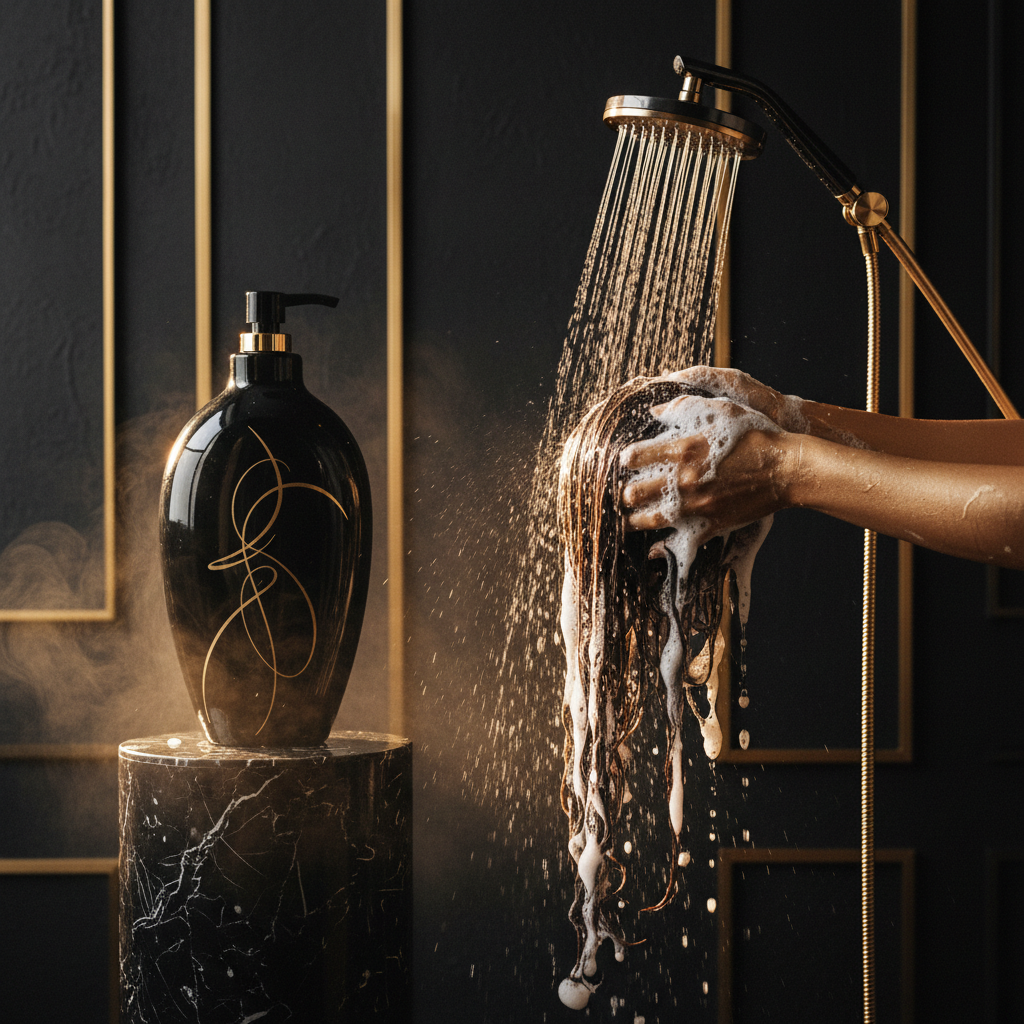
Quick answer: Shampoo is a cosmetic cleansing product formulated to remove oils, dirt, environmental pollutants, and product buildup from the hair and scalp. It works by using surfactant molecules to lift impurities, which are then rinsed away with water, leaving hair feeling clean and refreshed. The main limitation is that shampoo primarily addresses cosmetic concerns and scalp hygiene; it does not directly treat underlying medical conditions causing hair loss or other scalp issues.
Key takeaways
- Shampoo cleanses hair and scalp: Its primary role is to remove sebum, sweat, dead skin cells, and product residue, preventing build-up that can weigh hair down or contribute to scalp irritation.
- Surfactants are key: These surface-active agents, with their water-loving and oil-loving ends, encapsulate dirt and oil, allowing them to be rinsed away with water.
- pH balance matters: Shampoos formulated with a pH close to hair's natural acidity (around 4.5 to 5.5) help maintain the hair cuticle's integrity, reducing frizz and potential damage.
- Beyond cleansing: Many shampoos include conditioning agents, thickeners, preservatives, and specific active ingredients to address diverse hair and scalp needs.
- Not a medical treatment: While promoting scalp hygiene, shampoo is a cosmetic product and does not cure medical conditions like alopecia or severe dermatological issues.
Shampoo: What the Evidence Shows About Cleansing Power
Shampoo is a sophisticated cosmetic product specifically engineered to clean hair and the scalp effectively. Its core function relies on surface-active agents, or "surfactants", which allow water and oil to mix and facilitate the removal of impurities. The scalp, like the rest of the skin, produces sebum, a natural oil that lubricates and protects the hair. However, an accumulation of sebum, sweat, dead skin cells, environmental dust, and styling product residue can make hair appear greasy, weigh it down, and potentially lead to scalp irritation if not regularly removed (SCCS, 2012). Regular use of an appropriate Shampoo helps maintain scalp hygiene and the cosmetic appearance of hair.
The Mechanism of Cleansing: How Shampoo Works
The cleansing action of Shampoo stems directly from its surfactant content. Surfactants are unique molecules that possess both a hydrophilic (water-attracting) head and a lipophilic (oil-attracting) tail. When Shampoo is applied to wet hair:
- Adhesion: The lipophilic tails of the surfactant molecules attach themselves to the oily deposits, dirt, and product buildup on the hair shaft and scalp.
- Emulsification: As water is added and the hair is massaged, the surfactants surround these impurities, forming tiny structures called micelles. The lipophilic tails are oriented inwards, trapping the oil and dirt, while the hydrophilic heads face outwards, interacting with the water.
- Rinsing: These micelles, now suspended in water, are easily rinsed away, taking the encapsulated impurities with them. This process effectively cleanses the hair and scalp without the need for harsh scrubbing (Gavazzoni Dias, 2015).
Common Surfactant Types in Shampoo
Surfactants are broadly classified by their electrical charge. Each type contributes differently to the cleansing profile of a Shampoo:
- Anionic Surfactants: These are the most prevalent and potent cleansing agents, known for producing a rich lather. Examples include Sodium Lauryl Sulfate (SLS) and Sodium Laureth Sulfate (SLES). They carry a negative charge and are highly effective at removing oil and dirt, though some individuals find them too stripping.
- Amphoteric Surfactants: Milder than anionic types, their charge can vary (positive, negative, or neutral) depending on the pH of the product. They are often included to temper the harshness of anionic surfactants and are common in gentle or baby shampoos. Cocamidopropyl Betaine is a frequent example.
- Non-ionic Surfactants: These lack an electrical charge and are generally very mild. While they produce less lather, they are excellent at emulsifying oils and are often used as co-surfactants in formulations for sensitive scalps.
pH Balance and Hair Health
The pH scale measures acidity or alkalinity. A neutral pH is 7, with values below 7 being acidic and above 7 being alkaline. Human hair and the scalp's natural protective layer, known as the acid mantle, have an average pH of approximately 4.5 to 5.5 (Gavazzoni Dias, 2015). Shampoos are often formulated to be "pH-balanced", meaning their pH falls within this slightly acidic range. This is important because:
- Cuticle Integrity: An acidic pH helps to keep the hair's outermost layer, the cuticle, lying flat and smooth. This contributes to shine, reduces tangling, and minimises frizz. You can learn more about this in The pH Scale and Hair.
- Alkaline Impact: Shampoos with an alkaline pH (above 7) can cause the hair cuticle to swell and lift, potentially leading to increased porosity, tangling, and a dull appearance. This can also leave hair more vulnerable to damage.
Key Ingredients in Shampoo Beyond Cleansers
While surfactants are fundamental for cleansing, Shampoos contain a variety of other ingredients to enhance performance, user experience, and address specific hair concerns:
- Conditioning Agents: Ingredients like silicones, polyquaterniums, and some natural oils help to smooth the hair cuticle, reduce static electricity, improve combability, and impart softness and shine. These are particularly beneficial for damaged or chemically treated hair.
- Thickeners: Compounds such as sodium chloride (salt) or various polymers are added to achieve a desirable viscosity, making the Shampoo easier to dispense and apply.
- Foam Boosters: Although not directly linked to cleansing effectiveness, ingredients like cocamide MEA or DEA are often included to enhance lather. Many consumers associate a rich lather with thorough cleansing.
- Preservatives: To prevent microbial growth (bacteria, fungi) and extend the product's shelf life, preservatives such as phenoxyethanol are crucial.
- Fragrances and Colourants: These are added for cosmetic appeal and to improve the sensory experience during use.
- Active Ingredients: Depending on the Shampoo's purpose, it may contain specific ingredients targeting particular issues. Examples include salicylic acid or zinc pyrithione for dandruff (see Dandruff: Causes and Treatments Explained), or ingredients like rosemary extract for stimulating the scalp (see Rosemary Extract for Hair) or peptides for strengthening the hair fibre. However, it's important to note that many of these are cosmetic claims; Shampoo has limited contact time with the scalp and hair, which can restrict the efficacy of some active ingredients.
Types of Shampoo for Different Needs
Shampoo formulations are highly varied, designed to cater to a wide range of hair types, concerns, and desired outcomes. Choosing the Right Shampoo for Your Hair Type is crucial for optimal results.
| Type of Shampoo | Best For | Key Characteristics |
|---|---|---|
| Clarifying Shampoo | Oily hair, product buildup, swimmers | Contains stronger surfactants to deeply cleanse; removes heavy residue and mineral deposits. |
| Moisturising Shampoo | Dry, coarse, curly, or damaged hair | Rich in conditioning agents, emollients, and humectants to hydrate and soften. |
| Volumising Shampoo | Fine, limp hair | Lighter formulations, often containing polymers that can temporarily lift the hair shaft. |
| Colour-Safe Shampoo | Colour-treated hair | Typically sulfate-free or uses milder surfactants; pH-balanced to preserve hair colour. |
| Dandruff Shampoo | Flaky, itchy scalp | Contains active antifungal or keratolytic ingredients like zinc pyrithione or salicylic acid. |
| Gentle/Daily Shampoo | Normal hair, frequent washing | Balanced cleansing without excessive stripping; suitable for everyday use. |
| Dry Shampoo | Extending time between washes, oily roots | Powder-based; absorbs excess oil and refreshes hair without water. |
How to Use Shampoo Effectively
Proper application of Shampoo can significantly impact its efficacy and your hair's health:
- Wet Hair Thoroughly: Ensure your hair is completely saturated with warm water. This helps to distribute the Shampoo evenly and activate the surfactants.
- Apply Sparingly: Dispense a small amount of Shampoo, typically a coin-sized dollop, into your palm. More is not necessarily better and can lead to residue.
- Focus on the Scalp: Gently massage the Shampoo into your scalp using your fingertips. The scalp is where most oil, sweat, and dead skin cells accumulate. The lather will naturally cleanse the hair strands as it rinses down.
- Lather and Distribute: Work the Shampoo into a lather, ensuring it reaches all areas of the scalp. For very long or thick hair, you might need slightly more product.
- Rinse Thoroughly: This is a crucial step. Rinse your hair with lukewarm water until all traces of Shampoo and lather are gone. Residual Shampoo can make hair feel heavy, look dull, or even irritate the scalp. A second lather and rinse may be beneficial for very oily hair or after significant product use.
Following up with a conditioner, as detailed in The Science of Conditioners: How Hair Care Formulations Work, is often recommended to restore moisture and smooth the hair cuticle after cleansing.
Frequently asked questions about Shampoo
Does Shampoo cause hair loss?
No, there is no scientific evidence to suggest that regular, appropriate use of Shampoo causes hair loss (alopecia) or significantly contributes to hair shedding. Its primary role is cosmetic cleansing. Hair loss is typically linked to genetic factors, hormonal imbalances, medical conditions, or specific medications. If you are experiencing unusual hair shedding or loss, it's important to consult a healthcare professional rather than blaming your Shampoo.
How often should I use Shampoo?
The ideal frequency for using Shampoo varies greatly depending on your hair type, scalp oiliness, activity level, and environmental factors. Some individuals with very oily scalps might need to shampoo daily, while those with dry, curly, or afro-textured hair (see Caring for Afro Hair) might wash once or twice a week. Over-shampooing can sometimes lead to a dry scalp, while under-shampooing can result in product buildup. Listen to your hair and scalp to find what works best for you.
Can Shampoo make my hair grow faster?
Cosmetic Shampoo products cannot make hair grow faster. Hair growth rate is genetically determined, averaging about 1 to 1.5 centimetres per month. While some shampoos contain ingredients marketed to stimulate the scalp, these are primarily designed to create a healthy environment for existing hair or make hair appear fuller. There is no evidence that a cosmetic Shampoo can alter the fundamental rate of hair growth.
Is "sulfate-free" Shampoo always better?
Evidence is mixed regarding whether "sulfate-free" Shampoo is universally better. Sulfates (like SLS and SLES) are effective cleansers. For some, particularly those with sensitive scalps, colour-treated, or very dry hair, sulfate-free options can be gentler and less likely to strip natural oils or colour. However, for those with very oily hair or significant product buildup, sulfate-free shampoos may not cleanse as thoroughly. The choice often comes down to individual hair and scalp needs. For more, see Sulfate-Free Shampoo Benefits.
Can Shampoo damage my hair?
Using an inappropriate Shampoo, or shampooing too aggressively, can potentially contribute to hair damage or dryness. For example, a Shampoo that is too harsh or has a very high pH can lift the cuticles, leading to frizz and vulnerability. Likewise, vigorous scrubbing or excessive hot water during washing can weaken hair strands. However, correctly used, a well-formulated Shampoo is designed to cleanse without causing damage. The primary cause of hair breakage is usually mechanical stress, heat styling, or chemical treatments, not the Shampoo itself (Gavazzoni Dias, 2015).
Investing in Healthy Hair with Watermans Shampoo
Watermans offers a range of Shampoos formulated to support hair and scalp health. Our "Grow Me" range, for instance, is designed with a blend of ingredients including hydrolysed lupin protein, niacinamide (Vitamin B3), and rosemary extract, aiming to create an optimal environment for existing hair. These formulations focus on cleansing the scalp gently while providing beneficial ingredients that support the hair follicle. The range is designed for those looking for cosmetic support to hair that feels stronger and looks fuller.
Sources and references
- Scientific Committee on Consumer Safety (SCCS). (2012). Opinion on Sodium Lauryl Sulfate. European Commission.
- Gavazzoni Dias, M. F. R. (2015). Hair Cosmetics: An Overview. International Journal of Trichology, 7(1), 2-15. DOI: 10.4103/0974-7753.153493
- National Health Service (NHS). (2023). Hair loss. Retrieved from NHS.uk
- PubMed Central. (Undated). General resource for peer-reviewed biomedical literature.
- American Academy of Dermatology Association (AAD). (Undated). General resource for dermatology information. Retrieved from aad.org
Find these ingredients in Watermans products
- Rosemary Extract: you will find this ingredient in our Hair Growth Shampoo.
- Zinc: you will find this ingredient in our Hair Vitamins.
- Niacinamide: you will find this ingredient in our Hair Mask.