Conditioner: How It Works, Benefits, and Choosing the Right One
11 min read ·
Conditioner is a haircare product applied after shampooing to improve the hair's texture, appearance, and manageability by smoothing the cuticle and reducing friction, though it does not treat underlying hair loss conditions.
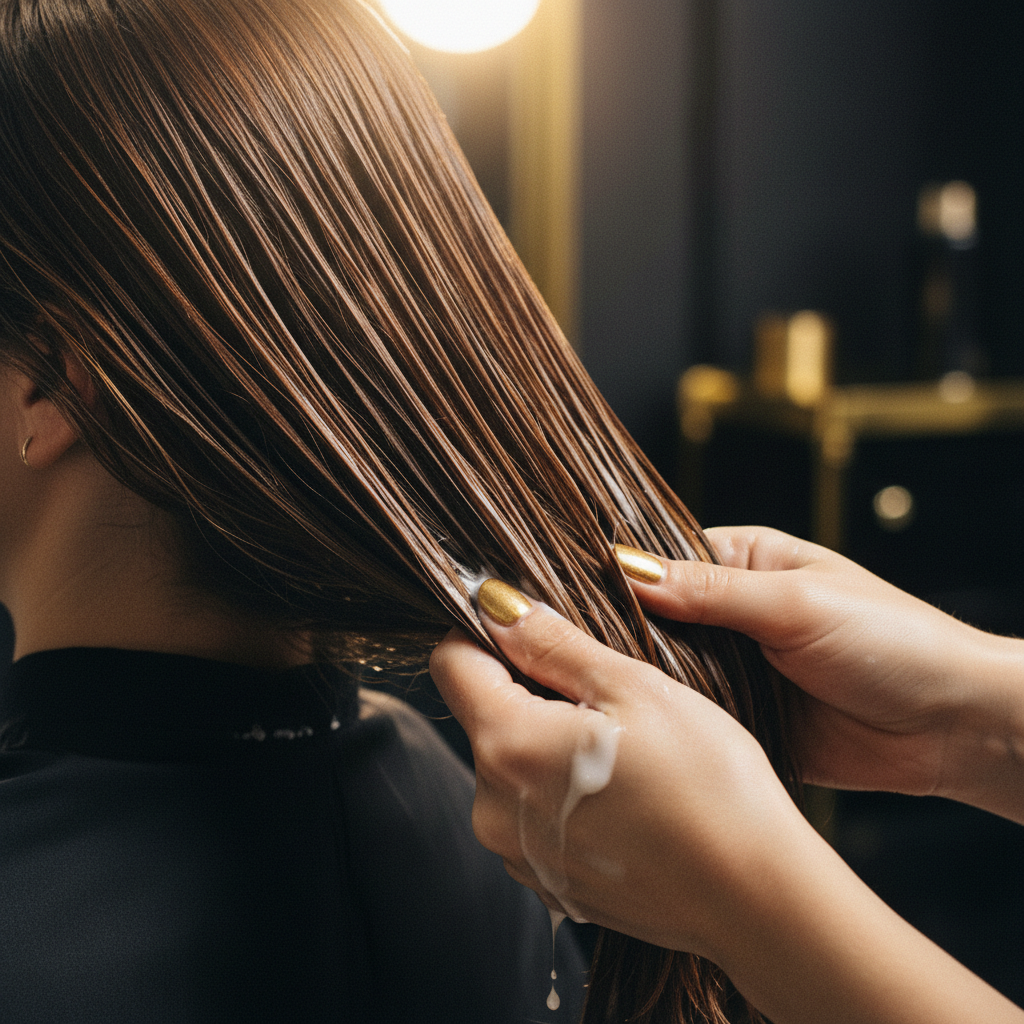
Quick answer: Conditioner is a haircare product designed to enhance the physical properties of hair, such as softness, shine, and manageability. Applied after shampooing, it works by depositing ingredients onto the hair shaft to smooth the cuticle, reduce static, and help retain moisture. While conditioner significantly improves hair's cosmetic appearance and feel, it does not treat or prevent medical conditions causing hair loss or shedding.
Key takeaways
- Conditioner primarily works by smoothing the hair's outer cuticle layer and neutralising static charges, improving its texture and appearance.
- It helps to reduce friction between hair strands, making detangling easier and potentially minimising hair breakage.
- Different types of Conditioner, such as rinse-out, leave-in, and deep conditioners, offer varying levels of hydration and repair for diverse hair needs.
- Key ingredients often include cationic surfactants, fatty alcohols, humectants, emollients, and sometimes proteins, each contributing to specific benefits.
- Choosing the right Conditioner depends on your hair type, concerns, and desired benefits, from lightweight options for fine hair to intensive treatments for dry or damaged hair.
Conditioner: what the evidence shows
Conditioner is a cornerstone of modern haircare, primarily focused on improving the cosmetic feel and appearance of the hair fibre. Its efficacy lies in its ability to interact directly with the hair shaft, particularly after it has been cleansed with shampoo. Shampoo, while essential for removing dirt and oil, can sometimes leave the hair feeling rough, tangled, and prone to static due to its cleansing action, which can raise the hair's outer cuticle layers.
Conditioner works to counteract these effects. The primary mechanism involves positively charged ingredients (cationic surfactants) that bind to the negatively charged surface of wet hair. This binding action neutralises static electricity, which in turn helps to smooth down the raised cuticle scales. When the cuticle scales lie flat, the hair reflects light more uniformly, appearing shinier and feeling smoother. This effect also reduces friction between individual hair strands, making the hair easier to comb and detangle, thus helping to minimise mechanical hair breakage during styling.
Beyond surface smoothing, conditioners also deposit a range of beneficial ingredients onto the hair. These can include emollients and oils that provide a lubricating layer, humectants that attract and hold moisture, and sometimes proteins that can temporarily reinforce the hair structure. The result is hair that is softer, more pliable, less frizzy, and easier to manage. Cosmetic benefits, such as reduced flyaways and enhanced shine, are consistently observed with regular conditioner use. While conditioner does not alter the biological process of hair growth or treat conditions like alopecia, its ability to improve hair's resilience can indirectly support the appearance of healthier hair by reducing damage that might otherwise lead to visible thinning from breakage.
How Conditioner works: the mechanism
Understanding how Conditioner functions provides insight into its benefits for your hair.
Neutralising surface charge
Hair, especially after being washed with shampoo, often carries a negative electrical charge. This charge can cause individual hair strands to repel each other, leading to static, frizz, and tangling. Most conditioners contain cationic surfactants, which are molecules with a positive electrical charge. These positively charged molecules are attracted to the negatively charged areas on the hair shaft, much like magnets. When they bind, they neutralise the static charge, allowing the hair strands to lie more smoothly alongside each other. This neutralisation is a key reason why hair feels less frizzy and easier to manage after conditioning.
Smoothing the cuticle
Picture the outer layer of your hair, the cuticle, as overlapping shingles on a roof. When hair is dry, damaged, or subjected to alkaline products (like some shampoos), these cuticle scales can lift and become rough. This rough surface makes hair prone to tangling, dullness, and breakage. Conditioner ingredients, particularly the cationic surfactants and fatty alcohols, work to smooth and flatten these lifted cuticle scales. A smooth cuticle reflects light more effectively, giving hair a glossy appearance, and reduces friction, which is crucial for easier detangling and preventing physical damage. You can find more detail on this interaction in our "The Science of Conditioners: How Hair Care Formulations Work" entry.
Providing lubrication and moisture
Many conditioners incorporate emollients, oils, and humectants. Emollients and natural oils (like shea butter or argan oil) create a thin, lubricating film on the hair surface. This film reduces friction during combing and brushing, protecting the hair from mechanical stress and potential breakage. Humectants, such as glycerin or panthenol, draw moisture from the air into the hair shaft, helping to hydrate the hair and prevent dryness. This added moisture and lubrication contribute to increased hair elasticity and a softer feel, as discussed in "Hair Hydration: The Science Behind Keeping Hair Moist".
Temporary fibre reinforcement
Some conditioners include proteins (like keratin or wheat protein hydrolysates) that can temporarily fill in gaps and rough spots along the hair shaft. While these do not permanently repair damaged hair, they can provide a temporary smoothing and strengthening effect, making the hair feel more robust and less prone to breakage. This is particularly beneficial for chemically treated or mechanically damaged hair.
Types of Conditioner
Different Conditioner formulations are designed to address specific hair needs and provide varying levels of intensity.
Rinse-Out Conditioner
This is the most common type of Conditioner, applied after shampooing and then rinsed thoroughly from the hair. It provides daily hydration, detangling, and cuticle smoothing. Rinse-out conditioners typically have a lighter consistency and are suitable for most hair types, offering general manageability and shine without weighing the hair down.
Leave-In Conditioner
As the name suggests, leave-in conditioners are applied to damp hair after washing and are not rinsed out. They provide continuous hydration, protection from environmental stressors, and aid in styling. They are particularly beneficial for dry, damaged, curly, or coily hair that requires extra moisture and protection throughout the day. Leave-in conditioners can also help with frizz control and provide a light hold, as explored in "Dealing with Frizzy Hair" and "How to Stop Curly Hair from Frizzing".
Deep Conditioner (Hair Mask)
Often referred to as hair masks, deep conditioners are intensive treatments with higher concentrations of conditioning agents, nourishing oils, and sometimes proteins. They are typically used once or twice a week and left on the hair for an extended period (typically 10 to 30 minutes) before rinsing. Deep conditioners are formulated to provide deep hydration, repair significant damage, and strengthen the hair shaft, making them ideal for very dry, damaged, brittle, or chemically treated hair, helping to restore elasticity and softness.
Co-Wash (Conditioner-Only Wash)
Co-washing involves using a conditioning cleanser instead of a traditional shampoo. These products contain mild cleansing agents along with a high concentration of conditioning ingredients. Co-washing is popular among individuals with very dry, curly, or coily hair, as it cleanses without stripping natural oils, helping to maintain moisture and prevent frizz and breakage, which is a common concern for these hair types. See "Caring for Afro Hair" for more information.
Dry Conditioner
Similar in format to dry shampoo but with a different purpose, dry conditioner aims to add softness, shine, and manageability to dry hair between washes. It typically comes in a spray form and can help refresh ends, tame flyaways, and reduce static without needing to wet the hair. It's a quick solution for a touch-up or to extend the life of a style.
Choosing the right Conditioner for your hair
Selecting an appropriate Conditioner is crucial for achieving your desired hair health and appearance goals. The best choice depends on your hair type, its current condition, and any specific concerns you wish to address.
| Hair Type/Concern | Recommended Conditioner Focus | Key Benefits |
|---|---|---|
| Fine or Oily Hair | Lightweight, Volumising, Silicone-free rinse-out Conditioner. | Adds softness and shine without weighing hair down; reduces oil buildup at roots. |
| Dry or Damaged Hair | Hydrating, Repairing, Deep Conditioner, Leave-in Conditioner. | Provides intense moisture, helps to smooth lifted cuticles, improves elasticity, reduces breakage. |
| Curly or Coily Hair | Moisturising, Curl-defining, Co-wash, Leave-in Conditioner. | Enhances curl pattern, reduces frizz, provides intense hydration, maintains natural oils. |
| Colour-Treated Hair | Colour-safe, Sulfate-free, pH-balanced rinse-out Conditioner. | Helps prevent colour fading, maintains vibrancy, protects hair from damage caused by chemical processing. |
| Frizzy Hair | Smoothing, Anti-frizz, Leave-in Conditioner, Humectant-rich. | Seals cuticle, reduces static, controls flyaways, improves smoothness in humid conditions. |
For fine or oily hair, focus on applying Conditioner primarily to the mid-lengths and ends, avoiding the scalp, to prevent excess oiliness and limpness. Those with dry or damaged hair may benefit from using a deep Conditioner once or twice a week in addition to their regular rinse-out Conditioner. Curly and coily hair types often thrive with leave-in conditioners to provide continuous moisture and help define their natural texture. Colour-treated hair benefits from formulations designed to protect colour molecules and prevent premature fading, as detailed in "Maintaining Colour-Treated Hair: Maintaining Colour-Treated Hair: A Guide to Longevity and Health".
Application Tips:
- After shampooing, gently squeeze excess water from your hair. Hair that is too wet will dilute the Conditioner, making it less effective.
- Dispense an appropriate amount of Conditioner into your palm. The amount will vary depending on hair length and thickness, but usually a 10 pence to 50 pence coin-sized amount is sufficient.
- Apply Conditioner primarily to the mid-lengths and ends of your hair, where it is typically drier and more prone to damage. For most hair types, applying directly to the roots can lead to greasiness or weigh the hair down. However, very dry or curly hair types may benefit from some root application if product is thoroughly rinsed.
- Use your fingers or a wide-tooth comb to distribute the Conditioner evenly through your hair, gently detangling any knots while the product is in.
- Allow the Conditioner to sit for the recommended time, usually 1 to 5 minutes for rinse-out types, and longer for deep conditioners (as per product instructions). This allows the ingredients to penetrate and work effectively.
- Rinse thoroughly with cool or lukewarm water until the hair feels smooth and free of residue. Rinsing with cooler water can help to seal the cuticle and enhance shine.
Frequently asked questions about Conditioner
Is Conditioner good for all hair types?
Yes, Conditioner is generally beneficial for all hair types. While the specific formulation and application method may vary, nearly everyone can benefit from the smoothing, detangling, and moisture-improving properties of Conditioner. Fine hair might require lighter formulations, while dry or coarse hair often benefits from richer, more intensive conditioners.
Can Conditioner cause hair loss?
No, Conditioner itself does not cause hair loss, which refers to the cessation of hair growth from the follicle. However, incorrect application, such as applying heavy conditioners directly to the scalp and not rinsing thoroughly, can sometimes lead to product buildup that may irritate the scalp or contribute to clogged pores, potentially affecting the health of the hair follicle. This is distinct from actual hair loss, which is often a result of medical conditions or hormonal changes.
How often should I use Conditioner?
Most people benefit from using Conditioner every time they wash their hair with shampoo. If you have very dry, coarse, or curly hair, you might even consider co-washing on non-shampoo days. For those with oily hair, using a lightweight conditioner on the ends only, or less frequently, might be more suitable. It depends on your hair's individual needs and how it responds.
What's the difference between Conditioner and a hair mask?
The primary difference lies in concentration and intensity. A Conditioner is typically a daily product designed for surface smoothing and light hydration, left on for a few minutes. A hair mask, or deep conditioner, is a more intensive treatment with higher concentrations of active ingredients, designed for deeper penetration and repair. It's usually used once or twice a week and left on for a longer duration to provide more substantial benefits.
Does Conditioner help with hair breakage?
Conditioner can significantly help reduce hair breakage, though it doesn't prevent hair from shedding or falling out from the root. By smoothing the hair cuticle, reducing friction, and making hair easier to detangle, Conditioner minimises the mechanical stress placed on hair during washing, combing, and styling. This reduced stress means fewer strands snapping along the shaft.
Can I use Conditioner on my scalp?
Generally, for most hair types, it's best to apply Conditioner primarily to the hair shaft, from mid-lengths to ends. For very dry scalps, some lightweight conditioners or dedicated scalp conditioners can be used. However, applying heavy conditioners directly to the scalp can sometimes lead to product buildup, weigh hair down, or contribute to an oily scalp. Always rinse thoroughly if applying near the scalp.
Watermans and Conditioner
Watermans hair care range includes conditioners designed to complement our shampoos, focusing on maintaining hair strength and vitality. Our formulations aim to provide effective conditioning benefits, leaving hair feeling soft, detangled, and more manageable. For individuals with afro, curly, or wavy hair, our Frojus range offers specific conditioning products that cater to the unique hydration and detangling needs of these hair types, helping to reduce breakage and enhance natural curl patterns. All Watermans and Frojus conditioning products are formulated with ingredients selected to support the cosmetic appearance of healthy, strong-feeling hair.
Sources and references
- American Academy of Dermatology Association, Hair care: How to wash hair, https://www.aad.org/public/everyday-care/hair-care-basics/wash/how-to-wash-hair
- Gavazzoni Dias, M. F. R. (2015). Hair Cosmetics: An Overview. International Journal of Trichology, 7(1), 2-15. https://www.ncbi.nlm.nih.gov/pmc/articles/PMC4387693/
- Wickett, R. R. (2012). Hair and Scalp. In M. B. Loden & H. I. Maibach (Eds.), Treatment of Dry Skin Syndrome (pp. 201-210). Springer. DOI: 10.1007/978-3-642-27618-4_15
- National Health Service (NHS), Hair loss, https://www.nhs.uk/conditions/hair-loss/
- Journal of Cosmetic Science, Hair Conditioners: A Review of the Mechanisms and Formulations, 2007.
- Journal of the Society of Cosmetic Chemists, The Science of Hair Care: Conditioning Agents, 2009.
Find these ingredients in Watermans products
- Argan Oil: you will find this ingredient in our Hair Growth Shampoo.
- Panthenol (Provitamin B5): you will find this ingredient in our Heat Protection Spray.
- Shea Butter: you will find this ingredient in our Curly Hair Conditioner.