Understanding Scalp Barrier Function: The Science of Scalp Health
8 min read ·
A complete scientific guide to Understanding Scalp Barrier Function, detailing the stratum corneum, lipid protection, pH balance, and how to stop irritation.
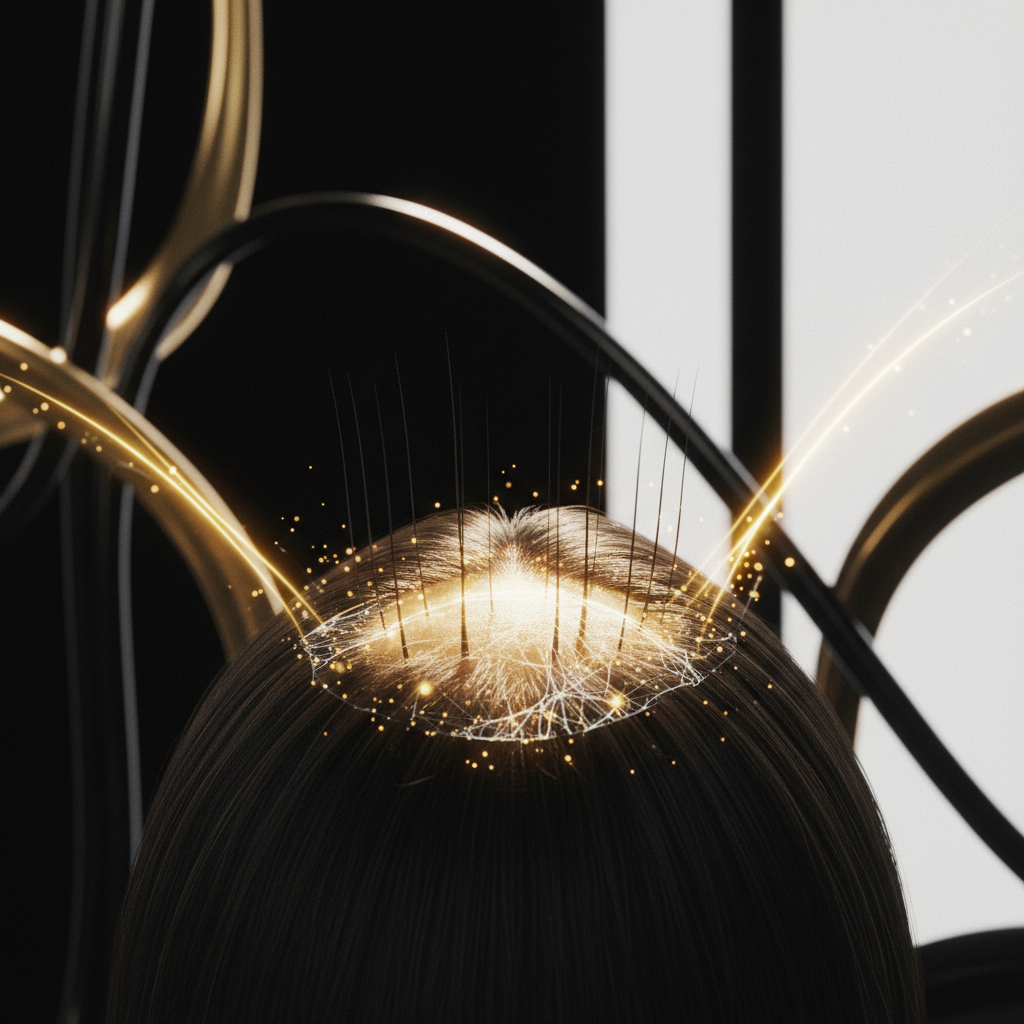
Quick answer: Understanding Scalp Barrier Function means recognising how the outermost layer of your scalp, the stratum corneum, keeps vital hydration locked inside while blocking external irritants, microbes, and pollutants. When this physical, chemical, and biological shield is compromised, you face chronic itching, flaking, inflammation, and potential hair shedding. While a balanced barrier creates the ideal physiological environment for robust hair growth, repairing it alone will not cure genetic hair loss such as androgenetic alopecia.
Key takeaways
- The scalp barrier relies on a delicate "bricks and mortar" structure of corneocytes held together by ceramides, cholesterol, and free fatty acids.
- An acidic surface pH, ideally between 4.5 and 5.5, maintains the acid mantle that keeps opportunistic pathogens like Malassezia in check.
- High transepidermal water loss (TEWL) is the clinical hallmark of an impaired scalp barrier, leading to dryness, redness, and micro-inflammation.
- Follicular micro-inflammation caused by barrier breakdown can disrupt the normal hair cycle, triggering telogen effluvium rather than permanent follicle loss.
- Gentle cleansing, barrier-supporting lipids, and avoiding harsh surfactants form the foundation of effective barrier restoration.
Understanding Scalp Barrier Function: what the evidence shows
Understanding Scalp Barrier Function begins with dermatological histology. The scalp's skin is structurally unique compared to the rest of the body. It features a high density of terminal hair follicles, an abundance of active sebaceous glands, and an elevated microbial population.

Clinical research published in the International Journal of Cosmetic Science demonstrates that the scalp's stratum corneum is naturally thinner and more permeable than skin on the forearm or abdomen. It consists of dead, keratin-packed cells called corneocytes (the "bricks") embedded within a complex lipid matrix composed roughly of 50% ceramides, 25% cholesterol, and 15% free fatty acids (the "mortar").
When this matrix is intact, it prevents excessive transepidermal water loss (TEWL) and repels environmental stressors. Research reveals that individuals with chronic scalp complaints, such as dandruff or seborrhoeic dermatitis, consistently show elevated TEWL and a significant reduction in structural ceramides. When the barrier fractures, exogenous irritants penetrate deeper into the epidermis, triggering release of pro-inflammatory cytokines such as interleukin-1 alpha (IL-1α).
The biological mechanisms: physical, chemical, and microbial
The scalp barrier operates across three distinct yet interdependent dimensions:
1. The physical barrier
Corneocytes and inter-cellular lipids form a waterproof seal. Desmosomes (protein structures acting as rivets) hold the corneocytes together until enzymes naturally break them down during controlled desquamation. If desquamation accelerates erratically due to irritation, cells shed in visible clumps, known as flakes.
2. The chemical barrier (the acid mantle)
Sebum and sweat combine to create a thin, acidic film across the surface of the scalp. This acid mantle maintains a normal pH between 4.5 and 5.5. This acidity controls enzymatic activity responsible for barrier synthesis and inhibits pathogenic bacteria. When high-pH soaps or alkaline treatments disrupt this balance, the enzymes that produce ceramides shut down, leading to rapid barrier degradation.
3. The microbial barrier (the scalp microbiome)
A healthy scalp hosts a balanced ecosystem primarily composed of Cutibacterium acnes, Staphylococcus epidermidis, and lipophilic yeasts belonging to the Malassezia genus. While Malassezia feeds on sebum, it produces free fatty acids like oleic acid. In individuals with barrier susceptibility, oleic acid penetrates the stratum corneum directly, sparking an inflammatory cascade that destabilises the skin further.
What the evidence does not show
Clear distinctions are critical when evaluating scalp health:
- Barrier repair does not reverse androgenetic alopecia: Restoring lipid levels will soothe the scalp, but it cannot alter the genetic sensitivity of hair follicles to dihydrotestosterone (DHT).
- Sebum is not an infinite shield: While sebum contains protective lipids, excess oxidized sebum actually degrades the skin barrier. Letting sebum accumulate without regular cleansing damages barrier integrity rather than preserving it.
- Natural oils do not automatically fix the barrier: Applying heavy plant oils with high oleic acid content (such as pure olive oil) can disrupt the lipid lamellae and feed Malassezia, making barrier dysfunction worse.

Signs of an impaired scalp barrier
Identifying an impaired barrier early prevents prolonged follicular stress. Common symptoms and signs include:
| Scalp condition | Clinical indicators | Primary cause |
|---|---|---|
| Healthy barrier | Clear, supple, no visible redness, normal sebum flow, pH 4.5 to 5.5 | Intact lipid matrix, balanced microbiome, steady desquamation |
| Dehydrated / Impaired | Tightness, stinging from basic products, diffuse fine flaking, elevated TEWL | Harsh surfactants, overwashing, dry climate, alkaline products |
| Seborrhoeic disruption | Greasy yellow scales, erythema (redness), intense pruritus (itching) | Malassezia overgrowth, oleic acid penetration, altered sebum |
| Contact dermatitis | Acute redness, burning, localised swelling, weeping or crusting | Allergic or irritant response to fragrances, preservatives, or dyes |
How barrier dysfunction affects hair fibres
An impaired scalp barrier does not cause immediate follicular death, but it significantly alters hair growth dynamics.
Micro-inflammation around the upper follicle (the infundibulum) can prematurely signal hair follicles to enter the catagen (regression) and telogen (resting) phases. This results in telogen effluvium, an increase in daily hair shedding where hairs leave the scalp evenly across the head.
Furthermore, clinical studies show that oxidative stress generated at an inflamed scalp surface impairs the emerging hair cuticle. Hair fibres produced through an inflamed, compromised scalp show weaker tensile strength, irregular protein formation, and increased susceptibility to mechanical hair breakage along the shaft.
Practical steps to restore scalp barrier function
Rebuilding the scalp's protective mantle requires reducing external insults while replenishing lost physiological elements.
1. Adjust your cleansing routine
Use shampoos buffered to an acidic pH between 5.0 and 5.5. Avoid harsh anionic detergents if you experience persistent tightness. Instead, opt for amphoteric or non-ionic cleansers that clean without stripping structural ceramides.
2. Protect during chemical services
Bleaching, permanent hair dyeing, and chemical relaxers have high alkalinity (often pH 9.0 to 11.0) that temporarily dissolves surface lipids and swells the stratum corneum. Stylists should apply protective scalp barrier creams before chemical services and follow up with acidifying treatments to restore the acid mantle quickly.
3. Replenish barrier lipids and humectants
Look for topical scalp formulations containing physiological lipids (ceramides, cholesterol, phytosterols) alongside humectants like glycerin, hyaluronic acid, and panthenol (vitamin B5). Humectants draw water into the stratum corneum, while lipids prevent that moisture from evaporating into the air.
4. Support your general wellness
Systemic factors influence barrier quality. Adequate dietary intake of omega-3 fatty acids, zinc, and water supports lipid production from within. Managing acute stress is equally important, as elevated cortisol levels are known to slow epidermal barrier repair.
Where Watermans fits into a supportive regimen
When curating a routine designed to respect the scalp ecosystem, product selection matters. Watermans focuses on formulating hair and scalp solutions that promote a healthy-looking, balanced environment without stripping the skin. Products like Watermans Grow Me shampoo utilise gentle cleansing agents combined with revitalising compounds such as rosemary, biotin, and niacinamide. By supporting the scalp surface and conditioning the hair fibre, these formulations help reduce hair breakage and maintain the moisture balance necessary for resilient, fuller-looking hair.
When to seek professional medical advice
While mild tightness or seasonal dryness can be managed with cosmetic adjustments, certain symptoms require a medical diagnosis from a dermatologist or registered trichologist:
- Severe, persistent erythema (intense scalp redness)
- Weeping, crusting, or bleeding lesions
- Localised, patchy hair loss (which may suggest alopecia areata or cicatricial alopecia)
- Intense itching that disrupts sleep or daily activities
- Symptoms that fail to improve after three weeks of gentle, barrier-friendly care
A specialist can perform dermoscopy, take bacterial or fungal scrapings, or prescribe targeted anti-inflammatory or antifungal treatments that cosmetic products cannot legally provide.
Frequently asked questions about Understanding Scalp Barrier Function
How long does it take to repair an impaired scalp barrier?
Epidermal turnover typically takes 28 days in healthy adults. When you remove irritants and introduce barrier-supporting hydration and lipids, you should notice a reduction in tightness and stinging within 7 to 10 days. However, fully restoring the stratum corneum lipid matrix usually requires four to six weeks of consistent care.
Can Understanding Scalp Barrier Function help prevent everyday hair shedding?
Yes. Understanding Scalp Barrier Function allows you to identify when scalp flaking and tightness are driving follicular micro-inflammation. While barrier repair will not halt genetic pattern baldness, keeping the scalp barrier intact prevents premature shifts into the telogen shedding phase, helping reduce reactive hair shedding caused by external irritation.
Does hard water damage the scalp barrier?
Yes. Hard water contains high levels of dissolved calcium and magnesium ions. These minerals interact with surfactants to leave insoluble deposits on the scalp, which can clog pores, disrupt the natural acidic pH, raise TEWL, and weaken the scalp barrier over time.
How does scalp barrier health differ from facial barrier health?
The scalp contains roughly twice as many sebaceous glands as the face, alongside thousands of deep terminal hair follicles. This makes the scalp more prone to microbial imbalances from Malassezia, while the density of hair traps sweat, sebum, and exfoliated cells, requiring tailored hygiene practices that differ from facial skincare.
Balanced care for long-term scalp health
Gaining a clear perspective through Understanding Scalp Barrier Function shifts the focus of haircare from cosmetic masking to foundational biological support. Your scalp is living skin that demands the same barrier-first philosophy standard in facial dermatology. By respecting its natural pH, guarding its lipid structure, and addressing early signs of dehydration, you cultivate the optimum physiological environment for resilient follicles and strong, healthy-looking hair.
Sources and references
- British Association of Dermatologists (BAD): Scalp Conditions and Barrier Integrity Guidelines (2021).
- International Journal of Cosmetic Science: "The role of the stratum corneum in scalp health and disease" (2018).
- Journal of Investigative Dermatology: "Epidermal barrier dysfunction and cutaneous inflammation" (2020).
- National Institute for Health and Care Excellence (NICE): "Seborrhoeic dermatitis: diagnosis and management" (2022).
- World Trichology Society: Scalp Histology and Physiological Function Manual (2019).
Find these ingredients in Watermans products
- Zinc: you will find this ingredient in our Hair Vitamins.
- Oleic Acid: you will find this ingredient in our Camellia & Black Castor Hair & Body Oil.
- Niacinamide: you will find this ingredient in our Hair Mask.
- Panthenol (Provitamin B5): you will find this ingredient in our Heat Protection Spray.