Understanding Your Scalp
4 min read ·
The scalp is an often-overlooked but crucial component of hair health, influencing everything from growth to texture.
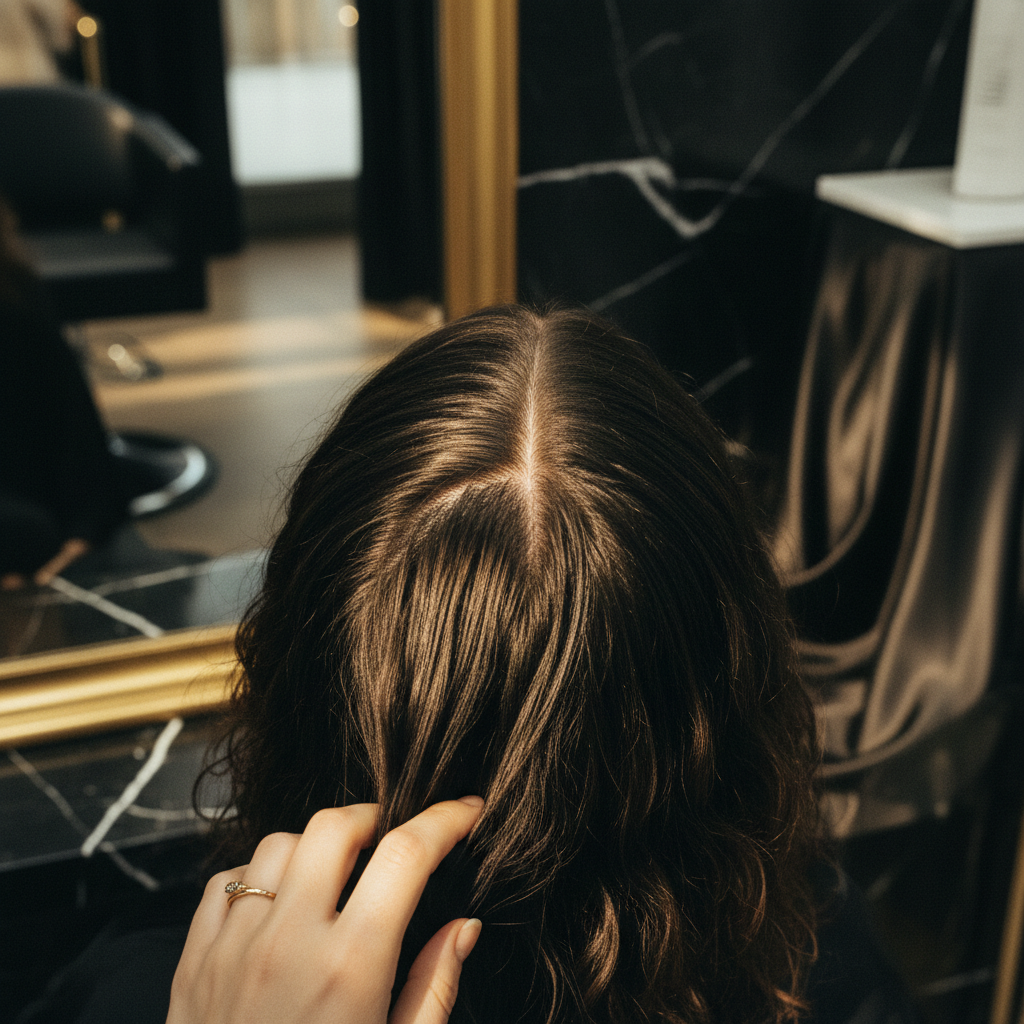
The Foundation of Healthy Hair
The scalp is more than just the skin that covers your head; it is a complex ecosystem that plays a vital role in hair growth, health, and appearance. Comprising skin, hair follicles, sebaceous glands, and a rich network of blood vessels and nerves, the scalp provides the necessary environment for hair to thrive. Understanding its structure and function is fundamental to addressing common hair concerns.
Scalp Anatomy
To appreciate the scalp's function, it is helpful to understand its key components:
- Epidermis: The outermost layer of the skin, acting as a protective barrier against environmental aggressors, pathogens, and moisture loss. It is in a constant state of renewal, with old cells shedding and new cells replacing them.
- Dermis: Located beneath the epidermis, this layer houses hair follicles, sebaceous glands, and blood vessels. It provides structural support and nourishment to the hair.
- Subcutaneous Tissue: The deepest layer, composed of fat and connective tissue, offering insulation and shock absorption.
- Hair Follicles: These are small, specialized organs embedded in the dermis from which hair grows. Each follicle contains a hair bulb, which is where living cells divide and grow to build the hair shaft.
- Sebaceous Glands: Adjacent to hair follicles, these glands produce sebum, an oily substance that lubricates the hair and skin, keeping them supple and protected.
- Blood Vessels: A dense network of capillaries supplies oxygen and nutrients to the hair follicles, essential for healthy hair growth.
- Nerves: Sensory nerves in the scalp respond to touch, temperature, and pain.
The Hair Growth Cycle
Hair growth on the scalp occurs in a continuous cycle, unique to each follicle. This cycle has three main phases:
- Anagen (Growth Phase): This is the longest phase, lasting from two to seven years. During anagen, hair cells rapidly divide in the hair bulb, pushing the hair shaft outwards. Approximately 85-90% of your hair is in this phase at any given time.
- Catagen (Transition Phase): A short transitional phase lasting about two to three weeks. Hair growth stops, the hair follicle shrinks, and the hair detaches from its blood supply.
- Telogen (Resting Phase): This phase lasts for about two to four months. The old hair rests in the follicle while a new hair begins to grow beneath it. Eventually, the old hair sheds, making way for the new hair.
Disruptions to this cycle, often due to stress, nutritional deficiencies, hormonal imbalances, or underlying health conditions, can lead to hair shedding or thinning.
Common Scalp Conditions and Concerns
Various factors can impact scalp health, leading to a range of common concerns.
Dry Scalp
Characterized by flakiness, itching, and sometimes tightness. A dry scalp occurs when the scalp does not produce or retain enough moisture. It can be caused by harsh shampoos, cold weather, low humidity, or certain skin conditions. Unlike dandruff, the flakes from a dry scalp are generally smaller and whiter.
Oily Scalp
An oily scalp results from overactive sebaceous glands producing an excess of sebum. This can lead to greasy hair, clogged follicles, and potentially contribute to conditions like seborrheic dermatitis. Factors contributing to an oily scalp include genetics, hormonal fluctuations, and certain hair care products.
Dandruff (Pityriasis Capitis Simplex)
Dandruff is a common chronic condition marked by flaking of the skin on the scalp, often accompanied by itching. It is typically caused by a yeast-like fungus called Malassezia globosa, which feeds on sebum and produces oleic acid. For individuals sensitive to oleic acid, this can accelerate skin cell turnover, leading to visible flakes. Unlike dry scalp, dandruff flakes are usually larger, oilier, and yellowish.
Seborrheic Dermatitis
A more severe form of dandruff, seborrheic dermatitis presents as red, inflamed, greasy patches covered with yellow or white scales. It can affect other oily areas of the body besides the scalp, such as the face and chest. Management often involves medicated shampoos and professional care.
Scalp Psoriasis
Psoriasis is an autoimmune condition that causes skin cells to build up rapidly, forming thick, reddened patches covered with silvery scales. When it affects the scalp, it can be itchy and cause temporary hair loss. Scalp psoriasis requires specific medical treatment.
Folliculitis
An inflammation of the hair follicles, often caused by bacterial or fungal infection. It appears as small, red bumps or pus-filled pimples around the base of hair strands. Poor hygiene, shaving, and certain skin conditions can contribute to folliculitis.
Maintaining Scalp Health
Healthy hair begins with a healthy scalp. Here
Find these ingredients in Watermans products
- Oleic Acid, you will find this ingredient in our Camellia & Black Castor Hair & Body Oil.