Understanding Afro Hair Porosity: The Complete Scientific Guide
10 min read ·
Master the science behind your coils. Understanding Afro hair porosity reveals how cuticles control hydration, dry times, and product absorption for healthy hair.
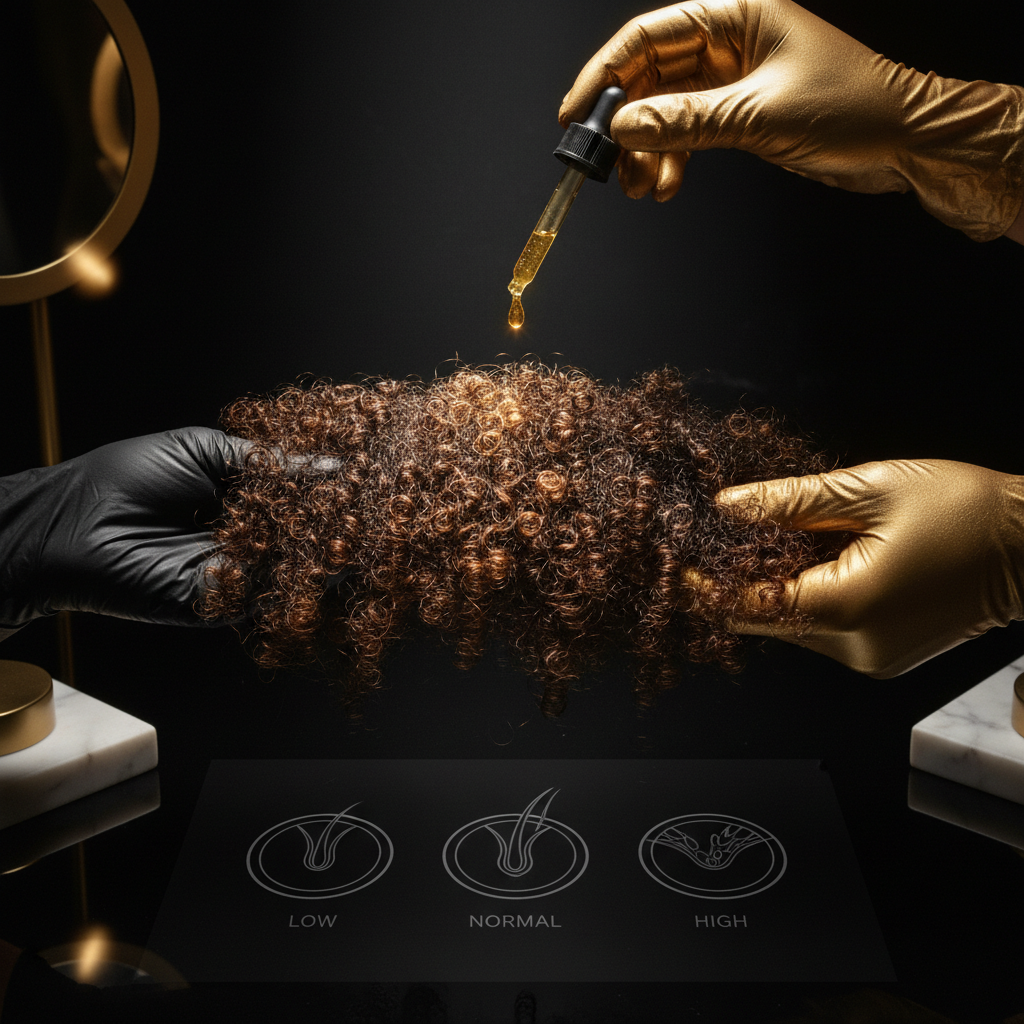
Quick answer: Understanding Afro hair porosity means evaluating how easily your hair fibre absorbs and retains moisture through its protective cuticle layers. Afro-textured hair naturally has elliptical, tightly coiled shafts that create points of cuticle lift, making it biologically prone to both low and high porosity states depending on mechanical handling and chemical treatments. The main limitation of porosity testing is that a single head of hair rarely shares one uniform porosity level, meaning practical product layering must adapt to regional variations across the scalp.
Key takeaways
- Hair porosity refers to your hair fibre's capacity to absorb, retain, and lose water through the outer cuticle layer.
- Afro-textured hair possesses unique structural twists along the shaft where cuticle scales naturally flare or weaken, altering hydration retention.
- Low porosity hair features tightly bound cuticles that resist moisture absorption, while high porosity hair absorbs water instantly but loses it just as quickly.
- Genetic architecture, chemical relaxers, heat styling, colour treatments, and weathering directly dictate porosity.
- The popular "float test" in water is largely inaccurate due to surface tension and sebum residues; assessment through tactile texture and drying times is far more reliable.
- Tailoring your regimen to porosity helps prevent hydral fatigue, fibre snapping, and chronic dryness.
Understanding Afro hair porosity: what the evidence shows
Understanding Afro hair porosity requires a close look at the physical architecture of tightly coiled fibres. Hair porosity is defined scientifically as the measure of the hair's ability to absorb and hold moisture, which is governed almost entirely by the condition and arrangement of the outermost protective layer: the cuticle.
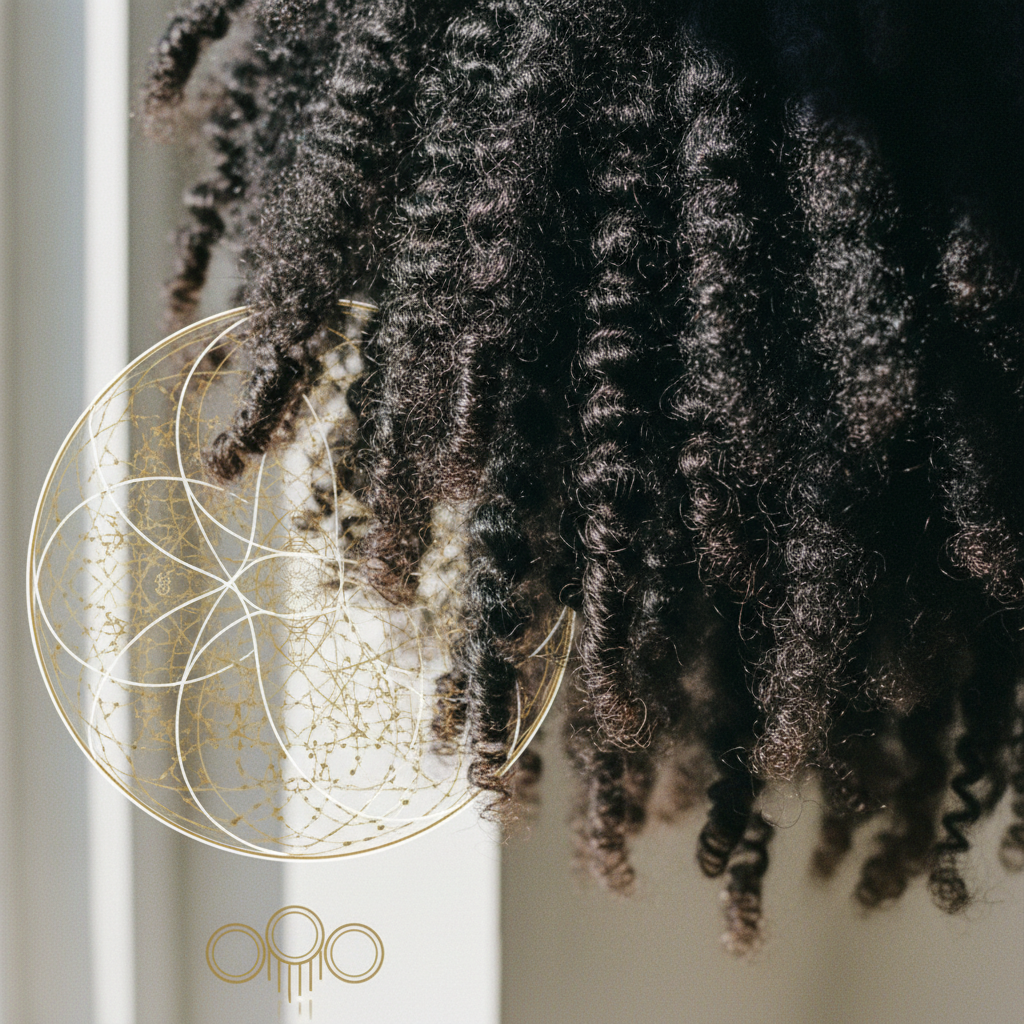
Under scanning electron microscopy, hair fibres from different genetic backgrounds show distinct geometry. Afro-textured hair (classified as type 4 hair in clinical and salon categorisations) does not grow as a symmetrical cylinder. Instead, it forms an asymmetrical, flattened ellipse. As the fibre grows in a helical, coiled pattern, it produces sharp turns and twists along the shaft.
At each twist, cuticle scales do not lie completely flat against one another. Even in virgin, untreated hair, these structural torsion points present natural gaps. As a result, Afro hair can present high porosity characteristics at the bends of the hair shaft while remaining low porosity along the straighter stretches.
Porosity is categorised into three functional levels:
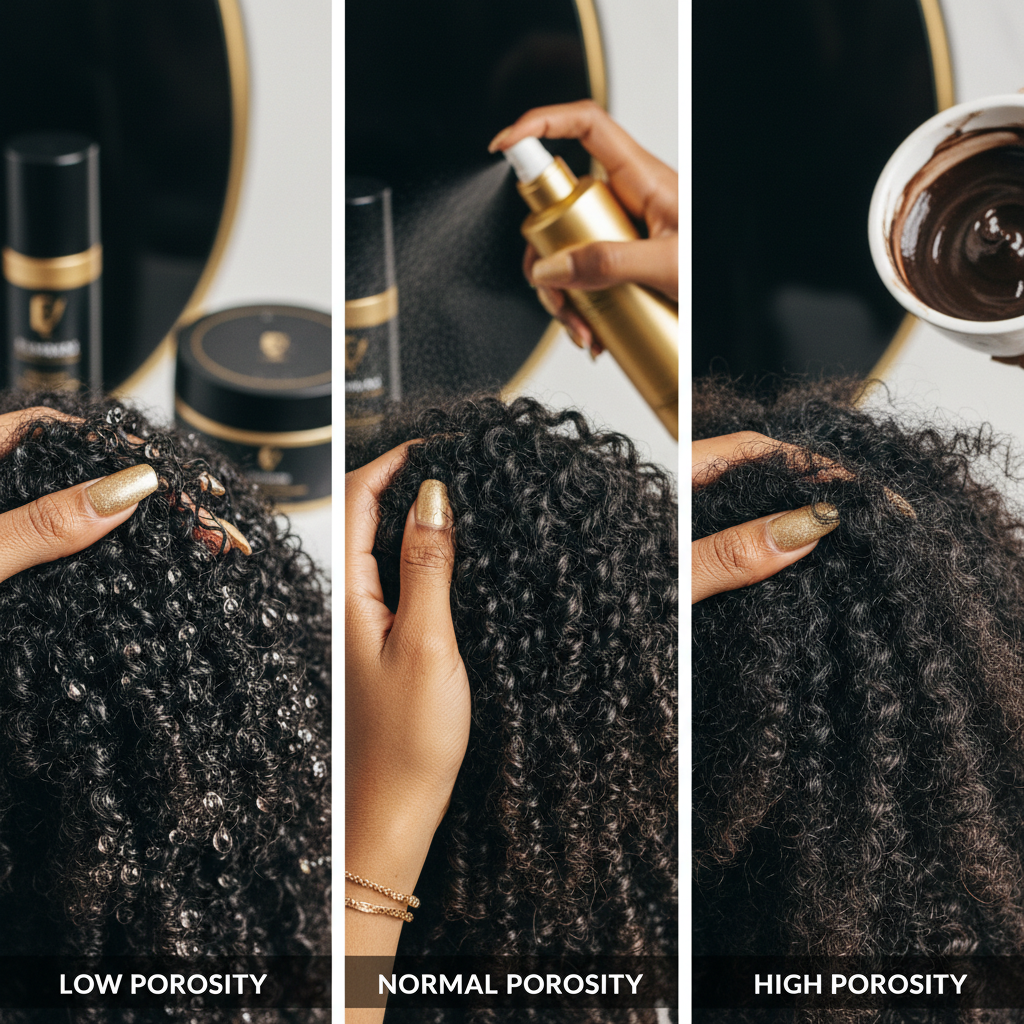
- Low porosity: The cuticle scales overlap tightly and lie flat against the cortex. This acts as a stubborn barrier against moisture entering the shaft. Water beads up on the surface, and products often sit on top rather than absorbing.
- Medium (normal) porosity: The cuticle scales are slightly raised, allowing a steady flow of hydration into the cortex while trapping it effectively inside. Hair retains moisture well and requires minimal intervention to maintain elasticity.
- High porosity: The cuticle layer is raised, chipped, or missing entirely in sections. Water rushes into the hair shaft quickly, swelling the cortex, but evaporates almost immediately. The hair feels rough, tangles easily, and suffers from chronic dryness.
The biological mechanisms behind porosity variations
The hair fibre consists of three concentric layers: the inner medulla (which may be discontinuous or absent in fine Afro hair), the central cortex composed of keratin protein bundles, and the outer protective cuticle. The cuticle consists of roughly 6 to 10 layers of overlapping scales cemented together by the cell membrane complex, a delicate blend of lipids including 18-methyleicosanoic acid (18-MEA).
When hair is in a healthy, virgin state, the hydrophobic lipid layer repels external water while preventing internal moisture loss. When alkaline chemicals, such as relaxers (pH 11 to 13) or bleaches (pH 9 to 11), contact the hair, they force the cuticle scales to lift by breaking disulfide bonds within the cortex. This process strips the hydrophobic 18-MEA layer, leaving the cortex exposed and hydrophilic (water-attracting).
High porosity can also arise naturally through environmental weathering. Ultraviolet radiation, hard water minerals, daily friction from cotton pillowcases, and thermal styling weaken the protein structure. Conversely, genetic factors can produce hair with unusually dense, compact cuticle layers that naturally resist product penetration, creating low porosity hair that suffers from product build-up.
Signs and characteristics of each porosity level
Evaluating your hair's behaviour in water and its response to products provides far more reliable feedback than simple home water-glass tests.
| Characteristic | Low Porosity Afro Hair | Medium Porosity Afro Hair | High Porosity Afro Hair |
|---|---|---|---|
| Water absorption | Water beads on the surface; takes a long time to get fully wet | Absorbs water steadily and evenly in the shower | Soaks up water almost instantly |
| Drying time | Takes several hours or even a full day to air-dry | Dries in an average timeframe (2 to 4 hours) | Air-dries remarkably fast, often within an hour |
| Product behaviour | Leave-in conditioners sit on top; prone to white residue build-up | Absorbs creams and oils with minimal residue | Readily absorbs heavy butters, yet feels dry shortly afterwards |
| Cuticle condition | Tight, flat, highly reflective of light when clean | Intact, slightly flexible, good natural sheen | Chipped, raised, rough, dull appearance |
| Tangle frequency | Low to moderate, strands slide against each other | Moderate, manageable with regular conditioning | High; raised cuticles snag on neighbouring fibres |
| Breakage risk | Low snapping risk unless protein overloaded | Balanced elasticity and tensile strength | High breakage risk due to structural vulnerability |
Why the glass float test fails
Many internet guides recommend dropping a shed strand of hair into a glass of water to diagnose porosity: if it floats, it is low porosity; if it sinks, it is high porosity. Dermatological science does not support this method as reliable.
Water possesses high surface tension. A clean hair strand is naturally coated in sebum, an oily substance that is hydrophobic. This natural oil prevents the hair from breaking the surface tension of the water, causing high porosity hair to float regardless of its true internal condition. Conversely, dust, product residue, or forceful submersion can cause a low porosity strand to sink immediately.
Instead of the float test, assess how your hair responds during washing. If water rolls off your hair like drops on a freshly waxed car, you are dealing with low porosity. If your hair feels dry to the touch 20 minutes after washing despite applying a leave-in conditioner, your hair leans toward high porosity.
Regimen strategies based on porosity
Understanding your porosity allows you to choose the correct application methods, temperatures, and formulations to maintain fibre elasticity and minimise breakage.
Managing low porosity Afro hair
The priority for low porosity hair is opening the cuticle just enough to let moisture in, then keeping the hair clean of product build-up:
- Use gentle heat: Apply deep conditioners with a thermal heat cap or warm steamer for 15 to 20 minutes. Heat gently lifts the stubborn cuticle scales, allowing conditioning agents to penetrate the cortex.
- Opt for lightweight humectants: Choose formulas containing glycerin, aloe vera, and panthenol. Heavy, solid butters will coat the cuticle without hydrating the cortex, leading to a greasy, dull finish.
- Clarify regularly: Use a gentle, sulphate-free clarifying shampoo every two to three weeks to remove mineral deposits and product residues that prevent moisture absorption.
- Apply products to warm, damp hair: Never apply thick products to cold or bone-dry low porosity hair. Warm water helps loosen the cuticle matrix during application.
Managing high porosity Afro hair
The priority for high porosity hair is sealing the gaps along the damaged cuticle and preventing hydral fatigue (the repeated swelling and contracting of the cortex that weakens the fibre):
- Incorporate regular protein treatments: Hydrolysed keratin, wheat protein, or silk amino acids temporarily fill the voids along chipped cuticle scales, reinforcing the fibre's tensile strength.
- Rinse with cool water: Finishing your wash routine with cool water helps close the cuticle scales flat against the shaft.
- Embrace the LOC/LCO method: Layering a liquid (or leave-in), followed by a cream and sealed with a rich plant oil (such as jojoba or argan) traps water within the damaged shaft.
- Use slightly acidic formulations: Shampoos and rinses balanced to a pH of 4.5 to 5.5 encourage the cuticle scales to contract and lie flat, reducing friction between individual coils.
When the cause is something else: clarifying breakage versus shedding
A common error when assessing porous Afro hair is confusing hair breakage with hair shedding or follicular hair loss.
High porosity hair frequently snaps during detangling. When cuticles are chipped and the cortex loses moisture, the hair loses elasticity and breaks under tension. This is fibre breakage, not hair loss. Breakage produces short, fractured pieces of hair without a white bulb at the end.
Hair shedding, by contrast, is a physiological process where the entire hair fibre completes its telogen phase and leaves the follicle. Shed hairs will always feature a small, white keratin bulb at the root. If you notice overall thinning across your scalp, wider part lines, or sudden clumps of hair shedding from the root, this is an internal follicular issue (such as telogen effluvium or androgenetic alopecia) rather than a porosity or moisture issue.
When to seek professional advice
While tweaking your conditioning regimen solves most porosity-related dryness, consult a trichologist or a certified Afro-hair specialist if:
- Your hair snaps consistently despite eliminating heat, relaxers, and rough detangling.
- You notice diffuse thinning, patchy loss, or inflammation, itching, and scaling on your scalp.
- Chemical treatments have left your hair gummy or sponge-like when wet, which indicates severe structural denaturation of the keratin cortex that requires professional bond-rebuilding protocols.
The role of targeted haircare: Watermans and Frojus
Supporting Afro-textured hair requires formulas designed to maintain scalp equilibrium and fibre integrity. While porosity dictates how you apply products, healthy hair growth begins at the follicle.
Watermans offers targeted scalp support through products formulated with rosemary, biotin, caffeine, and allantoin. A nourished scalp provides the optimum foundation for newly emerging hair fibres, ensuring the newly formed cuticle layers remain robust as they emerge from the follicle.
For the daily management of curls and coils, Frojus provides moisture-rich styling and conditioning products created specifically for textured hair. Frojus formulas focus on humectant delivery and plant-based lipid sealing, helping both low porosity coils absorb vital hydration and high porosity strands lock that moisture inside without unnecessary weight or harsh residues.
Frequently asked questions about Understanding Afro Hair Porosity
Can hair porosity change over time?
Yes, hair porosity changes as hair grows and experiences environmental weathering. Chemical treatments like permanent dyes or relaxers can turn low porosity hair into high porosity hair in a single afternoon. Additionally, continuous thermal styling, chlorine exposure, and daily mechanical friction will naturally raise cuticle scales near the ends of your hair, resulting in variable porosity along the same strand.
Does low porosity hair need protein treatments?
Low porosity hair requires very little external protein. Because its cuticle layer is already intact and tightly packed, heavy protein treatments can cause protein overload, leaving the hair brittle, stiff, and prone to sudden snapping. Low porosity hair benefits much more from deep moisture, warm steam, and lightweight humectants, with light protein used only every 6 to 8 weeks.
What is hydral fatigue in high porosity hair?
Hydral fatigue occurs when the hair cuticle is highly porous, allowing excessive amounts of water to rush into the inner cortex during washing. The cortex swells rapidly, and as the hair dries, it contracts just as quickly. This constant expansion and contraction weakens the cell membrane complex over time, leading to loss of elasticity, split ends, and severe breakage.
How does understanding Afro hair porosity improve moisture retention?
Understanding Afro hair porosity allows you to tailor product weight and application methods to your hair's physical cuticle structure. Instead of guessing, someone with low porosity knows to use heat to open cuticles, while someone with high porosity knows to use acidic rinses and heavy sealants to lock moisture in, eliminating persistent dryness.
Summary
Mastering the balance of textured hair starts with an accurate assessment of how your hair interacts with water. Understanding Afro hair porosity moves your haircare approach away from random trial and error toward targeted, science-backed maintenance. By treating low porosity hair with warmth and lightweight hydration, and reinforcing high porosity hair with balanced proteins and protective lipid sealants, you protect the structural integrity of your coils and support long-term length retention.
Sources and references
- British Association of Dermatologists (BAD): Hair Structure and Disorders Guidelines.
- Robbins, C. R. (2012). Chemical and Physical Behavior of Human Hair. 5th Edition, Springer-Verlag.
- Journal of Cosmetic Science: "Porosity and Water Sorption in Human Hair Fibers".
- International Journal of Trichology: "Structural and biochemical properties of human hair".
- National Health Service (NHS): Guidance on hair loss, shedding, and scalp health.
Find these ingredients in Watermans products
- Biotin: you will find this ingredient in our Hair Growth Shampoo.
- Panthenol (Provitamin B5): you will find this ingredient in our Heat Protection Spray.
- Aloe Vera: you will find this ingredient in our Curly Hair Conditioner.