Treating Scalp Pruritus: An Evidence-Based Clinical Guide
8 min read ·
Discover evidence-based methods for treating scalp pruritus. Learn biological triggers, active ingredients, and steps to relieve an itchy scalp effectively.
Quick answer: Treating scalp pruritus requires identifying the underlying cause, because an itchy scalp is a symptom rather than an isolated disease. Effective management ranges from targeting fungal overgrowth with antifungal shampoos containing ketoconazole or zinc pyrithione, to calming barrier disruption with anti-inflammatory formulas and gentle surfactants. The primary limitation of treating scalp pruritus at home is that non-inflammatory itching may stem from systemic illnesses or neurological nerve irritation, which do not respond to topical cosmetic washes and require clinical diagnosis.
Key takeaways
- Scalp pruritus is the clinical term for an itchy scalp, driven by inflammatory skin conditions, microflora imbalances, systemic disorders, or nerve damage.
- The most frequent culprits are seborrhoeic dermatitis, contact dermatitis, psoriasis, and xerosis (dry skin).
- Antifungal agents such as ketoconazole (1% to 2%) and zinc pyrithione (1%) remain primary evidence-based solutions for yeast-associated itching.
- Over-washing with harsh, high-pH detergents can disrupt the acid mantle, stripping lipids and aggravating pruritus.
- Neuropathic itch (such as scalp dysaesthesia) produces intense itching or burning without visible rash or flaking, requiring medical neurological assessment.
Treating Scalp Pruritus: what the evidence shows
Treating scalp pruritus successfully depends on addressing the specific trigger stimulating the scalp's unmyelinated C-nerve fibres. Clinical studies demonstrate that pruritus is most frequently tied to inflammatory conditions where the skin's epidermal barrier is compromised.
In inflammatory states such as seborrhoeic dermatitis, the yeast Malassezia hydrolyses sebum into free fatty acids like oleic acid. In susceptible individuals, these fatty acids trigger an inflammatory cascade, resulting in scaling, erythema, and intense itching. Peer-reviewed trials show that topical antifungals significantly lower yeast density, reducing both visible flaking and pruriceptive signalling within two to four weeks.
For contact allergies, clinical patch testing demonstrates that common cosmetic culprits include fragrances, preservatives like methylisothiazolinone, and hair dye chemicals such as paraphenylenediamine (PPD). In these cases, resolving pruritus requires complete allergen avoidance rather than simply applying anti-itch agents.
Where psoriasis is the diagnosis, clinical evidence supports the use of prescribed topical corticosteroids, vitamin D analogues, and keratolytic agents such as salicylic acid (2% to 5%) to clear hyperkeratotic plaques and calm the dermal cytokine response that fires itch receptors.
What the evidence does not show
Controlled research does not support the idea that extreme natural oils, such as pure coconut or olive oil, cure scalp pruritus. While these oils temporarily lubricate a dry surface, olive oil contains high concentrations of oleic acid, which directly feeds Malassezia yeasts and can worsen inflammatory itching.
Furthermore, evidence does not show that daily deep cleansing with clarifying shampoos cures an itchy scalp. Aggressive surfactants often elevate scalp surface pH above its natural acidic resting state (pH 4.5 to 5.5). This disrupts stratum corneum enzymes, leading to trans-epidermal water loss (TEWL) and heightened neurosensory reactivity. Finally, cosmetic hair washes cannot resolve systemic causes of pruritus, such as chronic kidney disease, cholestasis, or iron deficiency anaemia.
The biological mechanisms behind scalp itch
Scalp pruritus operates through two distinct biological pathways: pruriceptive itch and neuropathic itch.
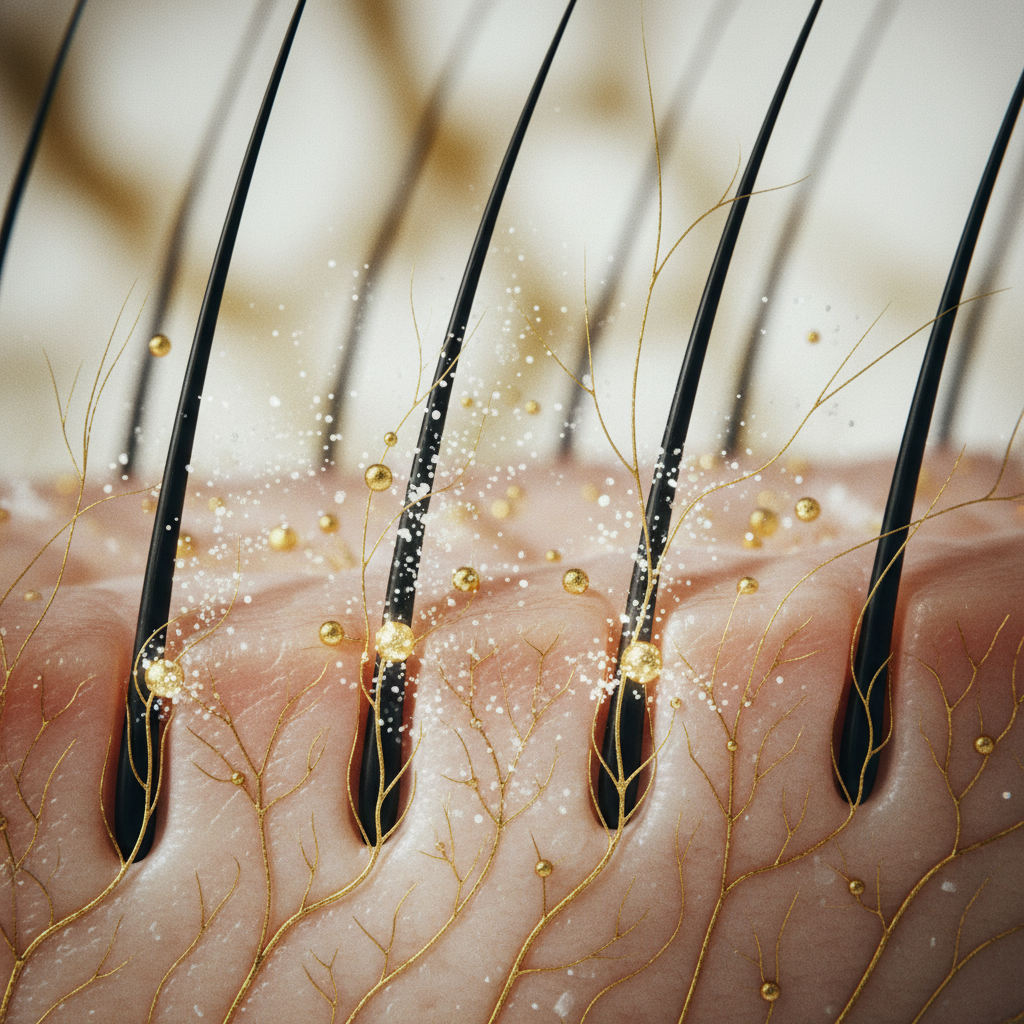
Pruriceptive itch begins in the epidermis and dermis. Keratinocytes, mast cells, and immune cells release chemical mediators, including histamine, interleukins (notably IL-31), proteases, and substance P. These mediators bind to specialised receptors on unmyelinated epidermal C-fibres. The nerve fibres generate electrical impulses that travel through the dorsal root ganglion to the spinothalamic tract and the sensory cortex, registering as an itch.
Neuropathic itch, by contrast, occurs without chemical inflammatory triggers. It stems from nerve damage, entrapment, or central nervous system misfiring. In conditions like scalp dysaesthesia or cervical spine impingement, the cutaneous nerves of the scalp send erroneous itch and pain signals to the brain. This is why individuals often report severe itching, prickling, or tenderness despite having a completely normal, uninflamed scalp surface.
Signs to look for: identifying the cause
Because multiple conditions share the sensation of itching, evaluating scalp morphology helps separate common culprits:
| Condition | Primary Visual Signs | Common Triggers | Primary Evidence-Based Care |
|---|---|---|---|
| Seborrhoeic Dermatitis | Greasy, yellow flakes, erythema, oily scalp | Malassezia overgrowth, excess sebum, stress | Antifungal agents (ketoconazole, zinc pyrithione, piroctone olamine) |
| Scalp Psoriasis | Well-demarcated, thick, silvery-white plaques | Autoimmune hyperproliferation, physical trauma | Topical corticosteroids, salicylic acid, coal tar |
| Contact Dermatitis | Patchy redness, acute swelling, burning, micro-blisters | Hair dyes (PPD), fragrances, harsh surfactants | Allergen elimination, mild topical hydrocortisone |
| Scalp Xerosis (Dryness) | Fine, powdery white dust, tight sensation, no erythema | Low ambient humidity, harsh shampoos, hot water | Barrier-repair lotions, humectants (glycerin, panthenol), mild cleansers |
| Scalp Dysaesthesia | Normal scalp, no visible rash, tender roots | Cervical spine changes, chronic muscle tension, stress | Neuromodulators (gabapentin), physical therapy, stress reduction |
What you can do: evidence-based management
For everyday and non-severe cases, systematic care can bring sustained relief:
- Switch to gentle, balanced cleansers: Use a pH-balanced shampoo (pH 5.0 to 5.5) formulated without harsh sulphates. This keeps the stratum corneum intact and prevents lipid depletion.
- Apply targeted active ingredients: If flaking accompanies the itch, rotate an antifungal wash (containing zinc pyrithione, ketoconazole, or piroctone olamine) into your routine two to three times per week. Leave the lather on the scalp for three to five minutes before rinsing to allow adequate contact time.
- Soothe with proven botanicals: Topicals containing menthol (0.1% to 1%) provide immediate, temporary itch relief by activating TRPM8 cold-sensing receptors, which override pruritus signals. Ingredients like niacinamide and panthenol support epidermal barrier recovery.
- Moderate water temperature: Wash your hair with lukewarm water instead of hot water. Temperatures above 40 degrees Celsius strip protective sebum and trigger mast-cell degranulation, worsening itching.
- Minimise mechanical irritation: Avoid vigorous scratching, which damages the scalp skin, invites bacterial superinfection, and can lead to traction-induced hair breakage.
Supporting scalp balance with Watermans
When managing routine dryness or product buildup that contributes to a tight, uncomfortable feeling, choosing formulas designed to maintain a clean, comfortable scalp micro-environment is helpful. Watermans focuses on non-greasy topical solutions that work in harmony with your natural barrier.
Watermans Grow More Elixir is an alcohol-free leave-in topical formulated with scalp-supporting botanicals, lupin protein, and allantoin. Allantoin is widely recognised for its soothing, skin-conditioning properties, helping to calm dry areas without weighing down the hair roots. Paired with a sulphate-free cleansing regimen, it provides everyday cosmetic care for maintaining a fresh, balanced, and comfortable scalp.
When the cause may be something else
If your scalp itches persistently but displays zero redness, flaking, or skin lesions, topical treatments will likely prove ineffective. Non-dermatological causes include:
- Neurological conditions: Occipital neuralgia, trigeminal neuralgia, and cervical spondylosis can manifest as scalp dysaesthesia, causing itching accompanied by burning, tingling, or crawling sensations.
- Systemic diseases: Pruritus can be an early sign of chronic kidney disease, liver dysfunction, thyroid imbalances (both hyper- and hypothyroidism), or haematological disorders such as polycythaemia vera and Hodgkin lymphoma.
- Medication side effects: Certain pharmaceutical drugs, including opioids, ACE inhibitors, and antimalarials, provoke widespread pruritus that may focus intensely on the head.
- Parasitic infestation: Pediculosis capitis (head lice) must always be ruled out, especially if itching concentrates around the retroauricular (behind the ears) and occipital zones.
When to seek professional advice
Consult a GP or a consultant dermatologist if your symptoms do not improve after two weeks of using targeted over-the-counter washes. Immediate medical evaluation is warranted if you develop:
- Crusts, oozing fluid, or foul odour indicating secondary bacterial infection (such as impetigo or folliculitis).
- Severe pain, swelling, or open sores from repeated scratching.
- Sudden, widespread patchy hair shedding alongside scalp inflammation.
- Pruritus accompanied by unexplained weight loss, night sweats, or fatigue.
A medical professional can perform trichoscopy, skin scrapings for mycology, or a punch biopsy to establish an accurate diagnosis and prescribe targeted medical therapies.
Frequently asked questions about Treating Scalp Pruritus
How long does treating scalp pruritus usually take to show results?
For fungal or inflammatory issues like seborrhoeic dermatitis, appropriate medicated shampoos typically reduce itching within 7 to 14 days of regular use. Complete clearance of flaking and barrier recovery generally takes three to four weeks. If you see no improvement after two weeks of consistent care, seek professional evaluation.
Can treating scalp pruritus with hot water provide relief?
While very hot water produces a temporary rush of relief by overwhelming nerve endings, it actually worsens the problem. Hot water strips essential lipids, damages the skin barrier, accelerates moisture loss, and causes mast cells to release more histamine. Always wash your scalp with lukewarm water to avoid triggering rebound itching.
Does an itchy scalp cause permanent hair loss?
Scalp pruritus itself does not cause follicular hair loss or scarring alopecias. However, intense mechanical scratching damages the outer cuticle of the hair fibre, causing noticeable hair breakage. Severe inflammation around the follicular infundibulum can also trigger temporary shedding, known as telogen effluvium, which resolves once inflammation is controlled.
What home remedies should be avoided when treating scalp pruritus?
Avoid applying undiluted essential oils (like pure tea tree oil), lemon juice, apple cider vinegar, or heavy vegetable oils like olive oil. Undiluted acids and oils frequently cause contact dermatitis or feed Malassezia yeast colonies, inflaming the scalp further. Stick to pH-balanced formulations with known concentrations of clinically studied ingredients.
Summary
Treating scalp pruritus effectively comes down to identifying the exact mechanism driving your discomfort and supporting the scalp barrier rather than attacking it with harsh washes. By distinguishing between inflammatory, environmental, and neuropathic triggers, you can choose the correct evidence-based treatments and restore comfort to your scalp.
Sources and references
- British Association of Dermatologists. Guidelines for the management of seborrhoeic dermatitis. 2019.
- National Institute for Health and Care Excellence (NICE). Psoriasis: assessment and management (Clinical Guideline CG153). 2017.
- Borda, L.J. And Wikramanayake, T.C. Seborrheic Dermatitis and Dandruff: A Comprehensive Review. Journal of Clinical and Investigative Dermatology, 2015.
- Misery, L., et al. Scalp dysesthesia: a review of the literature. Clinical, Cosmetic and Investigational Dermatology, 2019.
- Yosipovitch, G. And Bernhard, J.D. Clinical practice: Chronic Pruritus. New England Journal of Medicine, 2013.
Find these ingredients in Watermans products
- Zinc: you will find this ingredient in our Hair Vitamins.
- Oleic Acid: you will find this ingredient in our Camellia & Black Castor Hair & Body Oil.
- Niacinamide: you will find this ingredient in our Hair Mask.
- Panthenol (Provitamin B5): you will find this ingredient in our Heat Protection Spray.