Treating Dry Scalp: Mechanisms, Causes, and Evidence-Based Care
8 min read ·
Learn the biological causes of scalp xerosis and discover evidence-based methods for Treating Dry Scalp using barrier-repair lipids, humectants, and pH-balanced care.
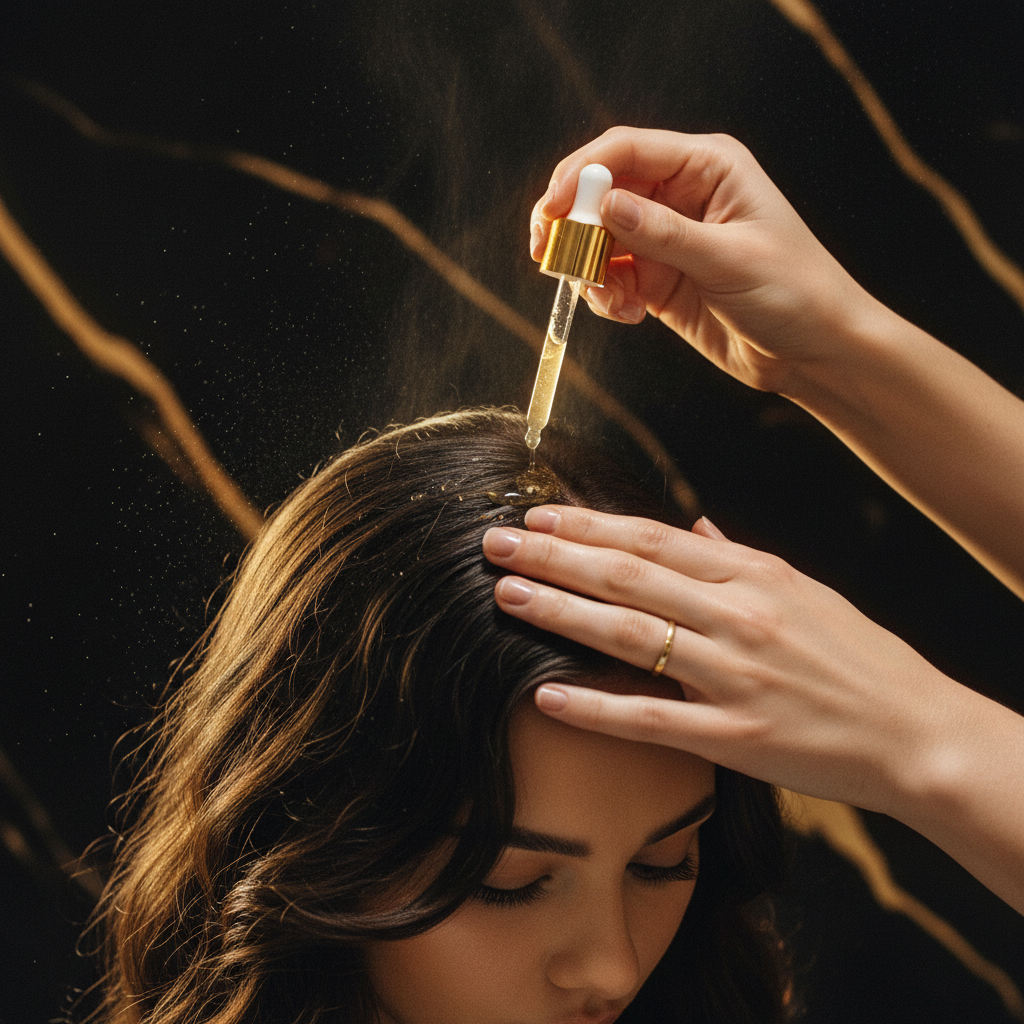
Quick answer: Treating Dry Scalp requires repairing the skin's protective lipid barrier and replenishing lost moisture rather than simply removing flakes. Effective care combines gentle, low-foaming cleansers formulated around a scalp-friendly pH of 4.5 to 5.5, humectants like glycerin or panthenol, and lightweight emollient oils. However, treating dry scalp will not resolve underlying inflammatory conditions like seborrhoeic dermatitis or psoriasis, which stem from fungal overgrowth or immune dysregulation and require targeted medical interventions.
Key takeaways
- Dry scalp is an epidermal barrier defect characterised by transepidermal water loss (TEWL) and insufficient lipid production, not fungal proliferation.
- Flakes from a dry scalp are typically small, white, and loose, contrasting with the greasy, yellow, adherent scales of dandruff or seborrhoeic dermatitis.
- High-surfactant shampoos, hard water, dry indoor heating, and washing with hot water strip natural sebum and trigger acute dehydration.
- Humectants draw water into the stratum corneum, while physiological lipids (ceramides, squalane) lock hydration into the scalp tissue.
- If itchiness, redness, or scaling persists beyond three to four weeks of mild care, a dermatologist must assess for eczema, contact dermatitis, or psoriasis.
Treating Dry Scalp: what the evidence shows
Clinical dermatology demonstrates that dry scalp (xerosis of the scalp) is fundamentally a barrier impairment. When the outer layer of the skin, the stratum corneum, lacks moisture and essential lipids, the cellular matrix weakens. Corneocytes detach prematurely in tiny clumps, appearing on the hair and shoulders as small, non-greasy flakes.
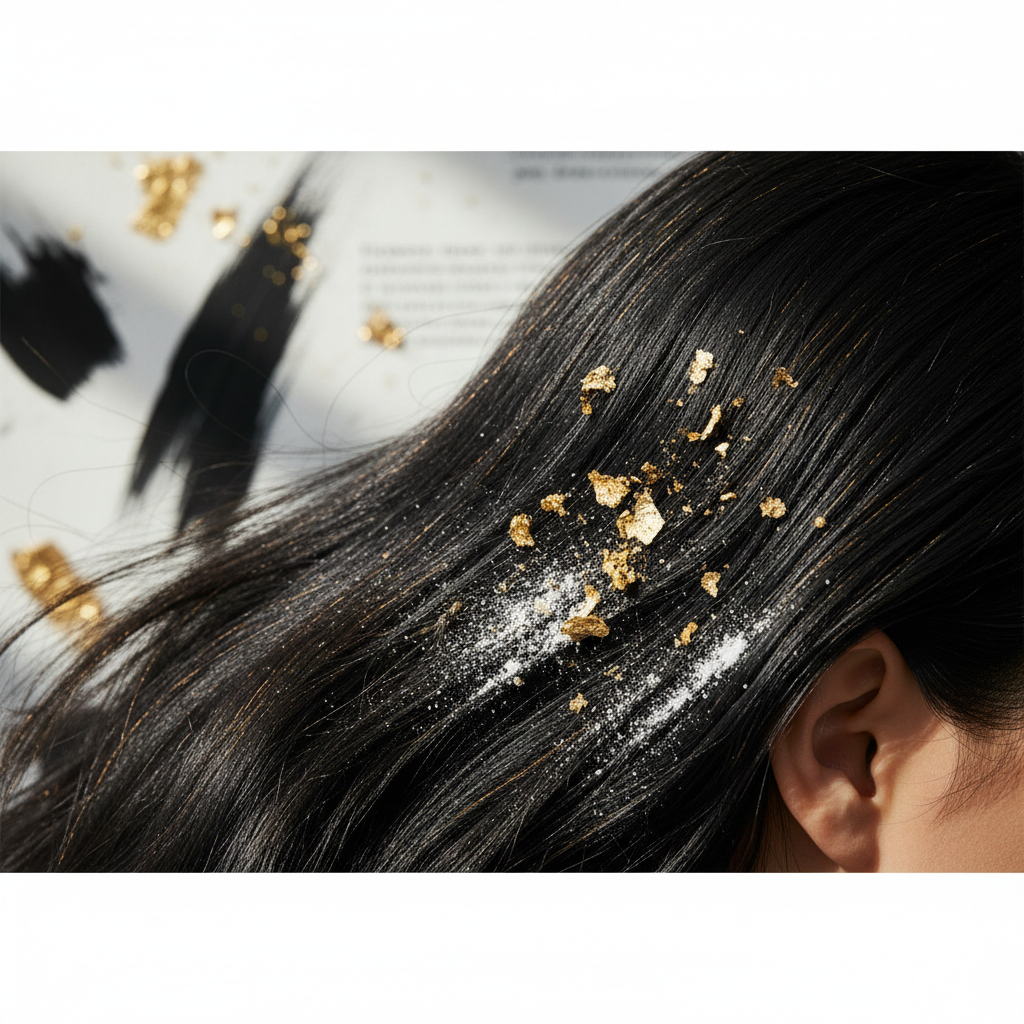
Research published in the International Journal of Trichology highlights that the scalp has a high density of sebaceous glands compared to other body sites. Despite this, external stressors such as environmental low humidity, excessive cleansing, and chemical processing frequently outpace sebum synthesis. When relative humidity drops below 30% in winter, transepidermal water loss surges.
Clinical trials show that topical humectants such as glycerin, hyaluronic acid, and panthenol significantly raise hydration indices in human skin. When paired with barrier-mimicking lipids (including squalane, argan oil, or ceramides), they reduce surface irritation and smooth rough follicular margins. In cosmetic and clinical evaluations, restoring the natural barrier reduces micro-cracking, quiets itch sensations, and allows hair fibres to emerge without the mechanical inflammation associated with repeated scratching.
What the evidence does not show
Controlled research does not support the common myth that piling heavy culinary oils onto the scalp cures dryness. Slathering thick, unprocessed oils like coconut oil or olive oil directly on an irritated scalp can trap debris and provide a lipid-rich feeding ground for Malassezia yeasts, inadvertently triggering seborrhoeic dermatitis.
Furthermore, evidence does not show that dry scalp causes androgenetic alopecia or permanent hair loss. While chronic, aggressive scratching can cause mechanical hair breakage and temporary shedding (telogen effluvium) through local inflammation, the hair follicles themselves remain intact beneath the dermis. Simply treating dry scalp will not halt genetic thinning or revive dormant follicles.
The biological mechanisms behind scalp xerosis
The scalp barrier functions much like a brick wall. Corneocytes serve as the bricks, while intercellular lipids (comprising roughly 50% ceramides, 25% cholesterol, and 15% free fatty acids) act as the mortar. This structure holds moisture within the deeper epidermal layers and blocks irritants from penetrating.
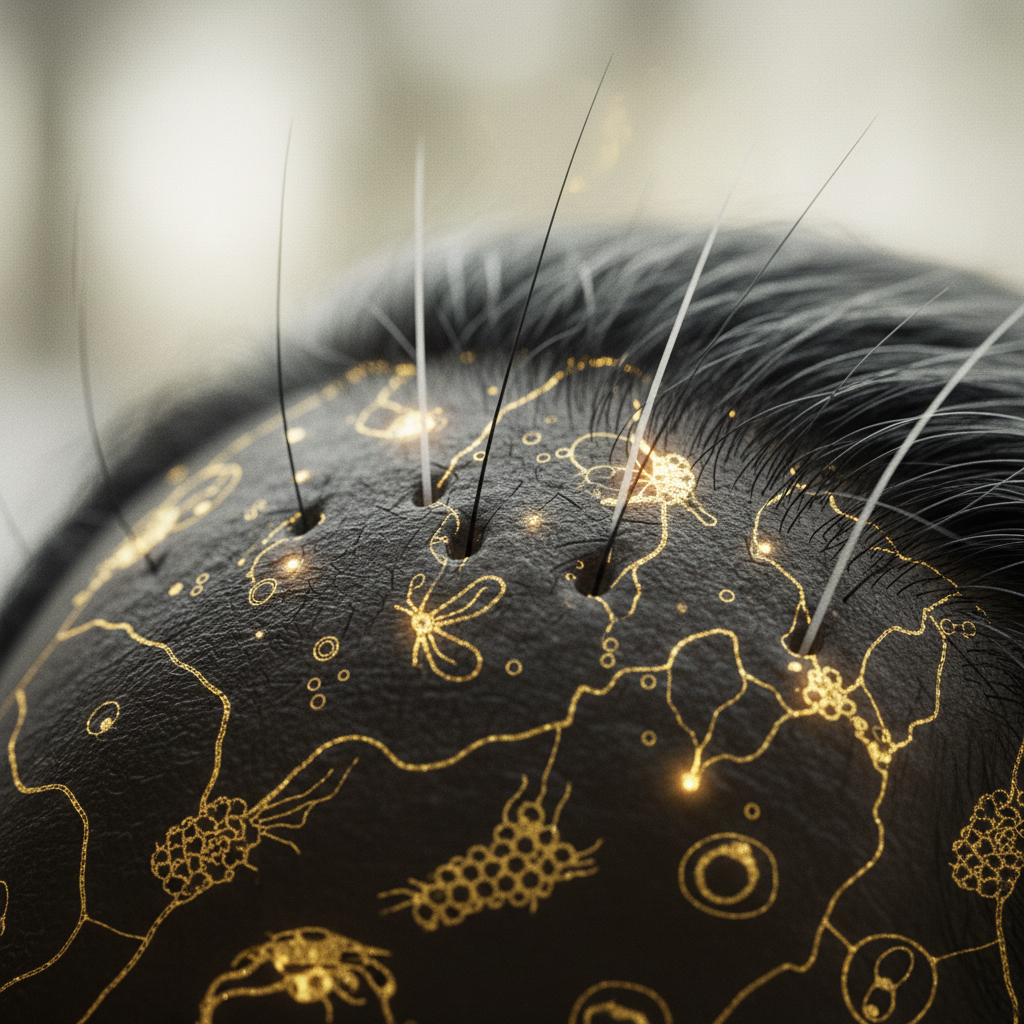
Several mechanisms trigger barrier disruption:
- Surfactant-Induced Lipid Stripping: Frequent use of harsh anionic surfactants (such as high-concentration sodium lauryl sulphate) solubilises not only surface grime but also the essential intercellular lipids. This elevates skin pH, which normally sits between 4.5 and 5.5.
- Enzyme Dysfunction: When scalp pH rises above 6.0, desquamation enzymes (kallikreins) operate abnormally, breaking down cellular adhesion unevenly and creating visible flaking.
- Elevated Transepidermal Water Loss (TEWL): Gaps in the lipid layer allow moisture to evaporate rapidly into the air. Dehydrated keratinocytes shrink, producing the tight, stinging sensation common in dry scalp sufferers.
- Neurosensory Activation: Dehydration causes micro-fissures that expose cutaneous nerve endings to air and topical products, releasing histamines and creating a persistent urge to scratch.
Dry scalp vs dandruff: identifying the signs
Mistaking a dry scalp for dandruff leads many people to apply harsh clarifying or antifungal shampoos, which strip remaining lipids and worsen xerosis.
| Feature | Dry Scalp (Scalp Xerosis) | Dandruff (Seborrhoeic Dermatitis) |
|---|---|---|
| Flake Appearance | Small, dry, white, powdery | Larger, oily, yellow or off-white, clumped |
| Scalp Texture | Dry, tight, matte, non-greasy | Greasy, shiny, or waxy |
| Attachment | Sheds easily when shaken | Sticks to the scalp and hair base |
| Underlying Redness | Mild or absent | Moderate to severe, patchy erythema |
| Primary Driver | Barrier damage and moisture loss | Malassezia yeast overgrowth and excess sebum |
| Primary Solution | Barrier replenishment and humectants | Antifungals (zinc pyrithione, ketoconazole) |
What you can do: an evidence-based scalp care routine
Addressing scalp dryness requires a balance between reducing barrier stress and introducing restorative compounds.
Adjust your wash technique
- Lower water temperature: Wash your hair with lukewarm water (around 37°C to 38°C). Hot water melts surface sebum and accelerates barrier stripping.
- Reduce wash frequency: If you wash your hair daily with foaming shampoos, scale back to every two or three days to allow natural sebum to migrate along the scalp.
- Use gentle cleansers: Choose sulphate-free, amphoteric, or non-ionic surfactant formulas buffered to a pH of 5.0 to 5.5.
Introduce humectants and barrier lipids
- Hydrate with humectants: Use scalp serums containing glycerin, panthenol (provitamin B5), or aloe vera after washing. These draw moisture deep into the stratum corneum.
- Seal with lightweight emollients: A few drops of non-comedogenic oils, such as jojoba oil or hemi-squalane, closely mimic natural sebum without suffocating the follicles. Apply these sparingly to damp skin.
- Avoid astringents and high-alcohol tonics: Check styling sprays and leave-in products for denatured alcohol or witch hazel, which dry out compromised tissue.
Support from the Watermans range
When selecting daily care for a stressed, sensitive scalp, balanced formulation is critical. Watermans GrowMe Shampoo and Condition Me Conditioner provide a pH-conscious foundation, delivering nourishing botanicals, rosemary, biotin, and gentle hydrators without stripping essential epidermal lipids. For targeted leave-in moisture, Watermans Grow More Elixir supplies light hydration straight to the scalp surface, supporting a comfortable environment without heavy, occlusive grease.
When the cause is something else
If careful moisturising and gentle cleansing bring no improvement after three weeks, the issue is rarely simple dehydration.
- Seborrhoeic Dermatitis: Driven by sensitivity to oleic acid produced by Malassezia fungi, this produces inflammatory, yellowish scales that need medicated intervention.
- Scalp Psoriasis: An autoimmune condition causing rapid skin cell turnover. It presents with sharply demarcated plaques covered in silvery, thick scales.
- Allergic Contact Dermatitis: A delayed hypersensitivity reaction to hair dyes (particularly paraphenylenediamine, or PPD), fragrances, or preservatives, causing blistering, intense burning, and widespread redness.
When to seek medical advice
You should consult a GP, trichologist, or dermatologist if you experience:
- Intense, intractable itching that disrupts sleep or daily focus.
- Open sores, oozing, crusting, or signs of bacterial infection from scratching.
- Thick plaques extending beyond the hairline to the forehead or neck.
- Sudden, diffuse shedding or patchy hair loss alongside scalp discomfort.
Frequently asked questions about Treating Dry Scalp
How long does Treating Dry Scalp usually take to work?
Treating Dry Scalp generally produces noticeable relief within 7 to 14 days of adopting a gentle routine. The stratum corneum completes a full turnover cycle roughly every 28 days. Once you replace harsh cleansers with humectant serums and wash in lukewarm water, the epidermal barrier will gradually rebuild its moisture content over a month.
Can drinking more water cure a dry scalp?
While systemic hydration supports general health, drinking extra water cannot single-handedly fix an external barrier defect. If hot showers, harsh detergents, or cold dry winds constantly strip your scalp's surface lipids, water will evaporate straight through the compromised skin. Topical moisturising and gentle cleansing remain essential.
Should I exfoliate when treating a dry scalp?
Gentle chemical exfoliation with mild lactic acid or gluconolactone once weekly can help remove stubborn flakes without tearing delicate skin. However, you should avoid coarse physical scrubs, stiff brushes, or high-strength salicylic acid. Over-exfoliating an already dehydrated scalp tears the fragile barrier, raises inflammation, and worsens flaking.
Does washing hair less often always help a dry scalp?
Washing less often helps if your routine previously involved daily stripping with harsh sulphate shampoos. However, leaving the scalp unwashed for too long allows environmental dust, sweat, and natural dead skin to collect. This buildup can irritate the skin barrier and encourage fungal growth. Finding a middle ground, such as washing every two to three days with a mild cleanser, works best.
Final considerations on scalp hydration
Successfully treating dry scalp depends on treating the skin beneath your hair with the same care and respect given to the skin on your face. By maintaining a slightly acidic pH, preserving the protective lipid layer, and applying humectants that bind water into the stratum corneum, you eliminate tightness and flaking at their biological source. Consistent, low-irritation care provides the ideal environment for your scalp to stay comfortable and your hair fibres to thrive.
Sources and references
- British Association of Dermatologists. "Seborrheic Dermatitis and Dandruff." Clinical Guidelines, 2021.
- International Journal of Trichology. "Scalp Condition Impact on Hair Growth and Retention." 2018.
- Journal of the European Academy of Dermatology and Venereology. "Physiology and management of the scalp barrier." 2020.
- NHS. "Itchy scalp and dry skin conditions." Health A to Z, 2023.
- American Academy of Dermatology. "How to treat dandruff and dry scalp." Practice Guidelines, 2022.
Find these ingredients in Watermans products
- Zinc: you will find this ingredient in our Hair Vitamins.
- Oleic Acid: you will find this ingredient in our Camellia & Black Castor Hair & Body Oil.
- Panthenol (Provitamin B5): you will find this ingredient in our Heat Protection Spray.
- Aloe Vera: you will find this ingredient in our Curly Hair Conditioner.