An Essential Guide to Sulphate-Free Hair Cleansing
10 min read ·
Sulphate-Free Hair Cleansing protects hair lipids, preserves colour, and respects the scalp barrier. Learn the science, benefits, and correct techniques.
Quick answer: Sulphate-Free Hair Cleansing refers to washing the scalp and hair using formulations formulated without harsh anionic surfactants such as sodium lauryl sulphate (SLS) or sodium laureth sulphate (SLES). Instead, these cleansers use milder, amphoteric, non-ionic, or gentler anionic detergents that clean without stripping natural sebum or cosmetic colour. While Sulphate-Free Hair Cleansing significantly reduces cuticle swelling and scalp irritation, its main limitation is that it struggles to lift heavy, non-water-soluble silicones or extreme product build-up without secondary clarifying washes.
Key takeaways
- Preserves natural lipids: Gentle surfactants protect the delicate epicuticle and surface 18-methyleicosanoic acid (18-MEA), keeping hair fibres supple.
- Prolongs cosmetic colour: Traditional sulphates accelerate dye wash-out by causing extensive fibre swelling; milder cleansers slow colour fade.
- Reduces scalp irritation: High-foaming sulphates can disrupt the scalp skin barrier and cause transepidermal water loss, whereas milder surfactants maintain barrier integrity.
- Foam does not equal clean: Sulphate-free surfactants naturally produce a lower, creamier lather, but clean the hair shaft effectively.
- Buildup management is vital: When using sulphate-free formulas exclusively, avoid heavy, non-polar silicones (like dimethicone) unless paired with an occasional deeper cleanse.
Sulphate-Free Hair Cleansing: what the evidence shows
Sulphate-Free Hair Cleansing has gained widespread professional recognition because dermatological and cosmetic science confirms the distinct behaviours of different surfactant classes. Surfactants are surface-active agents designed to lower the surface tension between water and oils, emulsifying dirt and sebum so they rinse away.
Primary traditional cleansers, notably sodium lauryl sulphate (SLS), possess small, highly polar head groups with strong negative charges. Research published in the International Journal of Cosmetic Science shows that SLS easily penetrates the stratum corneum and the hair cuticle. Once inside the hair shaft, SLS binds strongly to structural keratin proteins, denaturing them slightly and increasing protein loss during washing. SLS also strips away 18-MEA, the naturally occurring hydrophobic lipid layer bonded to the outside of each cuticle scale.
In contrast, sulphate-free formulations substitute these aggressive detergents with larger molecular weight surfactants:
- Glucosides (e.g., Decyl Glucoside, Coco Glucoside): Non-ionic surfactants derived from plant starches and fatty alcohols. They carry no electrical charge, cause negligible protein denaturation, and are exceptionally gentle on the scalp barrier.
- Isethionates (e.g., Sodium Cocoyl Isethionate): Mild anionic surfactants, often referred to as "baby foam", providing a dense, creamy lather without stripping the outer cuticle.
- Betaines and Sultaines (e.g., Cocamidopropyl Betaine, Cocamidopropyl Hydroxysultaine): Amphoteric surfactants carrying both positive and negative charges depending on formula pH. They reduce the irritancy of other detergents while offering light conditioning benefits.
- Sarcosinates and Taurates (e.g., Sodium Lauroyl Sarcosinate, Sodium Methyl Cocoyl Taurate): Modified amino acid-based cleansers that produce good lather and rinsability while preserving cosmetic dye molecules.
By swapping harsh detergents for these alternatives, clinical measurements demonstrate a marked reduction in transepidermal water loss (TEWL) across the scalp and noticeably less cuticle friction along the hair shaft.
What the evidence does not show
Despite popular internet claims, scientific evidence does not show that sulphates cause systemic toxicity, organ damage, or cancer. The Cosmetic Ingredient Review (CIR) Expert Panel and global regulatory bodies have repeatedly reviewed compounds like SLS and SLES, confirming they are safe for cosmetic use when formulated for rinse-off applications.
Equally, the evidence does not show that switching to a sulphate-free wash will cure genetic hair loss (androgenetic alopecia) or immediately trigger new follicle growth. Sulphate cleansers can dry out the fibre and contribute to hair breakage (snapping along the shaft), but they do not shut down follicular activity in the dermal papilla. Conflating shaft breakage with true hair shedding or follicular loss is a widespread mistake.
Finally, sulphate-free cleansers are not universally non-allergenic. Plant-derived glucosides and cocamidopropyl betaine can occasionally cause contact dermatitis in sensitive individuals. "Sulphate-free" does not automatically mean hypoallergenic.
The mechanism of cleansing without sulphates
Understanding how these alternative surfactants interact with hair requires looking at micellar science and surface charge.
 SURFACTANT ACTION ON THE HAIR SHAFT

Water Phase (Hydrophilic heads face outward)
 O O O O O O O
 | | | | | | | <-- Surfactant Tails (Lipophilic)
 =============================
 [ Sebum, Dirt, Product Residue ]
 =============================
 Cuticle Surface / Epicuticle (18-MEA)
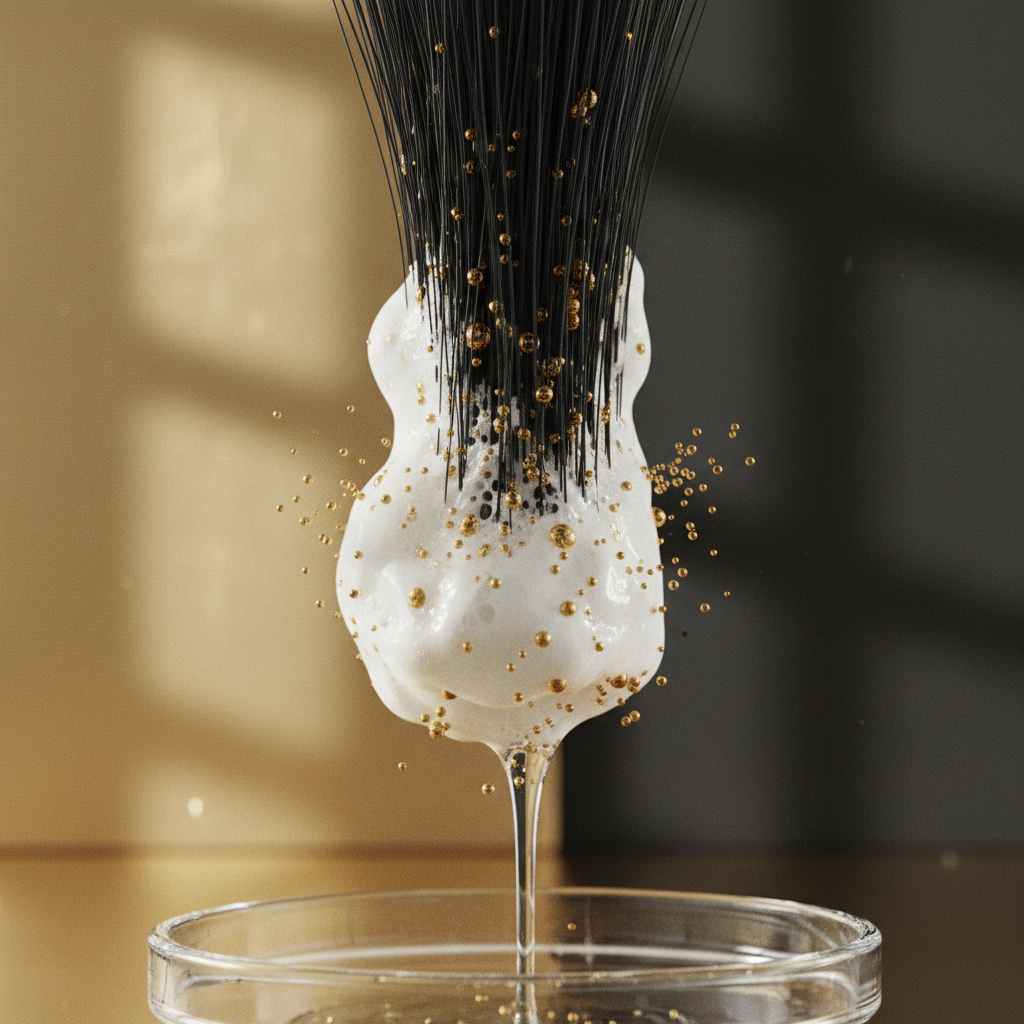
In any shampoo, surfactant molecules arrange themselves into spherical clusters called micelles. The hydrophobic (oil-loving) tails point inward, trapping non-polar sebum, styling waxes, and environmental debris. The hydrophilic (water-loving) heads point outward into the rinse water.
In harsh sulphate systems, the critical micelle concentration (CMC) is low, and single monomers readily dislodge protective cellular lipids from between the cuticle scales. This induces excessive swelling of the endocuticle. When the hair swells dramatically in water and dries rapidly, the cuticle edges lift, crack, and chip away.
Sulphate-free surfactants form bulkier, less aggressive micelles. They solubilise free sebum resting on top of the cuticle without extracting the structural structural ceramides and sterols anchoring the scales down. Furthermore, most sulphate-free formulas are naturally balanced closer to the hair's physiological isoionic point (pH 4.5 to 5.5), which prevents the swelling of the shaft and maintains cuticle closure.
Comparison: Traditional Sulphate vs Sulphate-Free Cleansers
| Feature | Traditional Sulphate Systems (SLS/ALS) | Sulphate-Free Cleansing Systems |
|---|---|---|
| Primary Surfactants | Sodium Lauryl Sulphate, Ammonium Lauryl Sulphate | Decyl Glucoside, Sodium Cocoyl Isethionate, Sarcosinates |
| Degreasing Power | Very high; lifts heavy oils, styling greases, and insoluble silicones | Moderate to balanced; lifts daily sebum and water-soluble deposits |
| Impact on 18-MEA Layer | High risk of stripping natural lipid barrier | Preserves the hydrophobic lipid envelope |
| Colour Retention | Low; faster elution of artificial dye pigments | High; preserves oxidative and direct hair colour |
| Fibre Friction & Swelling | Significant cuticle lifting and roughness | Minimal swelling; smoother cuticle alignment |
| Scalp Barrier Impact | Higher incidence of dryness, itching, and TEWL | Low irritation profile; protects moisture barrier |
| Lather Characteristics | Instant, high-volume, airy bubbles | Dense, low-to-medium, creamy lather |
Who benefits most from Sulphate-Free Hair Cleansing?
Certain hair types and scalp profiles demonstrate immediate, tangible improvements when moving away from traditional sulphates:
- Colour-treated and chemically processed hair: Bleaching, tinting, and permanent waving compromise the cuticle. Using a sulphate-free formula keeps cuticle scales compact, preventing coloured dye molecules from leaching into wash water.
- Naturally curly, coily, and wavy hair: The curved architecture of curly hair fibres makes it difficult for scalp sebum to travel down the shaft. Sulphates strip the little moisture present, leading to frizz and brittleness. Curly hair thrives on milder cleansing agents.
- Dry, porous, or aging hair: As hair ages, natural sebum production slows, and the fibre produces fewer protective lipids. Milder detergents protect mature hair from mechanical stress.
- Sensitive, itchy, or eczema-prone scalps: Those prone to scalp tightness or neurodermatitis often find their symptoms ease when strong detergents are eliminated.
Signs you may need a stronger cleanser occasionally
While Sulphate-Free Hair Cleansing provides daily protection, relying exclusively on extremely gentle formulas can sometimes result in unintended issues:
- Roots feel greasy shortly after washing: Mild amphoteric surfactants may not remove hyper-abundant sebum produced by very oily scalps.
- Dull, limp, lifeless lengths: This often indicates product build-up. Non-water-soluble conditioning agents, styling polymers, and mineral deposits from hard water can accumulate over weeks.
- Flaking or itching from fungal overgrowth: The yeast Malassezia, which drives seborrhoeic dermatitis, feeds on unremoved sebum. If a mild cleanser fails to clear scalp oils, Malassezia populations can spike, causing inflammatory dandruff.
If these signs appear, stylists recommend incorporating an occasional clarifying wash or using a targeted scalp-clarifying treatment every two to four weeks.
How to wash your hair with sulphate-free formulas
Because sulphate-free surfactants do not create high-foaming bubbles instantly, technique matters:
- Drench the hair thoroughly: Ensure your scalp and hair are completely saturated with warm water for at least 60 seconds before applying product. Mild surfactants require adequate water to distribute evenly.
- Emulsify in your palms first: Rub the cleanser between your wet hands to start the lather before touching your head.
- Focus purely on the scalp: Apply the product directly to your scalp skin, using the pads of your fingers to massage in small circular motions for 90 to 120 seconds. This mechanical friction replaces the aggressive chemical degreasing of sulphates.
- Let the run-off clean the lengths: Do not pile your lengths on top of your head or scrub your mid-lengths aggressively. The lather rinsing through your hair with running water is sufficient to lift surface dust.
- Double cleanse if needed: If you wash your hair infrequently or use styling creams, the first wash will break down the top layer of oil, producing little lather. The second wash will lather generously and clean the surface thoroughly.
When hair breakage or scalp problems require professional help
It is essential to separate cosmetic concerns from medical dermatological conditions. If you notice excessive hair shedding (clumps coming out during washing or covering your pillowcase), distinct bald patches, or bleeding, crusted sores on the scalp, cosmetic adjustments will not solve the issue.
Consult a trichologist, dermatologist, or your GP. Hair shedding often stems from internal triggers including telogen effluvium, iron deficiency, thyroid imbalances, hormonal shifts, or autoimmune conditions. A change in shampoo cannot address systemic biological changes.
Integrating targeted support: The Watermans approach
When transitioning to a sulphate-free routine, selecting products that pair gentle, non-stripping cleansers with active scalp nutrients produces the most balanced environment. Watermans GrowMe Shampoo is formulated without harsh sulphates, relying on gentle cleansing agents that preserve the natural lipid envelope of the hair fibre while respecting the delicate microbiome of the scalp.
By avoiding aggressive detergents, it prevents the cuticle damage and mechanical breakage often mistaken for true follicular hair loss. Instead, it delivers targeted cosmetic ingredients directly to the hair roots, including biotin, rosemary extract, caffeine, niacinamide, and argan oil. Used alongside gentle washing techniques, this approach keeps the hair fibre resilient, moisturised, and feeling thick, without leaving the scalp parched or irritated.
Frequently asked questions about Sulphate-Free Hair Cleansing
Why doesn't my sulphate-free shampoo lather as much?
Sulphates create high volumes of airy lather because their chemical structure creates rigid, low-surface-tension bubbles quickly. Sulphate-free surfactants produce smaller, denser micellar bubbles. This creamy lather cleans just as effectively through emulsification, even though it looks and feels less voluminous. Adding extra water, rather than extra product, helps build a better lather.
Does Sulphate-Free Hair Cleansing stop hair loss?
No. Sulphate-Free Hair Cleansing cannot cure or prevent biological hair loss such as androgenetic alopecia or telogen effluvium, which are driven by genetics, hormones, or systemic health. However, because mild cleansers do not weaken or strip the cuticle, they significantly reduce hair fibre breakage along the shaft, helping your hair retain length and fullness.
Can I use sulphate-free cleanser if I have an oily scalp?
Yes, but you may need to adjust your routine. Very oily scalps can benefit from double cleansing at each wash or alternating with a weekly purifying cleanser. Gentle cleansing prevents the "rebound effect", where stripping the scalp with harsh sulphates prompts sebaceous glands to overproduce oil to compensate for moisture loss.
Will sulphate-free shampoo remove silicones from my hair?
It depends on the silicone. Sulphate-free formulas easily wash away water-soluble silicones (such as dimethicone copolyol or PEG-modified silicones). However, non-water-soluble silicones (like standard dimethicone or amodimethicone) can accumulate over time without stronger surfactants, which may require an occasional clarifying wash to prevent heavy build-up.
A balanced approach to modern hair washing
Sulphate-Free Hair Cleansing represents a significant step forward in cosmetic science, shifting everyday hair care away from harsh industrial degreasers and towards barrier-conscious cleansing. By opting for mild, skin-friendly surfactants that clean through precise emulsification rather than aggressive stripping, you safeguard both the scalp's moisture barrier and the hair fibre's protective lipid layer. When matched with proper technique and the occasional clarifying routine where necessary, sulphate-free washing keeps the hair shaft smooth, strong, and visibly vibrant.
Sources and references
- Cosmetic Ingredient Review Expert Panel. (2010). Final Report on the Safety Assessment of Sodium Lauryl Sulfate and Ammonium Lauryl Sulfate. International Journal of Toxicology.
- D'Souza, P., & Rathi, S. K. (2015). Shampoo and Conditioners: What a Dermatologist Should Know? Indian Journal of Dermatology, 60(3), 248-254.
- Robbins, C. R. (2012). Chemical and Physical Behavior of Human Hair (5th ed.). Springer-Verlag.
- Trüeb, R. M. (2007). Shampoos: Ingredients, benefits and adverse effects. Journal of the European Academy of Dermatology and Venereology, 21(s2), 8-12.
- Wortmann, F. J., et al. (2002). Characterization of the Epicuticle and 18-MEA Removal in Bleached and Washed Hair. Journal of Cosmetic Science, 53(4), 219-228.
Find these ingredients in Watermans products
- Biotin: you will find this ingredient in our Hair Growth Shampoo.
- Niacinamide: you will find this ingredient in our Hair Mask.