What Shampoo Brands Are Best for Hair Breaking and Follicle Damage: What the Science Says
8 min read ·
Wondering what shampoo brands are best for hair breaking and follicle damage? Discover what science says about strengthening fragile hair and protecting follicles.

Quick answer: When asking what shampoo brands are best for hair breaking and follicle damage, the scientific answer depends on separating the hair shaft from the living bulb. Shampoos cannot repair dead hair fibre permanently or reverse deep follicular scarring, but formulations built with gentle surfactant systems, hydrolysed proteins, and scalp-conditioning actives significantly reduce mechanical snapping and support follicular hygiene. Rather than hunting commercial labels, prioritise formulas that match your scalp biology and use protective conditioning polymers.
Key takeaways
- Hair breakage is physical structural failure of the dead keratin shaft, whereas follicle damage occurs beneath the scalp surface.
- A rinse-off shampoo cannot "heal" a snapped hair fibre, but it can minimise friction, maintain moisture balance, and prevent further cuticle erosion.
- True follicle damage (such as cicatricial changes or traction damage) requires clinical dermatological evaluation, not cosmetic cleansing alone.
- Mild surfactants like cocamidopropyl betaine or sodium cocoyl isethionate preserve lipid layers far better than harsh, stripped clarifying bases.
- Targeted scalp formulas support an optimal environment for follicles by clearing sebum, reducing oxidative stress, and delivering botanical stimulants.
What shampoo brands are best for hair breaking and follicle damage: what the evidence shows
When consumers research what shampoo brands are best for hair breaking and follicle damage, they are usually dealing with two entirely separate biological problems occurring at once.
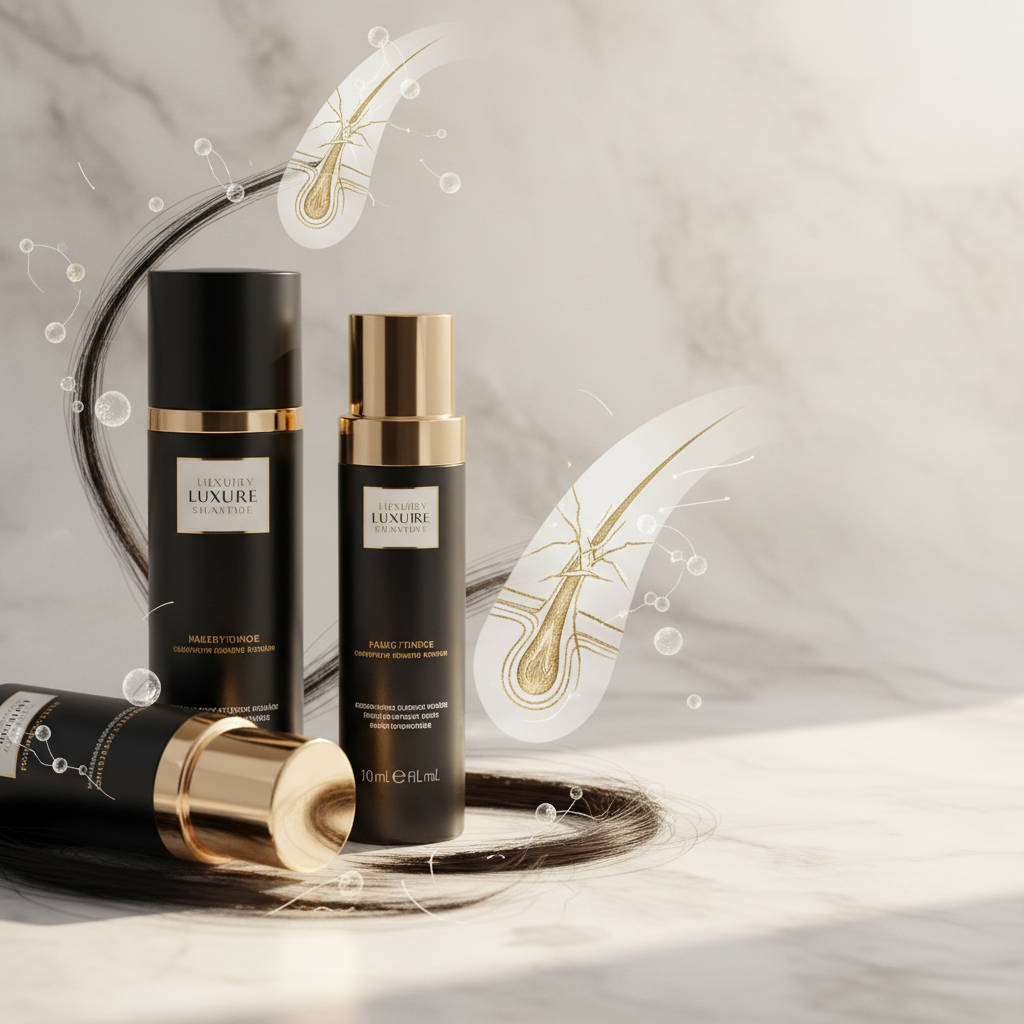
The first problem is breakage along the hair shaft. Hair fibres are composed of non-living, cross-linked keratin proteins shielded by an outer cuticle of overlapping scales. Mechanical styling, heat exposure, chemical lightening, and harsh wash routines strip the protective 18-methyleicosanoic acid (18-MEA) lipid layer. Once this lipid barrier degrades, friction increases, the cuticle lifts, and the cortex fractures under routine tension. Shampoos formulated with hydrolysed lupin protein, wheat peptides, and conditioning surfactants coat these weak points, reducing combing friction by up to 50 percent during washing.
The second problem is follicle distress. The hair follicle sits 3 to 4 millimetres below the epidermal surface within the dermis. Follicles face threats from micro-inflammation, sebum oxidisation, fungal overgrowth (such as Malassezia yeasts), and mechanical traction. A cleansing product acts as an environmental regulator for the scalp rather than a cellular regenerator. Ingredients like caffeine, niacinamide, and biotin in wash-off vehicles can stimulate microcirculation and provide antioxidant support, but they cannot resurrect dead or fibrosed follicles.
Distinguishing fibre breakage from true follicular loss
To choose the right therapeutic routine, you must determine whether hair is snapping mid-shaft or leaving the scalp from the root. Mistaking shaft breakage for follicular shedding leads to ineffective routines.
+------------------------+----------------------------------+------------------------------------+
| Characteristic | Hair Shaft Breakage | Follicular Hair Loss / Shedding |
+------------------------+----------------------------------+------------------------------------+
| Physical appearance | Short, uneven pieces; no bulb | Full-length fibre with a white bulb|
| Structural origin | Fractured keratin cortex | Follicular dermal papilla exit |
| Primary causes | Bleaching, heat, friction, pH | Hormones, stress, illness, genetics|
| Cleansing focus | Lubrication, protein, mild foam | Sebum clearing, scalp micro-relief |
| Reversibility | Fibre must regrow; trim ends | Often treatable once trigger stops |
+------------------------+----------------------------------+------------------------------------+
Examine the fallen strands on your brush or towel under bright light. If the strands are varied in length and lack a tiny, soft white bulb at either tip, you are witnessing breakage. If you see a distinct bulb, the hair has completed its telogen phase and shed naturally from the follicular unit.
The mechanics of shampoo-induced breakage and scalp stress
A poorly formulated shampoo accelerates fibre fracture through two primary mechanisms: excessive alkaline swelling and high surface friction.
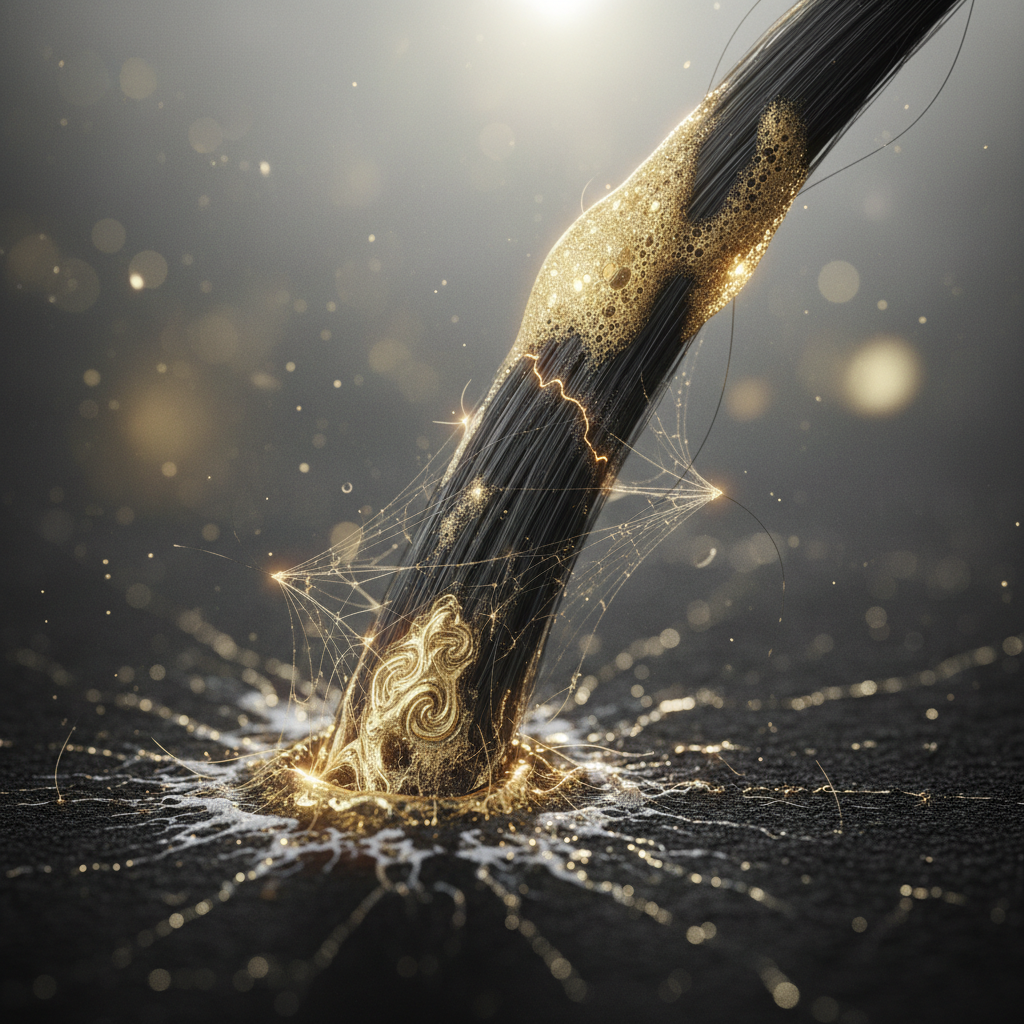
Hair fibre swells when exposed to water, but alkaline formulas (pH above 5.5) force the cuticle scales to flare dramatically. This swelling exposes the delicate endocuticle and cortex to physical abrasion while you lather. Furthermore, aggressive anionic surfactants like standard sodium lauryl sulphate strip natural protective sebum completely, leaving hair dry and prone to triboelectric charging (static).
For the scalp, aggressive cleansing breaks down the epidermal barrier, triggering reactive hyperseborrhoea or chronic micro-inflammation around the infundibulum (the upper follicle opening). Conversely, using an overly weak cleanser or avoiding washing altogether allows squalene and fatty acids to oxidise. Oxidised sebum produces malodorous, inflammatory free radicals that disrupt follicular keratinocyte metabolism.
What the evidence does not show
Marketing campaigns often promise that cleansing products can "repair split ends permanently" or "reactivate dead follicles". Peer-reviewed cosmetic chemistry shows otherwise:
- No shampoo can re-fuse severed keratin. Polymers and hydrolysed proteins patch split ends temporarily by cementing the fissure via hydrogen bonding or hydrophobic interactions. This wash-off patch vanishes with subsequent washing and does not restore original tensile strength.
- Topical wash-offs do not reverse scarring alopecia. When a follicle suffers severe inflammatory destruction (lichen planopilaris or frontal fibrosing alopecia), collagen tissue replaces the follicle. Cosmetic washes cannot restore destroyed dermal papillae.
- Contact time limits deep drug delivery. Because shampoos remain on the scalp for only 1 to 5 minutes before being rinsed away, active compounds require specific penetration systems or high affinity for keratin to exert measurable biological effects.
Targeted ingredients that protect fibres and support follicles
When evaluating formulations, look past brand marketing and inspect the back-of-bottle ingredient list (INCI). Certain compounds provide measurable mechanical protection and support a healthy scalp biome:
- Hydrolysed Proteins and Peptides: Hydrolysed wheat, soy, or lupin proteins have molecular weights small enough (typically 1,000 to 3,000 Daltons) to penetrate outer cuticle fissures, reinforcing moisture retention and reducing wet-comb fracture.
- Caffeine: Evidence demonstrates that topical caffeine penetrates transfollicular pathways even from rinse-off shampoos, counteracting testosterone-mediated growth suppression in follicular culture models.
- Niacinamide (Vitamin B3): Enhances epidermal barrier synthesis, helping the scalp resist transepidermal water loss and reducing inflammation around the follicle opening.
- Allantoin and Botanical Extracts: Soothe irritated scalps, softening dead keratinocytes to prevent follicular clogging without causing mechanical friction.
- Polyquaternium Compounds: Cationic conditioning agents (such as Polyquaternium-10) bind electrostatically to negatively charged damaged hair sites, smoothing down flared cuticles during the wash.
The Watermans approach to structural and scalp maintenance
Within evidence-based haircare, Watermans focuses squarely on combining mechanical fibre protection with targeted scalp nourishment. Watermans GrowMe Shampoo is formulated to bridge the gap between hair fibre strength and optimal scalp conditions.
Rather than relying on harsh detergency, GrowMe employs gentle cleansing agents balanced alongside caffeine, biotin, argan oil, hydrolysed lupin protein, and allantoin. The hydrolysed lupin protein helps deposit microscopic reinforcement along fragile, breaking shafts, smoothing down jagged cuticle edges to lower combing resistance. At the scalp surface, caffeine and botanical extracts support microcirculation around active follicles, clearing cellular debris while maintaining a calm epidermal environment. Used systematically alongside a nourishing conditioner, it targets physical breakage points while respecting follicular biology.
When the cause requires clinical medical evaluation
Shampoos are cosmetic cleansing products, not pharmaceutical cures. You should bypass the haircare aisle and consult an NHS GP or registered trichologist if you encounter:
- Sudden, diffuse shedding exceeding 150 hairs daily for more than 8 weeks.
- Distinct, smooth, round patches of hair loss (possible alopecia areata).
- Scalp tenderness, burning, visible pustules, or follicular erythema (redness around hair bases).
- Noticeable widening of the central parting accompanied by miniaturised, wispy regrowth.
Frequently asked questions about What shampoo brands are best for hair breaking and follicle damage
What shampoo brands are best for hair breaking and follicle damage if my scalp is naturally oily?
If you have an oily scalp with breaking hair, select a clarifying formula based on gentle sulphosuccinates or amphoteric surfactants paired with hydrolysed protein. Clarifying without stripping prevents sebum build-up around the follicle while sparing fragile, brittle hair lengths from drying out.
Can using the wrong shampoo cause permanent follicle damage?
Standard cosmetic shampoos will not cause permanent follicle damage unless they trigger an acute severe allergic contact dermatitis or chemical burn that leads to scarring. Most shampoo-related thinning is actually shaft breakage caused by extreme dryness or friction.
How long should I leave a strengthening shampoo on my scalp?
To allow actives like caffeine or niacinamide to access the follicular infundibulum, leave therapeutic lather on the scalp for 2 to 3 minutes before rinsing. Avoid rubbing the fragile mid-lengths aggressively while waiting, as wet hair has lower tensile strength.
What shampoo brands are best for hair breaking and follicle damage caused by bleaching?
When asking what shampoo brands are best for hair breaking and follicle damage from chemical bleach, seek pH-balanced (4.5 to 5.5) formulations containing low-molecular-weight hydrolysed proteins and cationic detanglers. Bleaching strips internal cystine bonds; acidic, conditioning cleansers minimise wet-fibre expansion and reduce physical snapping.
Does sulphate-free shampoo always stop hair from breaking?
No. Sulphate-free merely denotes the absence of specific surfactant families. If a sulphate-free formula lacks conditioning agents or possesses a high alkaline pH, it can still leave hair shafts rough, tangled, and prone to mechanical snapping during post-wash brushing.
Understanding your hair's real structural requirements
Navigating what shampoo brands are best for hair breaking and follicle damage requires looking past packaging claims to target the true mechanics of your hair and scalp. Cosmetic washes protect the external cuticle by lowering friction and providing temporary structural shielding, while targeted scalp ingredients clear inflammatory blockages from the follicular pore. By choosing mild, protein-rich formulations like Watermans GrowMe, handling wet lengths with care, and consulting medical professionals for underlying scalp disorders, you establish an effective foundation for resilient, healthy hair.
Sources and references
- British Association of Dermatologists. Telogen Effluvium and Hair Loss Guidelines, 2021.
- International Journal of Cosmetic Science. "Hair breakage during combing: role of moisture and chemical treatments", 2018.
- Journal of the European Academy of Dermatology and Venereology. "Effect of caffeine and testosterone on the proliferation of human hair follicles in vitro", 2014.
- Clinical, Cosmetic and Investigational Dermatology. "Shampoo and Conditioners: What a Dermatologist Should Know", 2015.
- Skin Pharmacology and Physiology. "Follicular penetration of caffeine from a shampoo formulation", 2007.
Find these ingredients in Watermans products
- Niacinamide: you will find this ingredient in our Hair Mask.